

PHOTOGRAPHY ANNETTE O’BRIEN
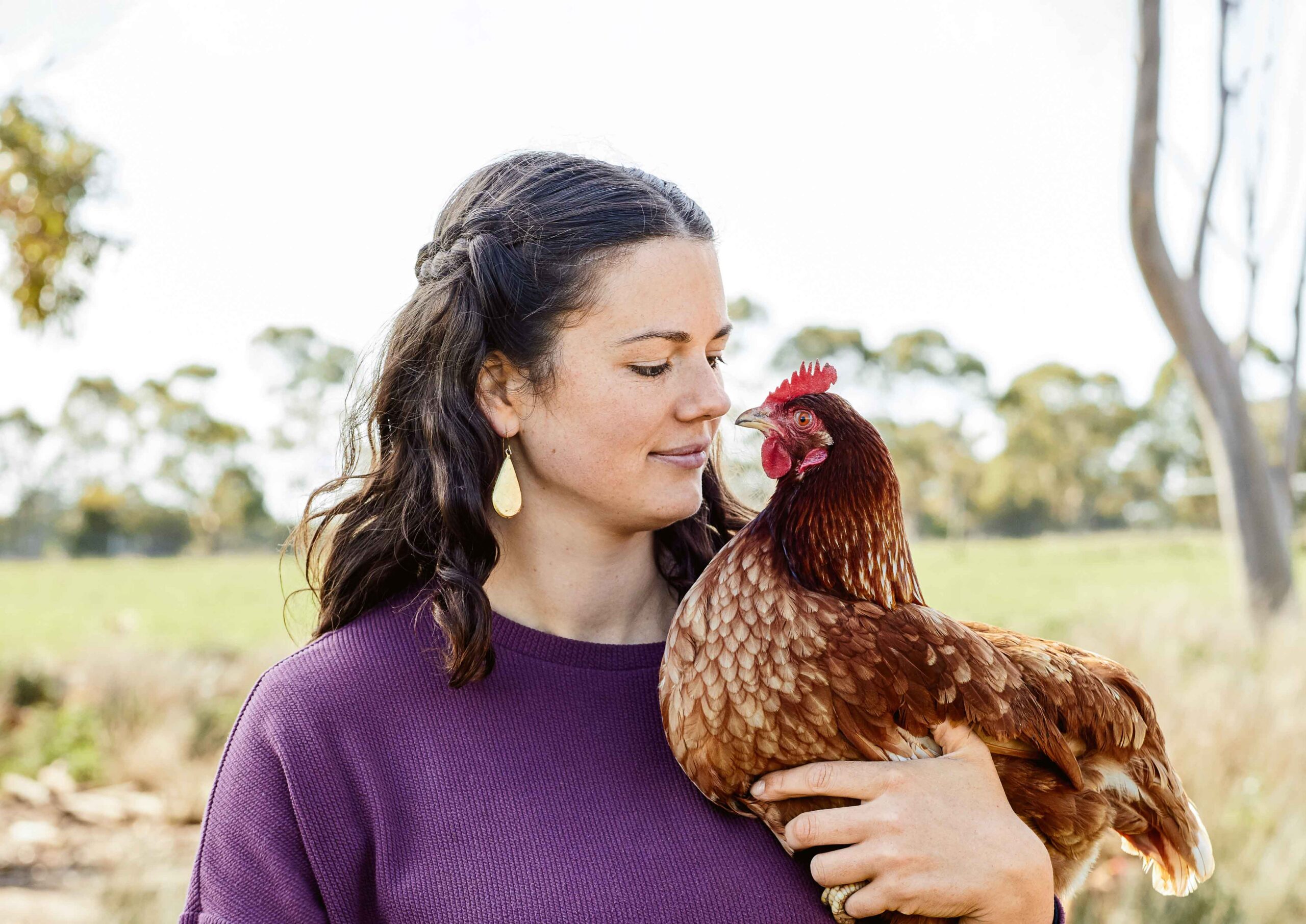
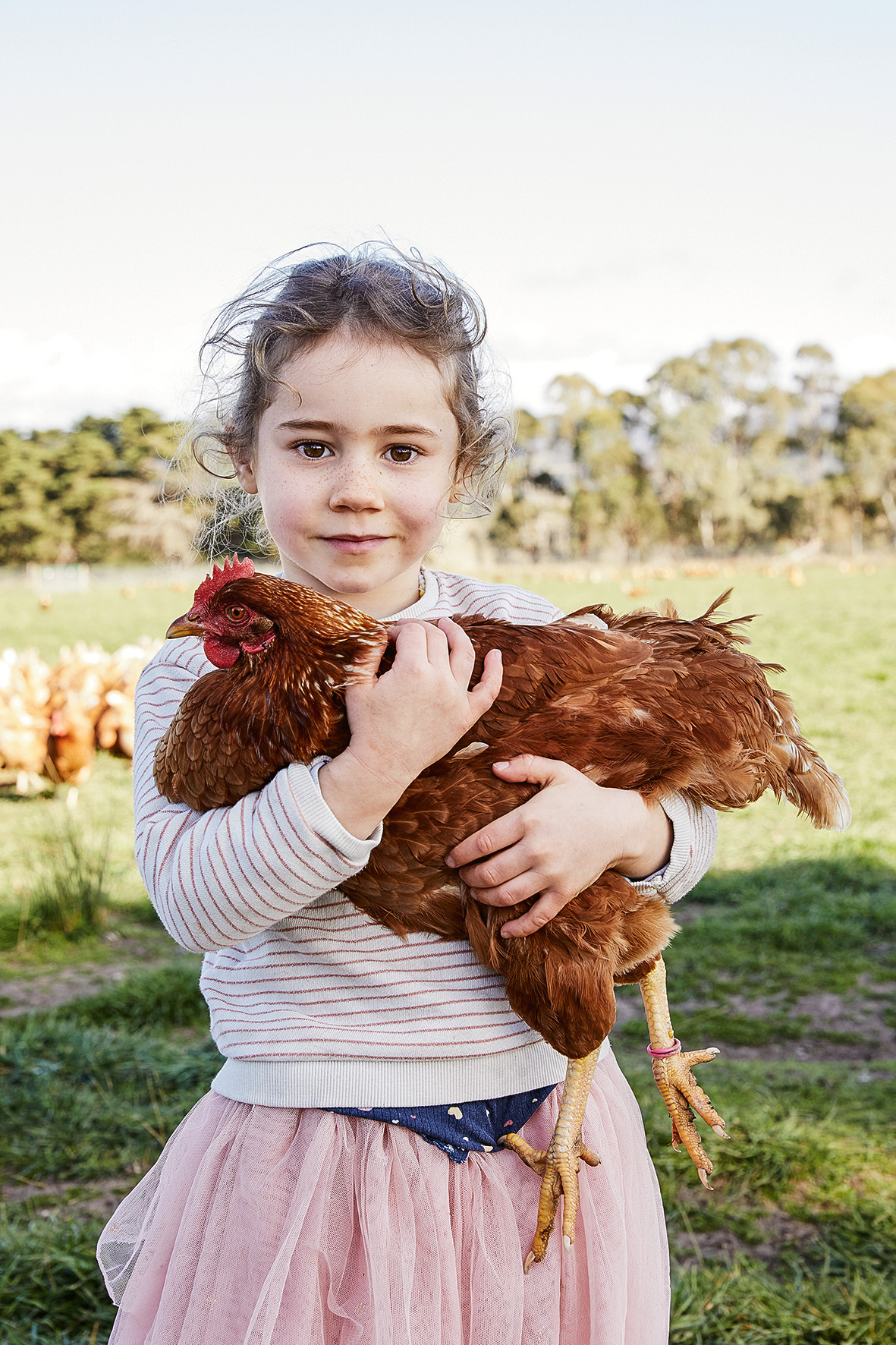
Madelaine Scott, with one of her 5000 Hy-Line chickens, says her parents taught her that communication is one of the most vital life skills.
Sign up to our mailing list for the best stories delivered to your inbox.
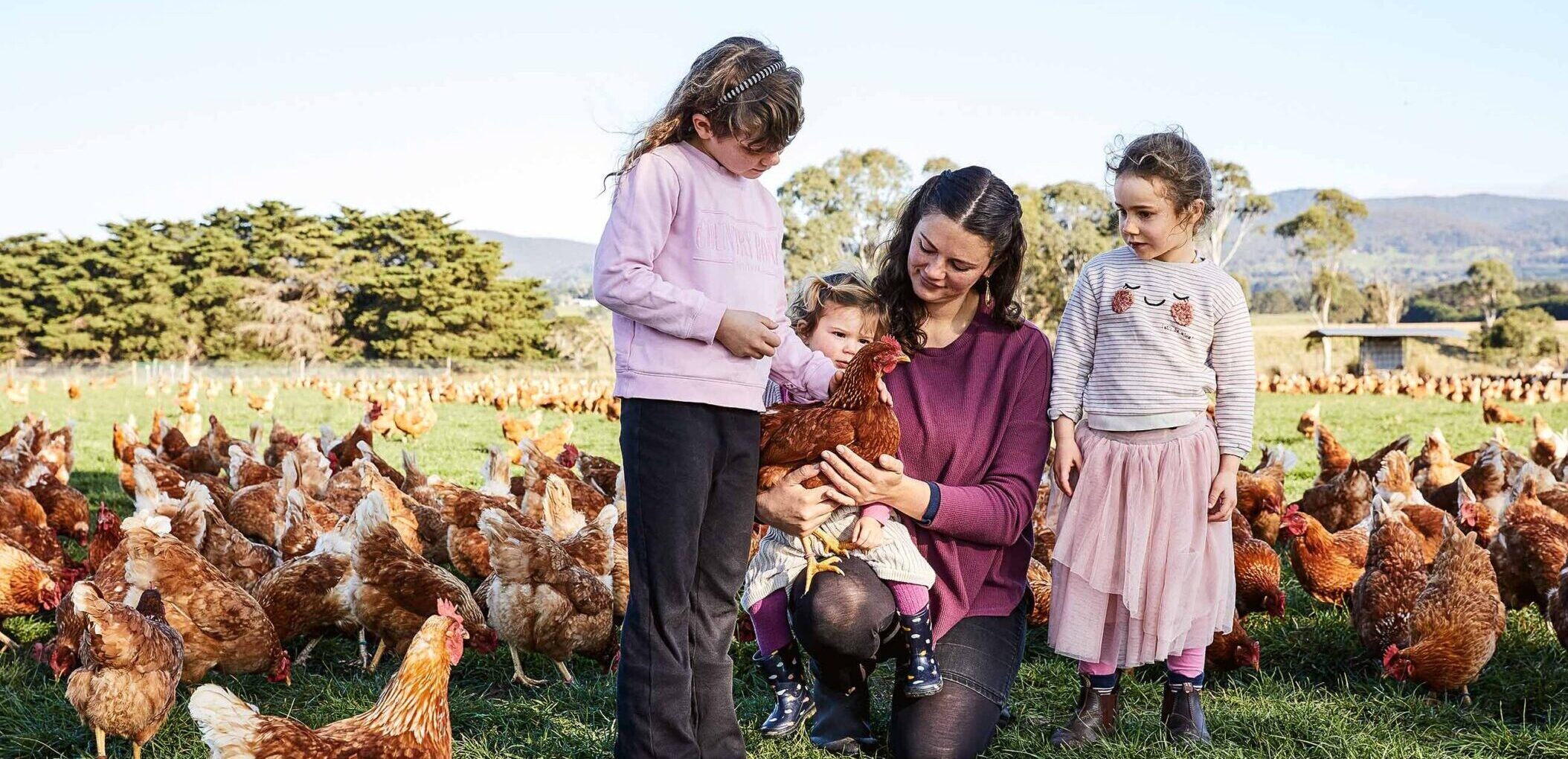
On the eve of her 30th birthday, the organic farmer and mother of three speaks to Graziher writer Amanda Ducker.
WORDS AMANDA DUCKER PHOTOGRAPHY ANNETTE O’BRIEN
PHOTOGRAPHY ANNETTE O’BRIEN
Madelaine Scott, with one of her 5000 Hy-Line chickens, says her parents taught her that communication is one of the most vital life skills.
PHOTOGRAPHY ANNETTE O’BRIEN
NASAA-certified organic eggs are in demand.
Madelaine Scott has spent her whole life in the rural foothills of the Macedon Ranges north-east of Melbourne. At 29, the organic egg producer comes across as a curious mix of precocious entrepreneur, ceaselessly toiling farmer and good-humoured earth mother.
As she sits by her kitchen table breastfeeding her youngest daughter, it’s easy to imagine Madelaine might have lived centuries ago, so timeless is her way of life at Hollyburton Farm, where she is now bringing up her three daughters. Yet in critical ways she’s built her business and managed her life in a very contemporary manner.
The founder of the certified organic Madelaine’s Eggs brand runs a flock of 5000 Hy-Line chickens on 12 hectares of the 180 hectare family farm. To say she was an early starter is an understatement. Madelaine, who was home-educated, launched her chicken and egg enterprise 21 years ago and has been at it ever since.
PHOTOGRAPHY ANNETTE O’BRIEN
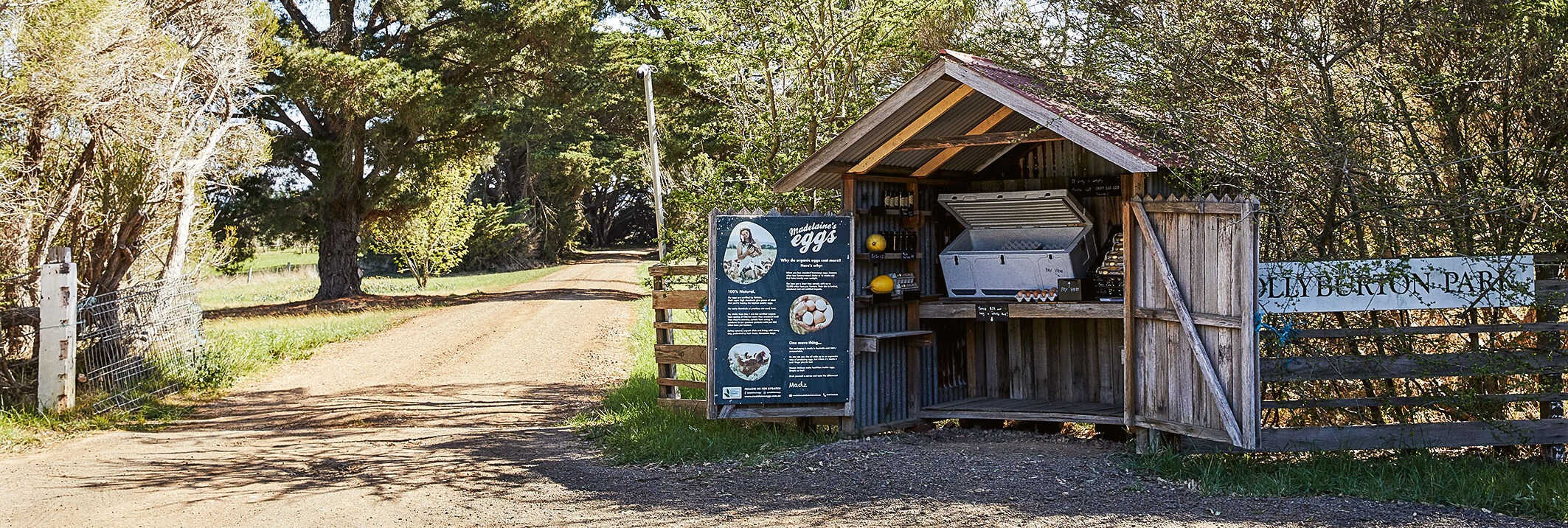
The farm gate stall.
“I was selling eggs, so I had to make phone calls to different shops and cafés and go to farmers’ markets and stand there and sell my eggs to customers.” Madelaine’s parents loaned their eldest child $200 to buy 20 australorp and leghorn layers and their feed.
“It took me about three months to pay my parents back,” she says. “Every dollar I made after that I would save and reinvest in my business.” Today, Madelaine wholesales to 65 greengrocers, health-food shops, delicatessens, butchers and cafés in Melbourne. She’s had a waitlist for 17 years. “Demand is huge,” she says. “Sometimes the waiting list has gone down to one or two shops, but at the moment it’s 30 to 40.” She began the waitlist at 12 years of age, after she featured in an SBS TV documentary series on organic farmers.
The ‘Love Harvest’ episode was filmed during a punishing drought, the farm virtually unrecognisable when you see the lush green landscape of the current season. Madelaine’s parents Rob and Colita had moved on from ostrich farming to raising pigs, cattle and sheep and pasture was scarce. By then, Madelaine had bred, incubated and raised a flock of 250 chickens, making a name for herself at the local Lancefield farmers’ market, selling pullets and ducklings as well as eggs. Rob comments that Madelaine was the only one on the farm making any money at that point.
PHOTOGRAPHY ANNETTE O’BRIEN
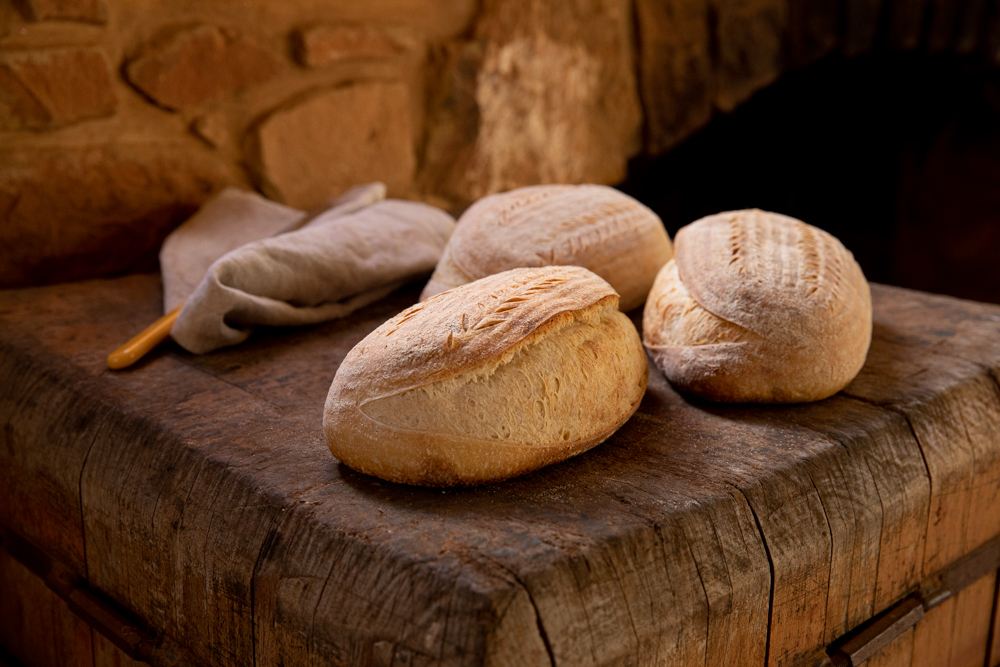
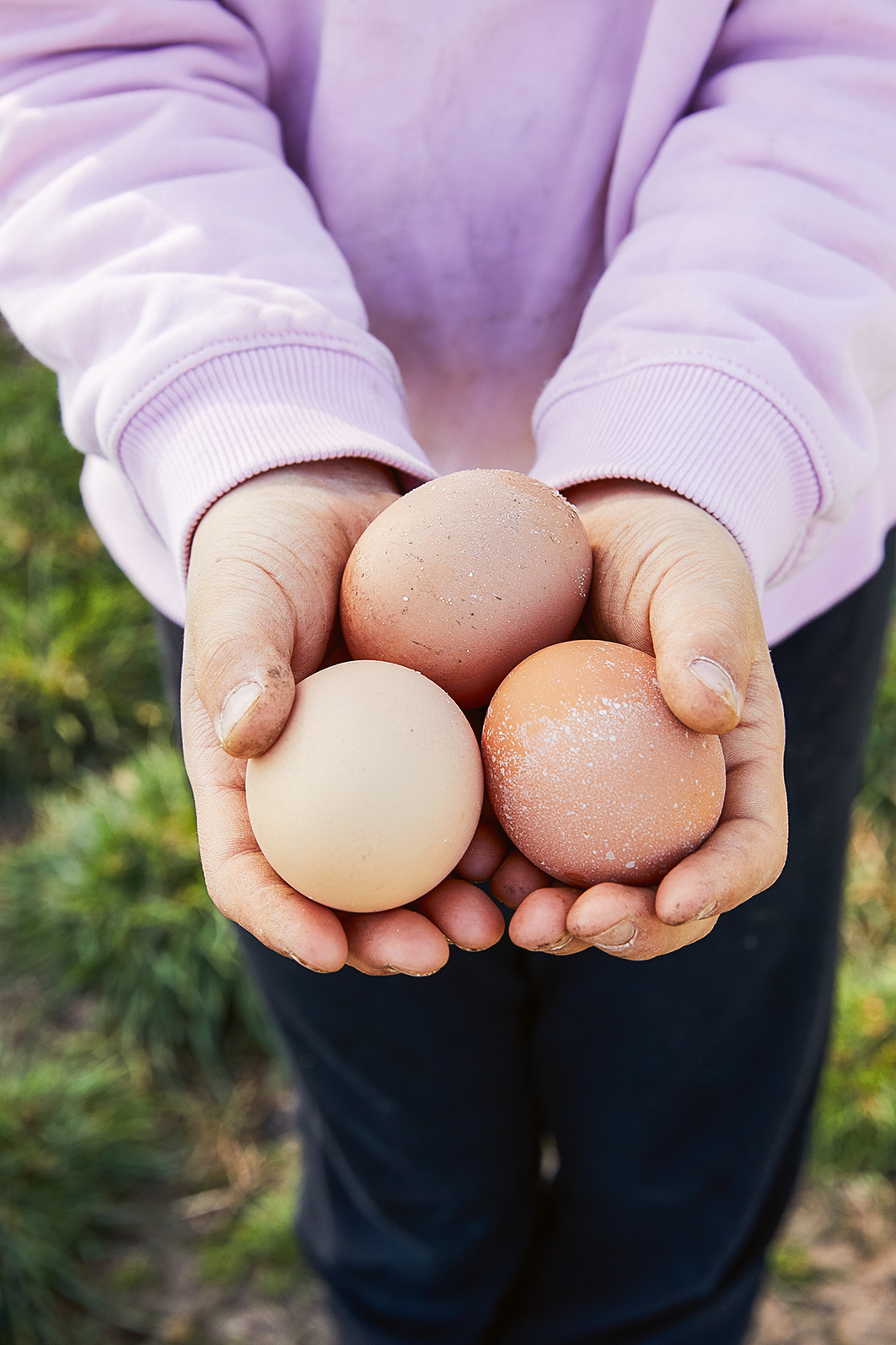
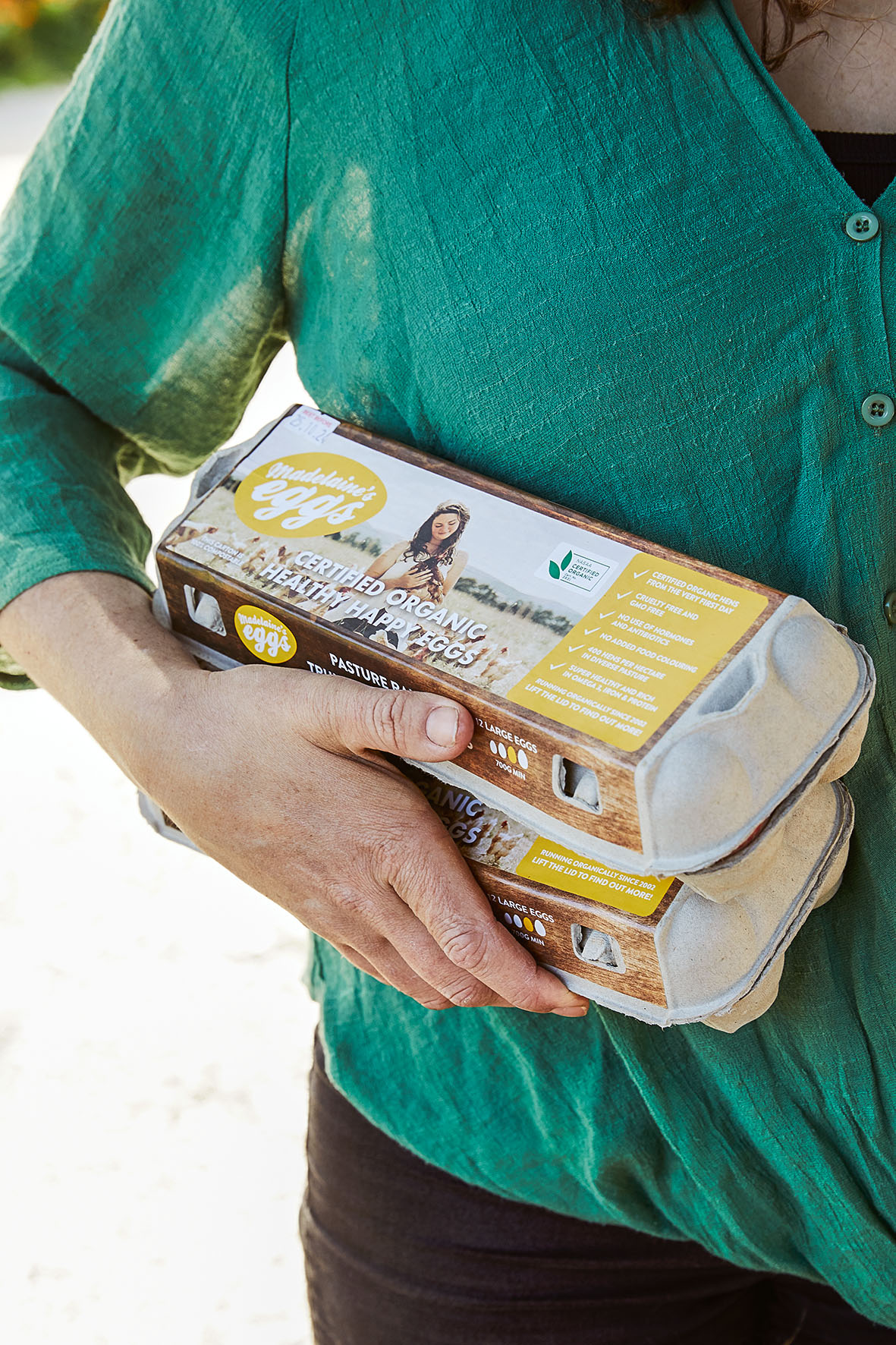
Madelaine’s Eggs ready for market.
PHOTOGRAPHY ANNETTE O’BRIEN
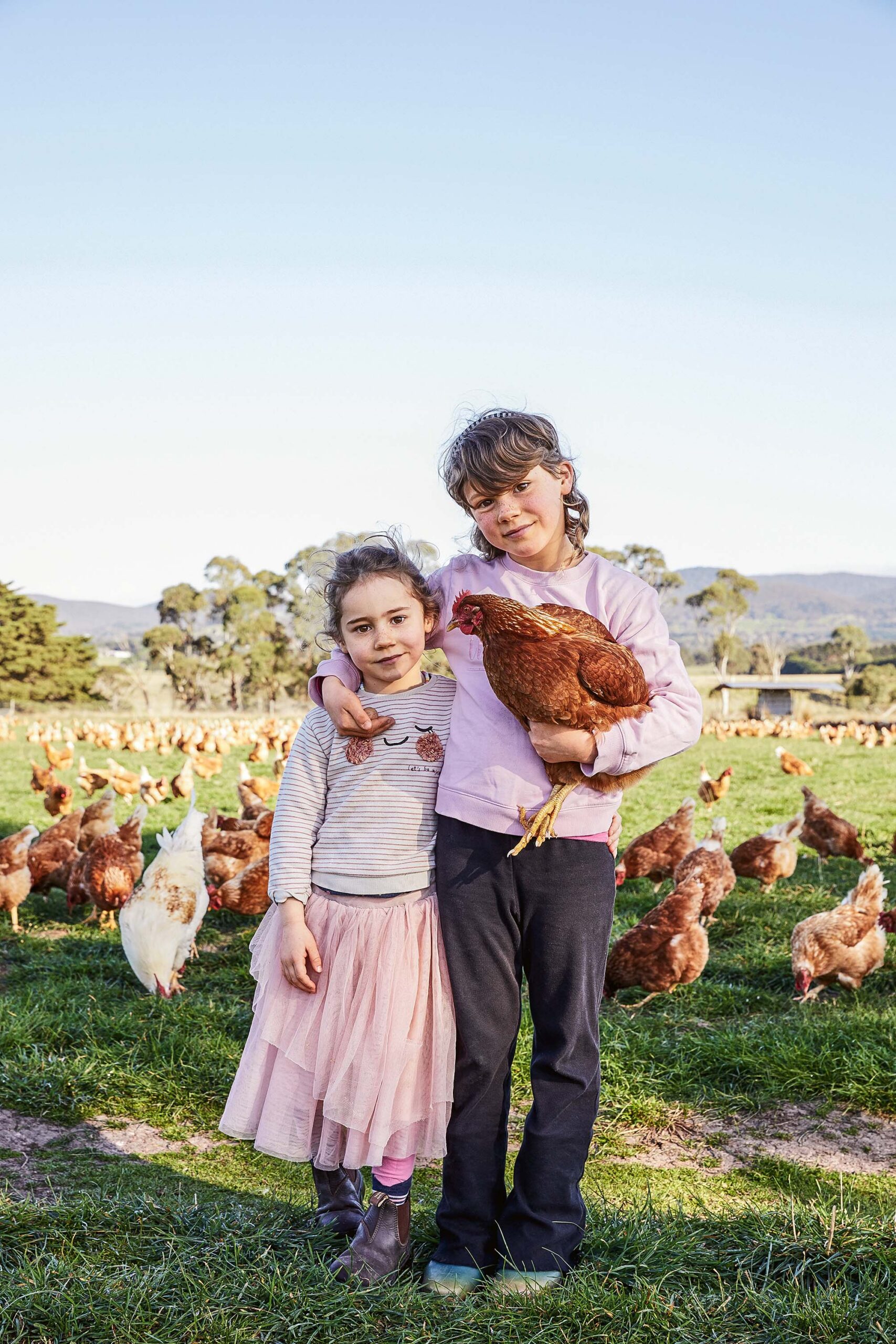
Her daughters Thora, five, and Lorien, eight, love helping mum.
She was involved in all aspects of family farm life, her capacity for hard work heart-rendingly evident in the TV show as she heaves a laden wheelbarrow, all lanky limbs and adorable little headscarf. In one poignant scene, she sits on the parched ground holding her little sister Hailey and brother Arthur on her lap while their father works with a mobile butcher.
Midway through Year 7, Madelaine decided it was time to attend school for the first time. “I didn’t know how you went to school so I called the principal up on a Sunday afternoon:
Henceforth she caught the school bus to attend Candlebark, a school founded by author John Marsden, who was the principal she called. “It was Steiner slash Hogwarts,” she says today with a laugh. School offered her the chance to lift academically, but it also meant rising earlier to do her chores.
“In June and July, it was still dark when I was out feeding the chickens and I’d walk four kilometres to the bus stop as the sun was rising. I look back now and think that was a lot of effort for a young person.”
PHOTOGRAPHY ANNETTE O’BRIEN
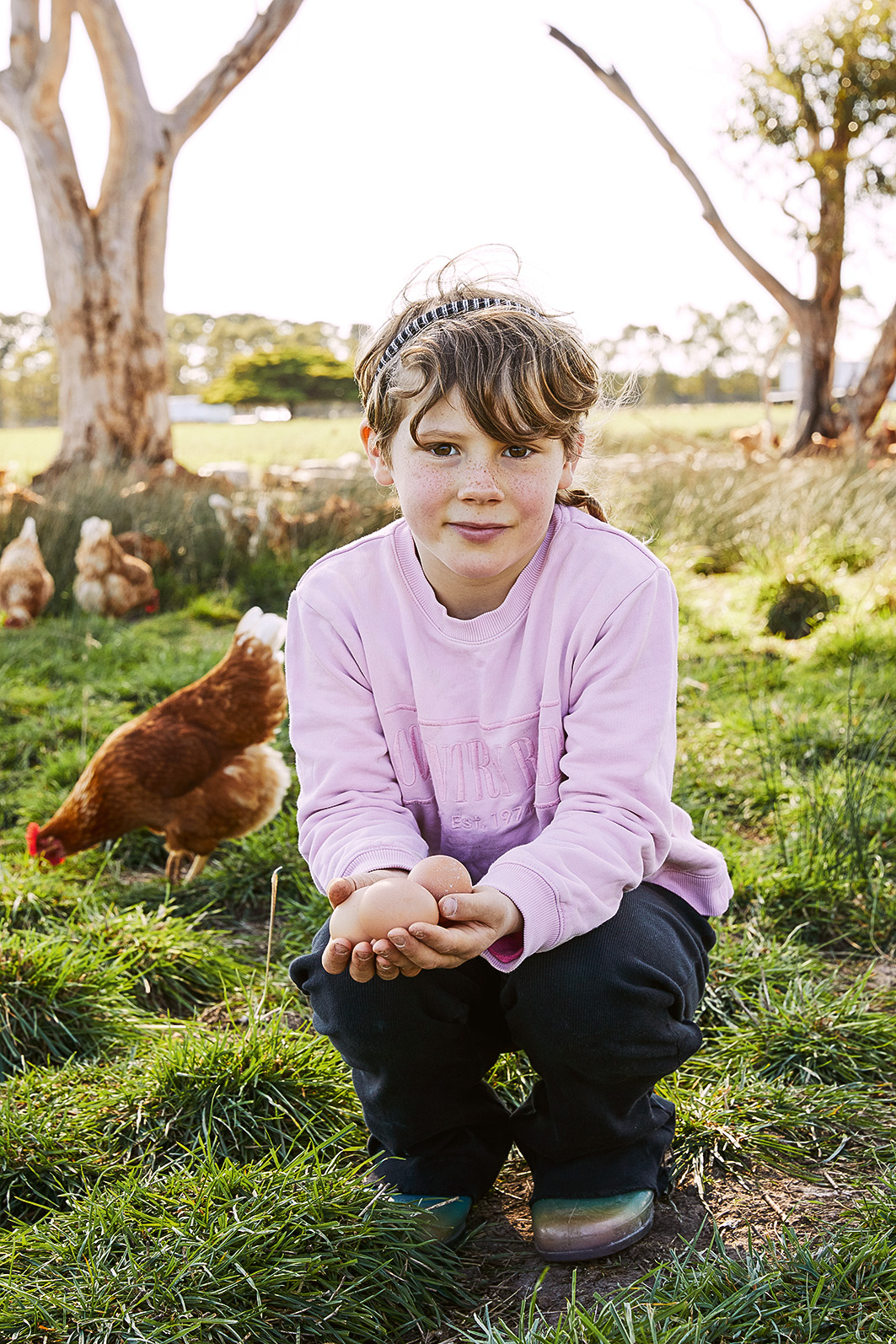
Lorien helps gather the eggs.
PHOTOGRAPHY ANNETTE O’BRIEN
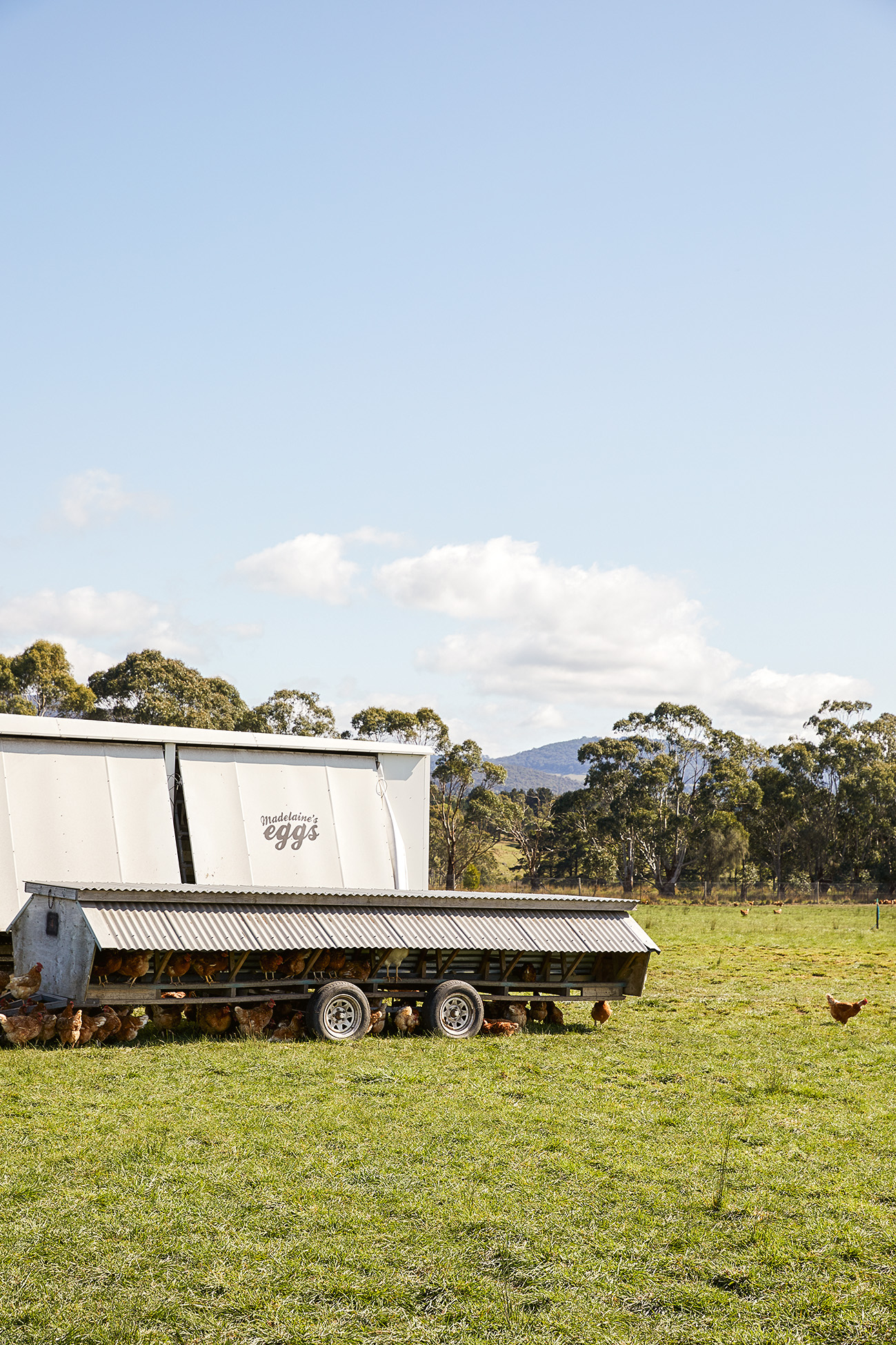
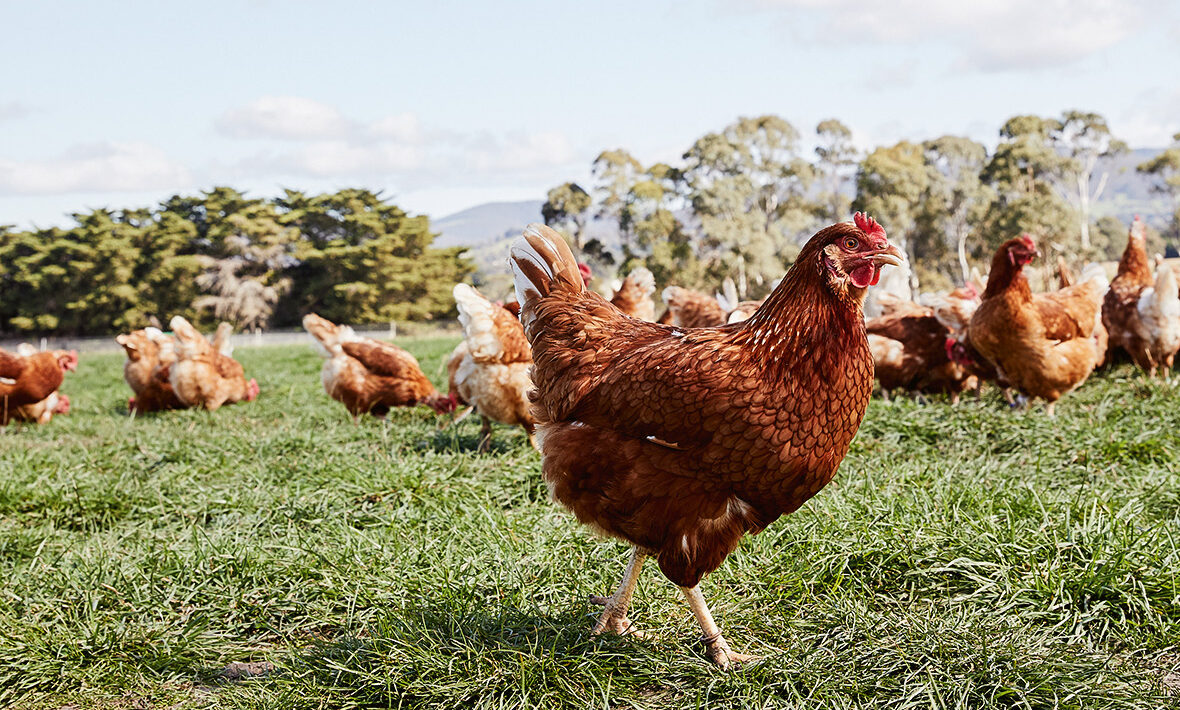
The chickens seek food and shade.
After a four-hour daily commute to a city campus for Year 10, she quit school. After quickly growing her flock from 250 to 900 chickens, she grew overwhelmed by the time it took to clean and grade all the extra eggs, a task for which she was still commandeering the family dining table at night. Crowdfunding was in its infancy, but she leapt into the fray at 19, raising more than $60,000 to build a shed and coolroom and buy an egg-cleaning and grading machine.
Madelaine’s next juggling act began at 22, when she gave birth to her daughter Lorien in 2016. “I was pretty naive,” she says. “Nobody told me, for example, that those first three months you are on the couch breastfeeding for nine hours a day minimum. I was packing eggs at 2am because that’s when she was asleep.
Her second daughter, Thora, arrived in 2019. And on New Year’s Day 2023 she welcomed baby Nadia with her partner, Ben Dunn, who grows Wildwood Organics produce in his market garden on 1.6 hectares of Hollyburton Farm.
Madelaine says young families are her main customers. “It’s mothers, with lots of kids, who are obsessed with organic food,” she says. Encounters at her roadside stall suggest another passionate customers. “When I’m restocking the stall, I’ve met quite a few bodybuilders,” she says. “They want the organic protein, which eggs provide at a lower price compared with steak or something.”
That’s not to say Madelaine’s Eggs fall within the average household’s egg budget. With little change from $20 for a retail dozen, customers are typically cognisant of organic eggs’ humane, environmental and healthy eating credentials.
PHOTOGRAPHY ANNETTE O’BRIEN
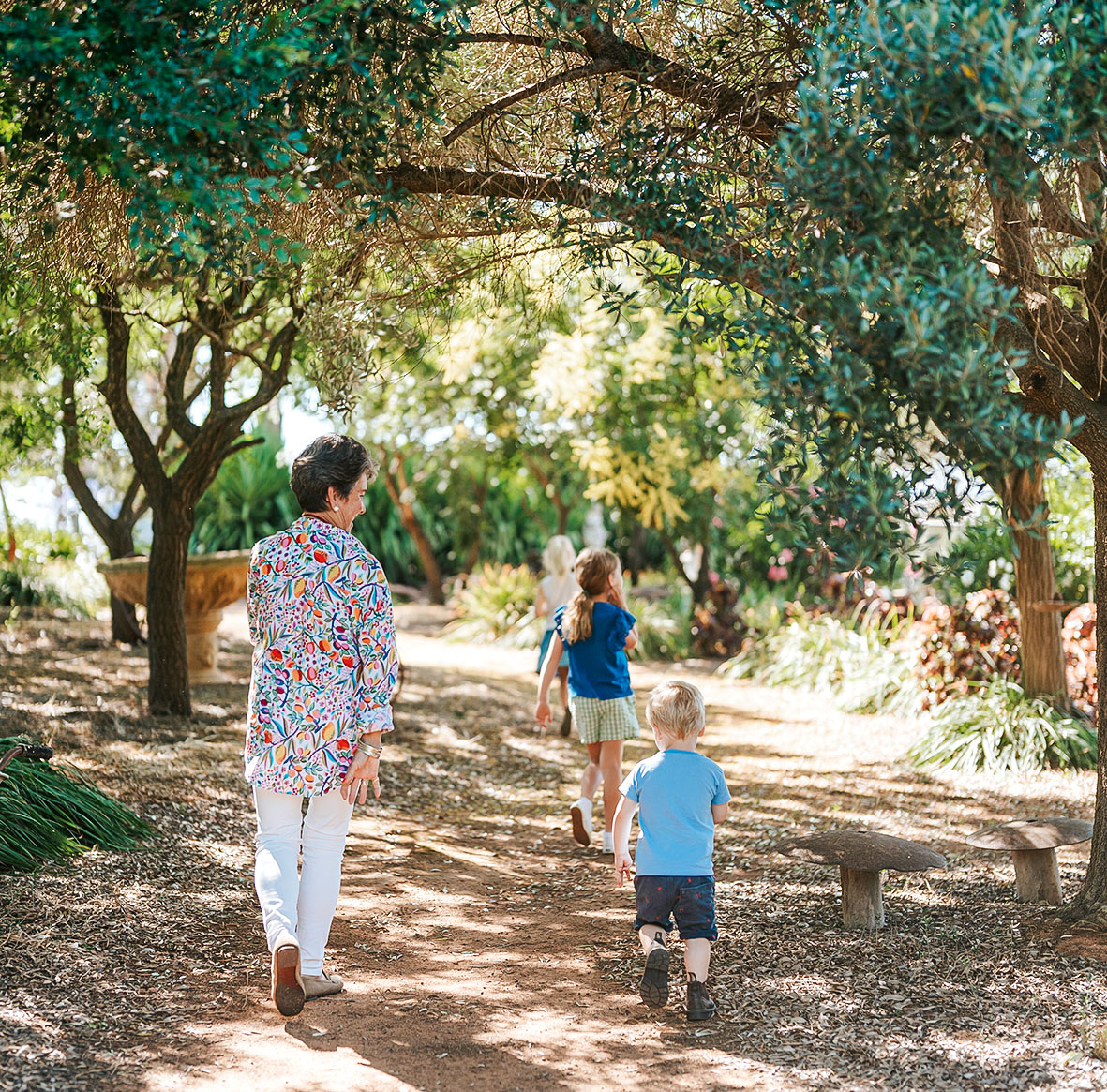
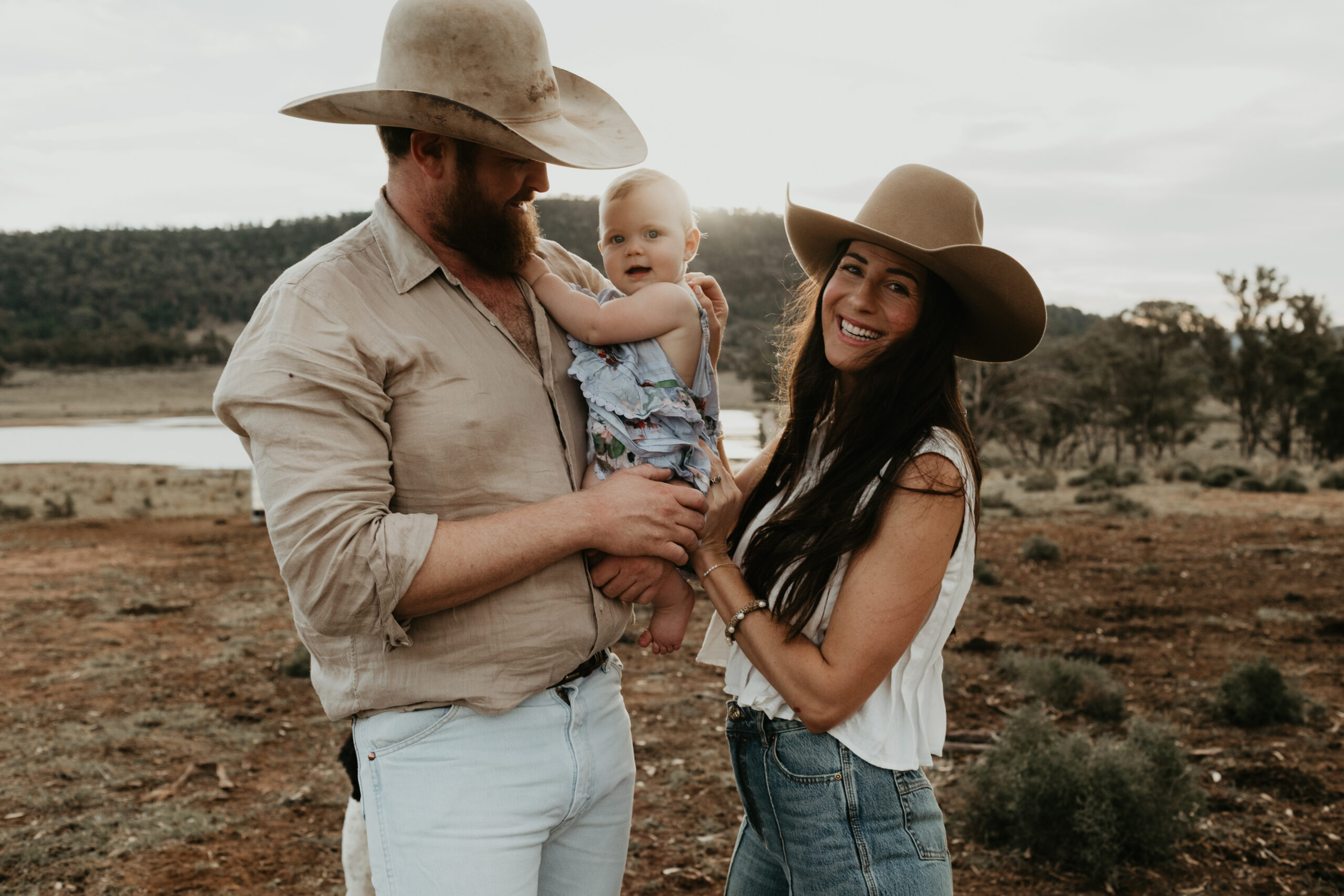
Thora and her sisters are growing up among the chooks.
PHOTOGRAPHY ANNETTE O’BRIEN
Madelaine’s chickens are raised on site and spend two free-range years as layers before being rehomed.
Rob and Colita, who have since separated (with Colita moving off-farm), converted Hollyburton to National Association for Sustainable Agriculture Australia (NASAA)-certified organic 20 years ago. The groundwork was laid for Madelaine, but the challenges are ongoing. “It costs a lot more to produce organic eggs,” she says, with organic certified feed costing about three times as much as non-certified products. Within the next year, she hopes she can buy the new, more affordable layer pellets and baby crumble she is trialling for ORICoop, an organic producer cooperative to which she belongs.
Three batches of day-old chickens arrive annually, as per NASAA accreditation terms for raising poultry on site. Two maremma sheepdogs live with the babies, having been moved out of the 12 hectare adult paddock for chasing the dorper ewes who graze among the flock. Adult chickens spend two years here, loosely keeping company with their original batch, before being rehomed at the end of their commercially viable laying lives. “It has taken so many years to streamline all the little things along their life cycle,” Madelaine says.
Despite the imminent possibility of avian flu, mostly spread by wild birds, Madelaine has embarked on her latest project, getting a closed water system fed by bore. Sitting tight is what this chickadee is all about. And she’s in it for life. “If I don’t get caught up with this bird flu, yeah,” she says.
Subscribe to Graziher and you’ll never miss an issue of your favourite magazine. Already a subscriber? Consider gifting a subscription to someone special in your life.
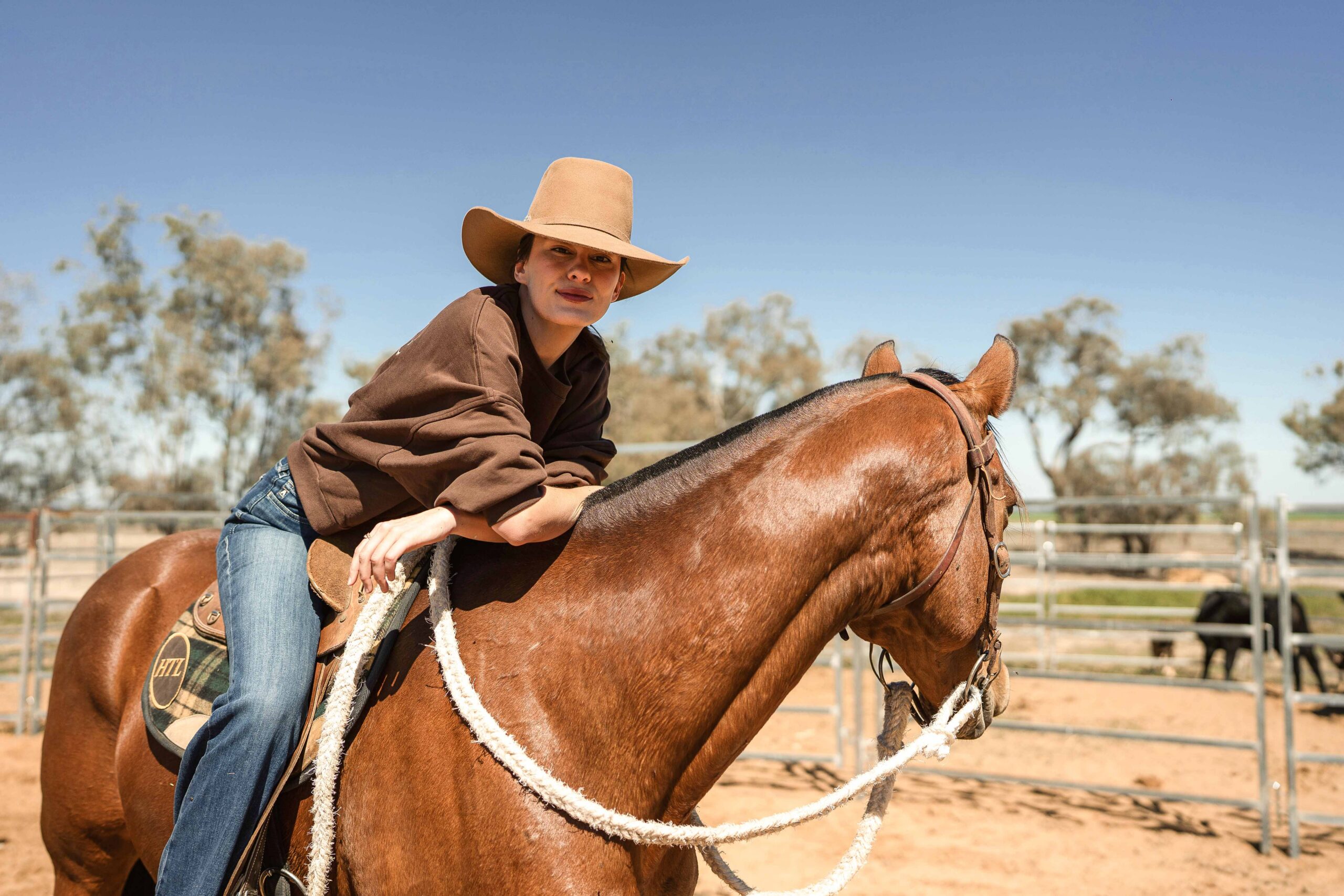
There are many ways to find a meaningful role in the industry, says Beef Australia’s Beth Rands.
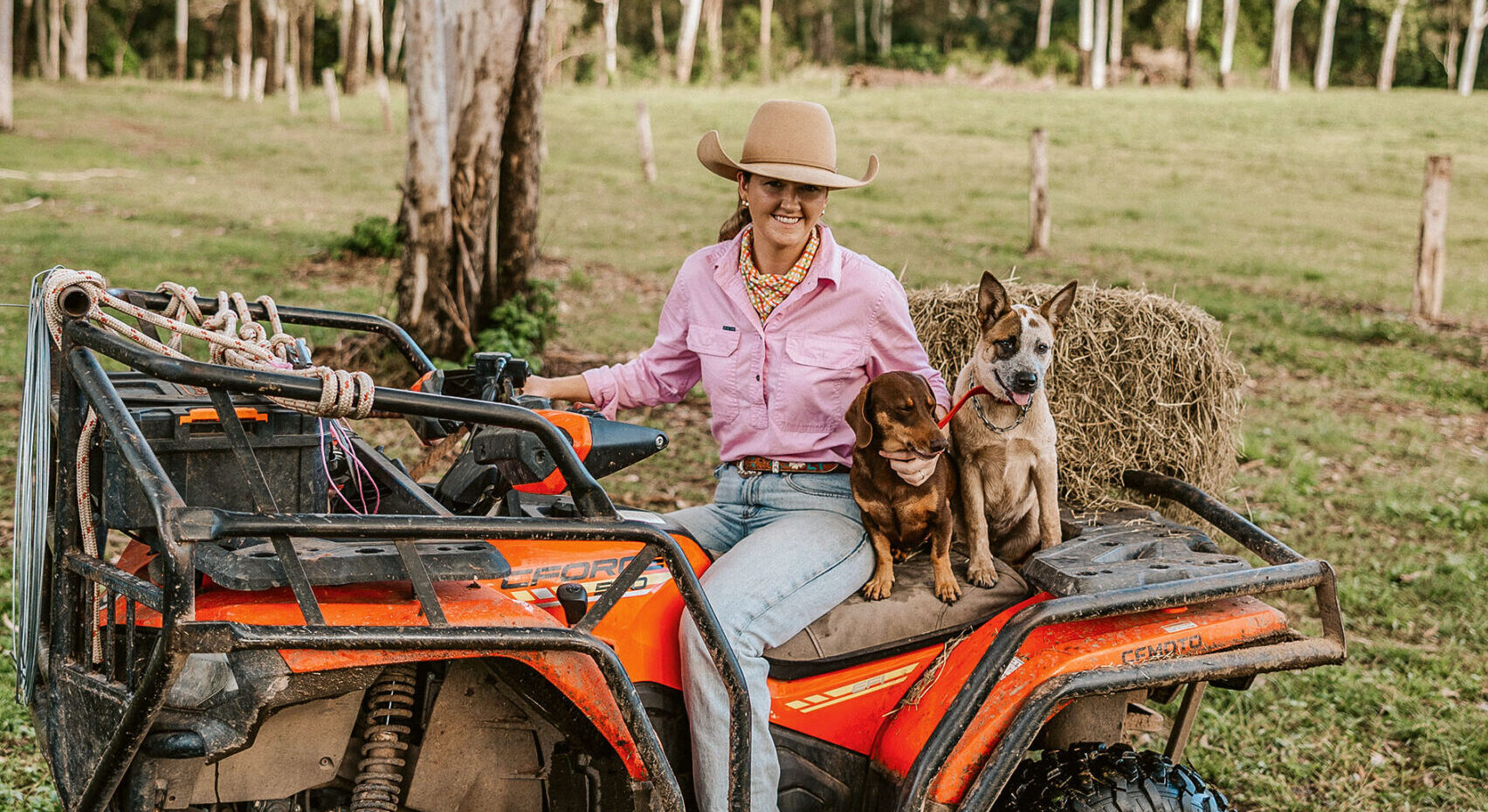
Hailing from a small Irish town, Lisa Fryer found love at Daly Waters’ Hi-Way Inn. Today, she and husband John are ushering in a new era for Tabletop Station, near Townsville, Queensland.
There are many ways to find a meaningful role in the industry, says Beef Australia’s Beth Rands.
Hailing from a small Irish town, Lisa Fryer found love at Daly Waters’ Hi-Way Inn. Today, she and husband John are ushering in a new era for Tabletop Station, near Townsville, Queensland.
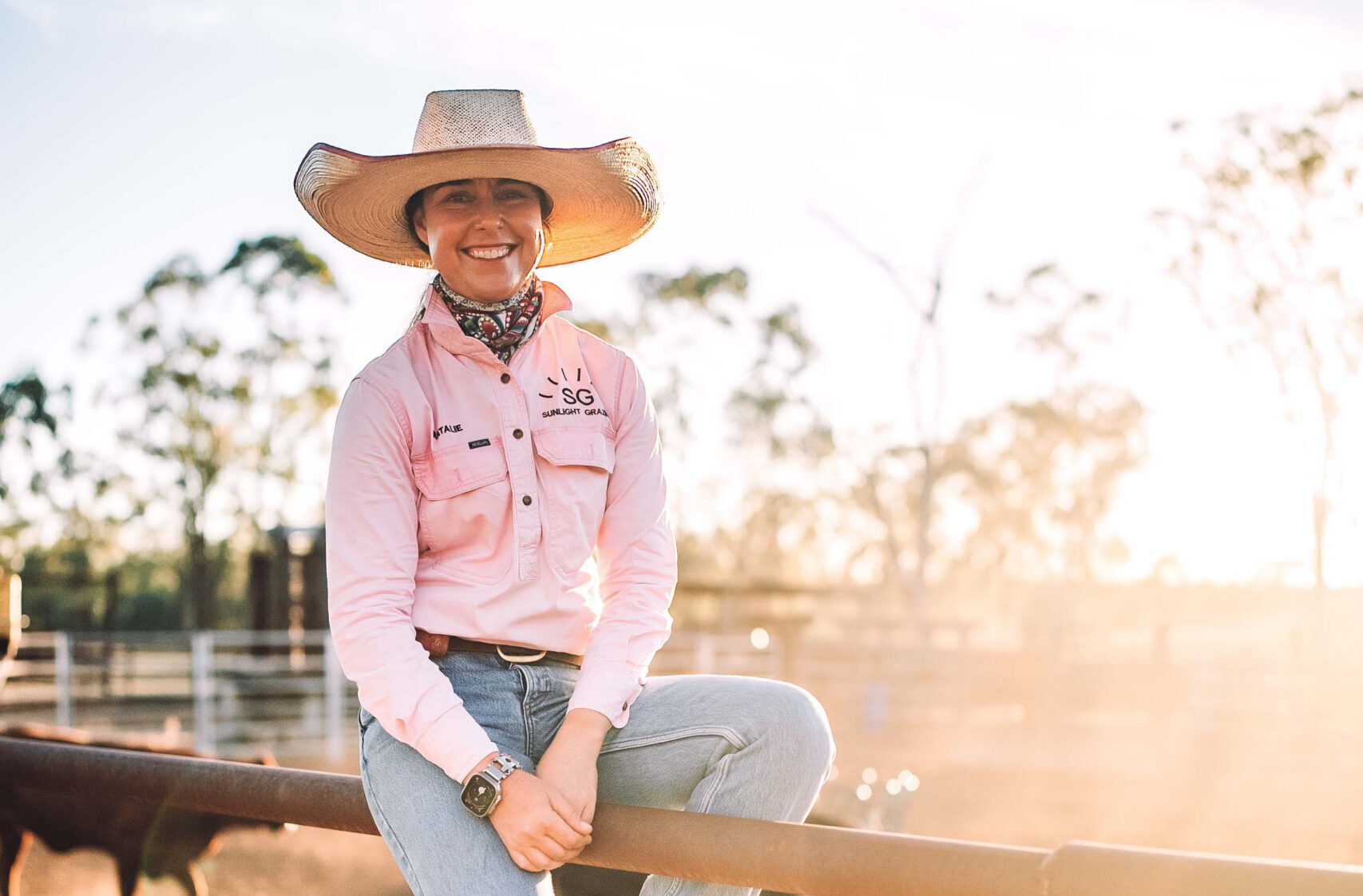
She says clever tech makes it possible to go it alone on the 4000 hectare beef-finishing property in central Queensland.

