Sign up to our mailing list for the best stories delivered to your inbox.
Claire Austin considers the role scent plays in a garden and what to plant for a yard that smells as sweet as it looks.
WORDS CLAIRE AUSTIN

It’s funny how a scent can transport you to another place and time. While much of the thought around creating a garden centres on the visual aspect, smell is also a powerful way of creating memories and evoking emotions, and this should not be overlooked.
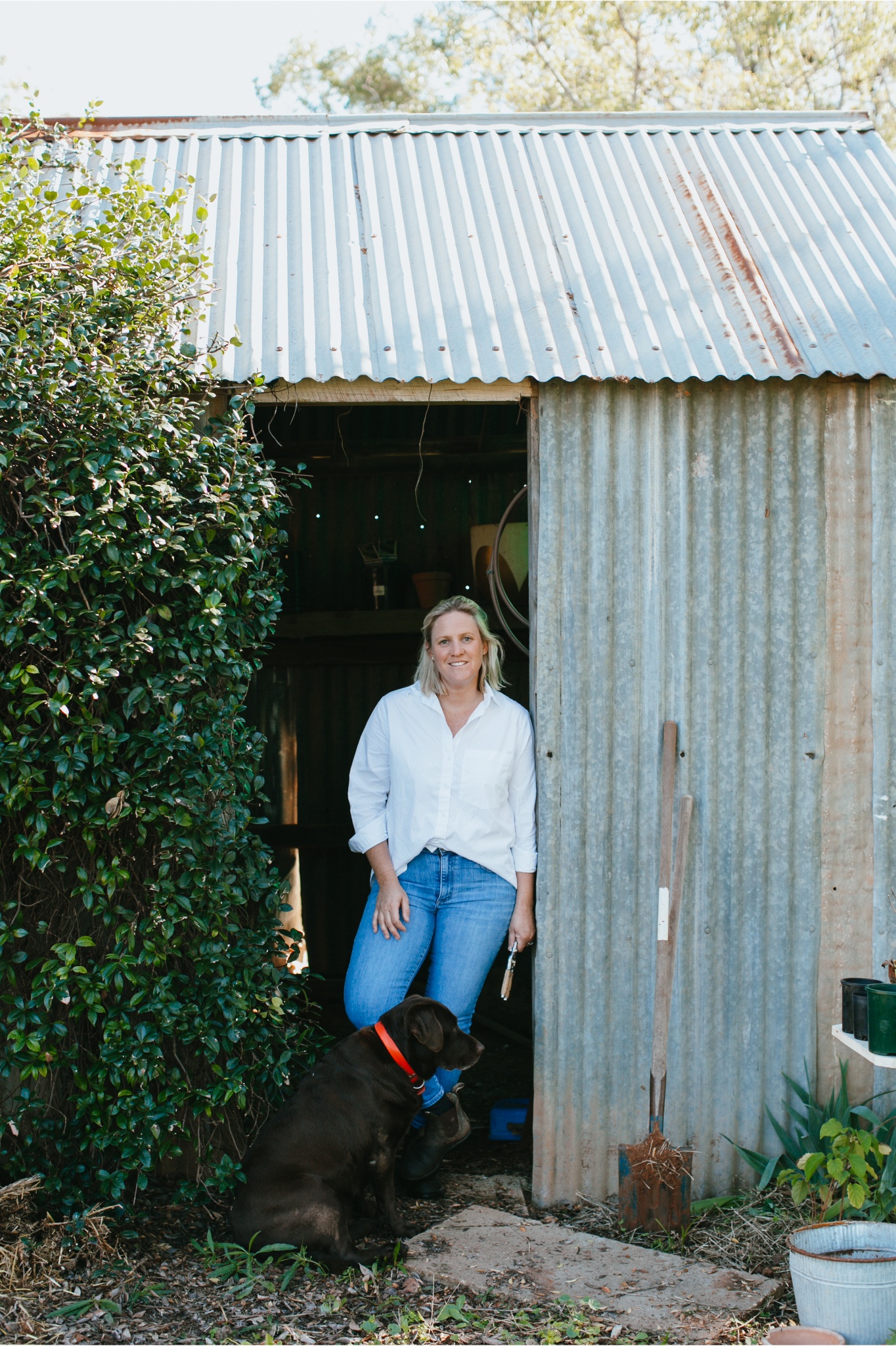
The sweet perfume of star jasmine floating through the garden, heralding the arrival of summer, is one of my favourites. We have a beautiful little garden shed wrapped in this vigorous climber. The Shed has become the heart of our garden. It forms the backdrop of our birthday parties, long lunches and family footy matches, and the kids spend hours playing around it. It’s also where the cubby house is.
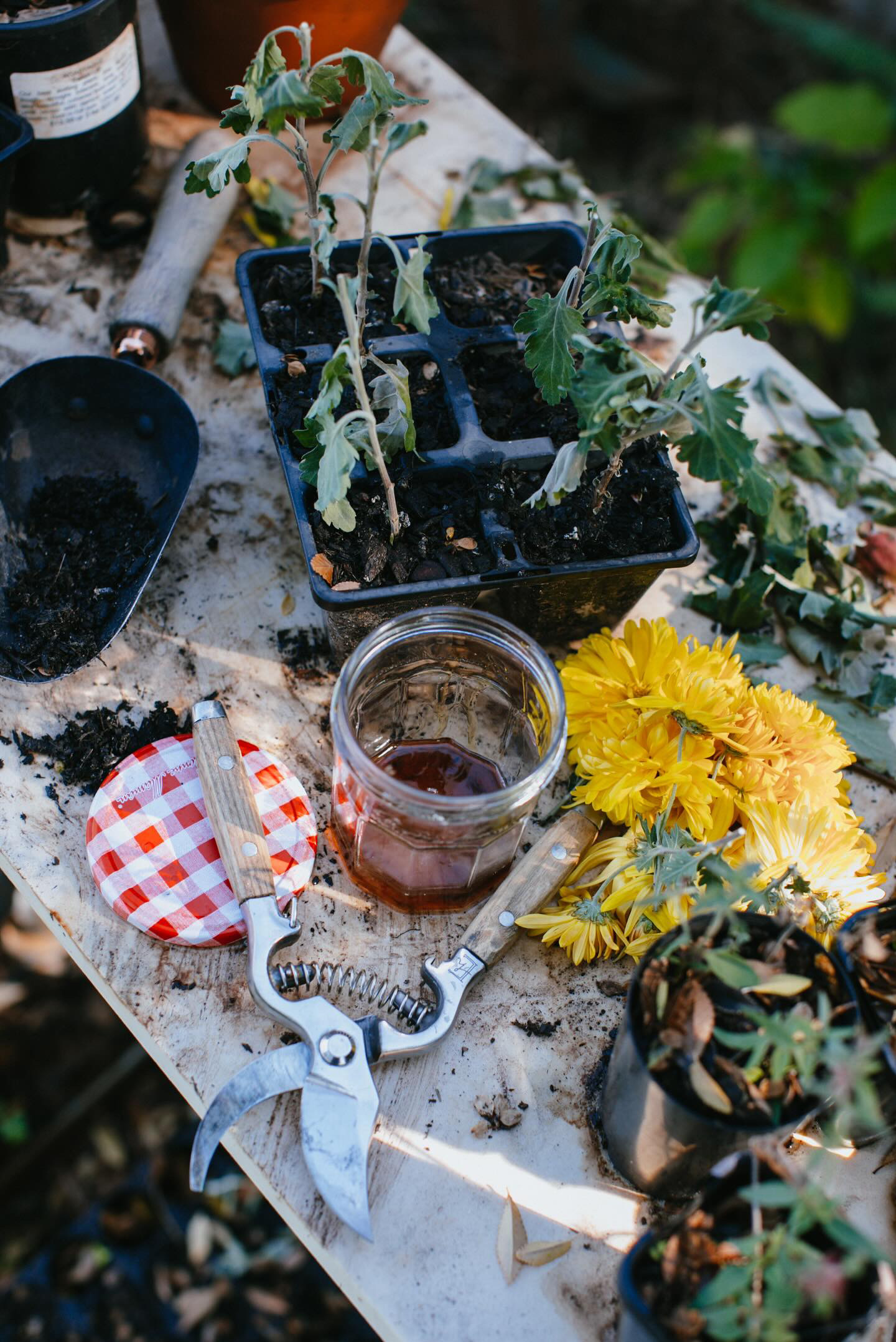
It’s the one area of the garden I manage to keep looking great, as I walk past it many times a day. I have decided to set up a propagation station so that I can keep an eye on the kids while getting things done.
I’m hoping that, years from now when I catch the scent of jasmine drifting by, I’ll be taken back to this time — of kids running free and enjoying the early summer days.
As soon as the scent of a gardenia (Gardenia spp.) drifts past, I’m transported back to my inner-city boarding school, specifically the common room. It’s where the fun happened: where we’d play cards and pool and watch movies; where we would telephone home or microwave our packet pasta if the dinner provided wasn’t up to scratch. (Weirdly, packet pasta is still my go-to comfort food.)
In the tiny courtyard, there was a row of gardenias along and a gigantic palm tree in front of a magnificent wall covered in ivy. It was our only bit of green and how we loved it. We’d pick the flowers and put them on the coffee table, near a little book where we would write who was coming and going.
I planted gardenias in my garden, but unfortunately they are a bit too precious for my style of gardening. But they are holding on, just.
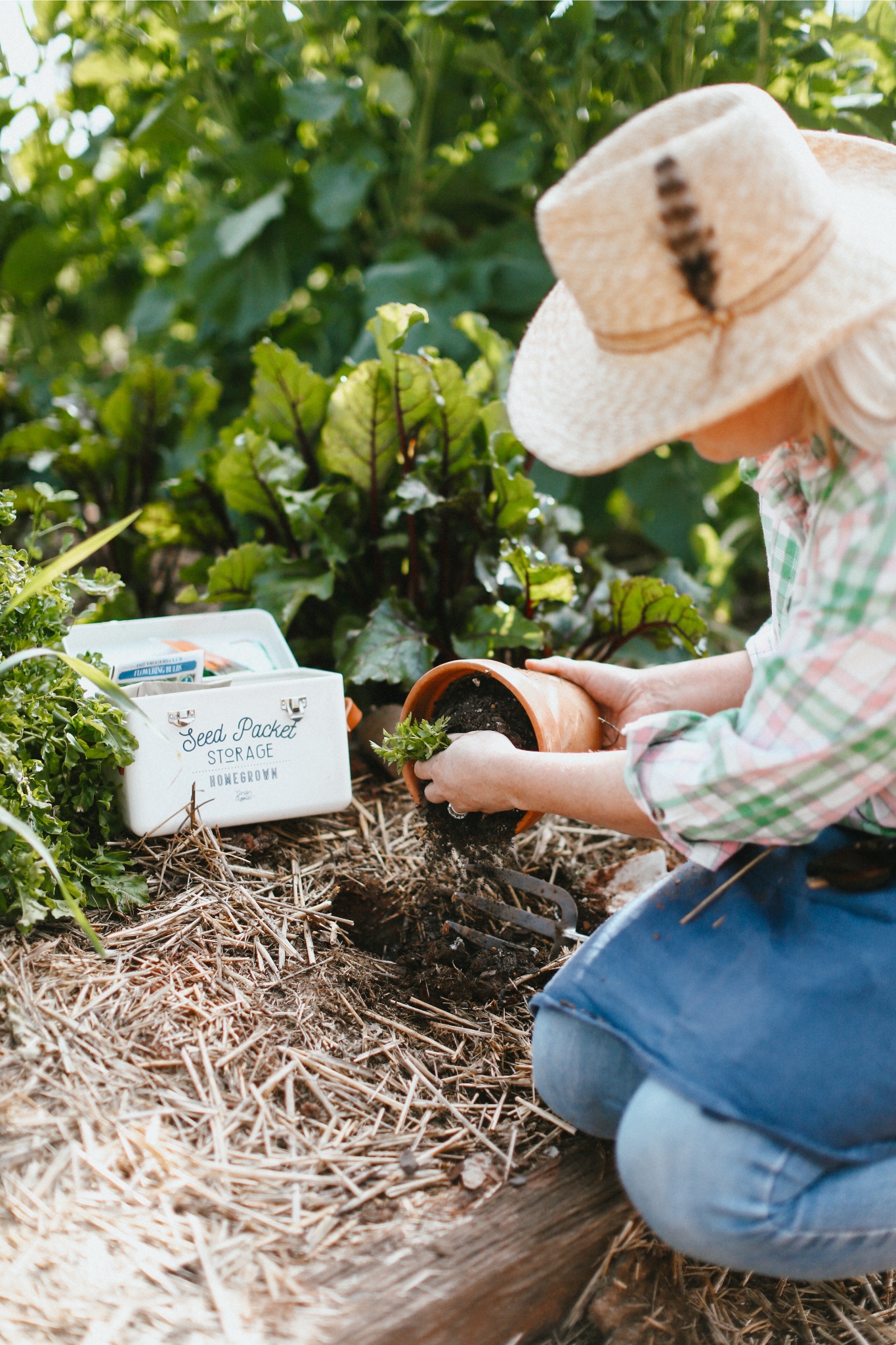
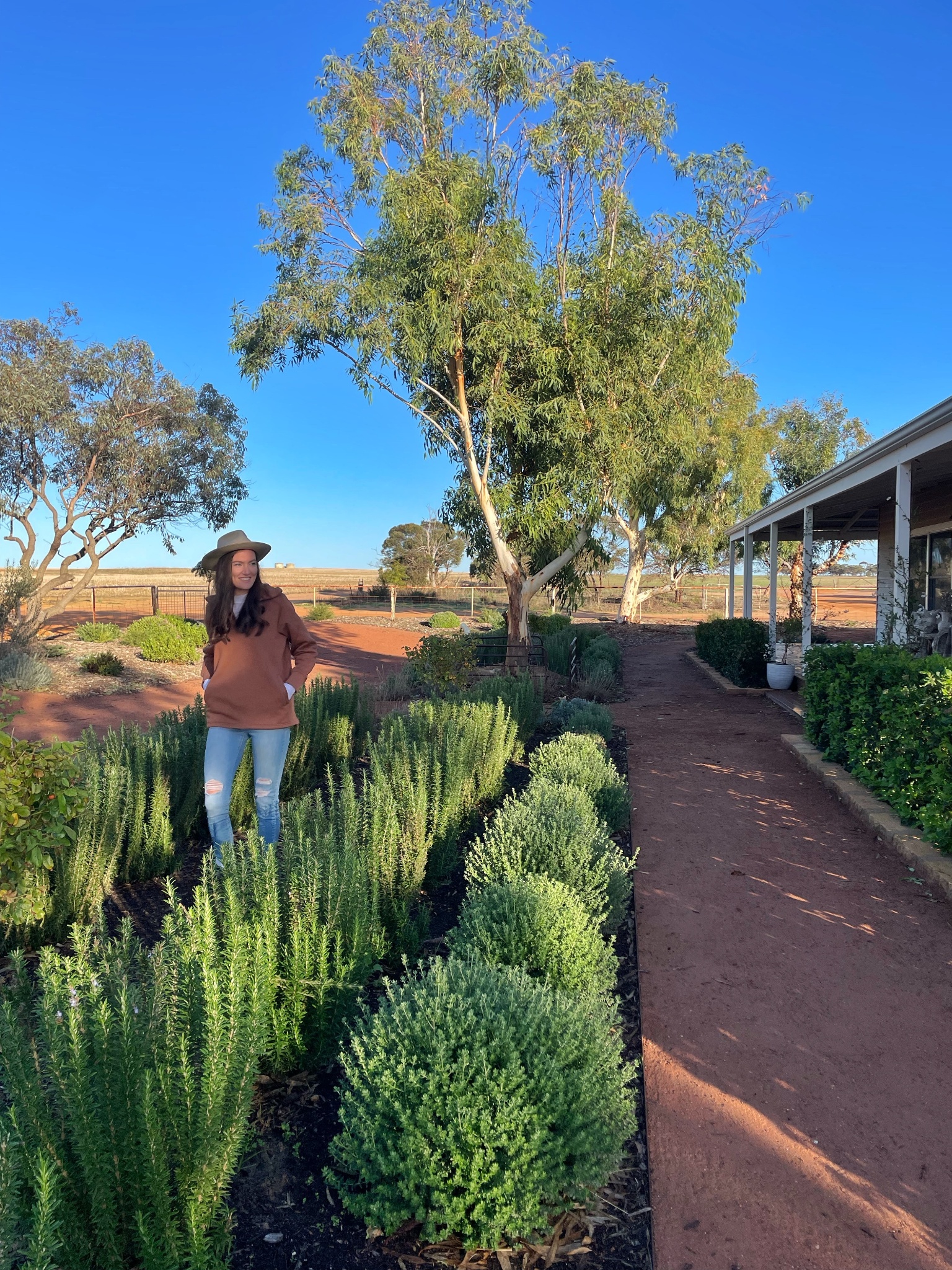
While the fragrance of a plant can evoke memories and stir the senses, there’s sentiment as well. Rosemary (Salvia rosmarinus) reminds me of Anzac Day marches in Gulargambone. Freshly cut from gardens, transported in cane baskets and pinned in a flurry of activity onto school kids and marchers. I love driving past neat memorials, hedged with rosemary. It is a great, hardy plant to have in the garden as well. I have planted a rosemary hedge close to the house, so that I can pick a sprig whenever I need it for dinner.
Locally, I’ve seen the lemon-scented gum used as a ‘legacy tree’: a gift given to mark a special occasion or in memory of a loved one. One friend has planted them on the occasion of each of her children’s christenings.
They are a fast-growing tree and the leaves give off a lemon–citronella aroma when crushed. The smell reminds me of mowing outside the garden fence in summer. I would love a driveway lined with these scented gums, similar to the one at Dame Elizabeth Murdoch’s Cruden Farm.
Not all scents are created equal: what one person may love, another might loathe. My mother removed all the murrayas from her garden because she couldn’t stand the smell when they were in flower, whereas I have murrayas throughout my garden.
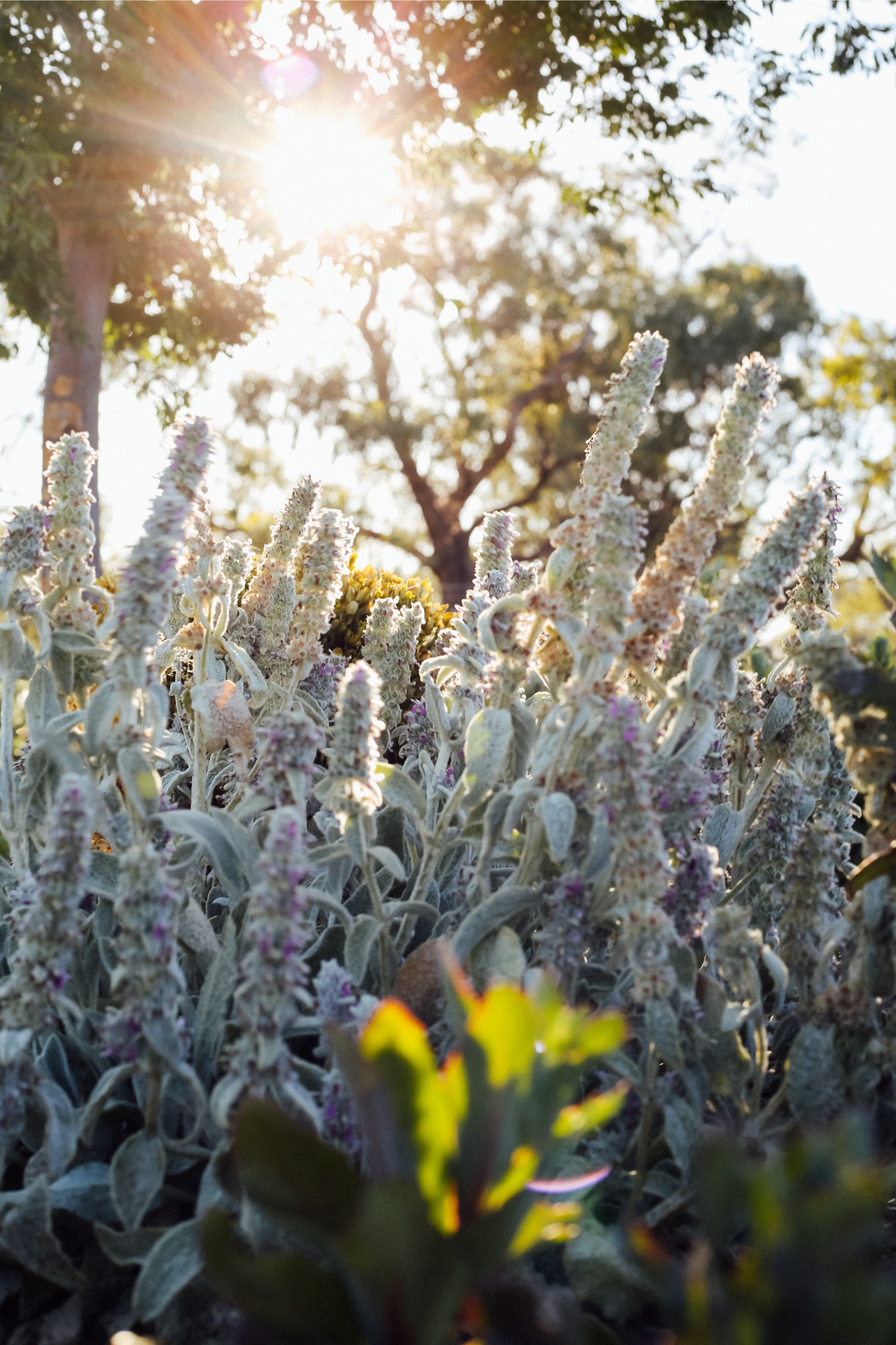
Some gardens are designed purely for a sensory experience, combining structured areas of paths, seating and rocks with carefully selected plants. These gardens invite you to explore and stimulate all the senses: not only vistas and colours for the eyes but, for example, the sound that grasses make when they rustle and move with the wind — to me this always sounds like a snake slithering — or the textures of soft lamb’s ears or spiky cacti. Then there are the scents to tantalise the nose. My preference is for the subtle perfume of sweet peas or the pungent odour that rises when brushing past a lavender bush; the romantic fragrance of roses or the fresh aroma of an apple-scented geranium.
So follow your nose and bring some scents into your garden.
Star Jasmine
(Trachelospermum jasminoides)
An evergreen climbing plant that flowers in late spring to summer. A great screening plant when grown over a support structure. Quick growing, to heights of 2–4m.
Roses
(Rosa spp.)
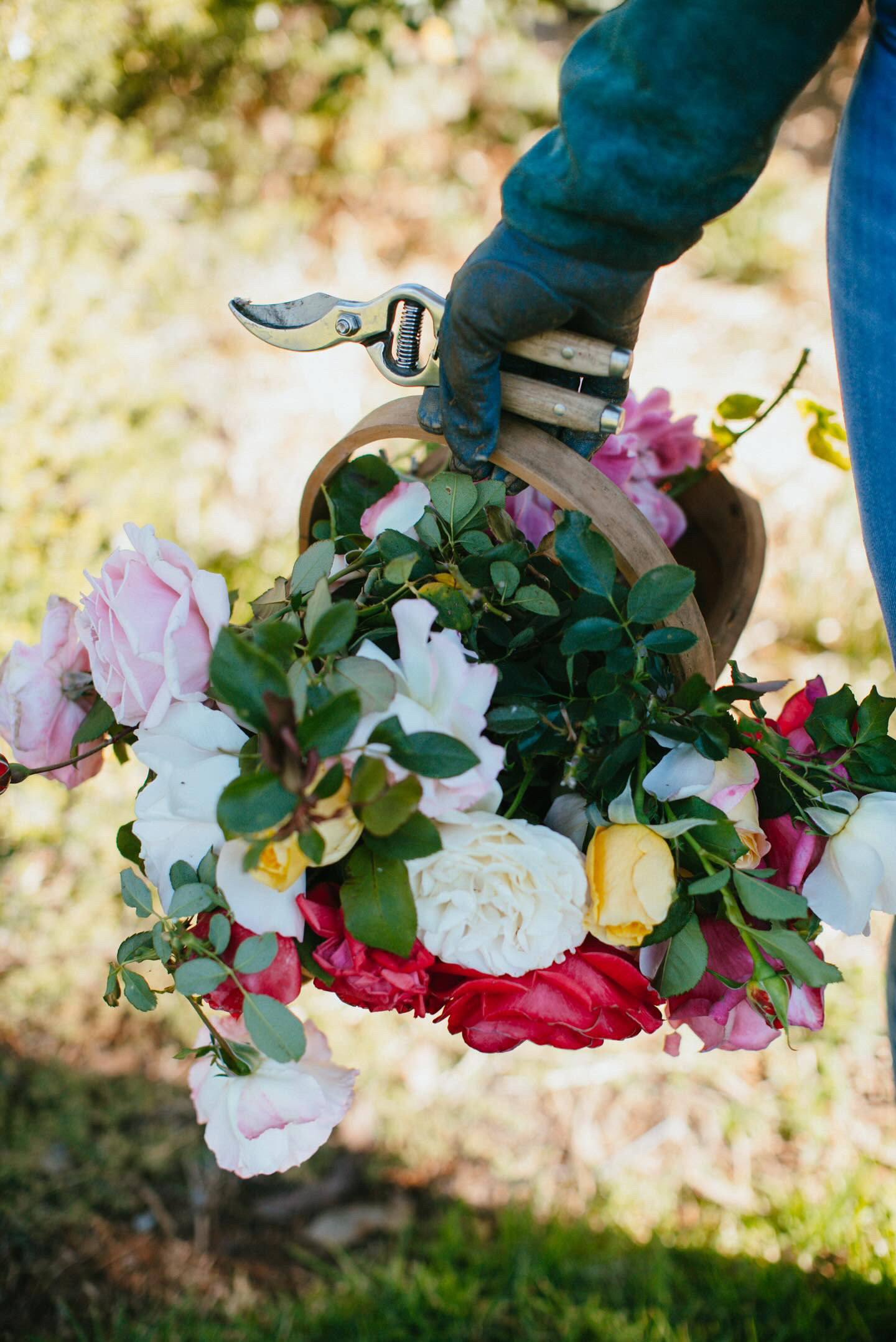
Roses love dry heat and some can tolerate bore water. They need at least six hours of sunlight per day. For fragrance, I love ‘Per-Fyoom Perfume’ hybrid tea roses, which grow to 1m high and 90cm wide.
Murraya
(Murraya paniculata)
A fast-growing hedge plant for warmer climates. Needs protection from frost in the first few years. Plant 80cm apart for a 1.5m-high hedge. Feed and trim in spring and autumn.
French lavender
(Lavandula dentata)
This plant thrives on neglect. It does well in my hot, dry summer climate. Plant in full sun. Deadhead to extend flowering. Grows to 1m x 1m.
Apple geranium
(Pelargonium odoratissimum)
This hardy, low-growing shrub has dainty light pink flowers and works as a pot plant or in the garden.
Lemon-scented gum
(Corymbia citriodora)
A fast-growing native tree, which can reach heights of up to 40m. Needs protecting from frosts while establishing.
Sweet peas
(Lathyrus odoratus)
A colourful annual flowering climber. Traditionally, plant seeds from Saint Patrick’s Day (March 17) until late autumn, after the weather cools down. Grows up to 2m on a trellis or structure.
Claire Austin runs the Gin Gin Garden Club, an online community. Follow her on Instagram @gingingardenclub
Like this article? Consider supporting independent media by subscribing to Graziher, or giving a gift subscription to someone special.
First step: make a plan and focus on one or two projects at a time.
Plus, the outback gardener shares her tips for new tools, hydrangeas and planting in spring.

Chris Ferguson says the new scholarship, supported by the Australian Rural Leadership Foundation, will continue her daughter’s legacy.
For Chris Ferguson, the grieving process has meant letting go of the life she and Matilda created together.
Gifted plants can become cherished reminders of significant events and may hold memories for generations, writes Claire Austin.
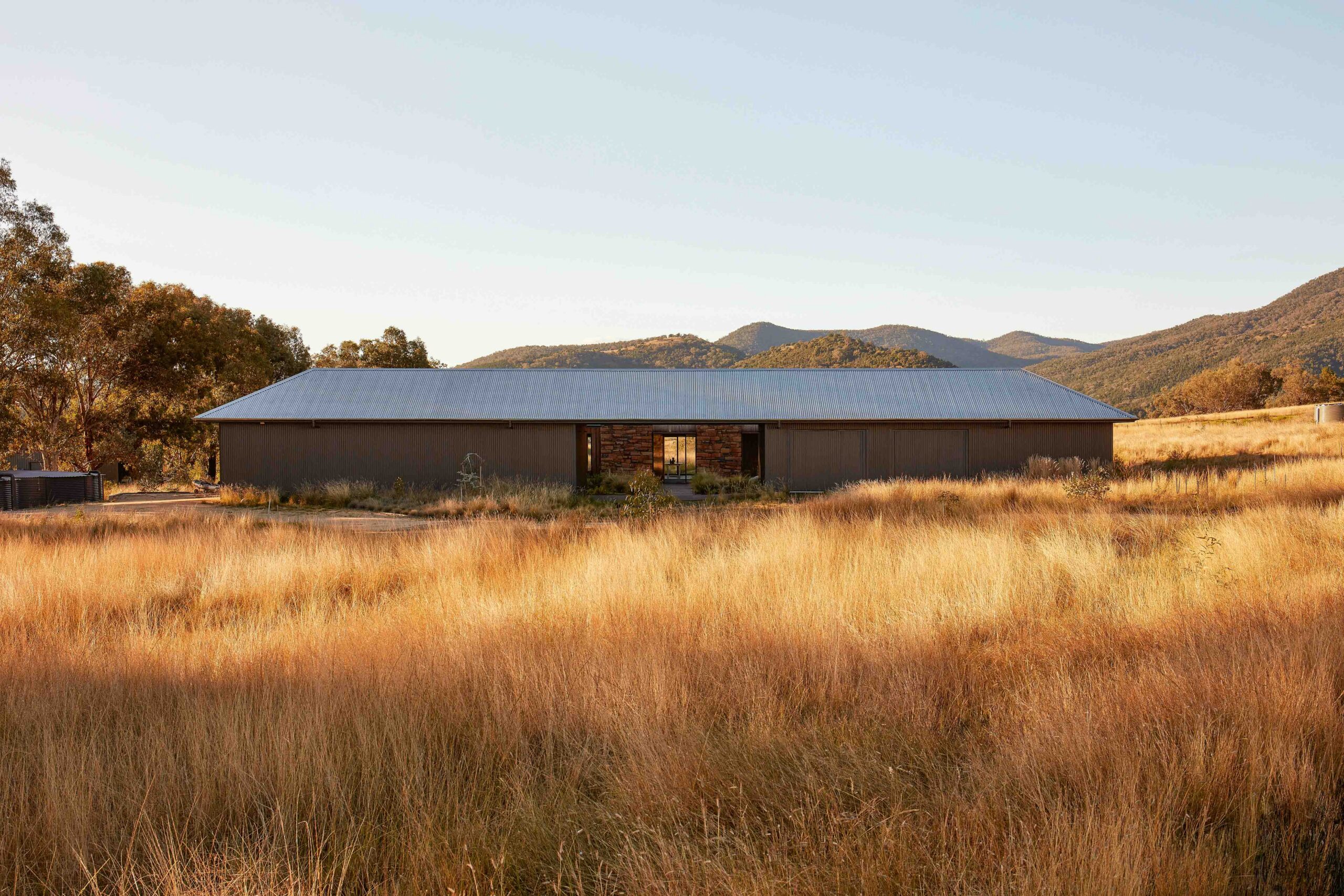
A harsh climate and a wish to blend in with the landscape inspired this energy-efficient contemporary home at Moore Creek, New South Wales.

Current custodian Penny Lamont says the heritage garden is designed for easy-care and dry times.