



PHOTOGRAPHY JAMEELA SKYE
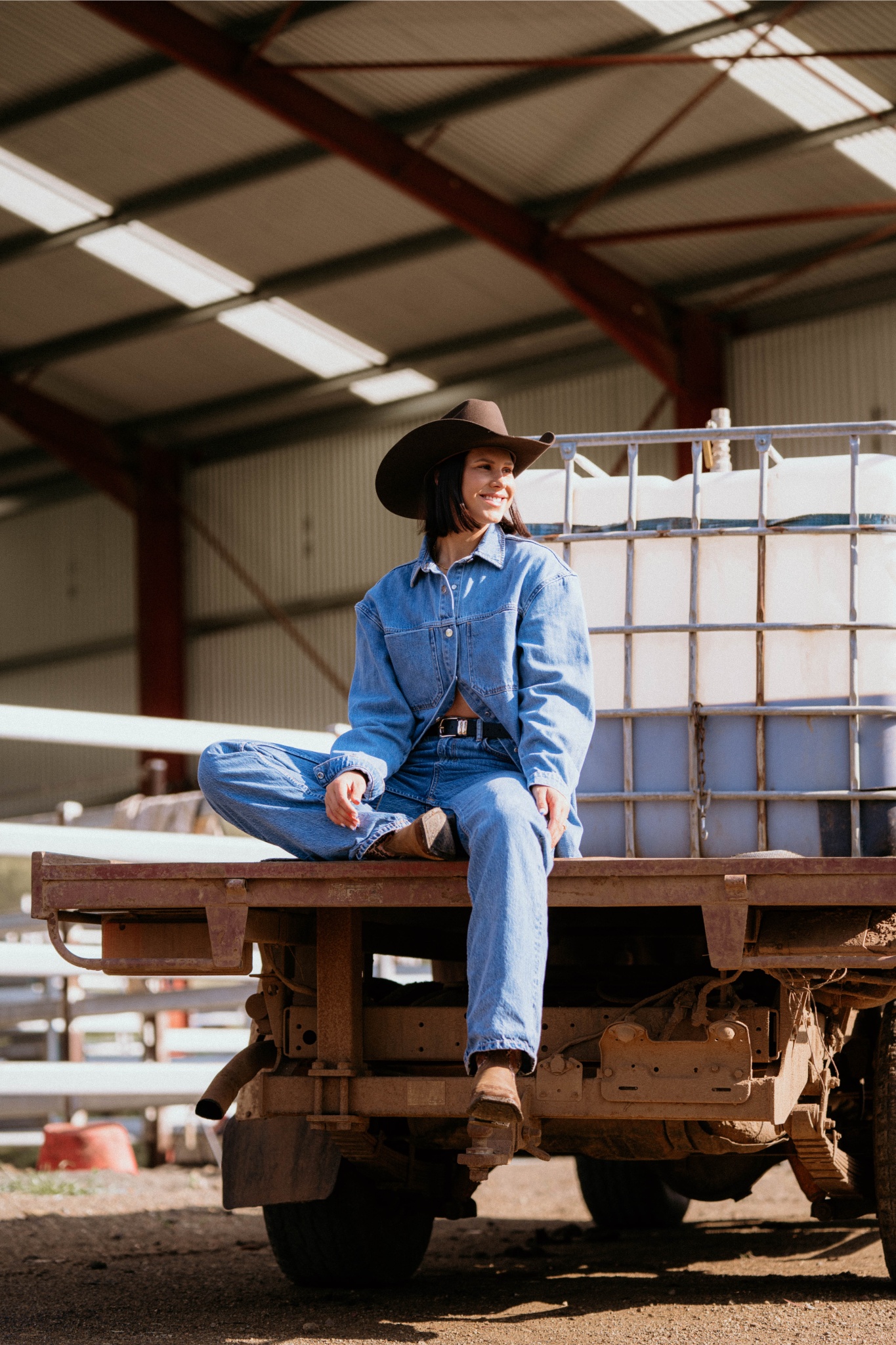
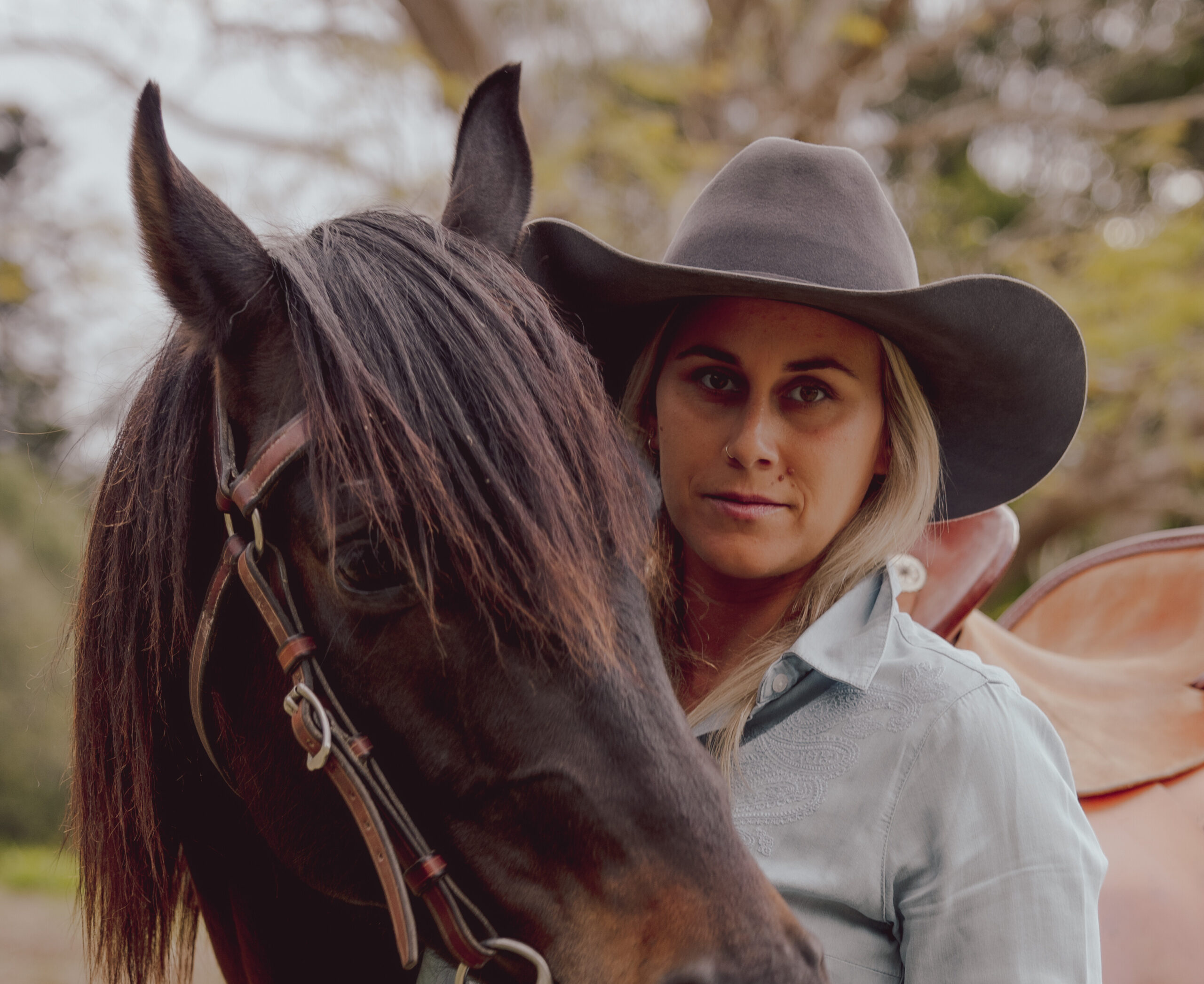
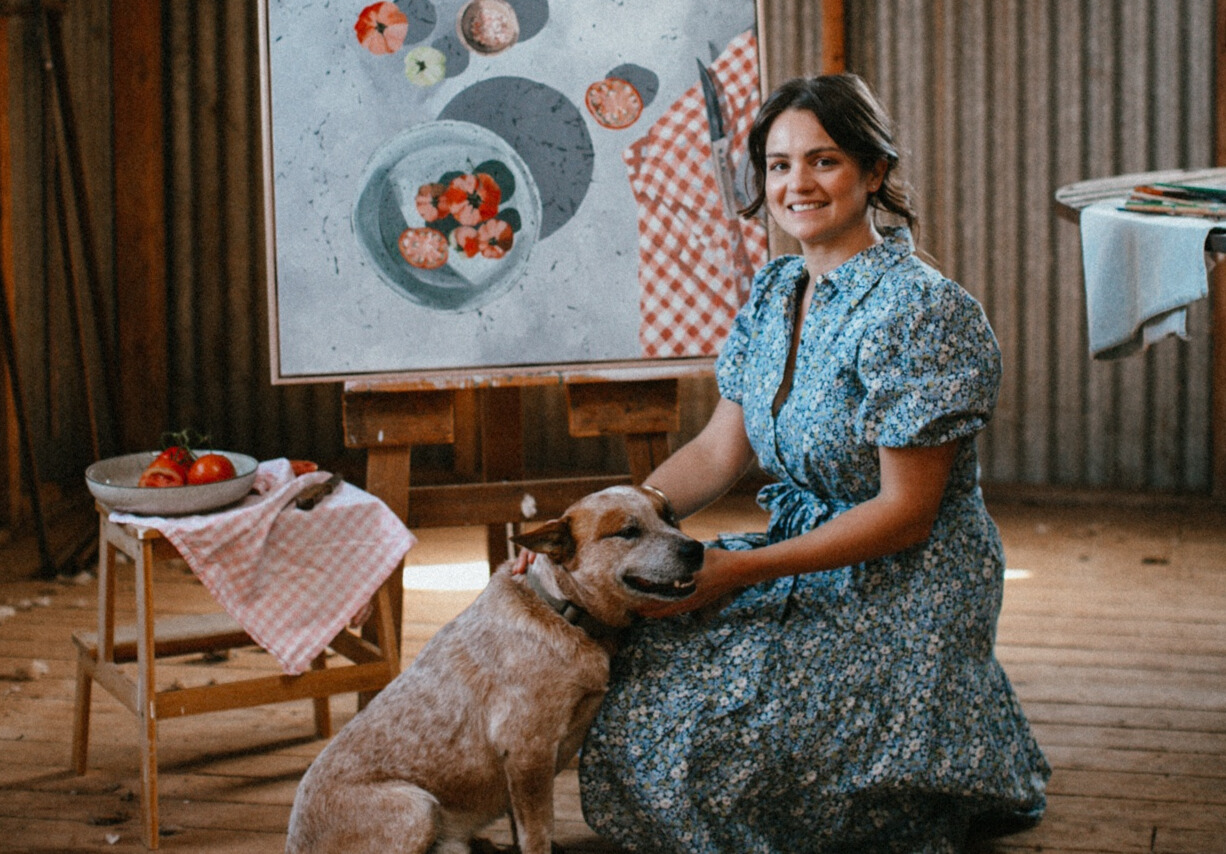
Medical student Kaitlin Brownhill relied on the Flying Doctors to back her up during her placement at remote Burketown.
Sign up to our mailing list for the best stories delivered to your inbox.

When Kaitlin Brownhill started her medical training, she had no idea she’d wind up in Mount Isa, Queensland. But she loved it — and now has her sights set on becoming a rural generalist.
WORDS EMMA MULHOLLAND PHOTOGRAPHY JAMEELA SKYE
PHOTOGRAPHY JAMEELA SKYE
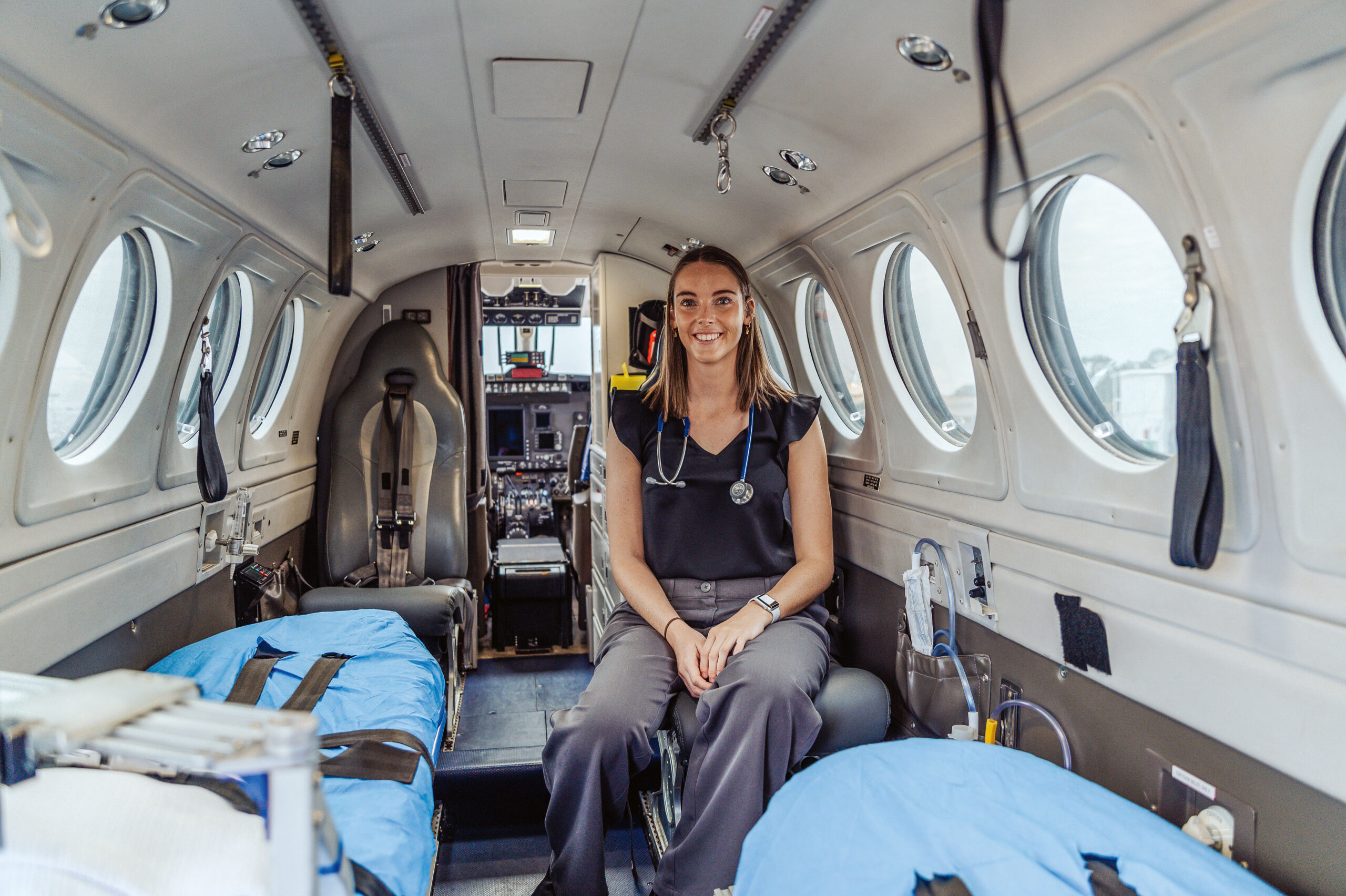
Medical student Kaitlin Brownhill relied on the Flying Doctors to back her up during her placement at remote Burketown.
“They think everything gets flown out to the big hospitals,” explains Kaitlin Brownhill, 22. In her experience, that couldn’t be further from the truth.
Last year, while on a placement in Burketown — a community on the Queensland–Northern Territory border in the Gulf of Carpentaria — Kaitlin faced a particularly dire situation. Two emergency patients had been rushed to the clinic: one with sepsis, the other having a heart attack. With a population of 200, Burketown has no doctors, and that night there was just one nurse practitioner and Kaitlin, a fourth-year medical student.
“I was essentially given a patient to look after while calling people and getting help,” she says, explaining that the Royal Flying Doctor Service (RFDS) is always on call and video technology provides access to specialists throughout the state. “To work at triaging and having two quite urgent cases at the same time in a community with no resources was probably the biggest learning opportunity I will have in my entire degree.”
For Kaitlin, who grew up in the suburbs of Brisbane, working in Burketown was a great experience, but it was also an alarming one — an indication of the desperate need for health professionals in these parts.
Now she’s at Mount Isa, working in a well-equipped hospital that services Queensland’s north west and the Gulf. More than 21 per cent of locals are Aboriginal and/or Torres Strait Islanders, and Kaitlin admits she’s been floored by the health disparities.
“The presentations you see here are way more severe [than at a city hospital] because people don’t seek healthcare when they should,” she says. “They can’t, because the wait times for GPs are so ridiculous.” In Mount Isa, which has a population of almost 19,000, there are just three permanent general practitioners.
“We have patients dying from diabetes in their twenties,” she says, “and it’s normalised for people to be dying from kidney disease and to be on dialysis at the age of 30 or 40. That’s not normal in cities — you wouldn’t dream of it. It would have been stopped way before it got to that point.”
When it comes to accessing healthcare, many patients face cultural barriers as well as logistical ones. Someone with a higher-risk pregnancy, for example, might be expected to stay in Mount Isa for several weeks prior to their due date. The same goes for those living in the Gulf communities, where there are no birthing services. It’s an expensive (albeit subsidised) journey, which can be all but impossible for someone with other kids to care for.
“It’s also removal from Country,” says Kaitlin, who’s currently in the obstetrics and gynaecology ward. “People don’t want to be forced to come here at 36 weeks, so they’ll just wait until they’re giving birth at 39 weeks, and they haven’t seen a doctor the entire time. Being removed from their community and the people they know can be quite traumatic.”
PHOTOGRAPHY JAMEELA SKYE
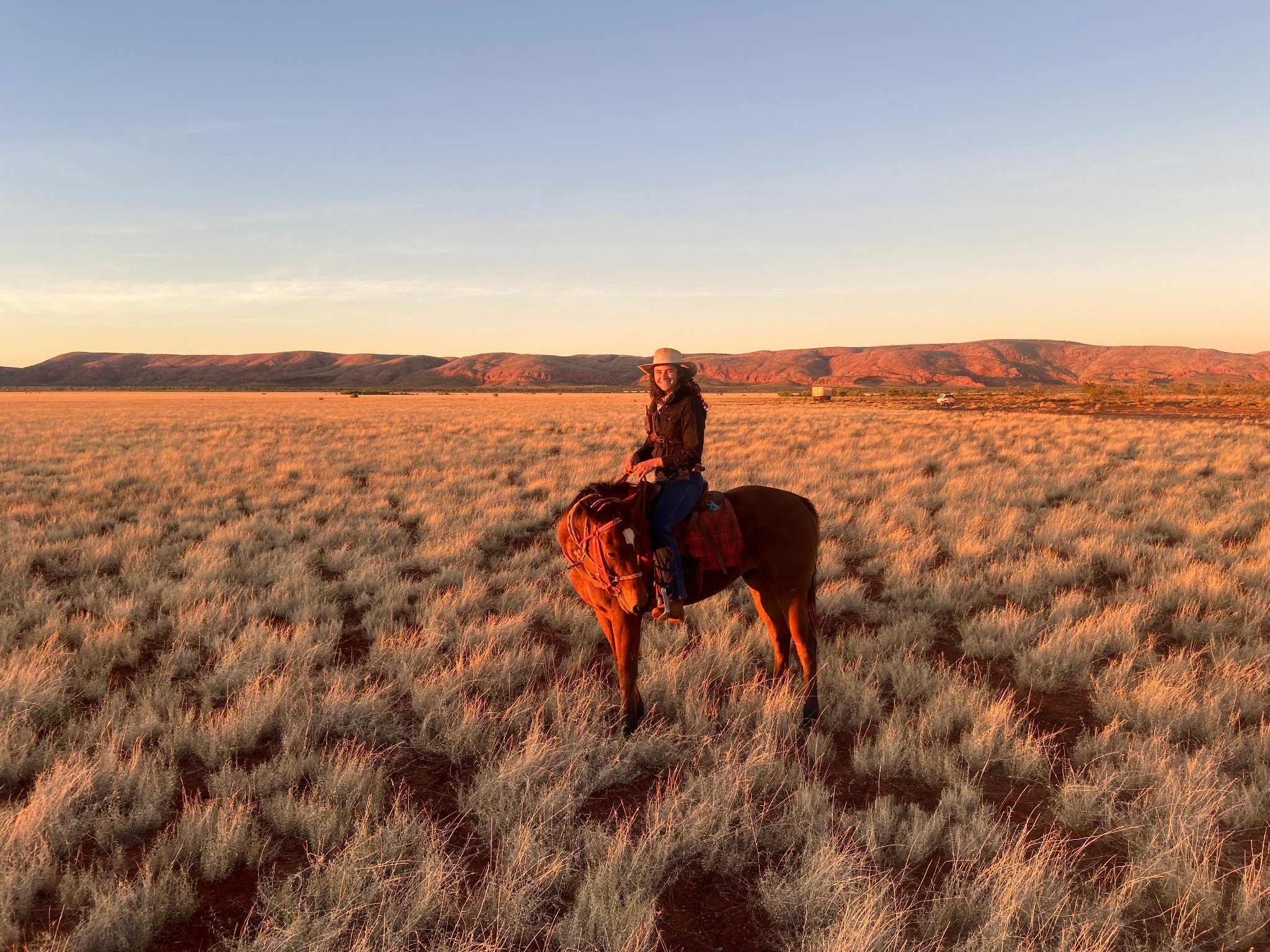
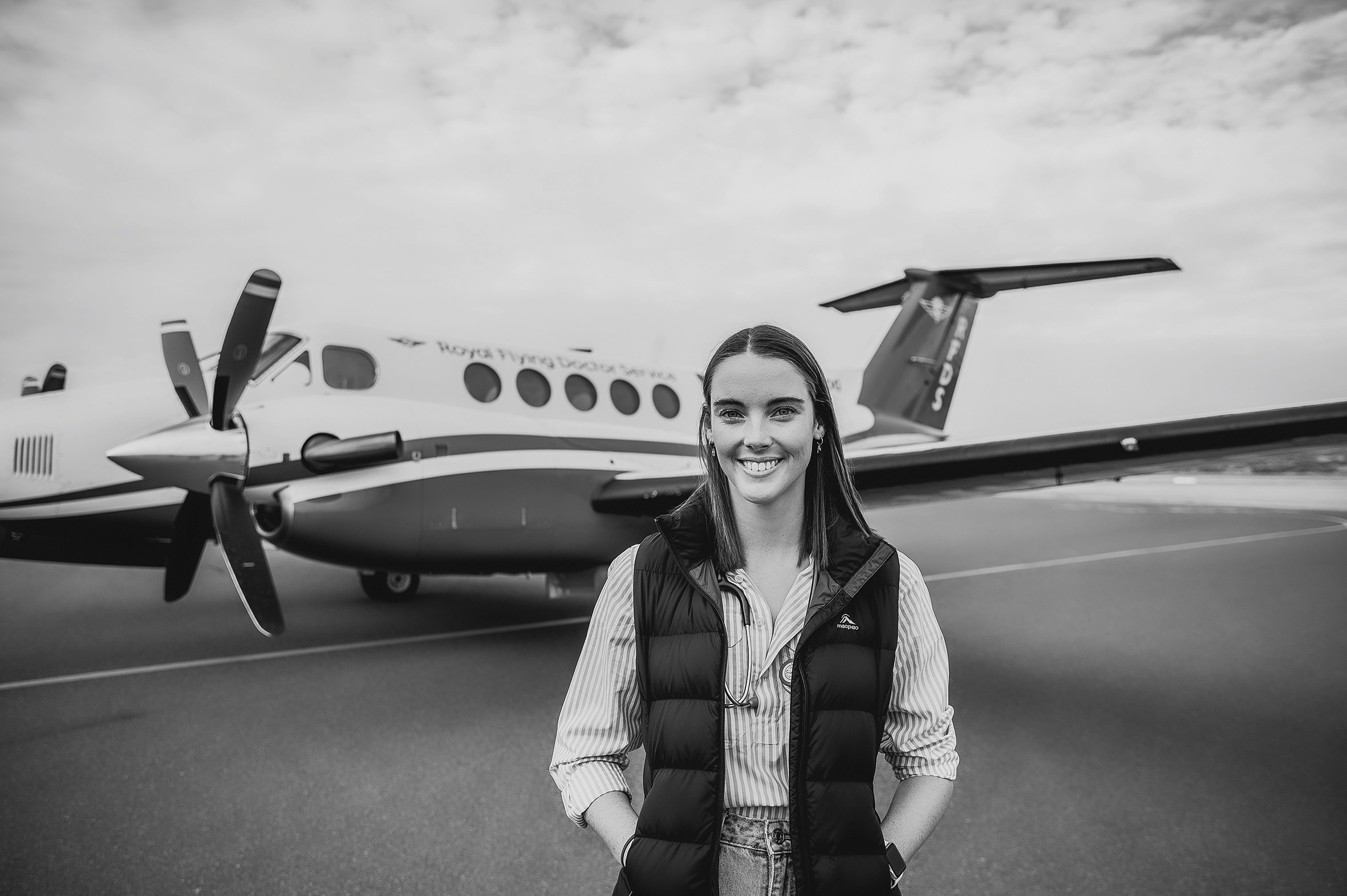
Combined medical training with the RFDS offers experiences Kaitlin would never receive in a city hospital.
When Kaitlin arrived in Mount Isa as part of her studies at James Cook University, she planned to do six weeks and move on. But she fell for the place and asked to come back for three months. Then, after a few weekends of rodeos, races and camping trips, she extended her stay to the maximum six months.
Now Kaitlin has her sights set on an initiative launching in 2025, which will give her a chance to work with the RFDS more permanently. Roles with the Flying Doctors rarely come up, and junior doctors are at the bottom of the list. But under a shared workforce initiative in North West Queensland, Kaitlin would have the opportunity to work more closely with the RFDS while also gaining specialist experience at Mount Isa Hospital.
She’d graduate as a rural generalist, which means she’d be a qualified GP and also have skills in one or two specialist areas. She explains: “You might be a rural generalist with a special skill in obstetrics and gynaecology, which means you’re qualified to deliver babies in a rural area.”
It’s a big commitment, mostly because the specialist skills aren’t transferable: in cities, people are trained in “subspecialties of subspecialties”, Kaitlin says, which means there’s always a more qualified specialist on hand. It also means Kaitlin’s mum has had to come to terms with the fact her girl is not coming back to the ’burbs.
For Sean Birgan, Chief Executive of the North West Hospital and Health Service (NWHHS), Kaitlin’s plans come as welcome news — but no big surprise.
Right now, fly-in fly-out workers are easing staff shortages in the region and federal government incentives are helping; however, Sean wants a more permanent arrangement. Ultimately, he’d like his staff to stay in these remote communities because they love being there.
He’s been working with the RFDS to implement the shared workforce initiative, in a combined program that could become a model for other remote corners of the country. The NWHHS has also invested $15 million into staff accommodation, and is rolling out satellite internet and improving staff safety with better lighting and infrastructure.
What’s really important, says Sean, is giving young professionals a taste of life beyond the big smoke. “I don’t think we’ve promoted ourselves very well,” he says. “We need to get young docs and trainees out here to see what’s on offer, which is just amazing: outside of healthcare, there’s the social scene, sporting opportunities, opportunities for kids, multicultural festivals and, of course, the landscape, which is just unbelievably beautiful.”
On that subject, Kaitlin agrees. “Universities have to send students to rural and remote communities,” she says. “For one thing, they’ll get better hands-on experience. And they’ll actually get to talk to patients and see what life is like when you’re hours away from the nearest health clinic or hospital.
“But also,” she adds, “you have to live in the community and see what these people are like, because they’re just so welcoming. Out here, people will stick their neck out for you and they’ll do everything they can to make sure their students come back.”
For information, visit northwest.health.qld.gov.au.
Subscribe to Graziher and you’ll never miss an issue of your favourite magazine. Already a subscriber? Consider gifting a subscription to someone special in your life.
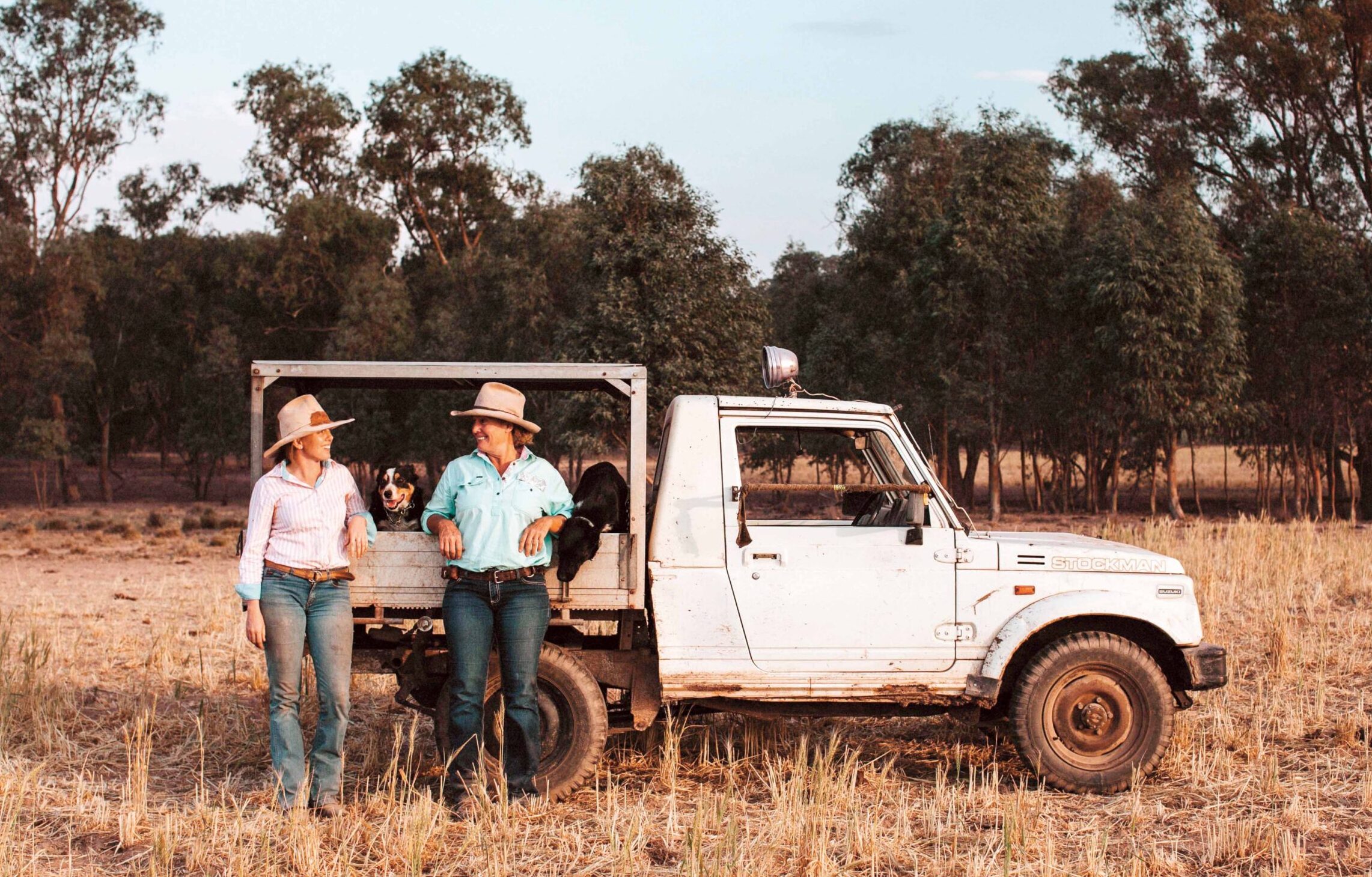
Chris Ferguson says the new scholarship, supported by the Australian Rural Leadership Foundation, will continue her daughter’s legacy.
For Chris Ferguson, the grieving process has meant letting go of the life she and Matilda created together.
Chris Ferguson says the new scholarship, supported by the Australian Rural Leadership Foundation, will continue her daughter’s legacy.
For Chris Ferguson, the grieving process has meant letting go of the life she and Matilda created together.
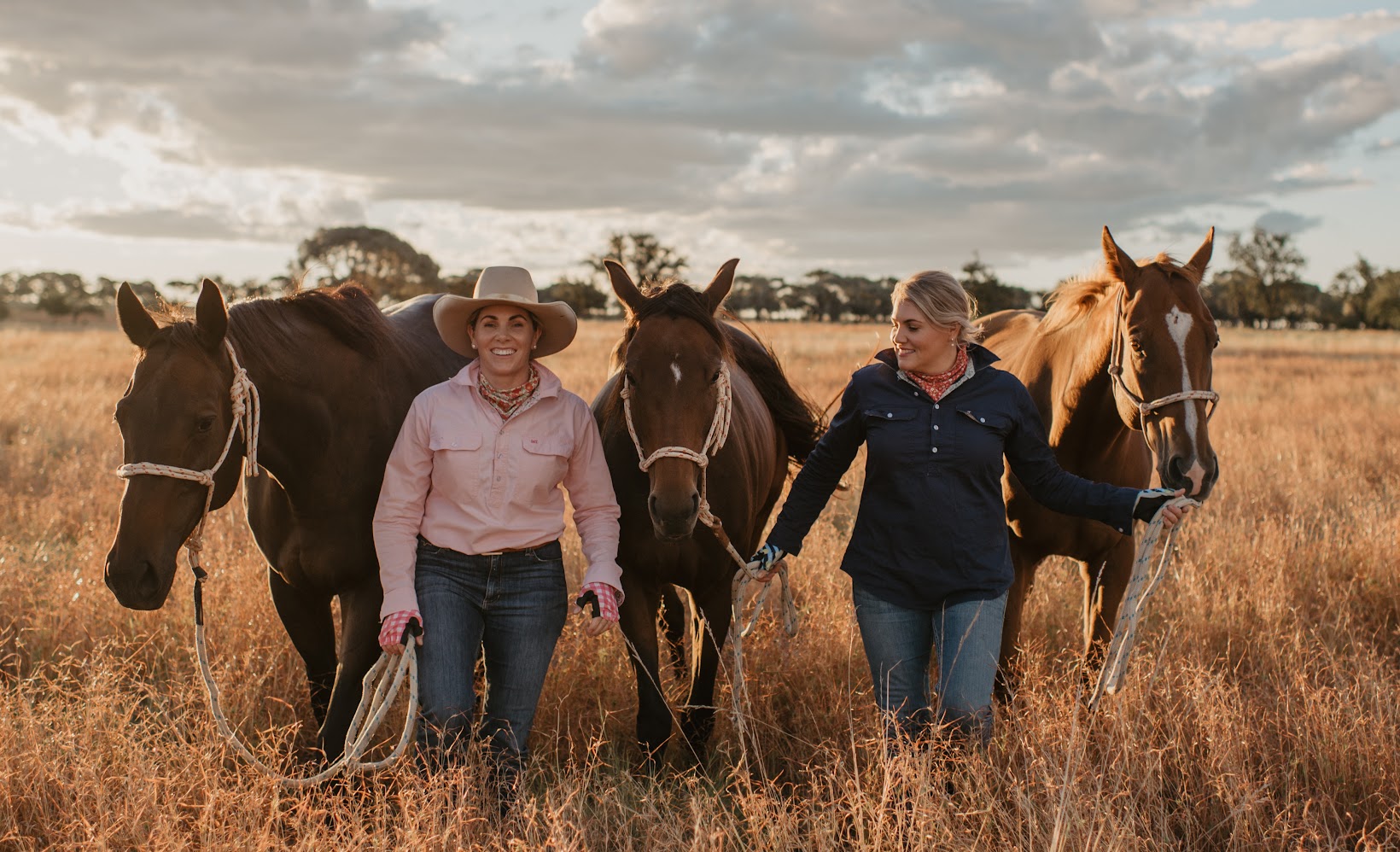
Working with her sister, Angie Nisbet produces fun work gloves that offer serious sun protection. She’s just been named the Queensland winner of the AgriFutures Rural Women’s Award.

