Sign up to our mailing list for the best stories delivered to your inbox.

Take advantage of the cooler temperatures and slower growth, writes Claire Austin.
WORDS CLAIRE AUSTIN
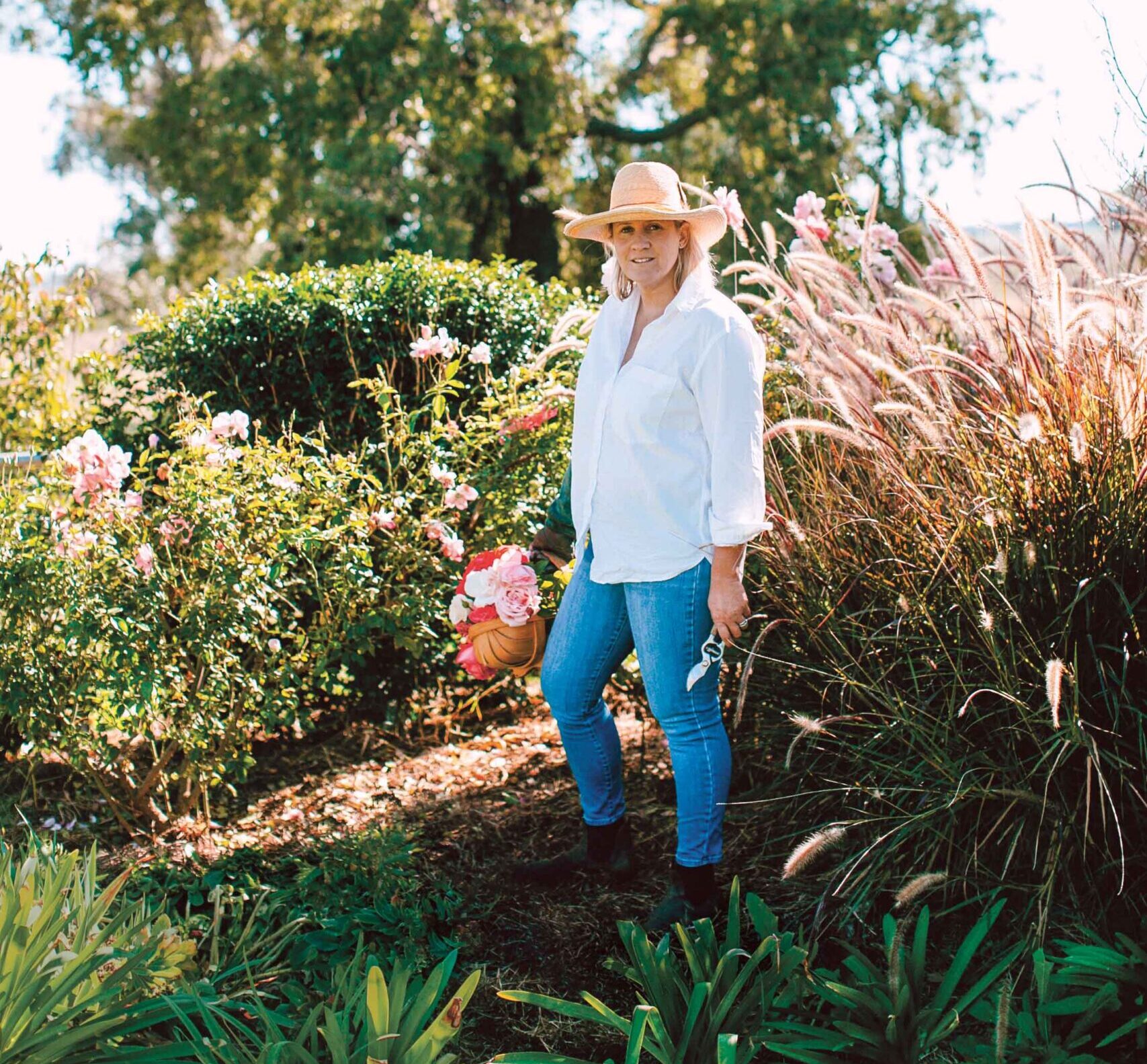
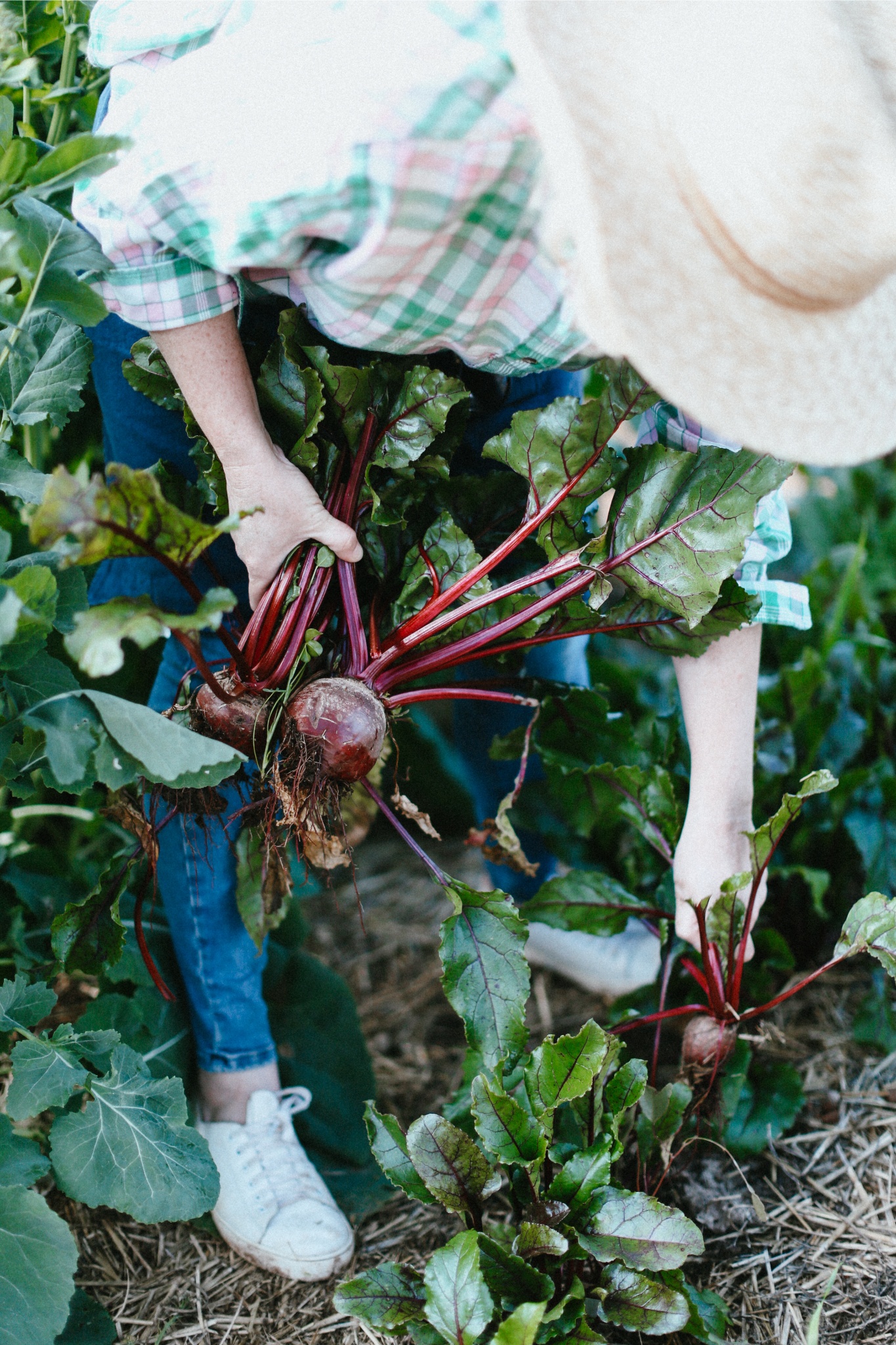
They say change is as good as a holiday. In your home, rearranging furniture can make a space feel more cosy, bigger or just different. Shifting a big piece of furniture can change the way we use a room, without having to buy anything new — it is such a simple and easy fix.
Out in the garden, things feel a bit more permanent. A garden needs to be more planned and it takes more time to see results. It might take five years to work out that plants are spaced too close together or too far apart; it’s hard to visualise the outcome when you’re planting something that might mature in 20 years.
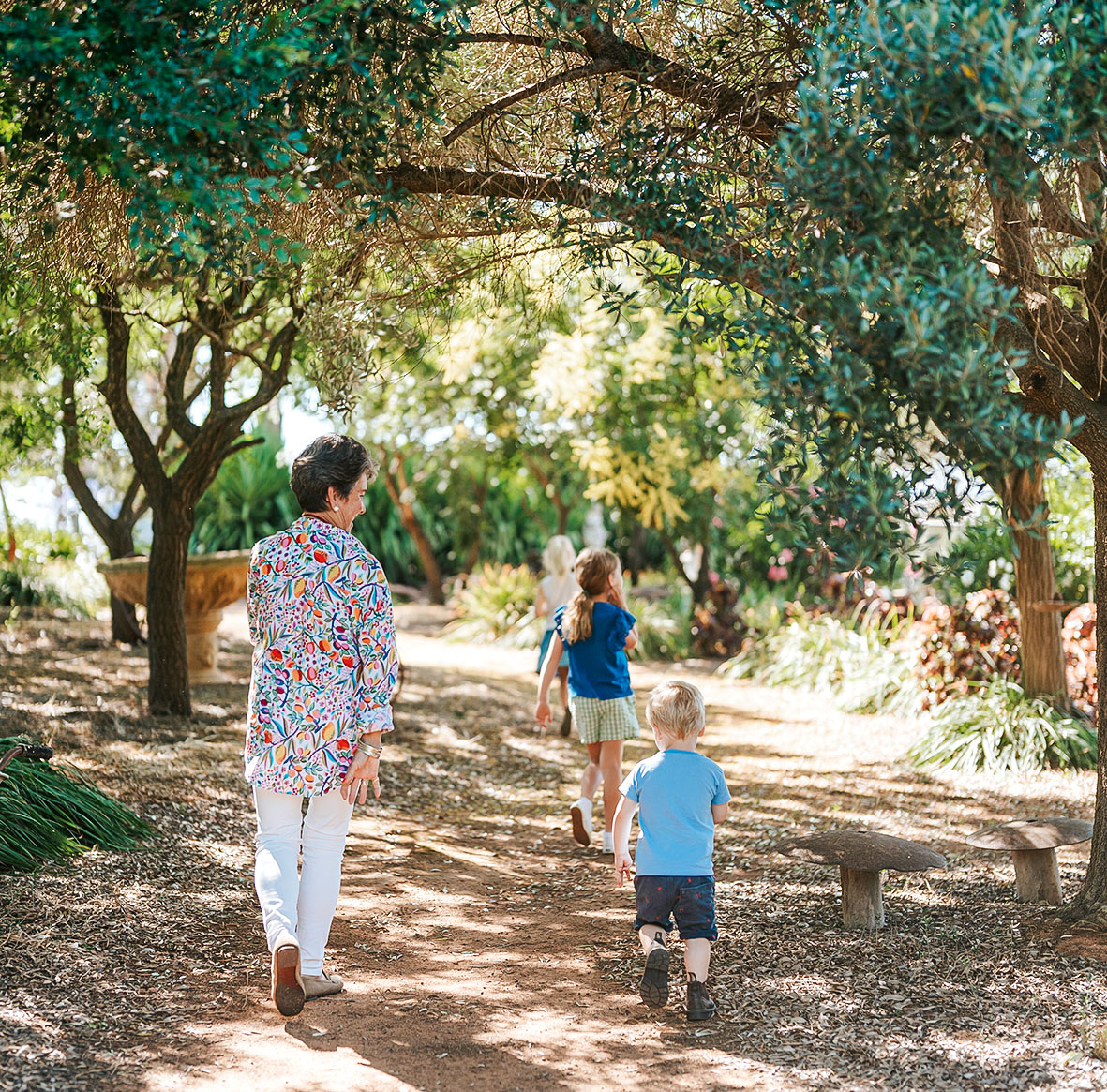
I treat winter in the garden as a time to ‘move the furniture’ and make the easy-fix alterations that change the way we use the space. Last year, I added a gravel path and outdoor area to a garden space that wasn’t used often. Before, I had no reason to visit that corner of the garden, and the heavy clay soil meant that plants often became waterlogged and died if we had a wet season. With the shade of some ironbark trees protecting the area from the western sun, we decided to make it a relaxation zone.
Suddenly there was a reason for us to visit the space as well as a focal point for the south-western side of the garden. It feels more inviting and there is an element of intrigue as visitors wonder what’s down the garden path. Not to forget the interest created by adding a different textural element to the garden. With my husband’s handy welding kit and general farming skill set, it was a project we were able to complete ourselves over a couple of days. I had the task of wheelbarrowing the gravel in.
Transplanting plants can improve your garden’s layout and improve the plants’ health by putting them in a better position. Care needs to be taken to ensure that the roots are disturbed as little as possible, so dig wide and deep. Plant into a prepared spot, where the newcomer will receive adequate sun, nutrition and water. Make sure the plant is kept moist, but not wet, as it settles into its new home with a blanket of mulch.
When selecting plants to move, the younger, the better. I would avoid moving large shrubs or trees; more likely transplant candidates might be Japanese buxus rather than an established murraya hedge.
Move roses in late winter, when they are dormant and before the new growth occurs. My sister-in-law Bec, who lives just down the road from me, recently moved some roses from a spot that was too shady. They had been there for 30 years. Perhaps they once received adequate light, but as the garden grew the spot became too shady. After pruning them, she moved them to the other side of the house, where they get more sun. Last summer the roses were spectacular, clearly loving their new, sunnier spot.
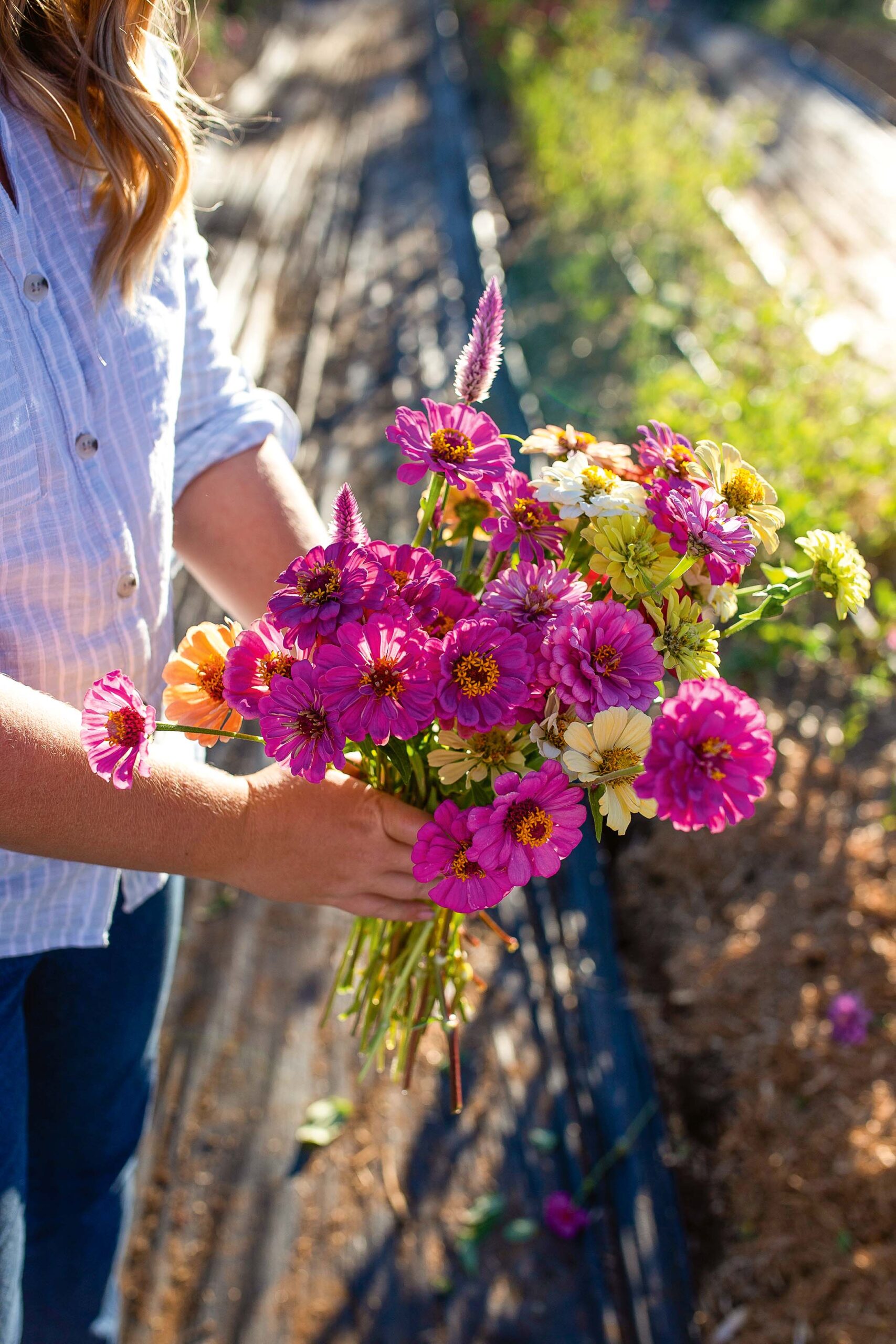
I like to plant my perennials — such as Russian sage, agastache, salvia and Sedum ‘Autumn Joy’ — in groups of five, in a zigzag formation. This has the effect of drawing the eye and making more of an impact than if they were planted singularly.
I find that perennials look much better when planted in groups. To get more bang for your buck, existing plants can be divided and transplanted. Someone recently described a perennial bed to me as looking like hundreds and thousands, all interspersed with each other and none of the plants standing out. Grouping them in drifts and swathes creates a more satisfying look.
Is it time for a change in your garden? Nothing beats the determination of a woman moving furniture (or plants).
Timing
Plan any transplanting for when the weather is mild, ideally just before rain.
Preparing
Ensure appropriate conditions such as soil, sunlight and water exist in the new site. Add compost and organic fertiliser to the soil and dig the hole.
Removing
Water the plant the day before digging it up. Dig wide and deep around the plant to reduce disturbance to its root system.
Transplanting
Get the plant into the prepared hole as soon as possible. Water it well.
Mulching
Add a layer of mulch to reduce competition from weeds and water loss from evaporation. I like to use lucerne mulch.
Watering
Continue to water for a few weeks to avoid transplant shock and help the plants establish in their new position.
Claire Austin runs the Gin Gin Garden Club, an online community. Follow her on Instagram @gingingardenclub.

Fill hungry bellies with Jane Smith's caramel shortbread slice, flourless orange muffins, apple and berry pudding, and campfire hot chocolate.
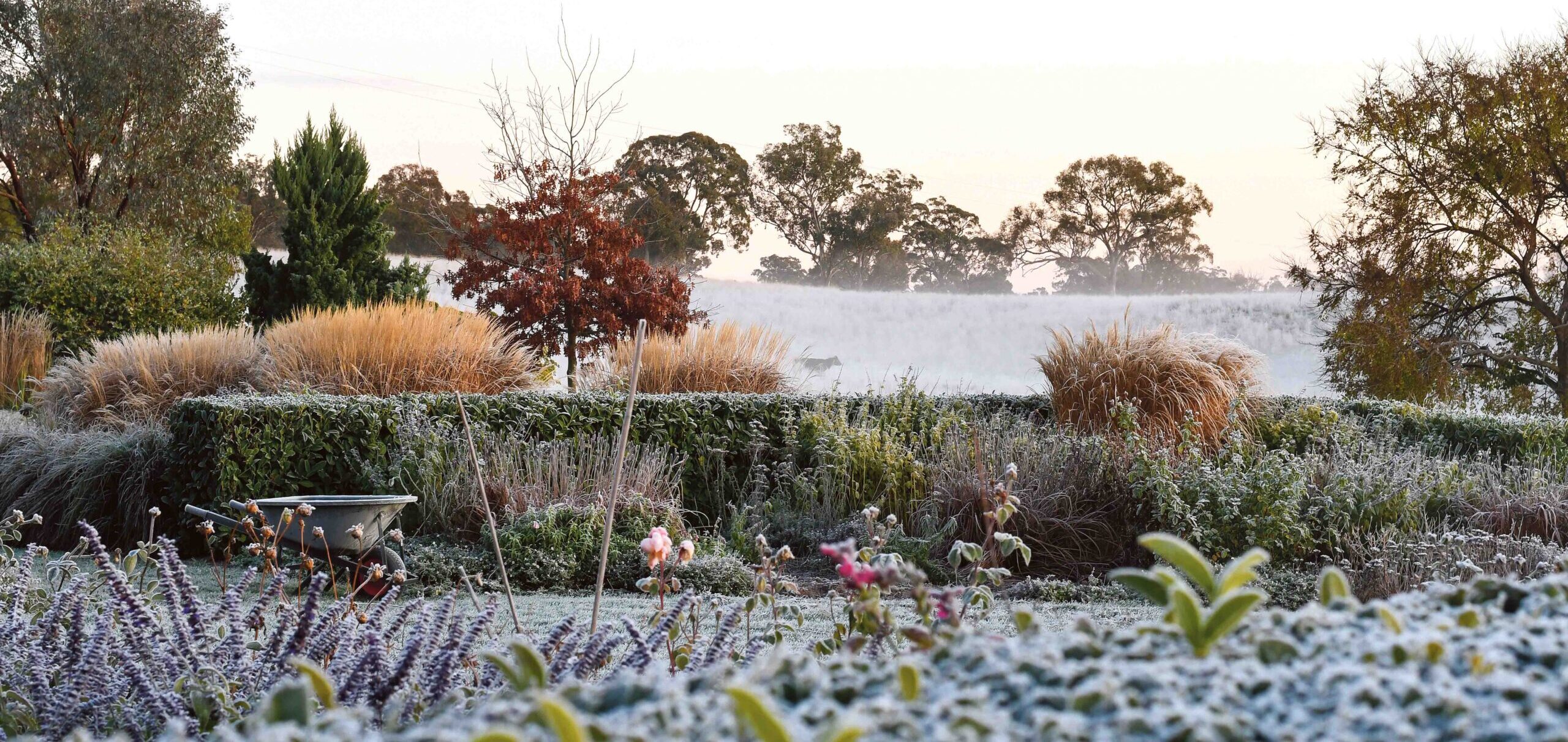
Colleen Southwell finds comfort in the small surprises of a winter garden.
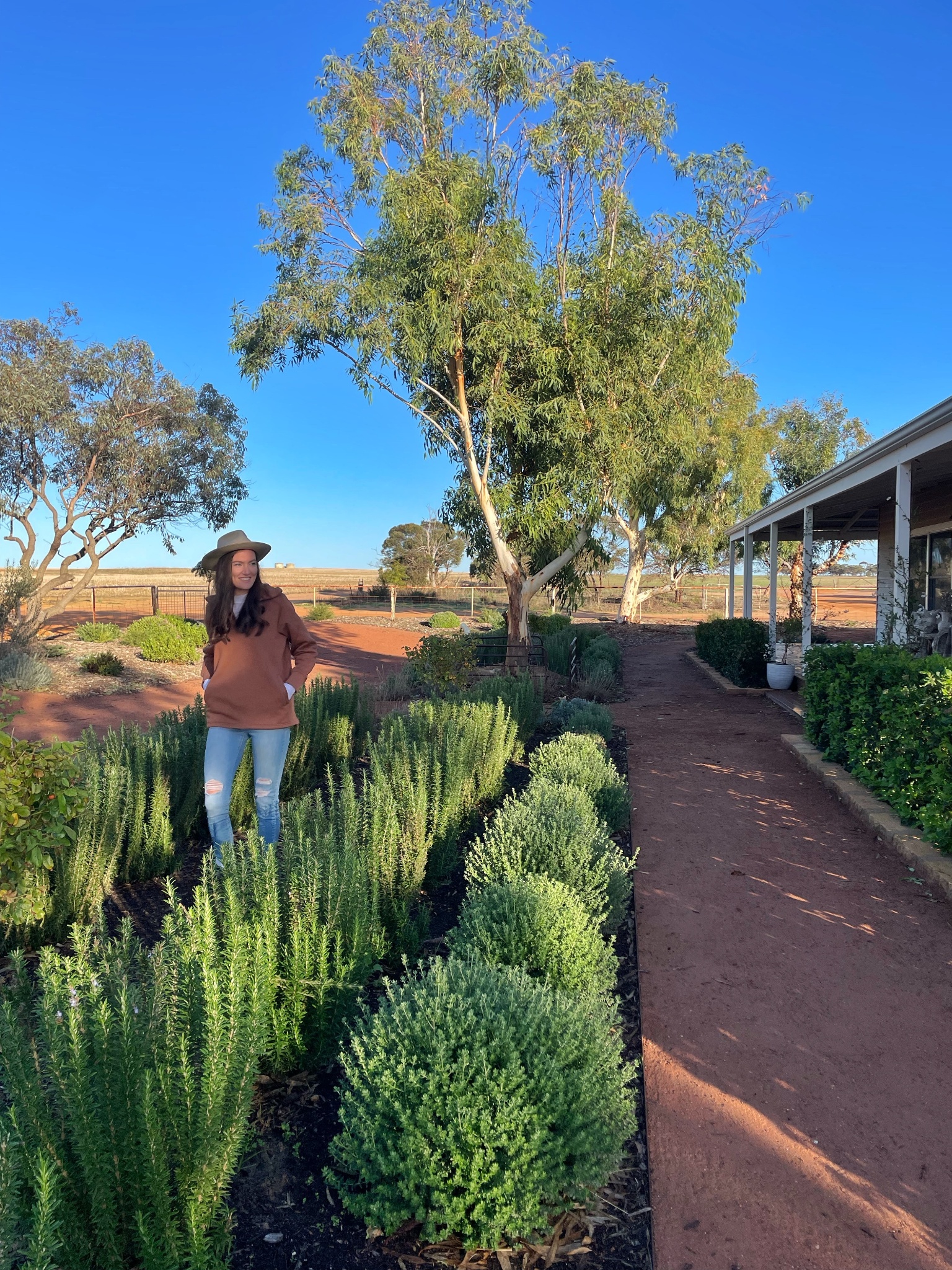
First step: make a plan and focus on one or two projects at a time.

A designer, consultant and store owner, Bec Fing says the secret to “having it all” is hiring the best in the business.
Take advantage of the cooler temperatures and slower growth, writes Claire Austin.
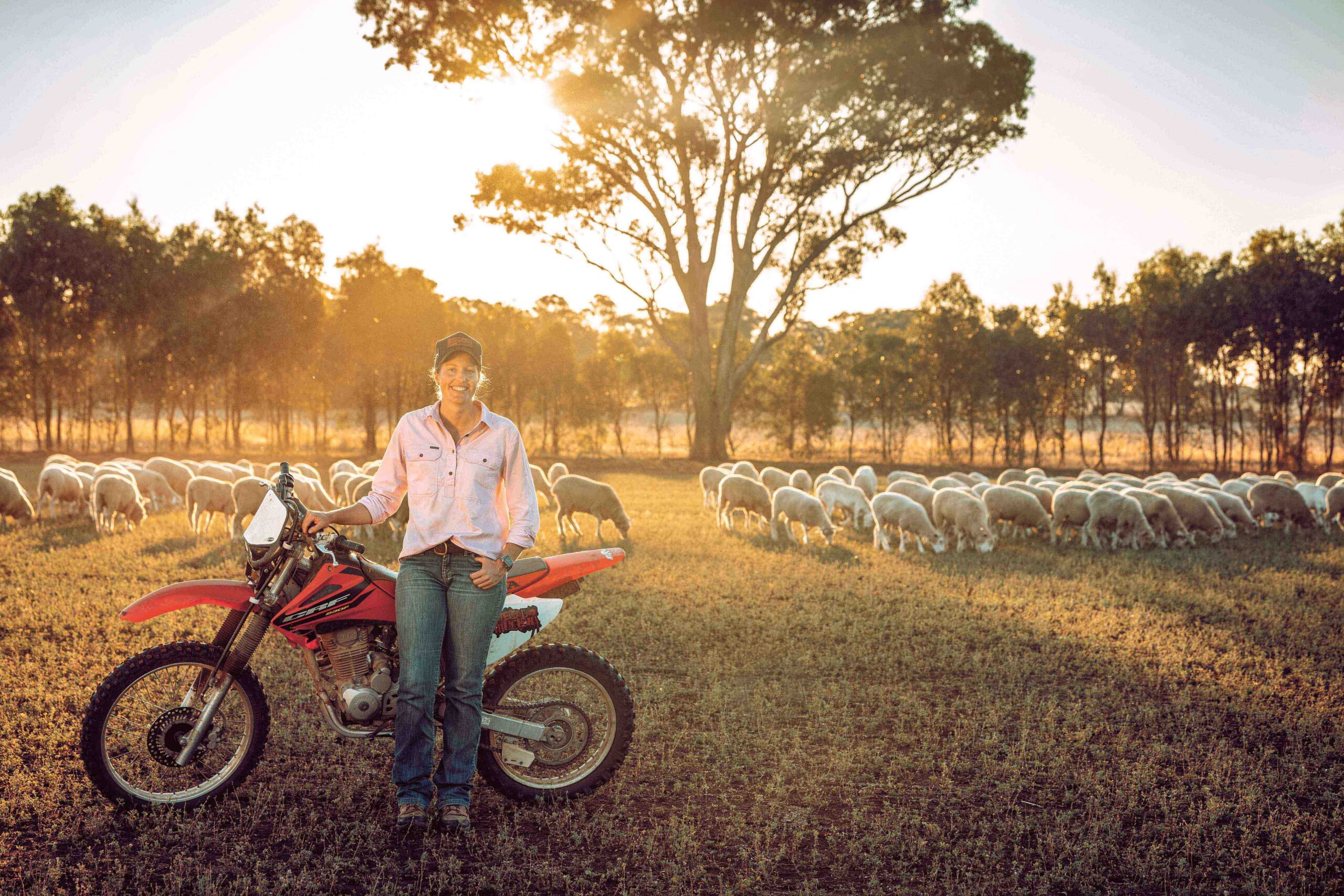
Having worked on farms for most of her life, Caitlyn knows what it takes to run a successful agribusiness in the Riverina.

She shares her baking tips with Jane Smith, plus recipes for “radio” biscuits, berry jam and honey joys.

A country show veteran and CWA president, Amanda Colwell knows what it takes to bring home the champion rosette.