




PHOTOGRAPHY JANE SMITH
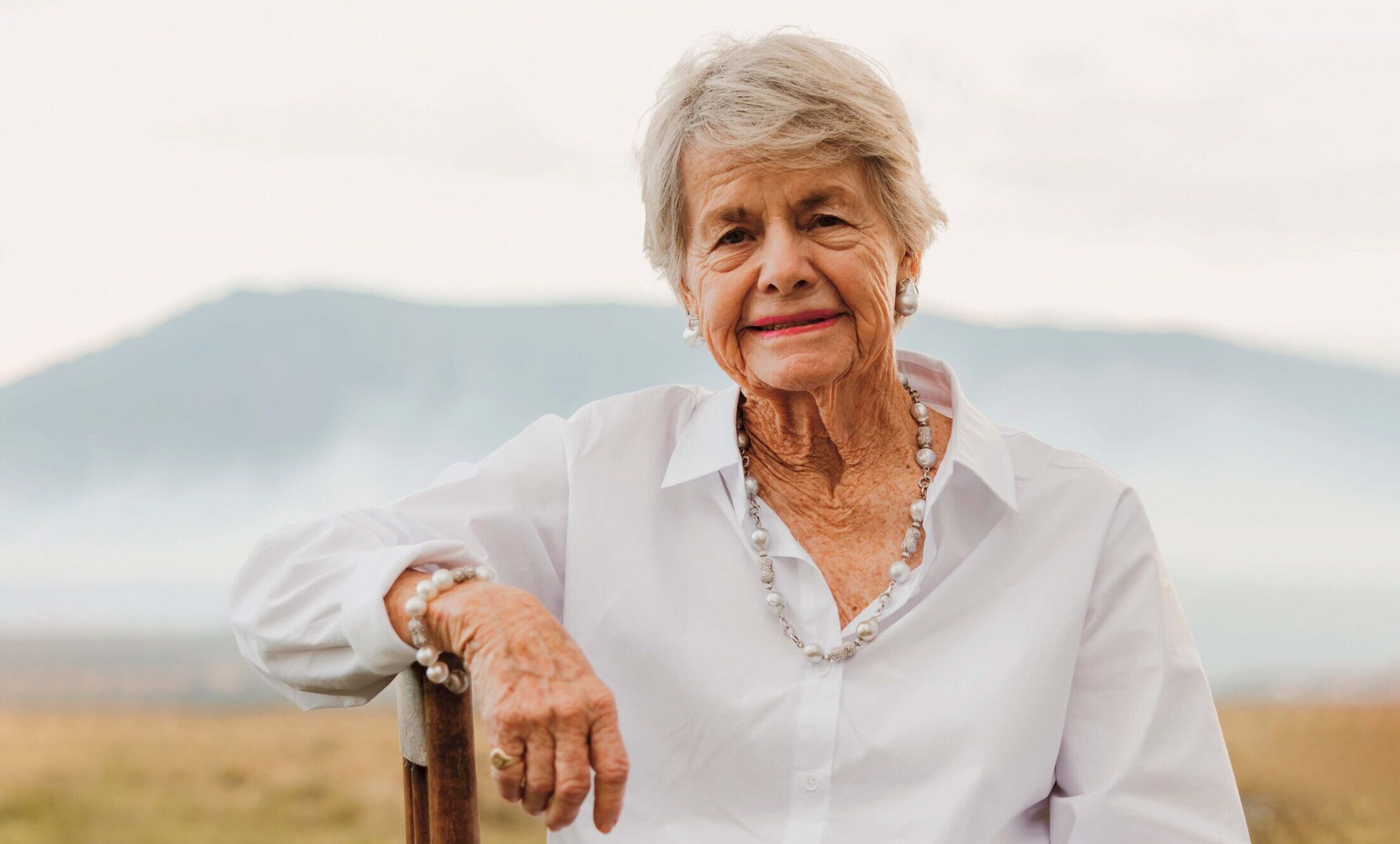
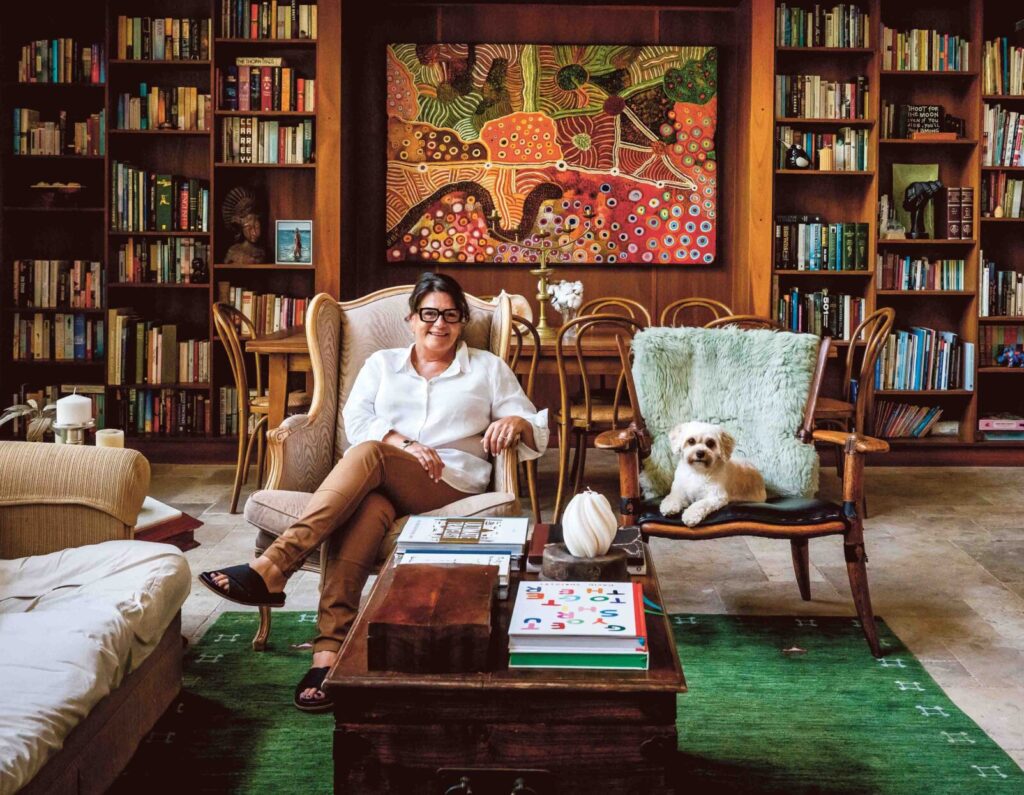
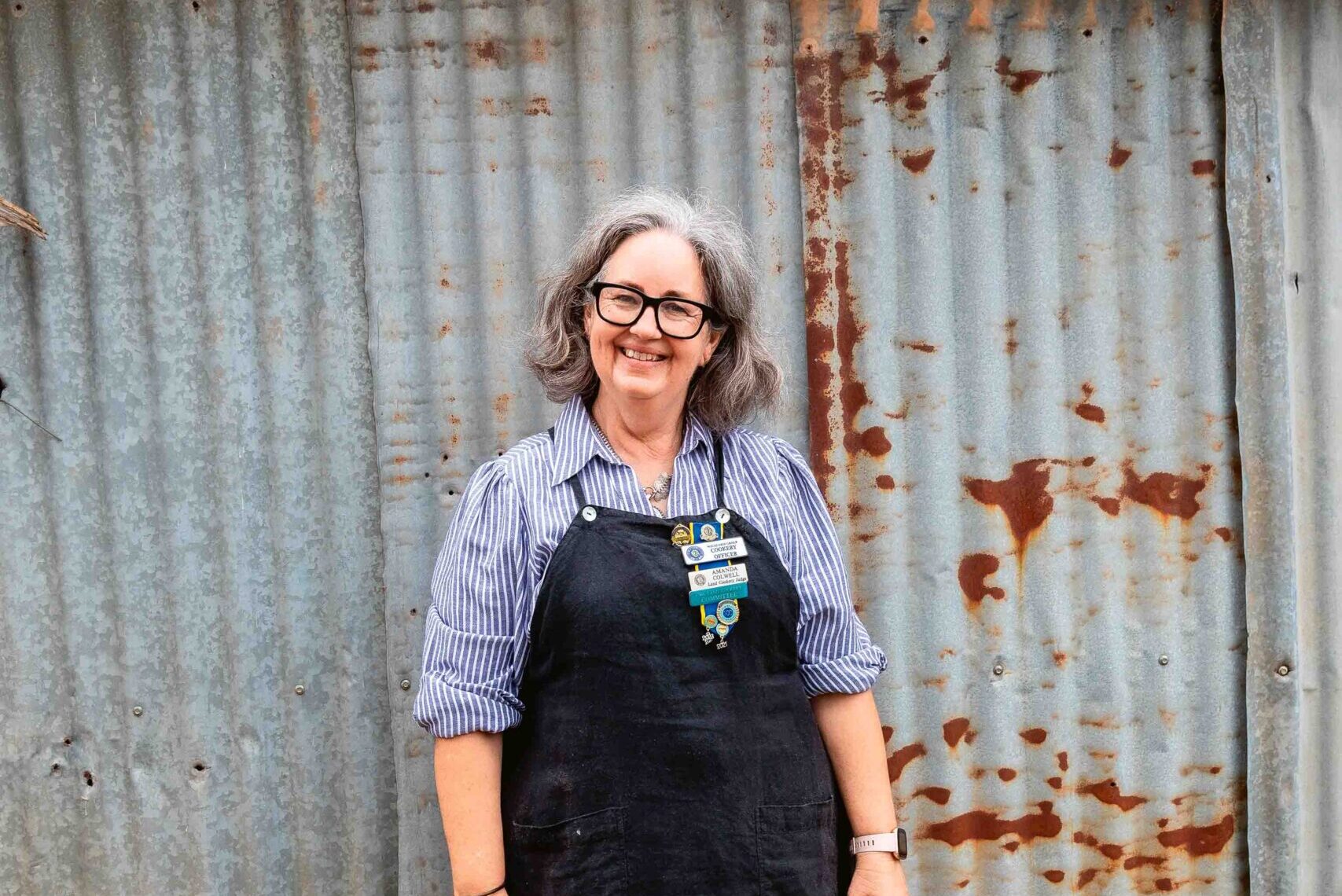
CWA president and cookery judge Amanda Colwell of Coonamble, NSW.
Sign up to our mailing list for the best stories delivered to your inbox.
A country show veteran and CWA president, Amanda Colwell knows what it takes to bring home the champion rosette.
Words and photography Jane Smith
PHOTOGRAPHY JANE SMITH
CWA president and cookery judge Amanda Colwell of Coonamble, NSW.
PHOTOGRAPHY JANE SMITH
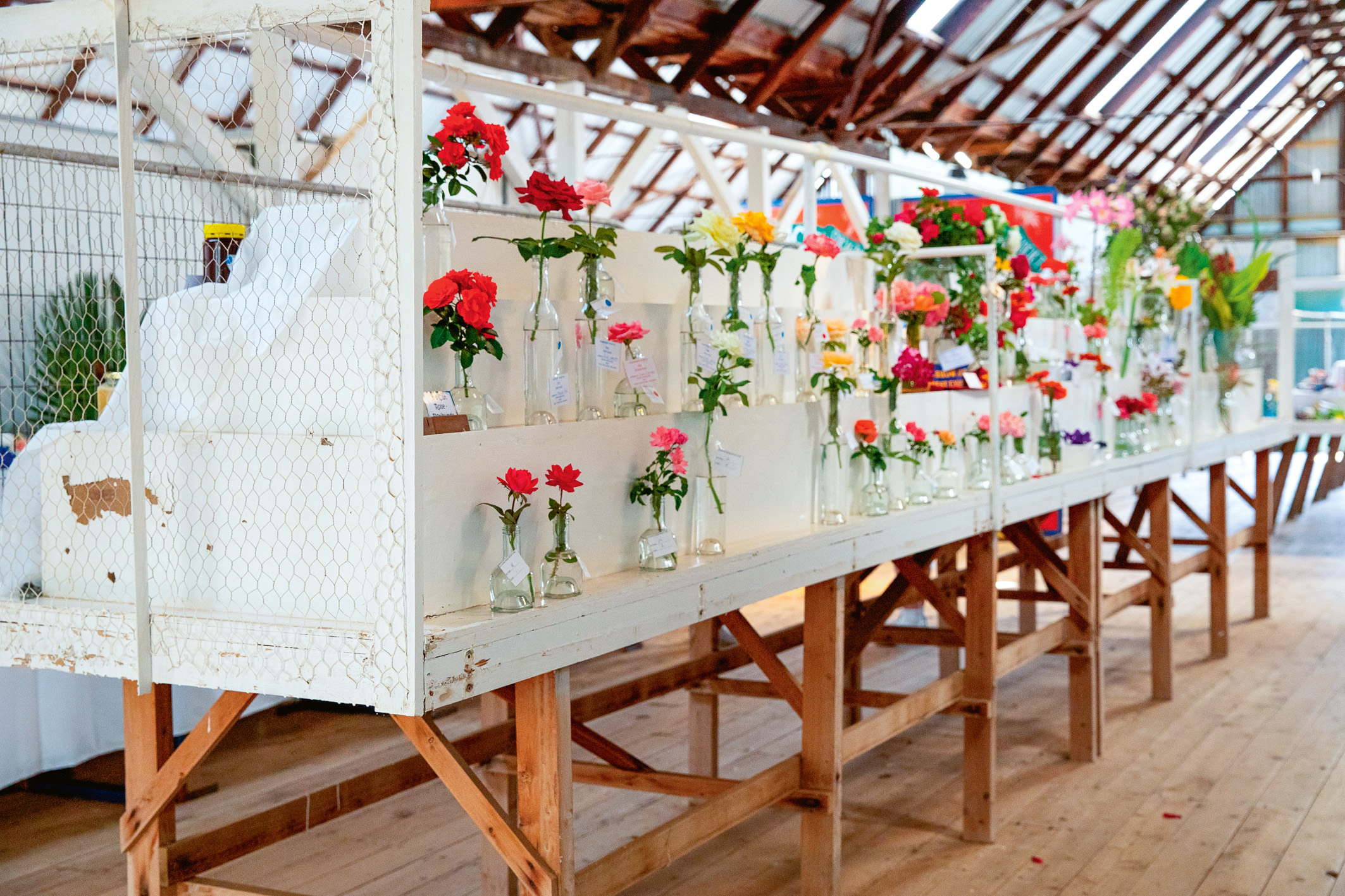
The rose competition at the Gulgong show.
Committee members and stewards busily sort through the paperwork and trays of baked goods are organised and placed on the shelves, ready for judging.
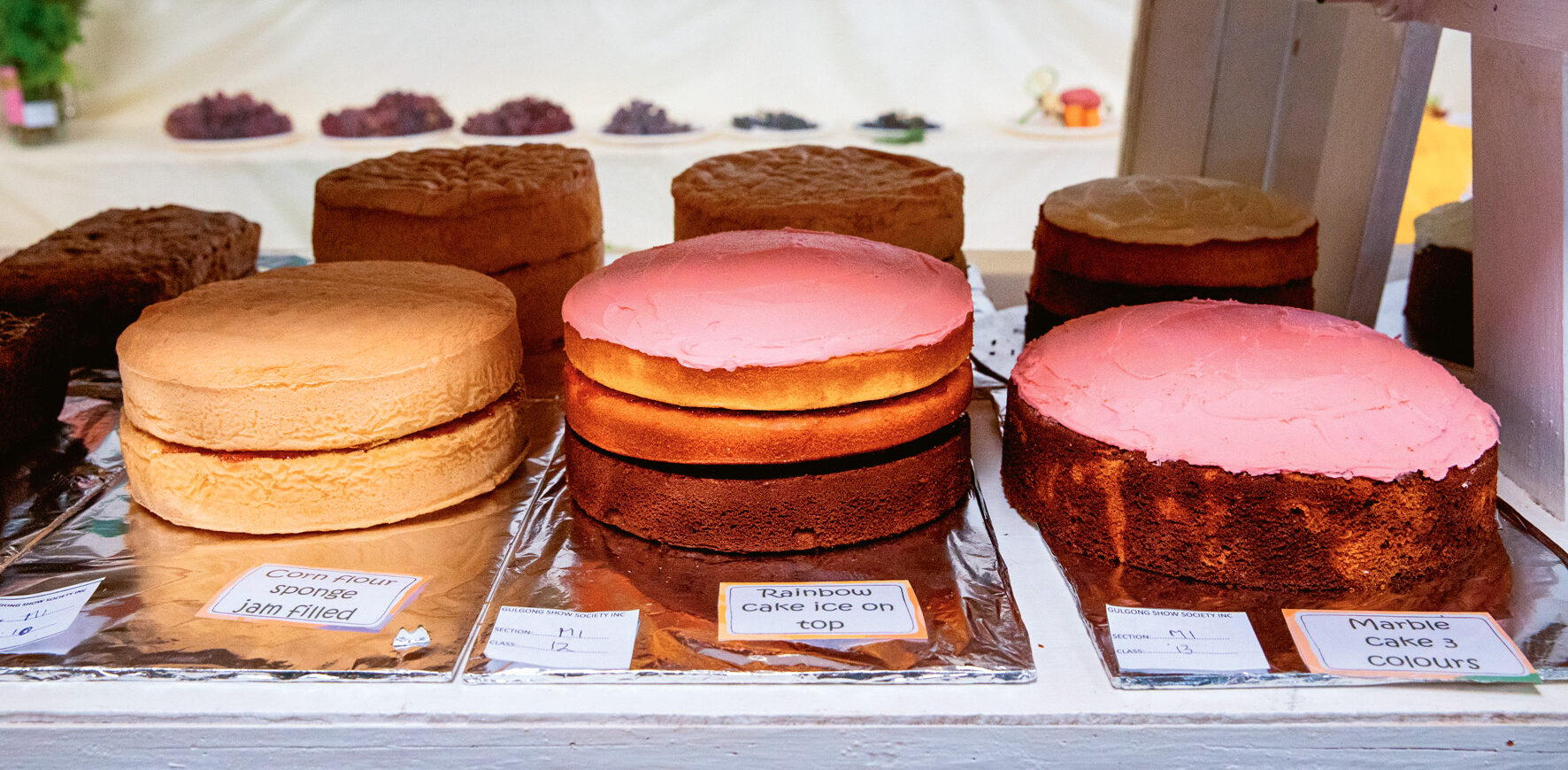
Cookery judge Amanda Colwell stands before a full table of cakes with her calm and experienced manner, and the judging commences. Amanda’s eyes quickly and discreetly assess any cakes that on the surface do not meet the judging criteria. Visible cooling rack marks and dents made by baking paper are considered flaws and any cakes showing evidence of this are graded for further consideration. Each cake is carefully picked up and the exterior surface is examined before it is swiftly cut in half. After an examination of the interior, a tiny wedge of cake is cut from the middle.
Amanda considers the colour, texture, taste and aroma while checking that the cake is cooked correctly. Quick but thoughtful comments are made, the steward is notified of the winning entries and the cut cakes are whisked away to be covered and displayed. Knives are wiped clean, the crumbs are brushed off the table and the next section is presented to the judging table.
Amanda shares tried-and-tested recipes for carrot cake, berry jam, radio biscuits and honey joys here. Article continues below.
PHOTOGRAPHY JANE SMITH
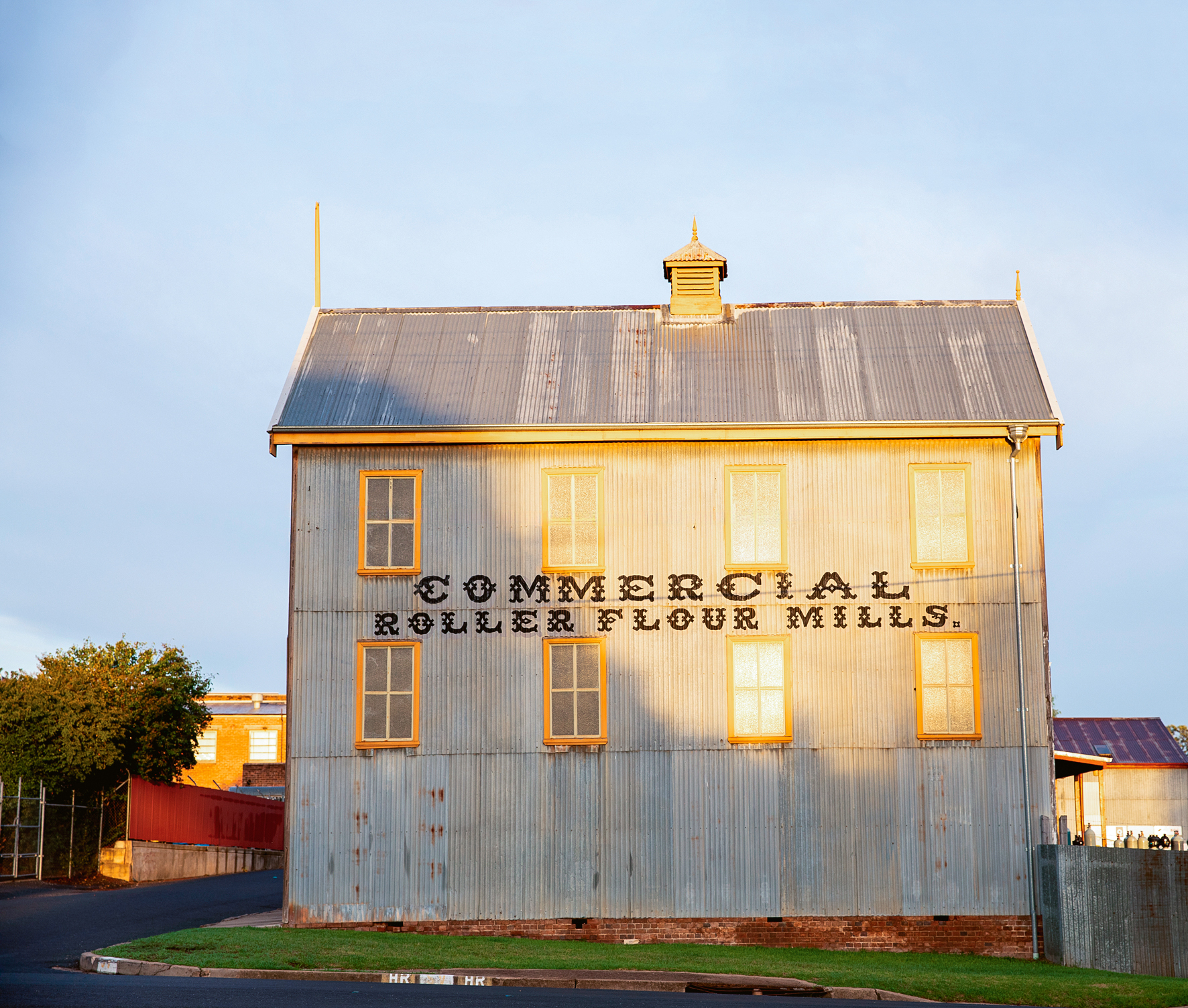
An old flour mill in Gulgong, NSW.
PHOTOGRAPHY JANE SMITH
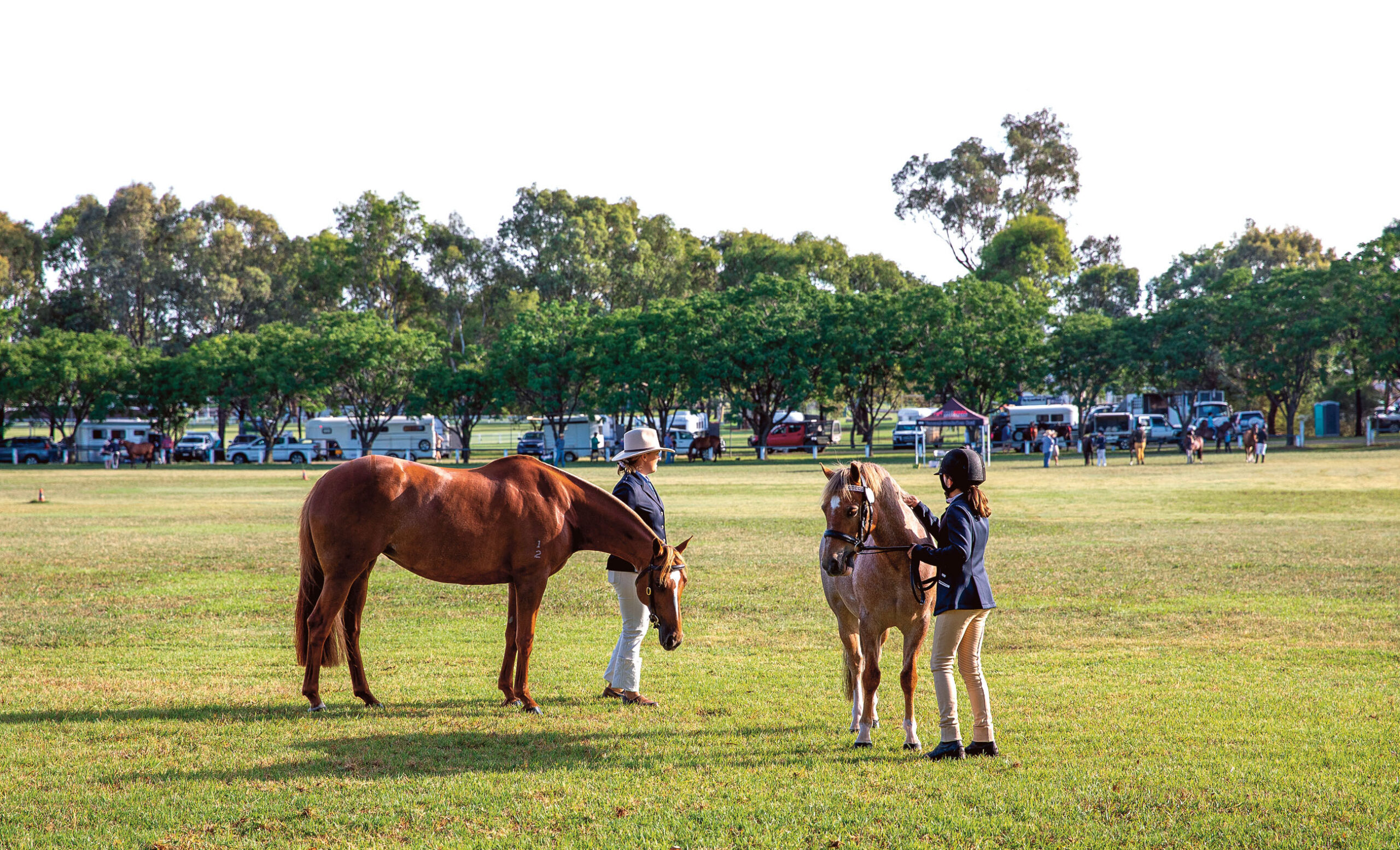
Local shows like Gulgong’s offer many competition categories, from cakes to livestock.
After leaving school, Amanda deferred her intentions to do an art teaching degree and spent a year working at the Bank of New South Wales in Coonamble while she saved money to pay for her studies. During this time she met Ken, and instead of going to university she chose love and a life on the land. They have three adult children, who have all moved away from the local area, and four granddaughters.
When she was a child, Amanda’s father had worked in banking and they moved often. This led to them living in Fiji for three years and later Amanda spent three years at boarding school in Armidale, New South Wales.
“I would only visit my grandparents occasionally, due to the distance, and both of my grandmothers went to a lot of effort to make my visits memorable. My strongest memories are of the special cooking, the good crockery and tea sets, the polished silver and intricate tablecloths,” she fondly recalls.
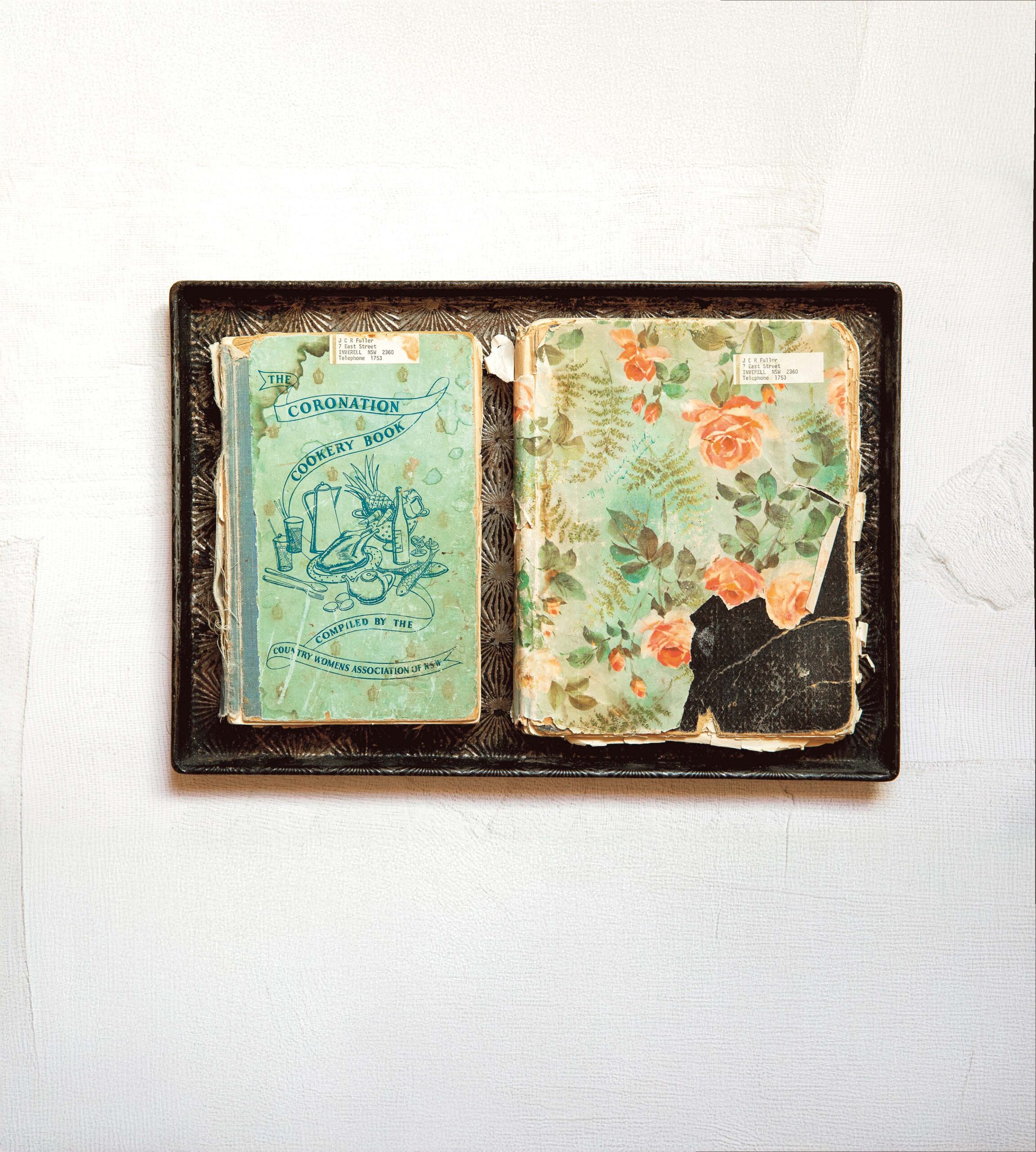
Her paternal grandmother, Catherine Fuller, lived in Inverell and was a champion baker in local agricultural shows as well as at the Sydney Royal Easter Show, where she also judged cookery. “Nanna would always have a variety of biscuits, cakes and slices stored in stacked aluminium cake tins in her kitchen ready to be enjoyed. She travelled to Tamworth before every competition to buy special flour for her biscuits,” says Amanda, “although I never did learn the secret of what made that flour special.”
PHOTOGRAPHY JANE SMITH
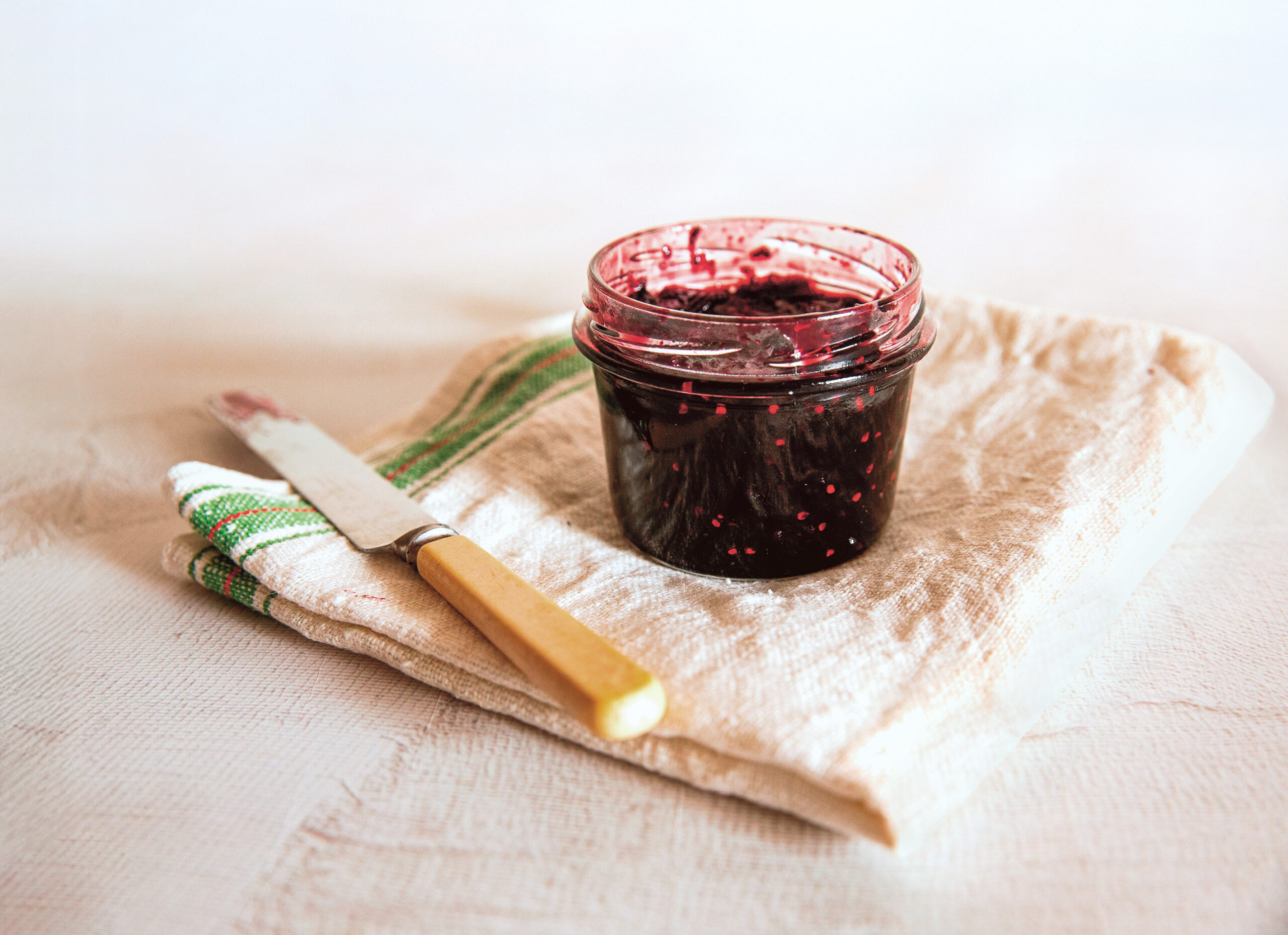
Berry jam, made using Amanda's tried-and-tested recipe.
PHOTOGRAPHY JANE SMITH
Amanda cherishes her grandmother’s cookery books.
“I’d avoided competition cookery up to that point,” Amanda says, though she was eventually persuaded to enter a few jars of jam and a jelly. “When my jelly won the champion rosette, that was all the encouragement I needed.”
As she became more involved in competition cookery, Amanda found it to be a very supportive and friendly community and her network expanded further when she joined the Coonamble Country Women’s Association (CWA) branch in 2009. Amanda held the office of president of the Coonamble CWA branch from 2014–2017. She then acted as branch secretary for four years, and in 2024 she again took up the presidency. She is also the Cookery Officer for the Macquarie CWA Group and a member of the CWA State Cookery Committee. She qualified as a cookery judge in 2014.
“To qualify as a judge, participants must achieve an 80 per cent pass on a rigorous written examination and practical demonstration before other judges,” Amanda explains. “Prior experience stewarding at local shows and CWA competitions as well as working with judges and stewards is fundamental. Assisting at shows gives exposure to a wide range of baking styles and products, as well as an understanding of entrants’ abilities. Being a competent cook is also helpful.”
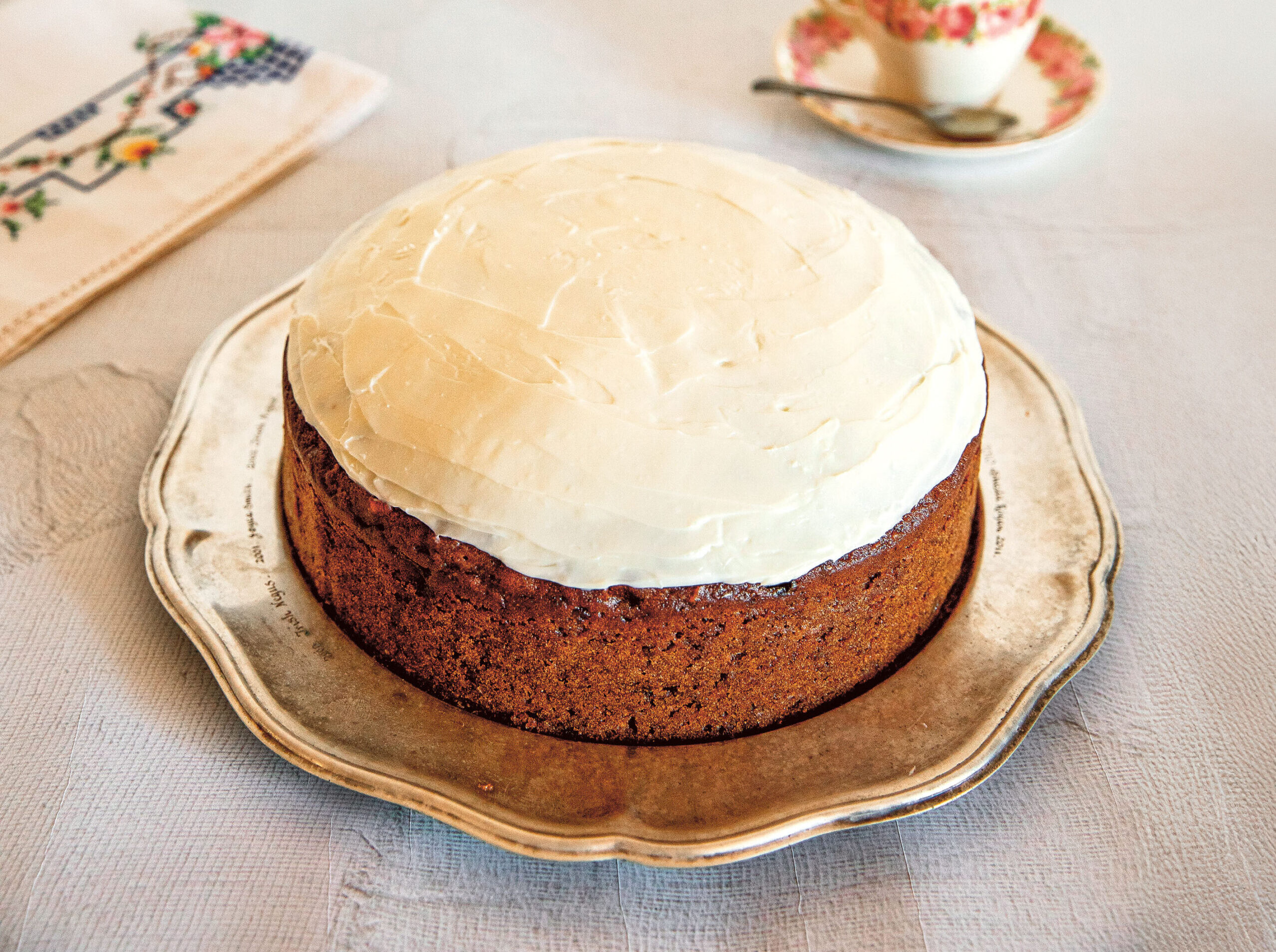
PHOTOGRAPHY JANE SMITH
Carrot cake, made with a carefully prepared tin.
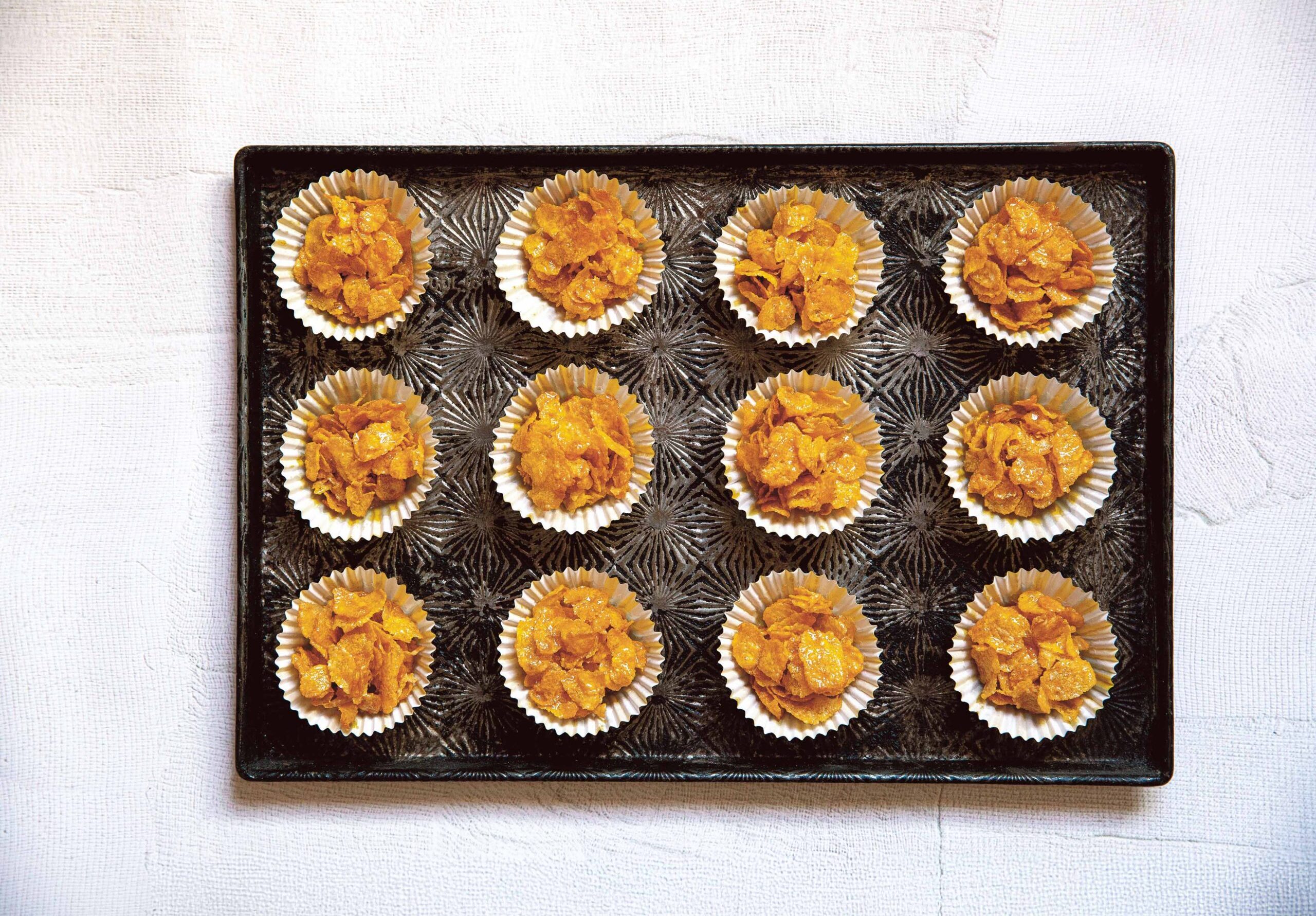
PHOTOGRAPHY JANE SMITH
Honey joys, a treat Amanda used to make with her daughters after school.
When Amanda is judging she likes to keep her feedback supportive, kind and sympathetic. “I love to give encouragement to the entrants in the children’s sections at shows,” she says. “It is the key to keeping cookery competitions strong: these youngsters are future adult competitors.”
Amanda wants to encourage all cooking, for competition or at home. “A certificate or ribbon is always rewarding; the competition rules may seem tedious but there is a reason they are so specific — to make it fair for everyone who enters.” She also wants to teach people how to make the best use of their time and ingredients so they have reliable results, whether for a child’s birthday cake, a competition or a school cake stall. “The rising cost of ingredients can be prohibitive to experimental cooking that may end up being fed to the chooks.”
The Gulgong Show has been running since 1888 and, judging by the variety of entries and the number of young competitors, the spirit of country shows is thriving in this historic town. As Amanda says, “Competition is all about taking pride in your product and consolidating community connections, not just taking home the champion rosette.”
Amanda shares tried-and-tested recipes for carrot cake, berry jam, radio biscuits and honey joys here.
• Jam should taste of the fruit it is made with. Too much sugar or overcooking hides the true flavour.
• Jam should have an even consistency with a bit of stiffness but not be too chunky.
• The jar should be spotlessly clean on the outside and the lid should not have jam underneath.
• Use sterilised jars with new lids, as lids can hold smells from previous contents, which are more pronounced after heating or storage.
• Show schedules may specify how many biscuits are required for judging and what size they should be.
• All biscuits should be the same diameter and height. The best way to make sure they are equal is to weigh the first ball of dough then replicate for each one. Judges check on consistent size by comparing the bases of each biscuit.
• Single biscuits will be broken by the judges to test for crispness and sandwiched biscuits will be cut to see that the top and bottom biscuits are of equal height.
• To grease the tin, use a very light spray of oil or smear a tiny dab of butter on paper towel and rub it over the inside surface, just enough so that the baking paper will stick to the tin.
• For a round tin, trace around the bottom of the tin onto the paper and cut it out slightly smaller to fit inside the tin. Put two or three rectangular pieces of paper around the sides, slightly overlapping, as this will help movement of the paper as the cake rises during cooking.
• For a square tin, lay a baking paper strip across the tin, covering two sides and the base, then overlay with another strip at right angles, so there are two layers on the bottom and ensuring that each side is covered.
Subscribe to Graziher and you’ll never miss an issue of your favourite magazine. Already a subscriber? Consider gifting a subscription to someone special in your life.
She shares her baking tips with Jane Smith, plus recipes for “radio” biscuits, berry jam and honey joys.
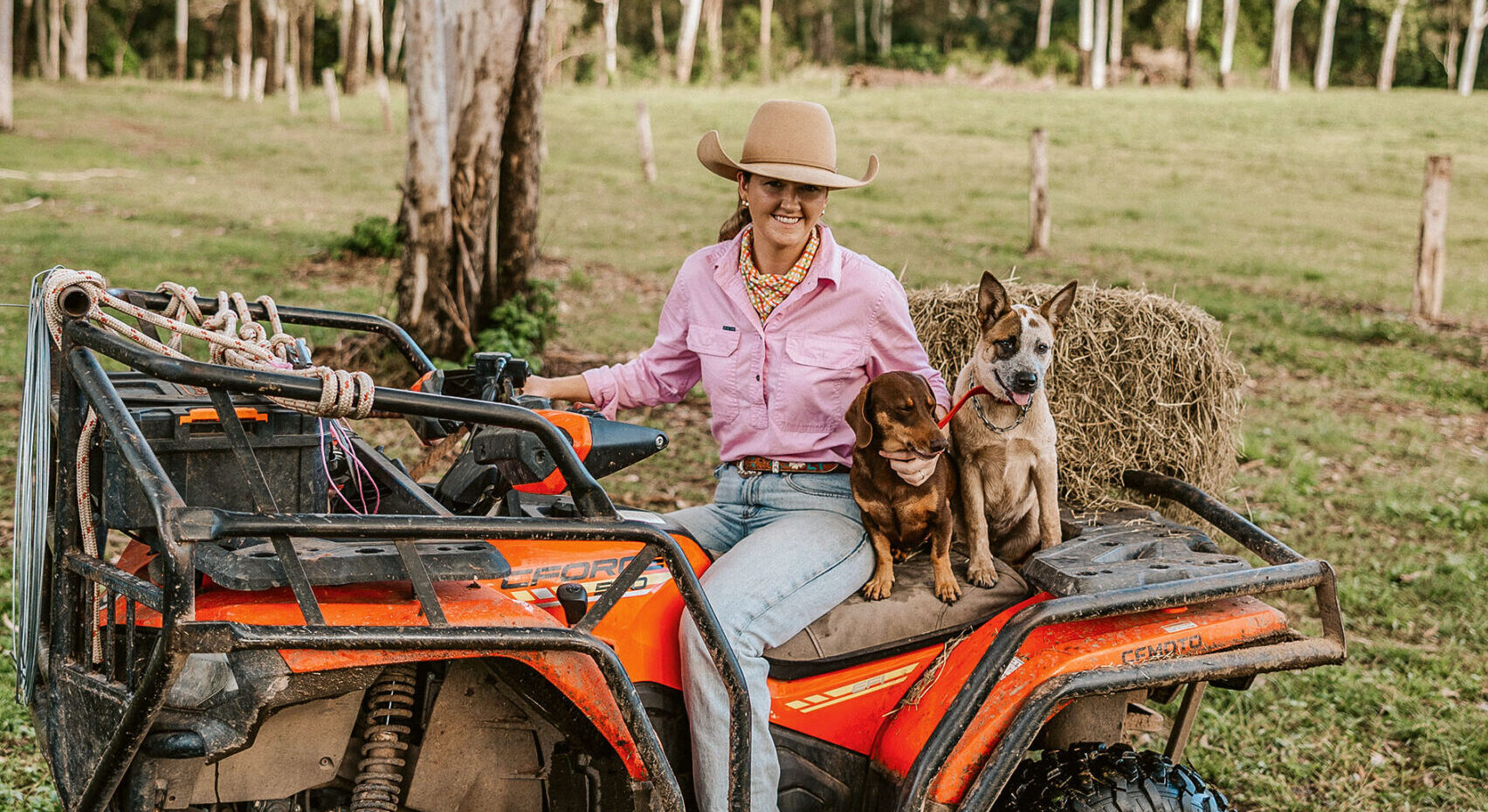
Hailing from a small Irish town, Lisa Fryer found love at Daly Waters’ Hi-Way Inn. Today, she and husband John are ushering in a new era for Tabletop Station, near Townsville, Queensland.
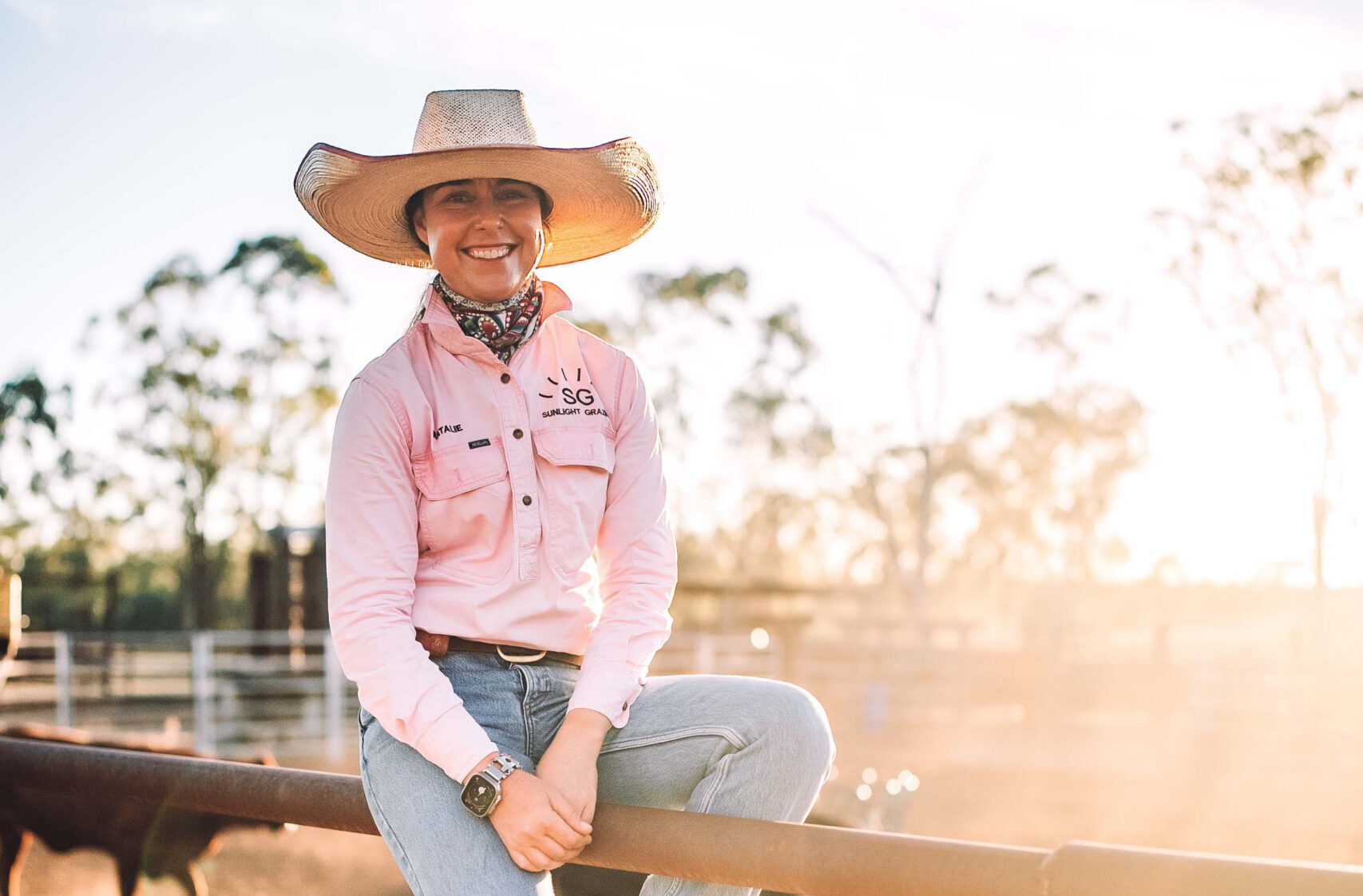
She says clever tech makes it possible to go it alone on the 4000 hectare beef-finishing property in central Queensland.
A weatherboard cabin in Alexandra MacAlpine’s garden becomes a guest cottage, thanks to the imagination of her sister-in-law.
The annual olive harvest inspires Jane Smith to share recipes that showcase the tangy flavour of freshly pressed oil.
Take advantage of the cooler temperatures and slower growth, writes Claire Austin.

