Sign up to our mailing list for the best stories delivered to your inbox.
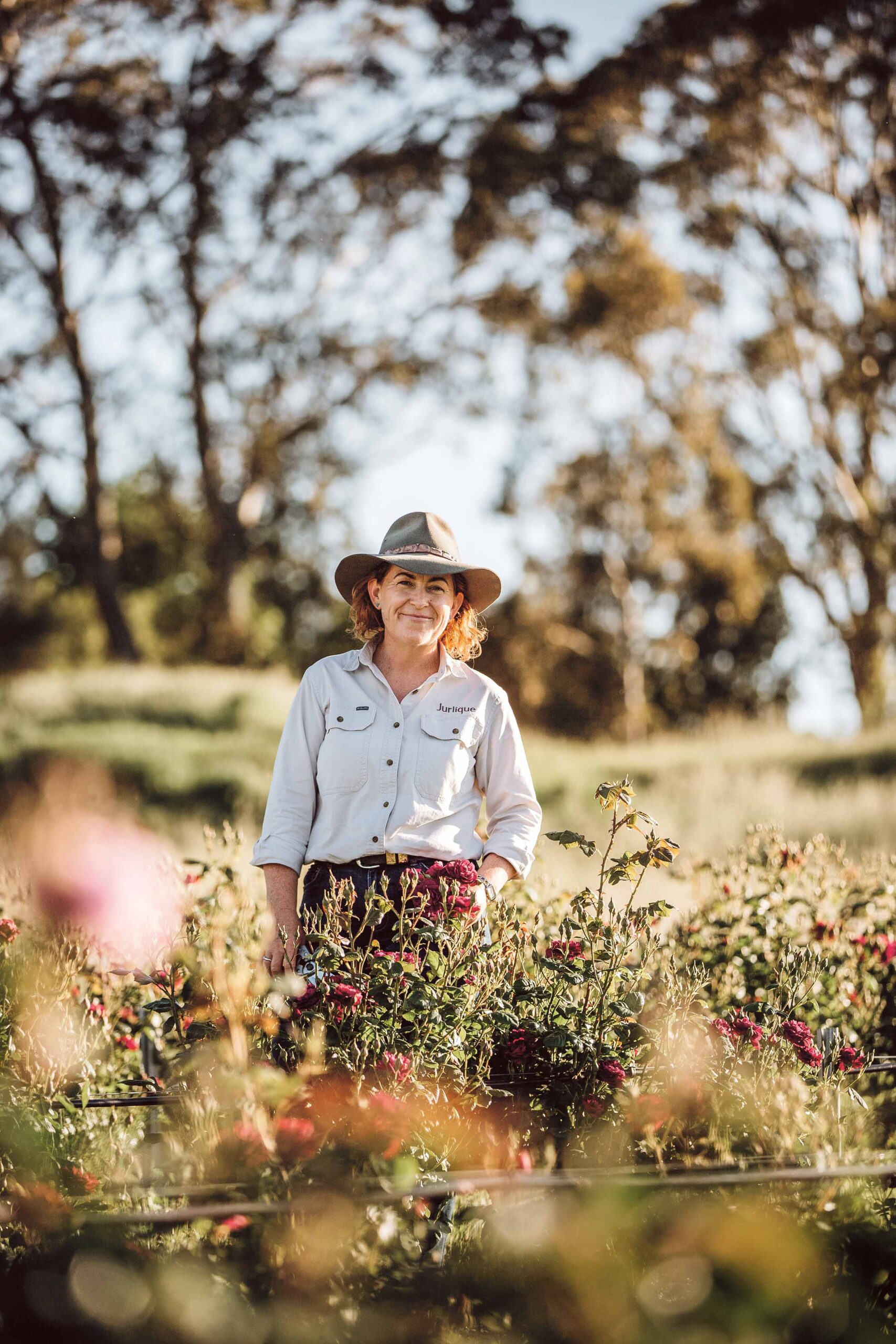
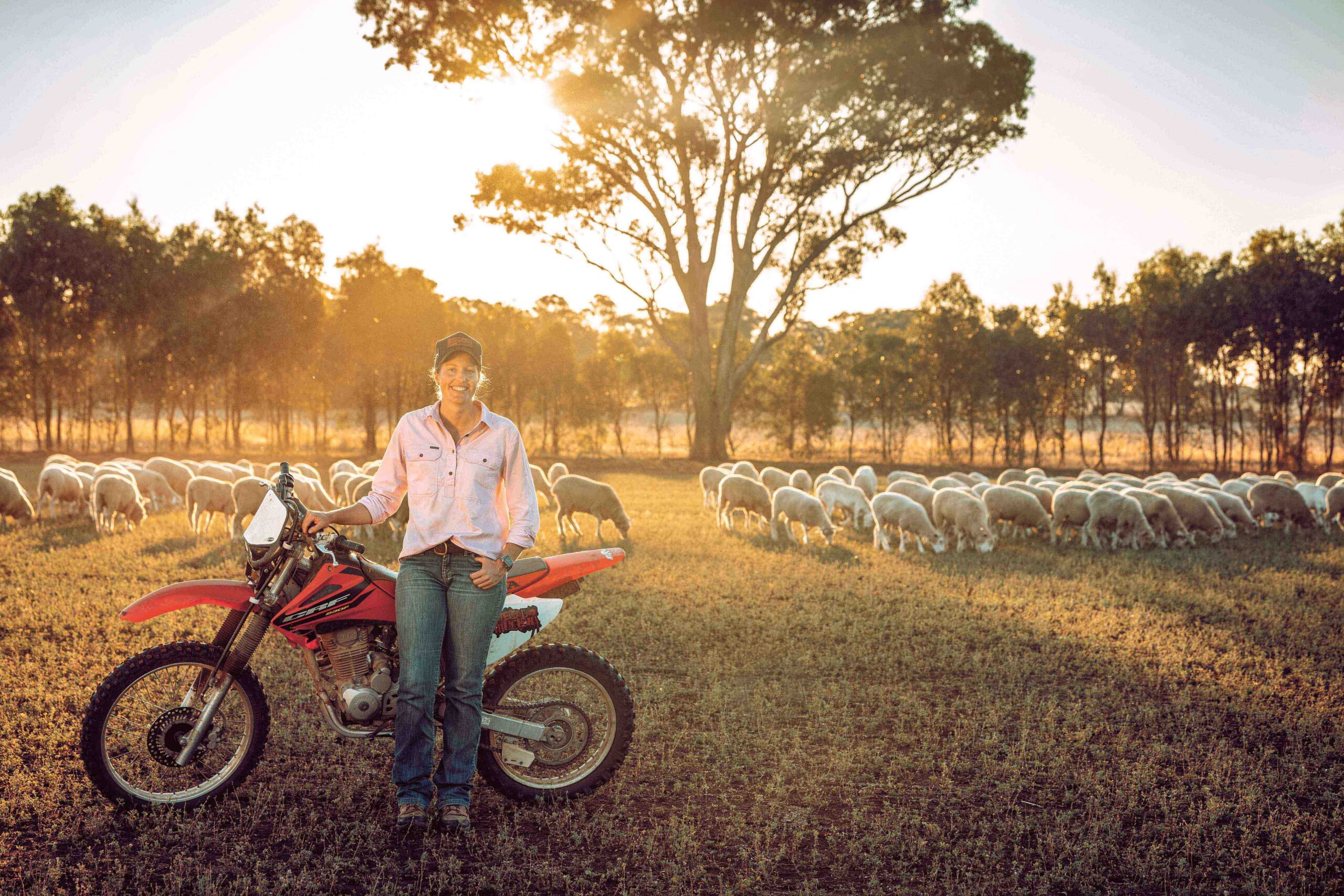
Raised on a dairy farm near Hahndorf, SA, farm manager Cherie Hutchinson has a deep love for the land she works on.
Words Amanda Ducker Photography Alysha Sparks

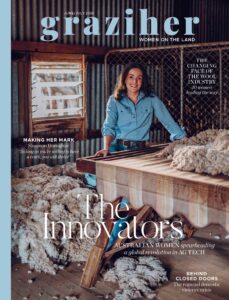
Love Jurlique? Subscribe to Graziher and you’ll receive a Jurlique Calendula Face Oil (50ml) valued at $92 (select a two- or three-year subscription and you’ll also receive a 2026 Graziher x Rabobank diary worth $49.99).
In the Adelaide Hills, where the natural skincare company Jurlique has cultivated its botanicals for 40 years, caring for the land is second nature. The company was founded in 1985 by German horticulturalist and botanist Ulrike Klein and her husband, biochemist and naturopath Dr Jurgen Klein. Since then, the business has grown from a small operation into a global brand, while keeping its farm and factory in the district.
It’s minutes away from the ground that the ancestors of farm and tourism manager Cherie Hutchinson once tilled. Her mother’s family were early Prussian Lutheran migrants to South Australia, arriving on the Zebra in 1838 and establishing farms near Hahndorf, Australia’s oldest German-settled town.
“My grandparents’ property is five minutes from Jurlique,” she says. “We’ve been farming here for almost two hundred years.”

Cherie, 45, spent her early years on her grandparents’ Friesian dairy farm before her parents moved to nearby Verdun. “Mum worked seasonally on relatives’ apple orchards and potato farms for extra money,” she recalls. Cherie’s childhood was steeped in animals and country shows. “Dad was passionate about pigeon racing, but chooks were my thing,” she says. “Many a day was spent in pigeon lofts and chicken coops.”
Her family’s poultry breeding and showing was a lively affair. “I had the ugly ones — the big, muscly Indian game birds. My brother was into Wyandottes. Mum had frizzles and Japanese bantams, and Dad was Old English game.” She laughs: “My parents still have chooks.”
After attending a local agricultural high school, Cherie headed from the Hills down to Adelaide city to work in administration and recruitment, eventually managing civil and construction portfolios.
It came about after her firm took on Jurlique as a client. “I recruited 60 staff for their factory and warehouse. Half the reason I wanted the account was that it was based in the Adelaide Hills.”
When a production manager’s role came up in 2012, she took a chance. “Within two days I was harvesting chamomile and meeting farmers. I thought, I’m home.”
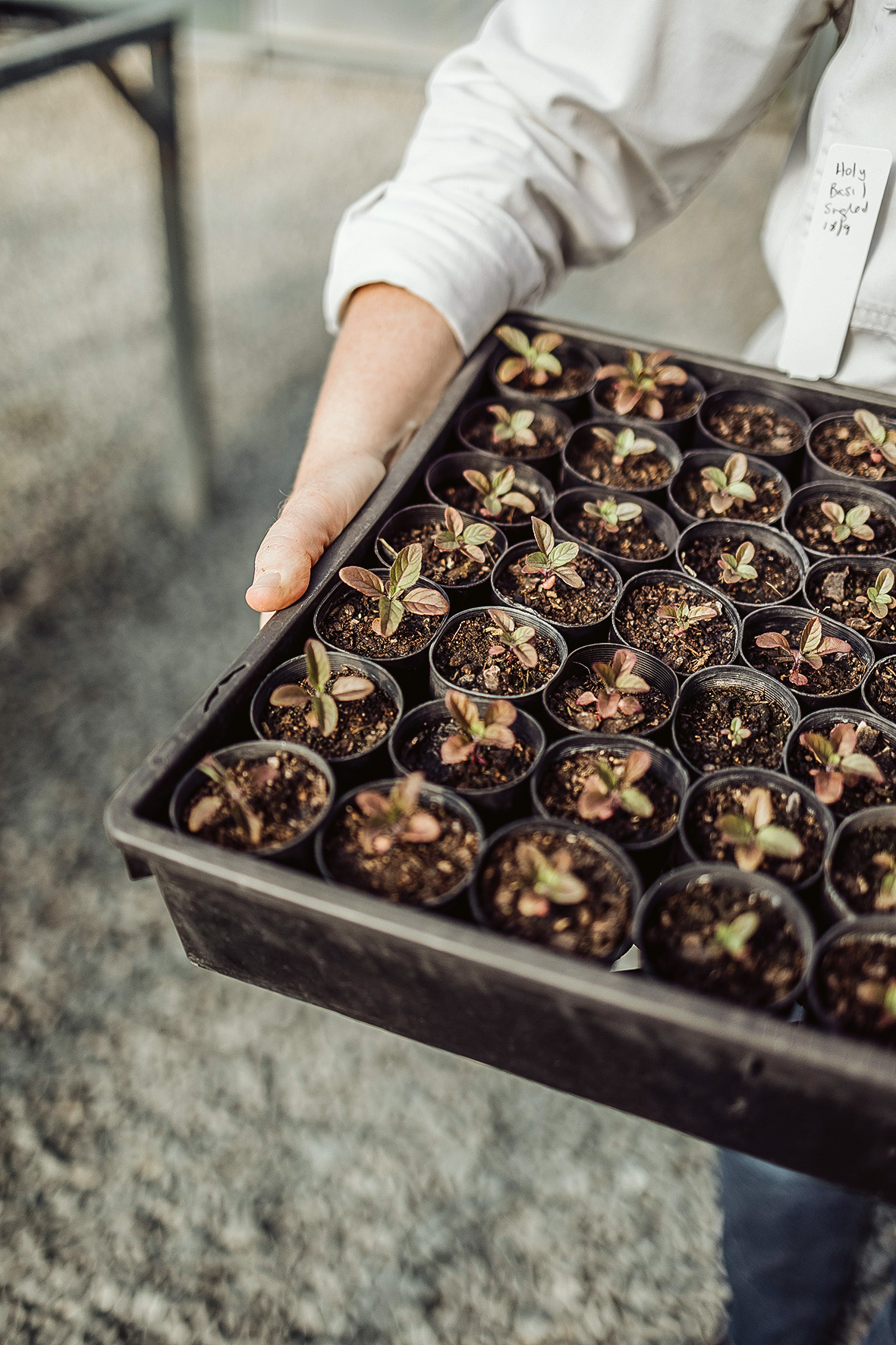
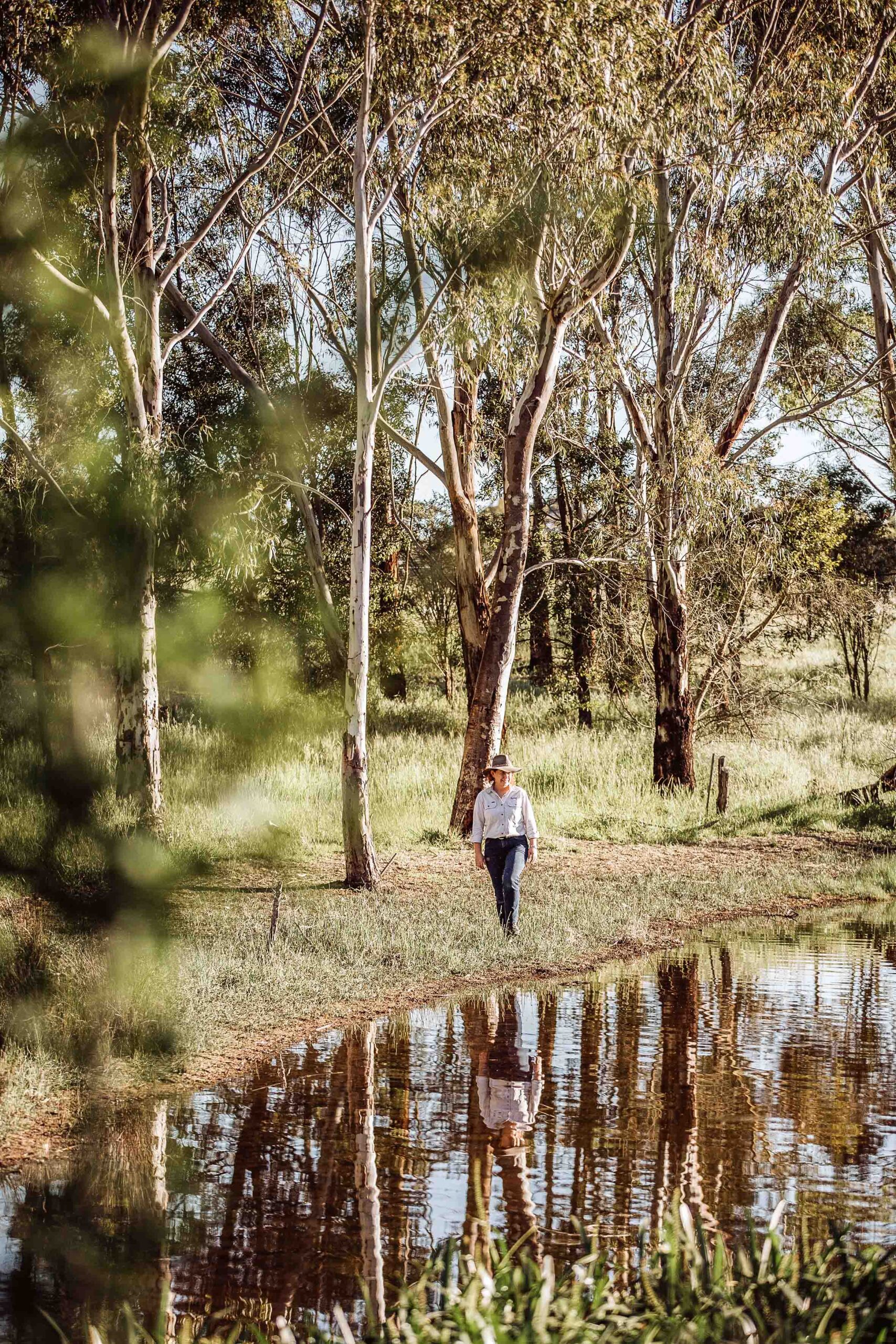
The farm she joined — Jurlique’s third — had recently transformed from a conventional dairy into a certified organic and biodynamic property. Today, on 42 hectares, about one-fifth is under cultivation for more than 40 varieties of herbs and flowers, which are all picked by hand.
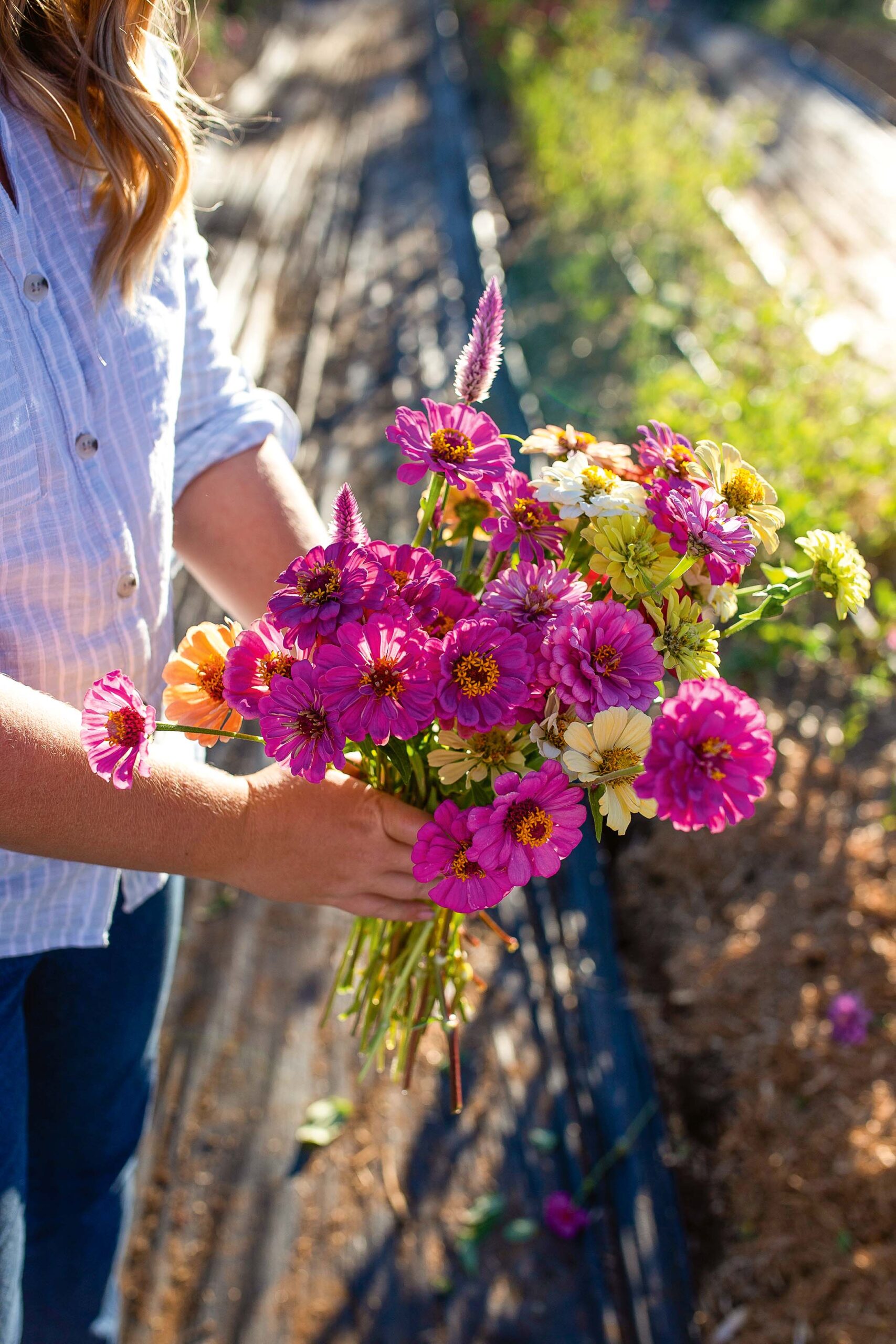
She gestures to the patchwork of beds that define the farm’s rhythm. “You’ve got flower crops including calendula, roses, chamomile, pansies and daisies; leaf crops like silver birch, holy basil, violet leaves, peppermint and spearmint; and root crops including marshmallow, licorice, burdock, comfrey and dandelion. They all have different rules.”
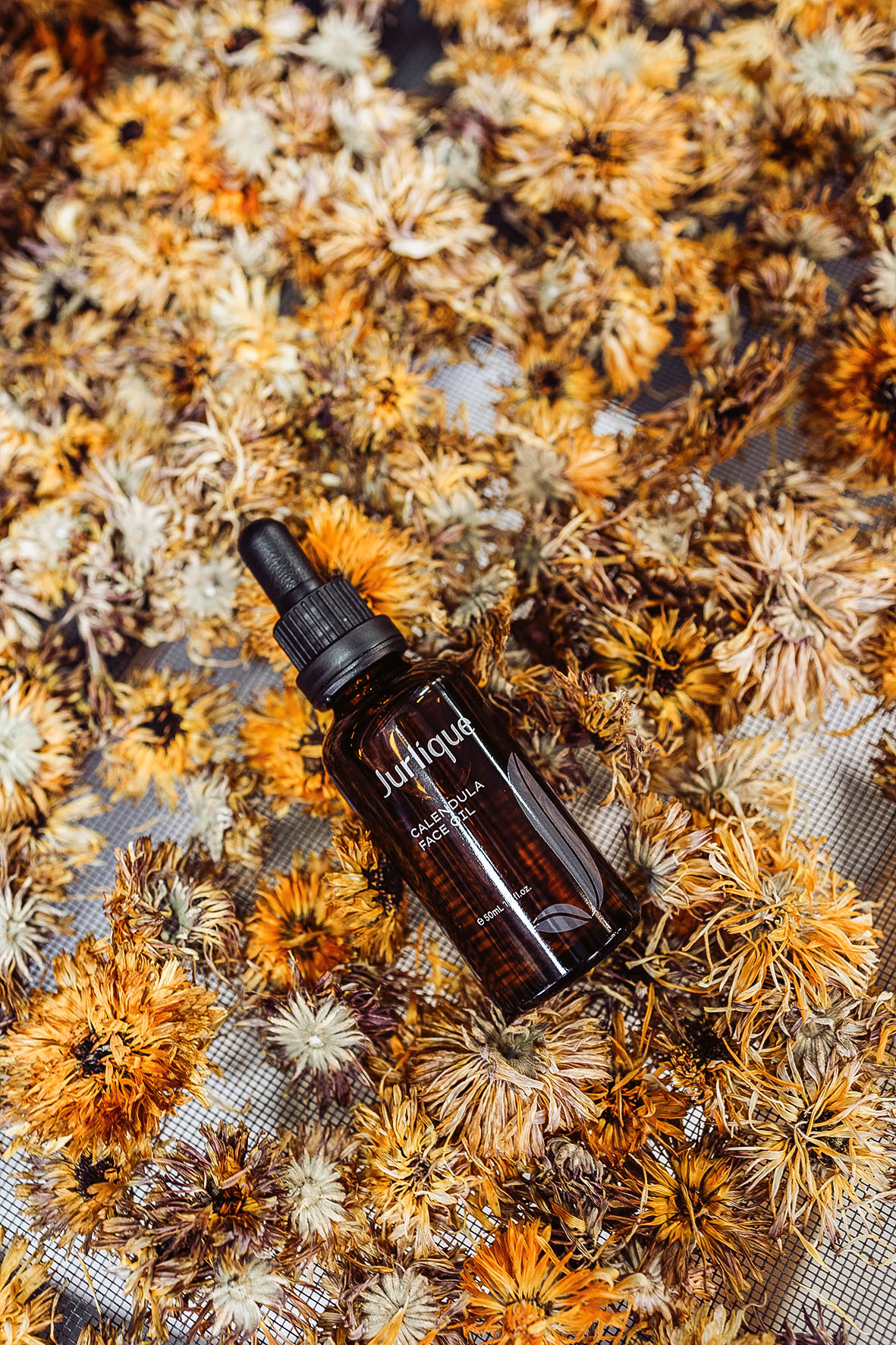
Calendula (Calendula officinalis) is a particular favourite of Cherie’s, appealing to her pragmatic side. “It doesn’t need the warmth of, say, a holy basil for germination, so it’s very handy for gap-planting.” She also speaks appreciatively of its skin-healing and soothing qualities. A prolific producer of calendula, Jurlique recently revitalised its range with four products — including a fortifying facial oil — formulated to address skin challenges of redness, dryness, tightness and irritation.
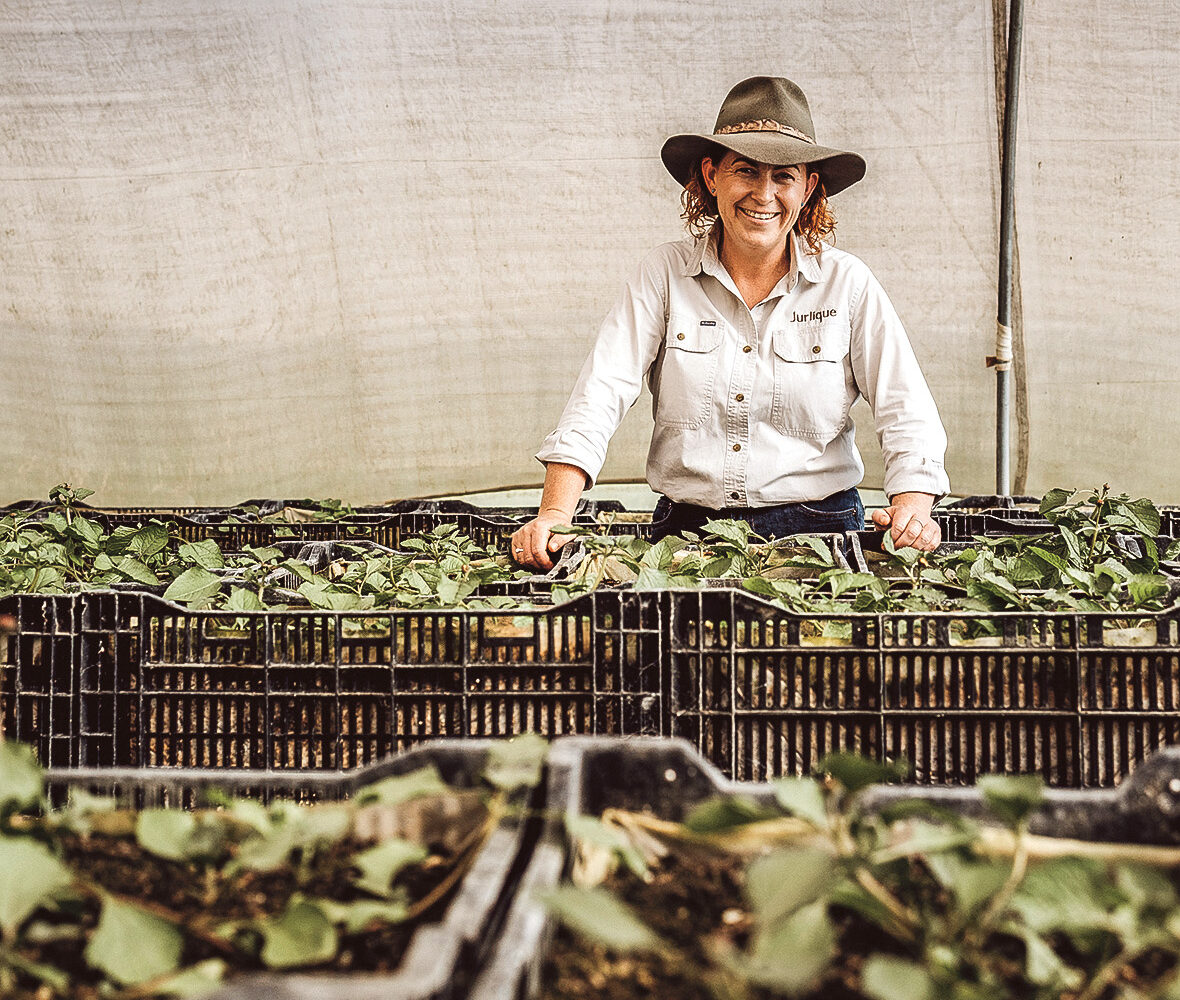
Cherie remembers her first seasons on the farm. “Those early years, I learnt a lot. I was on my knees in the field every day, learning from the team. I hope I earned their respect by doing that.”
By 2014 she was appointed farm manager, guiding a team that swelled to 30 during harvest. “October to February is so much work,” she says, with tonnes of delicate botanicals to be hand-harvested. The season begins when the roses flush in October, followed by chamomile, lavender, peppermint and elderflower.
Cherie leads 12 full-time farm staff and another seven-strong tourism team. With the recent appointment of a farm production manager, Cherie’s scope has broadened, but she says her focus on staff satisfaction and wellbeing remains a key priority. She raves about their knowledge bank and dedication. “The same energy I found in myself I find in my teams,” she says. “We all share the passion and love seeing the fruits of our labour.”
She says that relying on the seasons to dictate the pace and priorities helps her to provide steady leadership. “I draw on the rhythm of the year — being aware of what’s coming next.” For Cherie, that cyclical awareness — so familiar to her through motherhood too — connects deeply to the biodynamic approach.
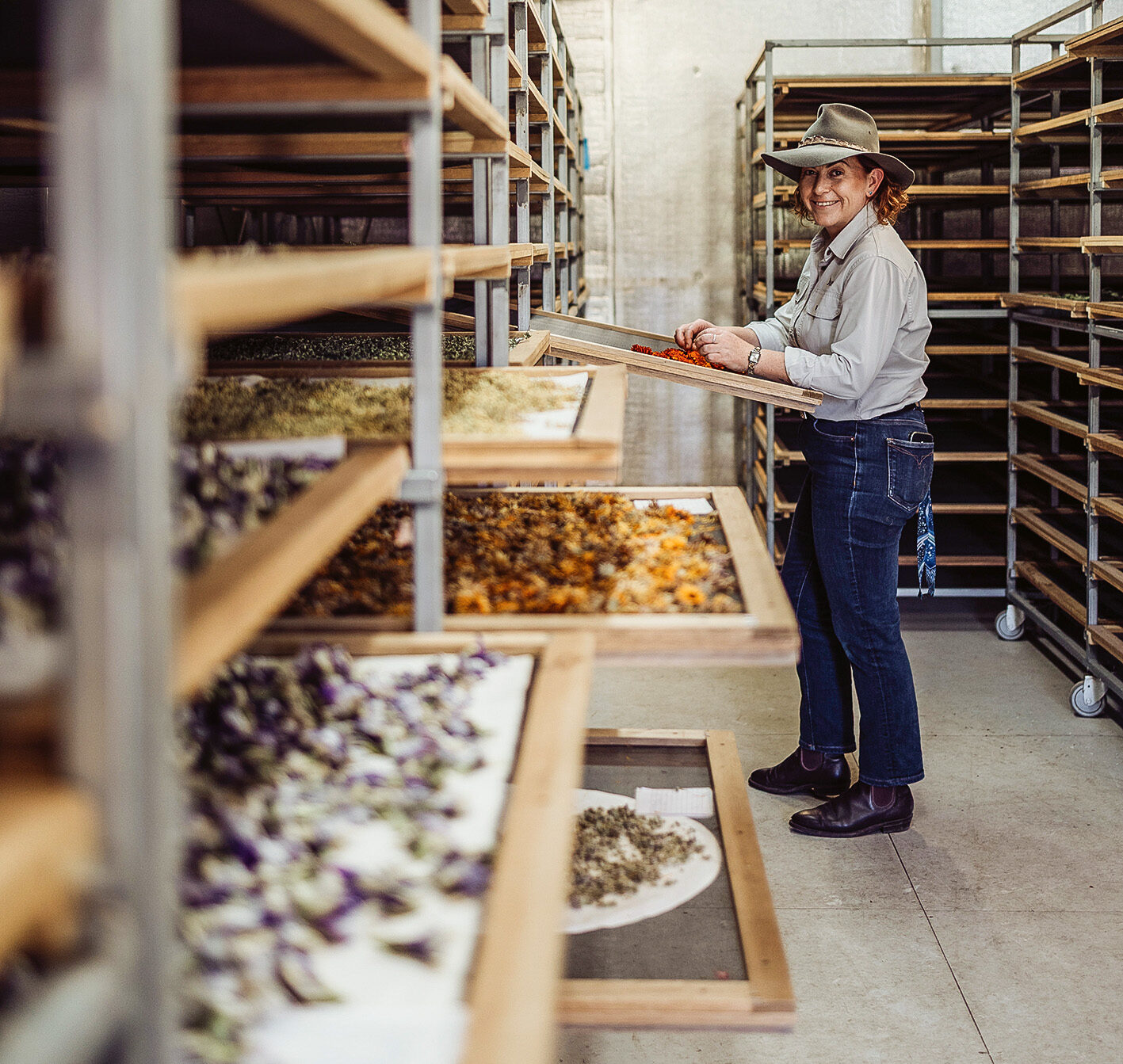
“Biodynamics follows moon cycles and cosmic rhythms: it’s all about working with nature rather than against it,” she says.
Cherie embarked on a diploma in production horticulture during her first maternity leave. “Running a farm as a woman has its challenges,” she says. “People would come looking for the man in charge. Getting a diploma helped me stand firm.” She believes the culture of farming is shifting. “It’s not boys on tractors and girls hand-weeding anymore,” she says. “I’m confident in my role. The world has changed, and so have I.”
Along with a return to her roots, the Jurlique farm and philosophy gave Cherie the deep sense of purpose she’d been missing. “In the early days we inherited two bookshelves of books from Ulrike,” she says. “She’s a passionate horticulturalist and botanist. I used to take one home to read every week.”
In 2003, the Kleins sold a 25 per cent stake of Jurlique to the late Australian businessman Kerry Packer, delivering a cash flow that enabled further growth. The company is owned today by Japanese cosmetics group Pola Orbis Holdings, which made the approximately $300 million purchase in 2011. Today, the company exports to 27 countries including China, the US and Europe, employs 150 staff locally and continues to keep its manufacturing business rolling in South Australia, to the surprise of some.
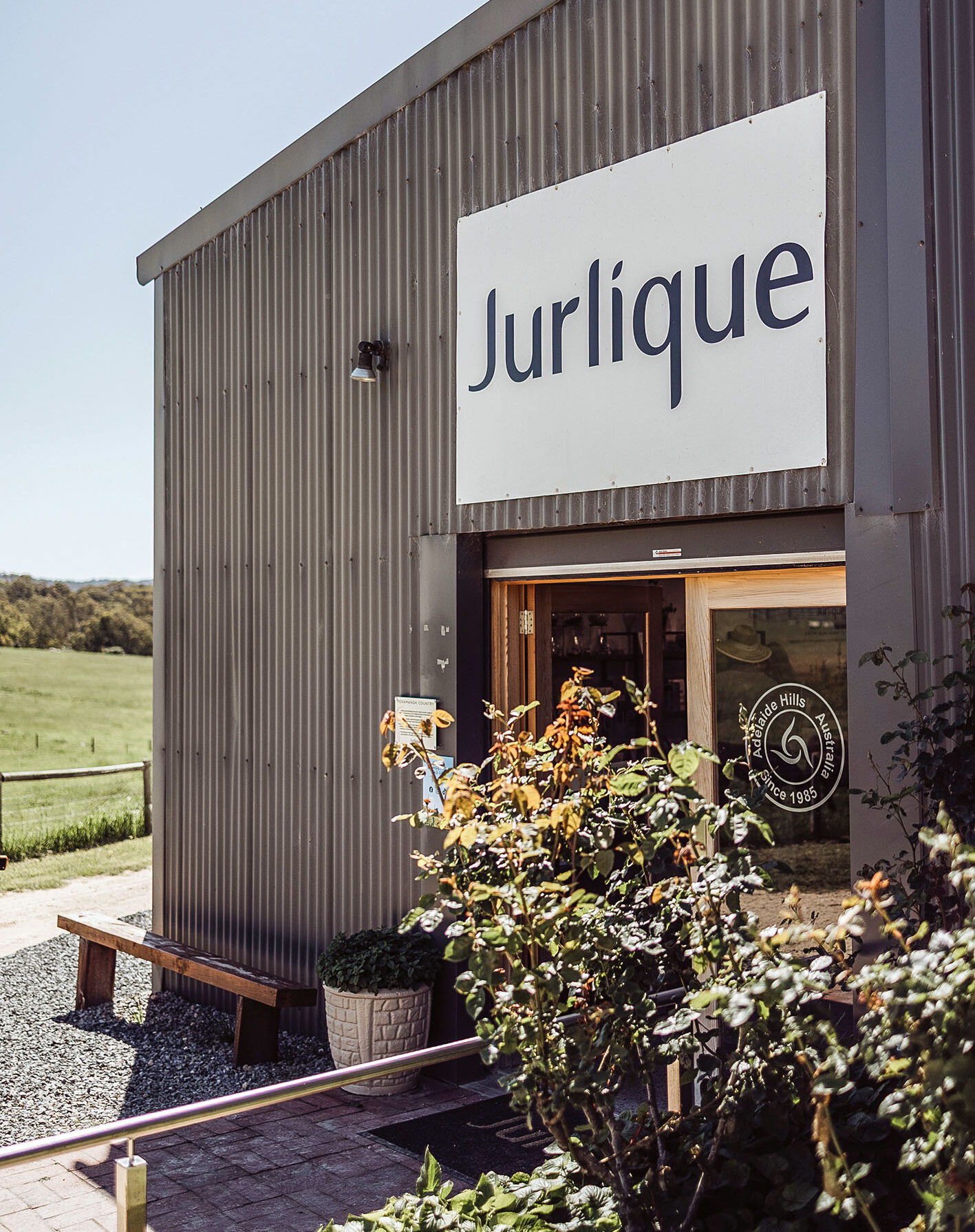
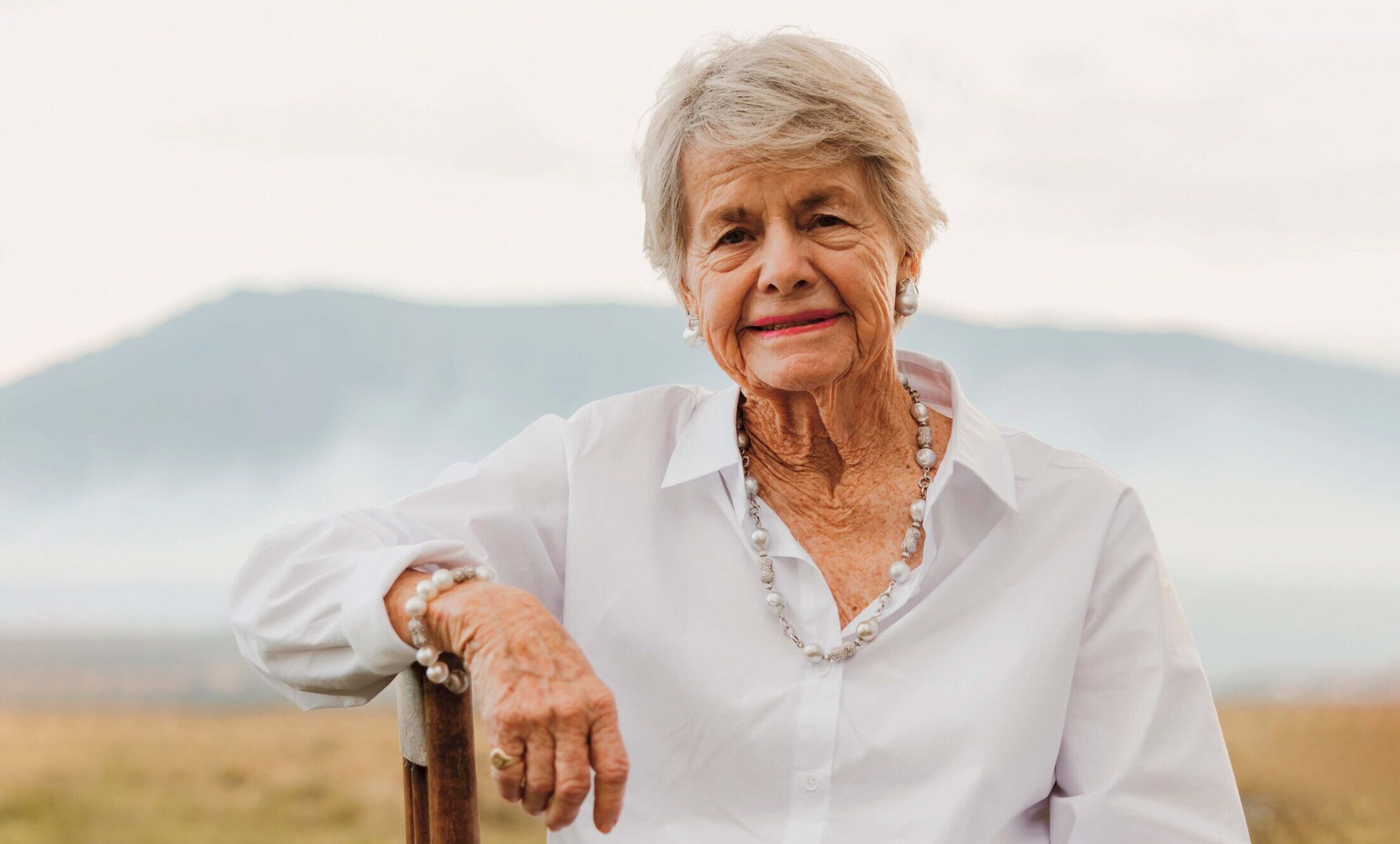
The name Jurlique is often mistaken for French, but it’s simply an amalgam of Jurgen and Ulrike. Ulrike, now in her early 80s and still living locally, remains a guiding light. “She is a deep thinker and visionary,” Cherie says.
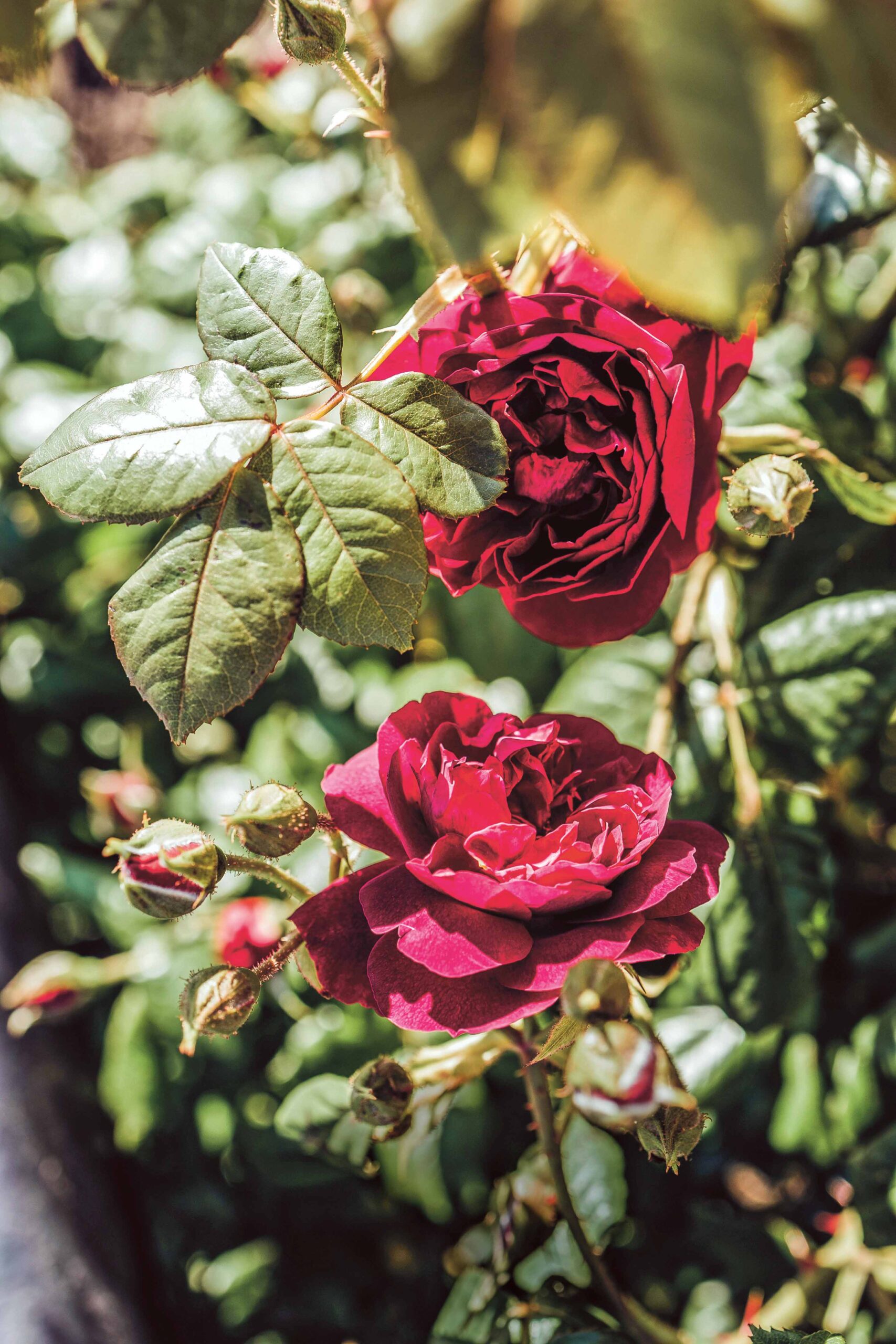
Jurlique’s three bestselling products — rose hand cream, rosewater balancing mist and moisture replenishing day cream — all begin in the fields Cherie oversees. She speaks of the plants with reverence. “We grow a pharmacy,” she says. “Achillea millefolium, also known as yarrow, has been used for thousands of years to stop bleeding, including on the battlefield. Those kinds of stories fascinate me.
In her early years on the job, Cherie was disheartened to discover Jurlique’s story was fading locally. So began her impassioned mission to regenerate local pride in its outstanding success. “We had tours, but it wasn’t a real focus.” Just before Covid, Cherie and her team designed a daily tour program to help reconnect the brand to its environment, which was home to Peramangk people for countless generations. They called the area Bukartilla, meaning ‘deep pool’, after the natural waterholes that formed where creeks feed into the Onkaparinga River.
The farm now welcomes visitors seven days a week, offering experiences that trace every step of production from seed to extraction. On the Jurlique Farm Tour visitors see how seedlings are propagated, learn about plant varieties and their uses, and hear how biodynamic principles guide soil health, composting and harvest. For those wanting a more hands-on, creative experience, the Handpicked Masterclass takes visitors from field to formulation. After touring the farm and harvesting their own botanicals, guests create a personal blend of oils to take home.
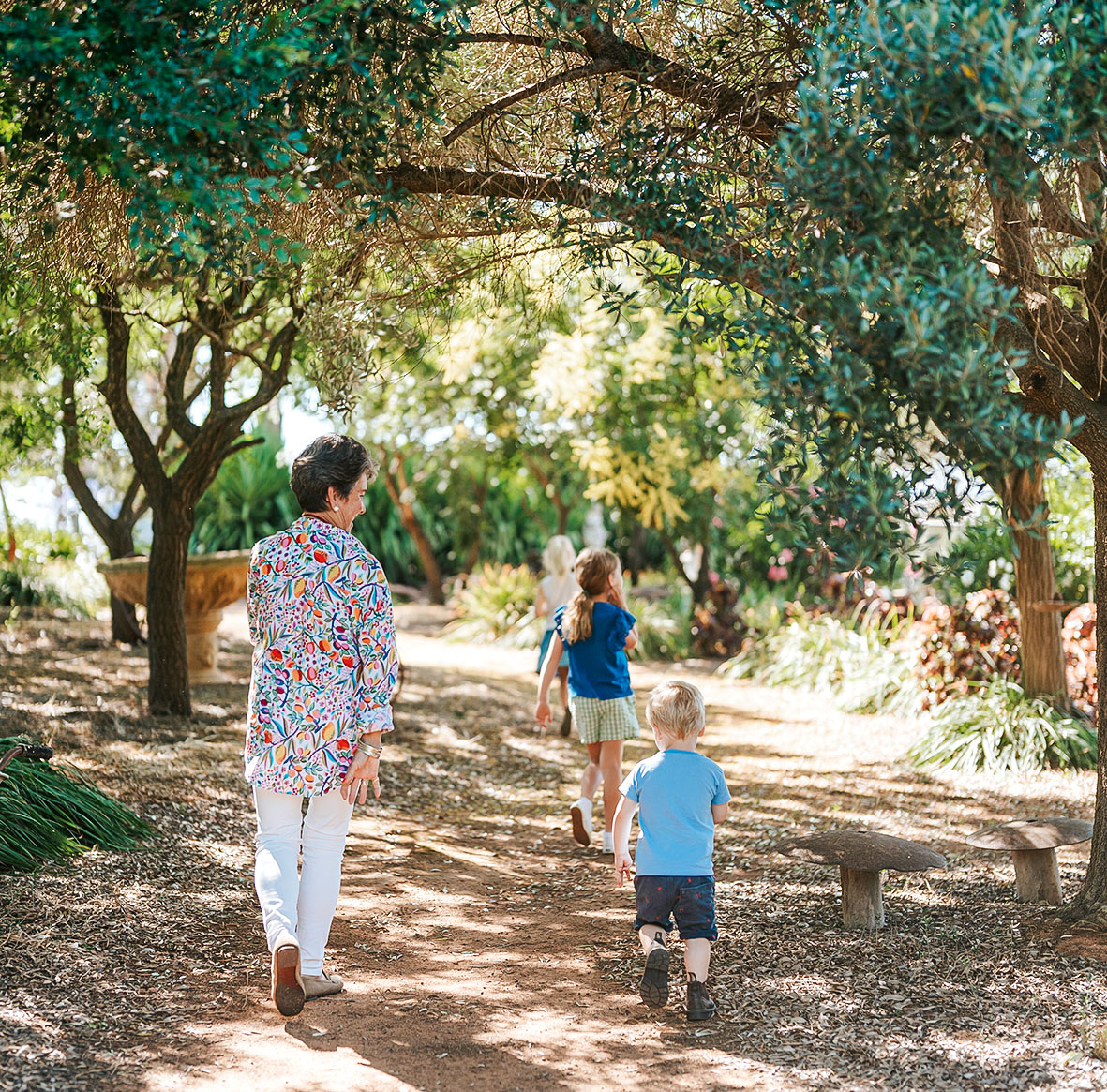
Cherie’s sons, Kealan, 10, and Bryce, eight, are frequent farm visitors. “I had my photograph taken for Graziher in the old buggy,” she says. “It was the first vehicle I was ever driven over the farm in, and now I take my kids out in that same buggy.”
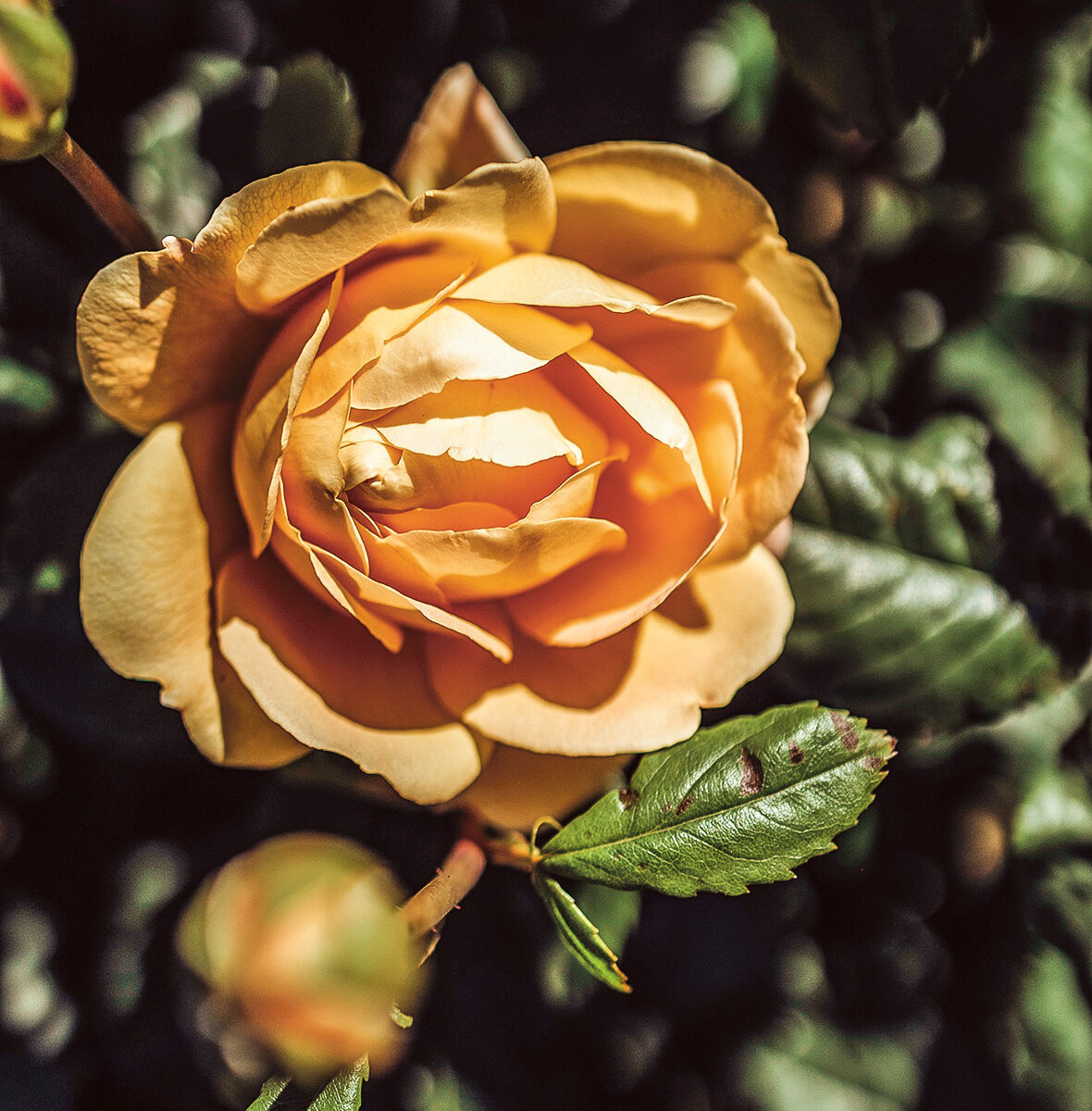
As she walks along the rows of roses each spring, the scent takes her home. “When I smell roses, I’m back on my grandparents’ farm,” she says. “The Jurlique rose is so fragrant it brings an instant smile.”
Subscribe to Graziher and you’ll receive a Jurlique Calendula Face Oil (50ml) valued at $92 (select a two- or three-year subscription and you’ll also receive a 2026 Graziher x Rabobank diary worth $49.99).
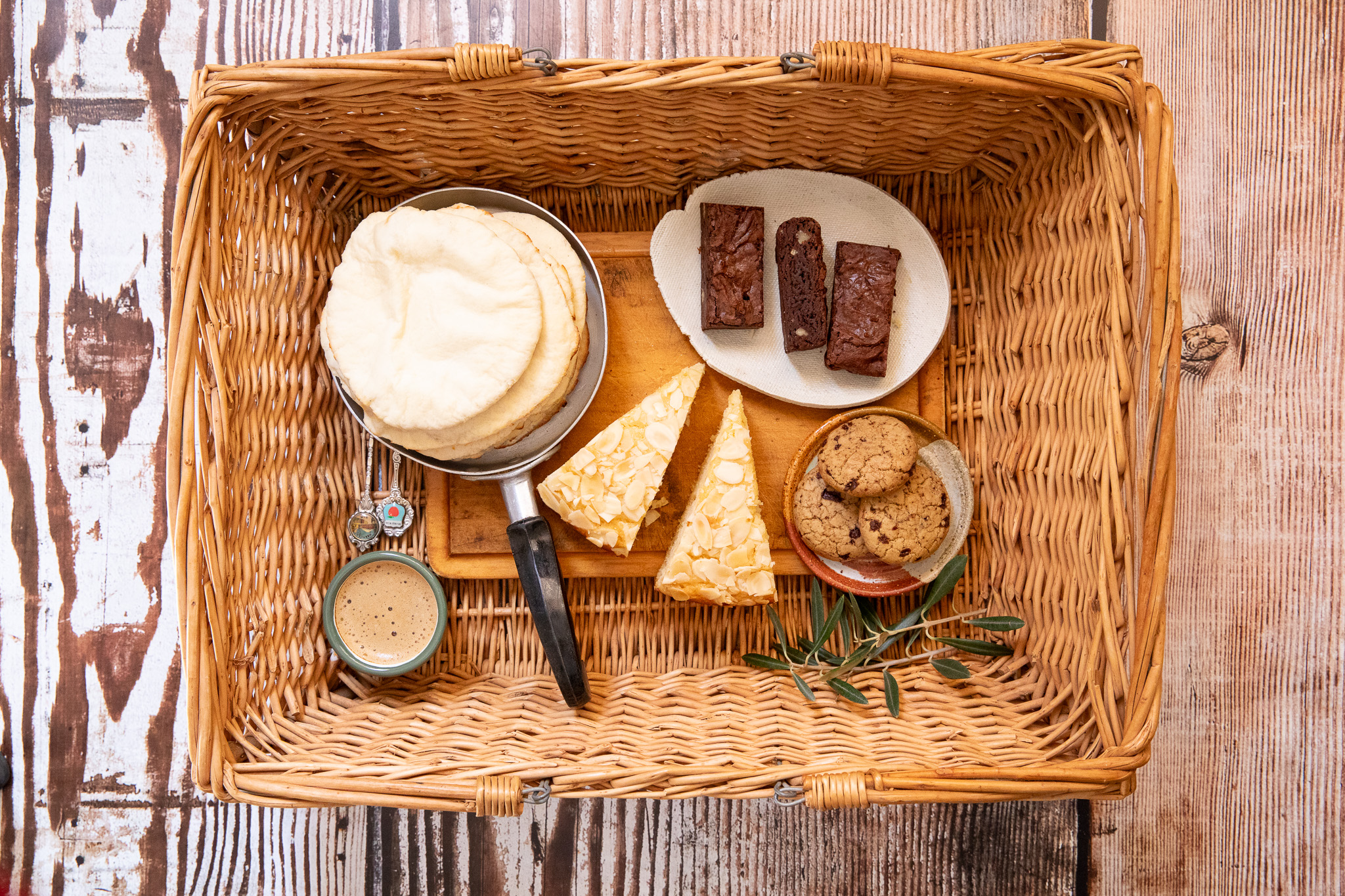
The annual olive harvest inspires the Shady Baker to share recipes that showcase the tangy flavour of freshly pressed oil.
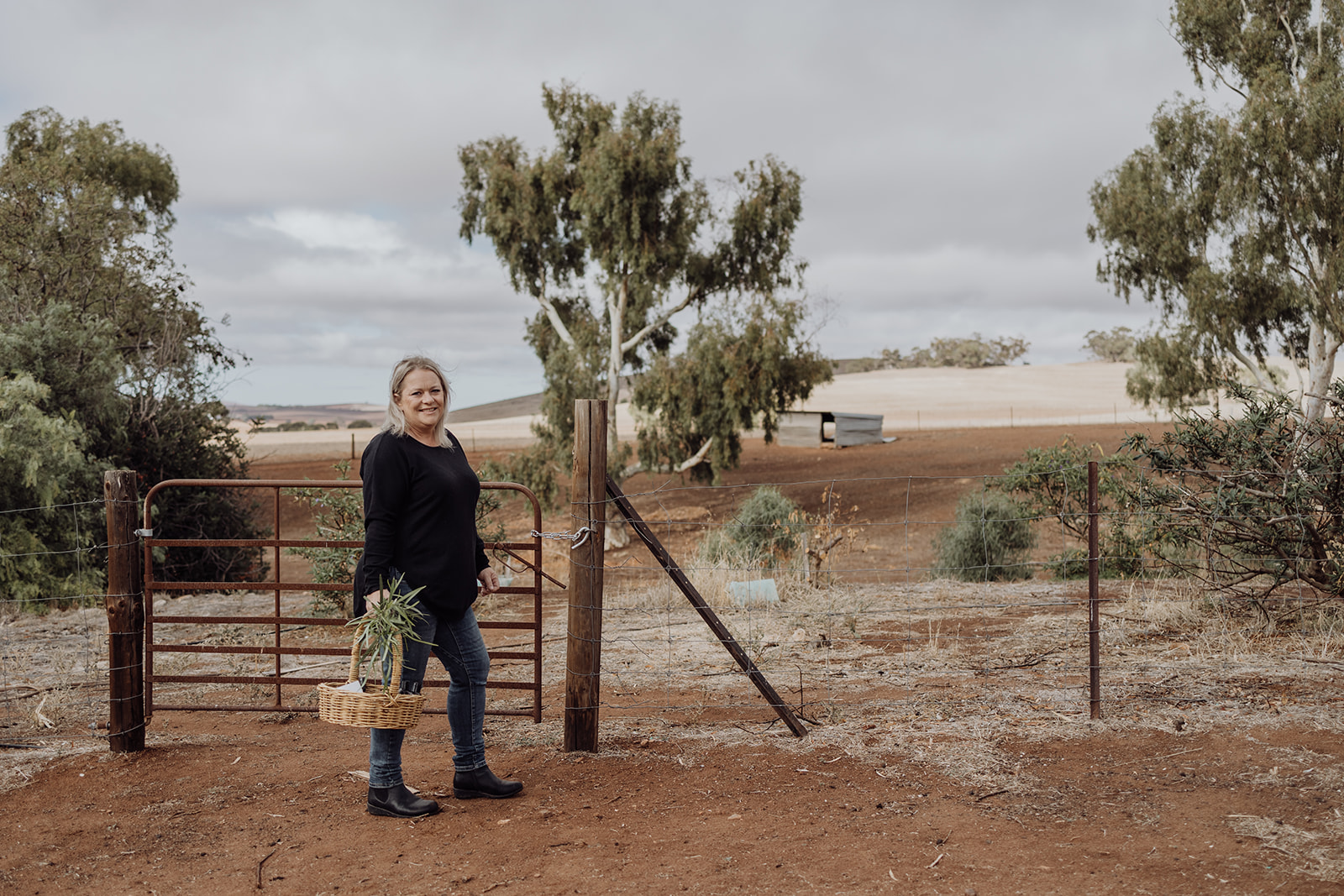
The South Australian massage therapist and mum of four turned to bush salves when she could no longer use her hands to heal.
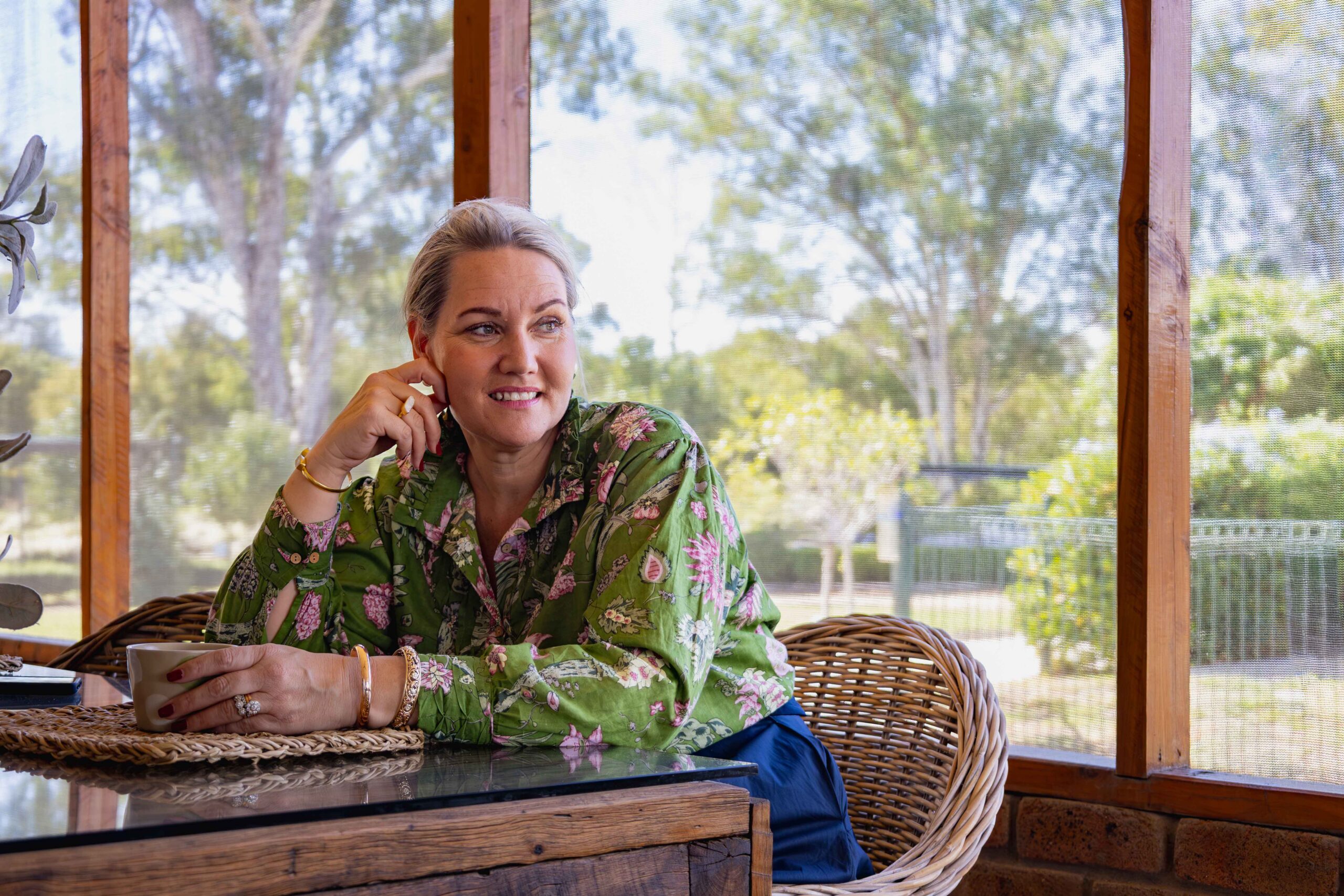
A designer, consultant and store owner, Bec Fing says the secret to “having it all” is hiring the best in the business.
Having worked on farms for most of her life, Caitlyn knows what it takes to run a successful agribusiness in the Riverina.