


PHOTOGRAPHY SAMUEL SHELLEY
Sign up to our mailing list for the best stories delivered to your inbox.
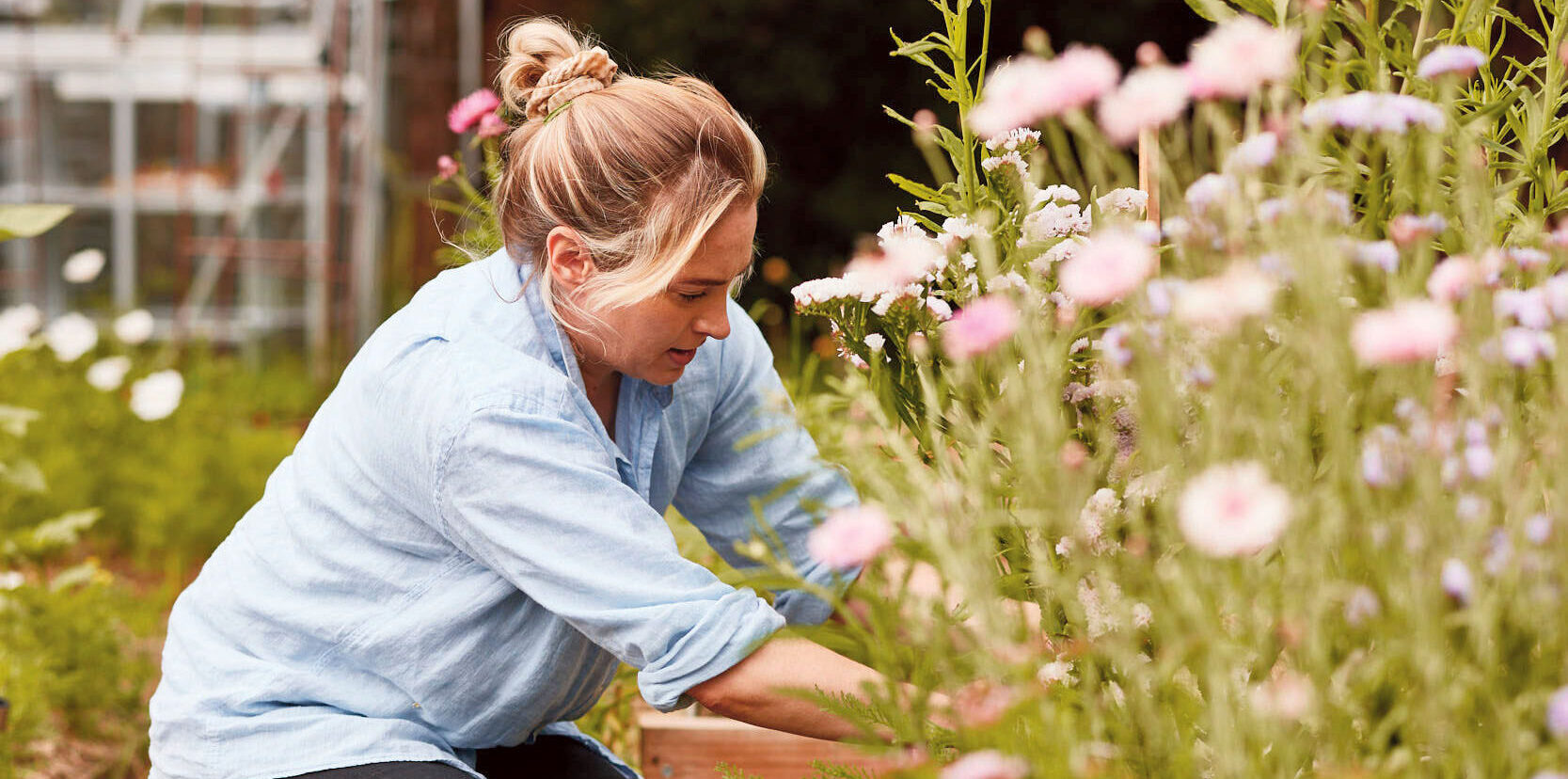
Once a veterinary nurse, Rebecca Shelley now runs a flourishing online seed store.
WORDS AMANDA DUCKER PHOTOGRAPHY SAMUEL SHELLEY
PHOTOGRAPHY SAMUEL SHELLEY
PHOTOGRAPHY SAMUEL SHELLEY
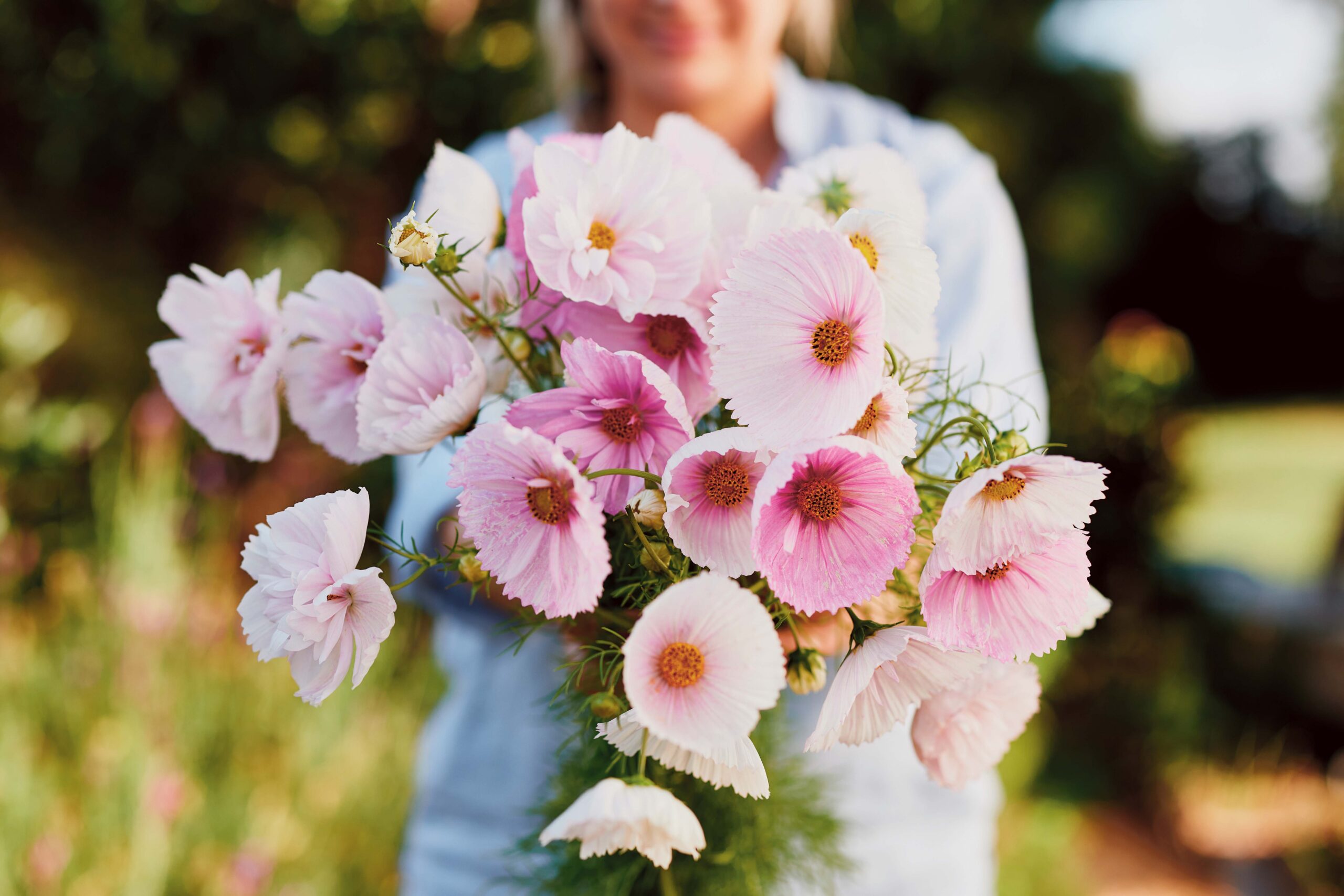
The Cosmos ‘Cupcakes Blush’ cultivar is a bestseller.
As her desire for unusual varieties of edibles grew, the former veterinary nurse and mother of three noticed a gap in the market that seemed to be more than just a supply-chain issue.
“I found it hard to get seeds during Covid,” she explains. “Obviously there was a need for another distributor.”
In partnership with her husband and brother, Rebecca leapt to it and launched an online packet seed business from her dining table.
“We started selling just a few basic winter crop varieties in 2020,” she says. “Beetroot, cauliflower, broccoli, beans and that was about it. We were also selling seedlings at a roadside stall.”
PHOTOGRAPHY SAMUEL SHELLEY
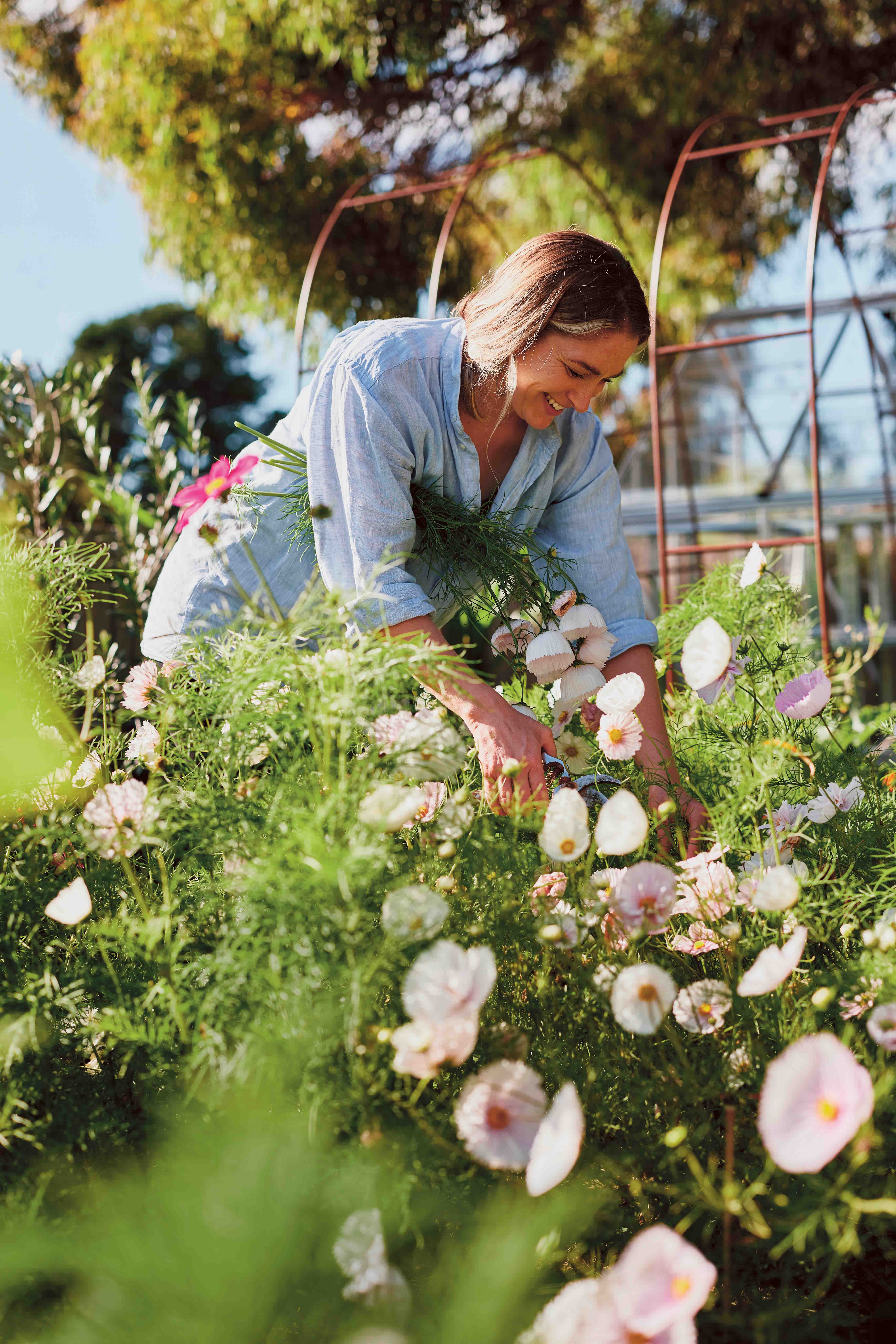
Rebecca raids her own garden for cut flower options.
PHOTOGRAPHY SAMUEL SHELLEY
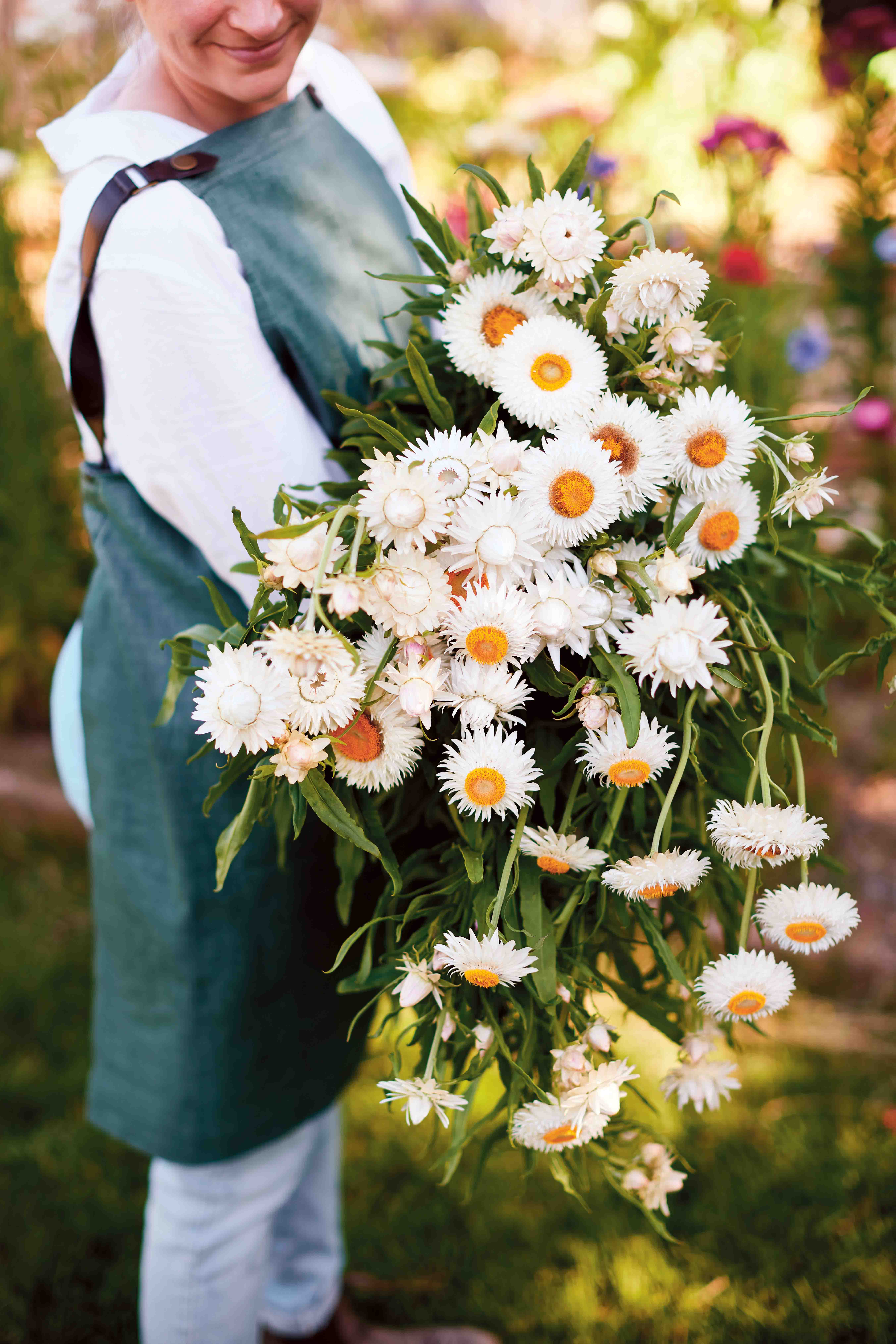
Native strawflowers (aka everlasting or paper daisies) are easy to grow.
Soon a business called Veggie Garden Seeds was born. It was Rebecca’s baby, so she led the charge with a strong focus on sourcing seeds from around the country and internationally. Her photographer brother, Samuel Shelley, developed a website and shot plants. Rebecca’s husband Robert Knight, who works in nature tourism, took on the accounting and online marketing for the fledgling venture.
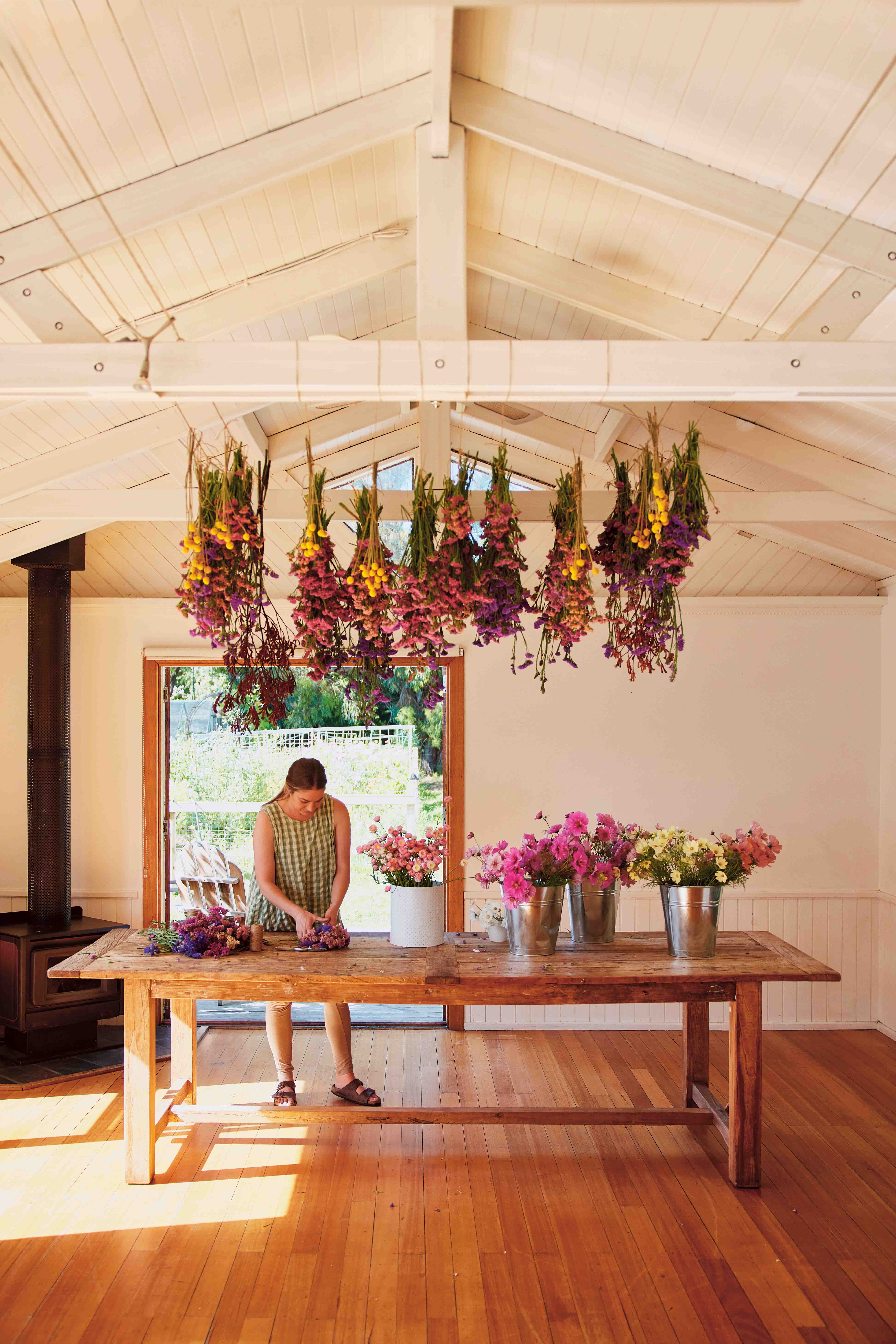
So far, so good. Then Rebecca introduced specialty flower seeds. And orders proliferated. Today, 90 per cent of sales of what is now called Veggie & Flower Garden Seeds are for flower seeds. And 90 per cent of Rebecca’s customers are women. Customer data — not to mention Instagram — shows a swathe of women from rural and regional areas, with plenty of room to create their own cut-flower beds. Some of them sell the pickings.
PHOTOGRAPHY SAMUEL SHELLEY
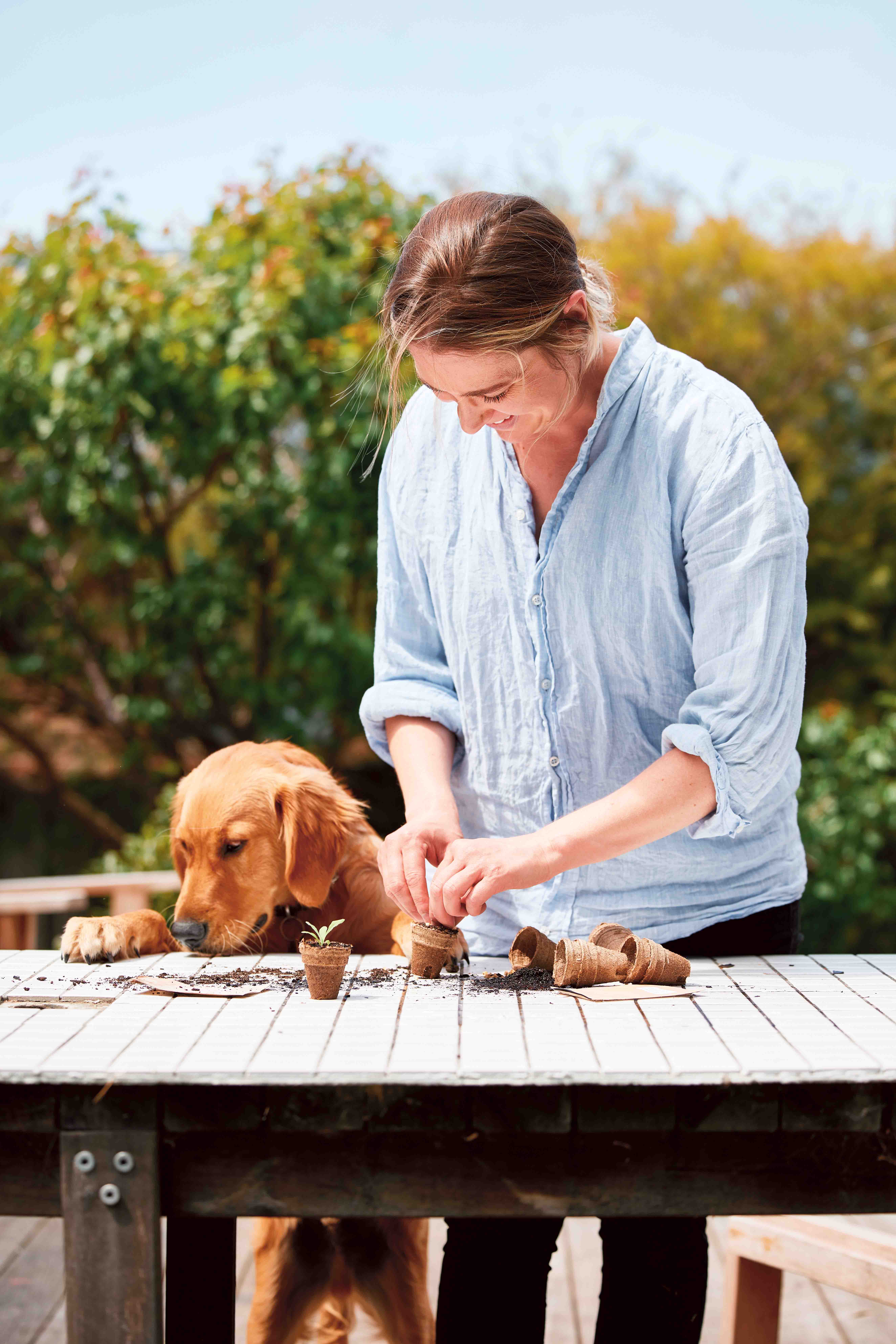
Murphy the golden retriever takes an interest in Rebecca’s work at the potting bench.
PHOTOGRAPHY SAMUEL SHELLEY
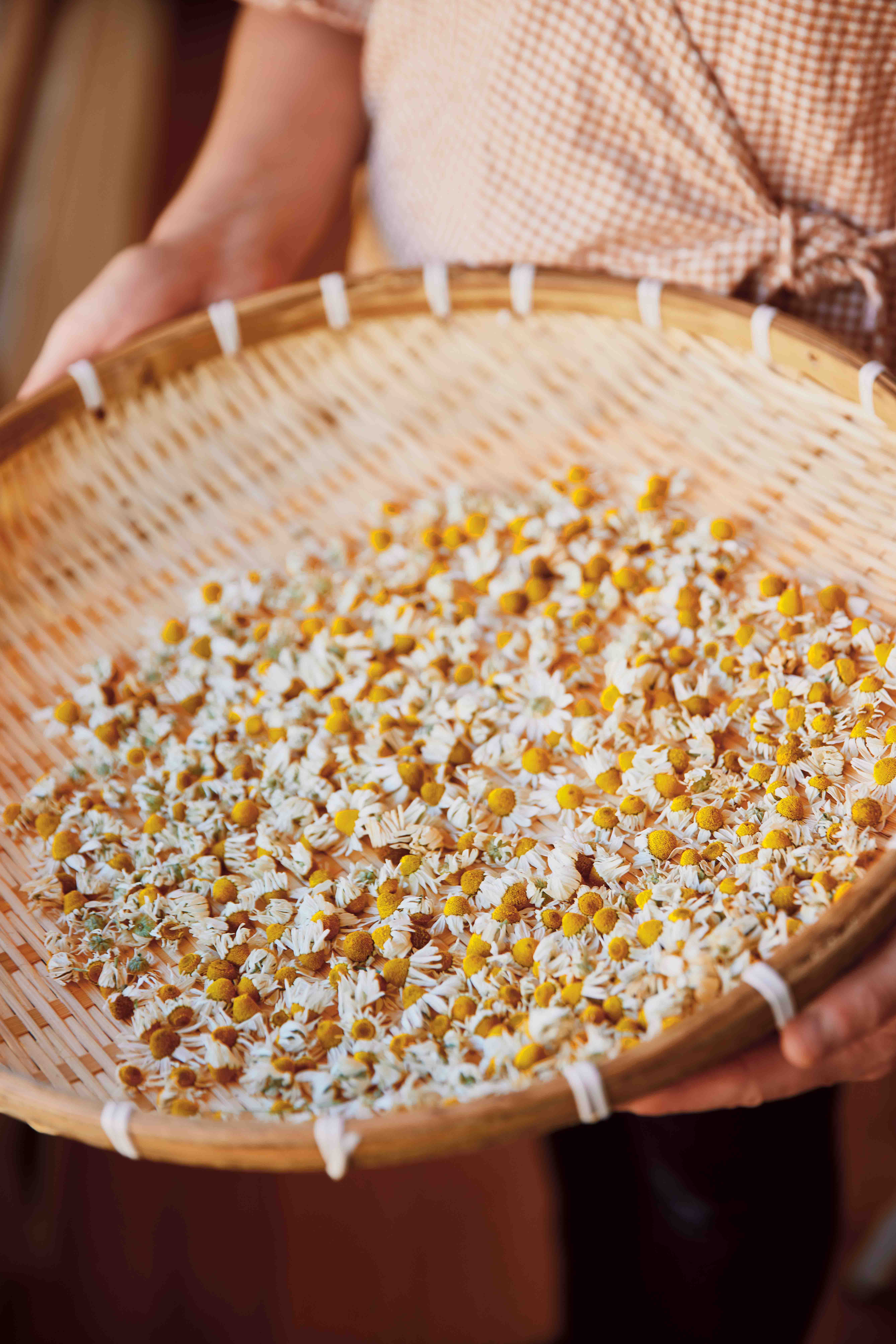
Collecting the seeds.
“I know through social media that many women are making mini cut-flower gardens in their backyards, too,” she says. “Not everyone has a huge farm area.”
The first best-seller was a cosmos cultivar called ‘Cupcakes Blush’, for which she imported seeds from the US, and it remains one of the most sought-after flowers even as the range has dramatically expanded. “The flowers do look like cupcakes,” Rebecca says, laughing and showing me a picture on her phone.
We are sitting with her constant companion Murphy, a golden retriever, in the dog-friendly beer garden at the Salty Dog Hotel at Kingston Beach, just south of Hobart. Rebecca lives at nearby Blackmans Bay with Robert and their children. Henry is 10 and twins Isla and Louis are five. The little ones were six months old when Rebecca launched the business.
PHOTOGRAPHY SAMUEL SHELLEY
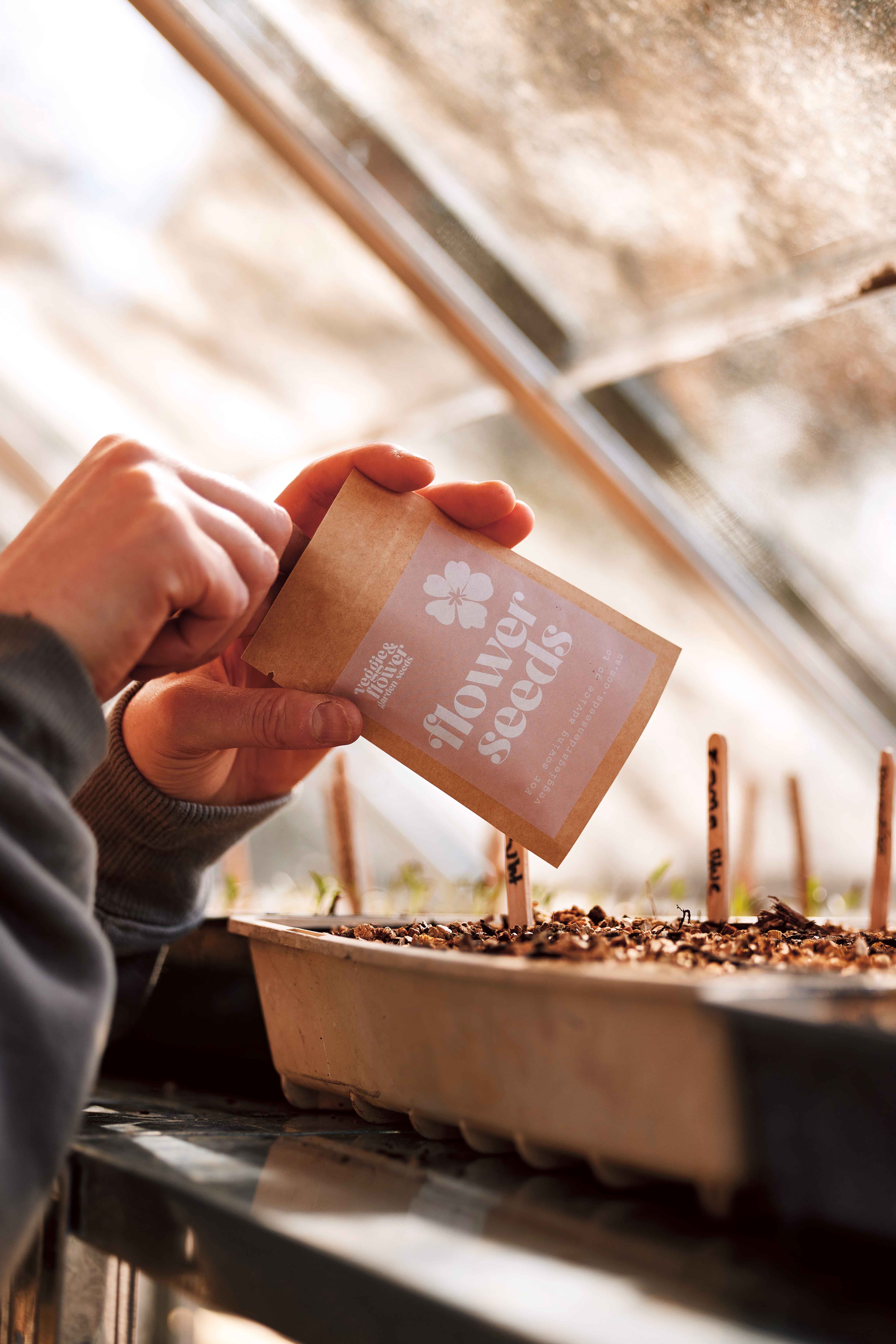
Flower seeds going into seedling trays in Rebecca’s greenhouse.
PHOTOGRAPHY SAMUEL SHELLEY
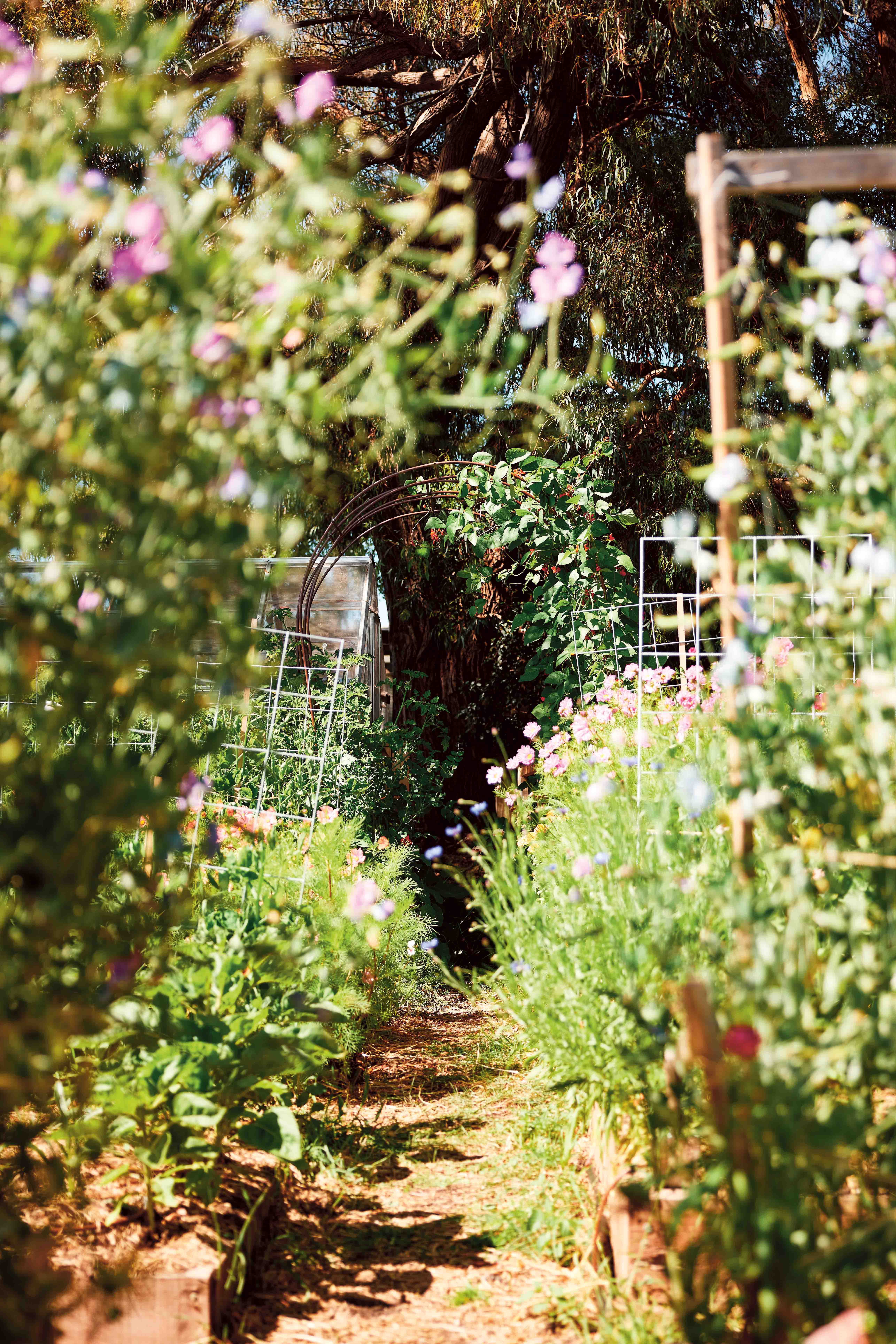
A cutting garden doesn’t need a huge space.
After six months juggling family and business, she rented an office space at Margate, 10 kilometres away, to separate her home and work lives. Today, the business has expanded to four office spaces that accommodate 10 staff, mostly university students and mums with school-age children, who each work between two and five days a week. Now that the twins are at school full time, Rebecca works daily.
“Business is growing; it’s exciting,” she says. “We are very lucky to have such a good team working behind the scenes. Seeing the pile of orders going out by Australia Post at the end of the day, to all around Australia, is really cool.”
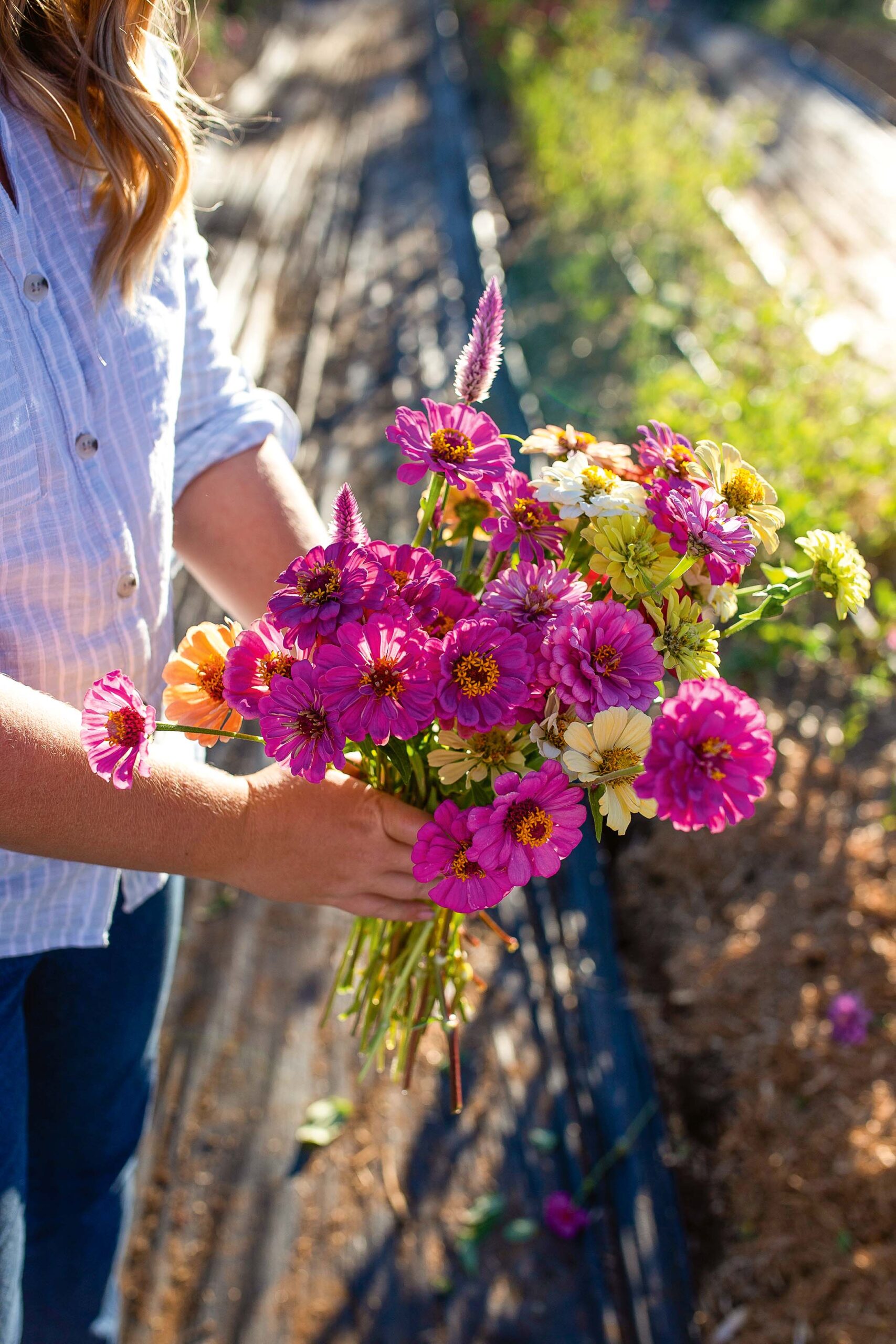
Cosmos has some competition on the bestseller list, with strawflowers, billy buttons, snapdragons and zinnias among customer favourites.
PHOTOGRAPHY SAMUEL SHELLEY
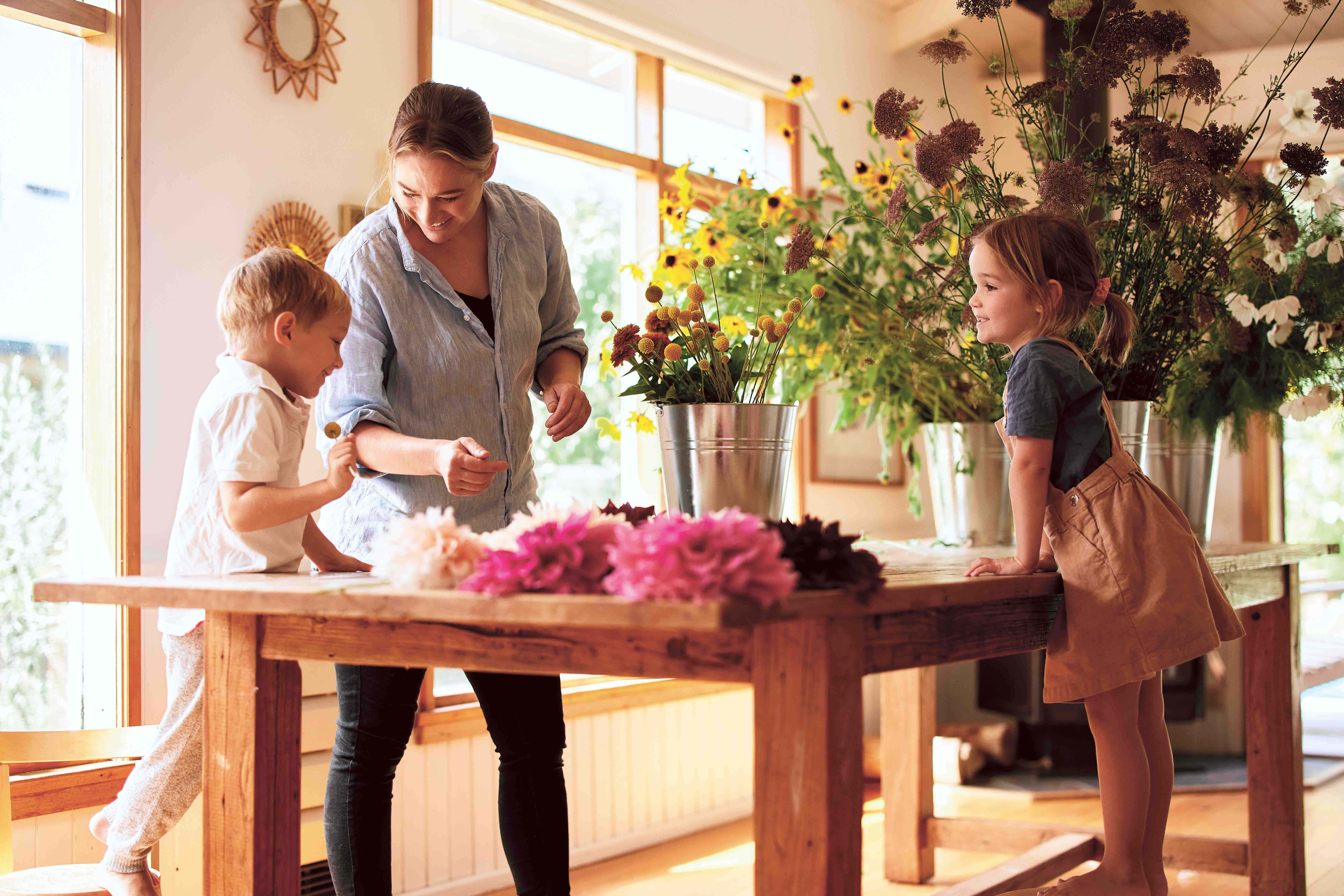
Five-year-old twins Louis and Isla watch their mother working with billy buttons, zinnias and other flowers. She’s been running her business since they were babies.
PHOTOGRAPHY SAMUEL SHELLEY
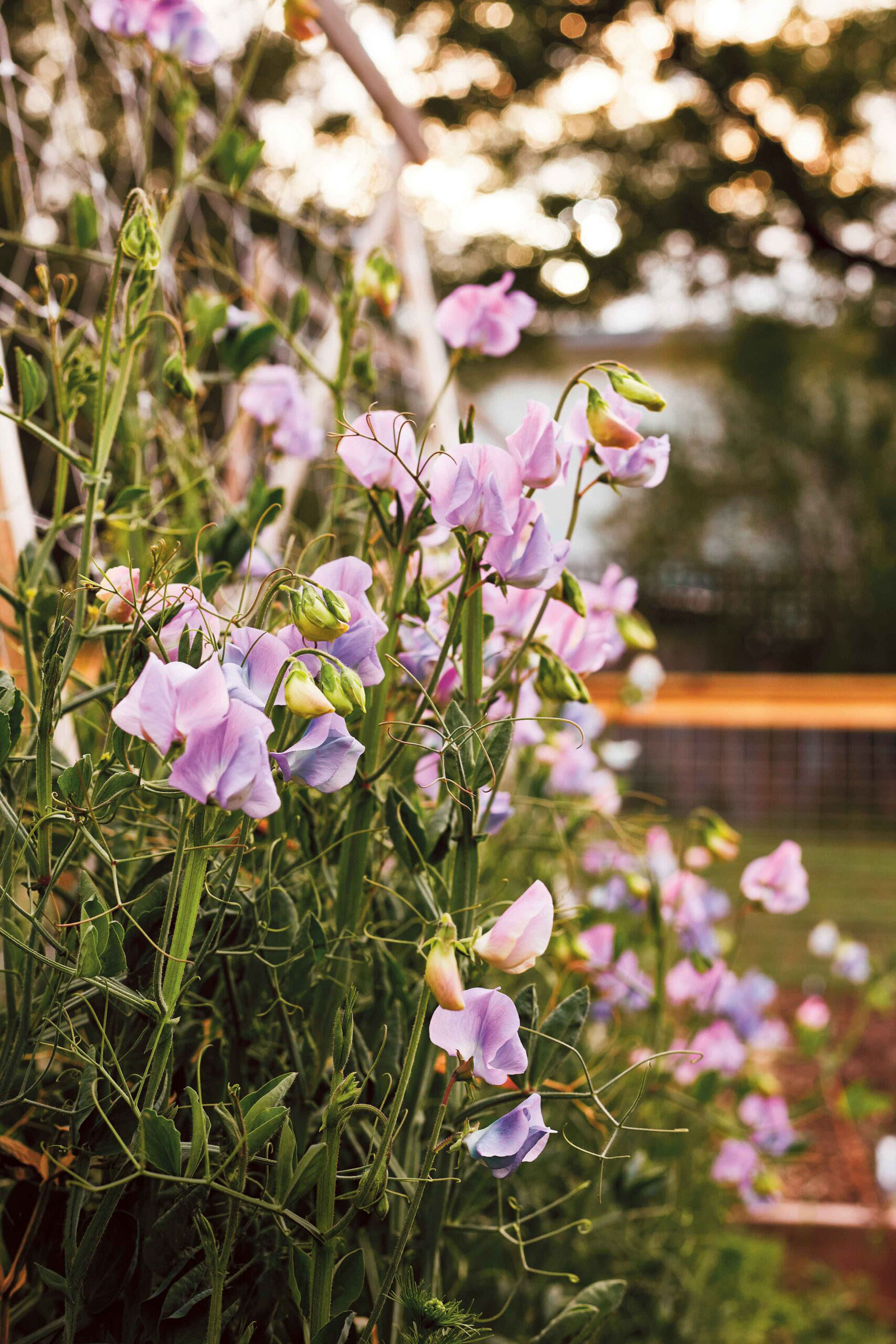
Seeds from sweet peas grown in the backyard sold out within 24 hours
Each variety is carefully curated for its distinctive features, including ease of growing as well as appearance and scent. “Native strawflowers, which are also known as everlasting daisy and paper daisy, are super-hardy, last a long time in the garden and are great for the bees. The flowers come in a large range of colours — rose, white, apricot, peach, purple, copper and more — and once you pick them you can hang them upside down to dry them.”
Like strawflowers, fellow native billy buttons (Pycnosorus globosus), also known as drumsticks and sun balls, are easy to germinate and can tolerate harsh conditions and poor soil once established.
“They have long, stiff wiry stems, making them a perfect cut flower that can be used fresh or dried, when they retain their bright yellow colour,” Rebecca says. “They look great en masse in a vase, and in the garden they are just a really fun feature.”
PHOTOGRAPHY SAMUEL SHELLEY
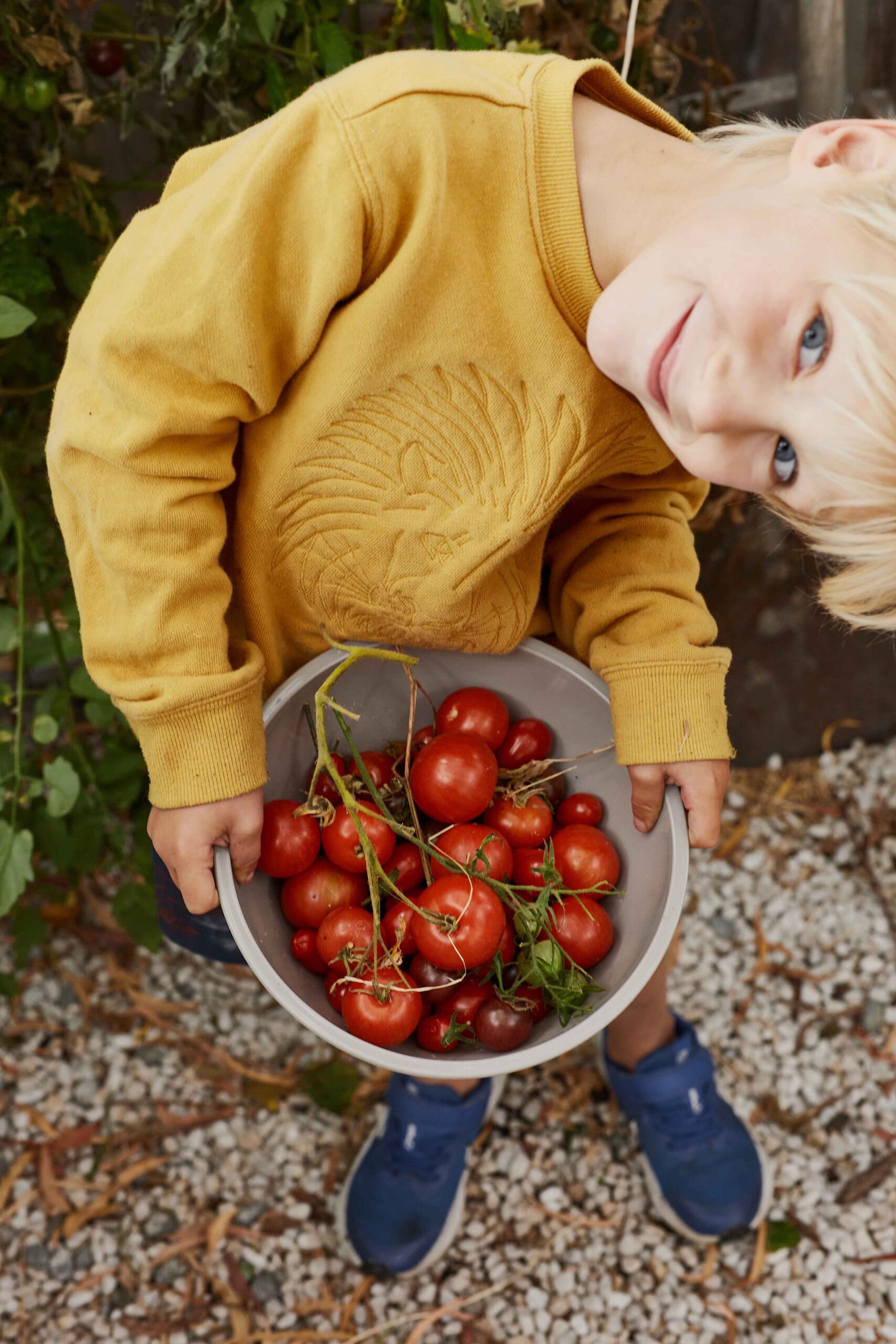
Henry harvests tomatoes.

PHOTOGRAPHY SAMUEL SHELLEY
A golden retriever puppy, Maisy, has recently joined the family.
As for zinnias, the array is breathtaking. Recently, it became even more so with Rebecca’s freshly minted agreement that will see her become the only Australian stockist of US flower farmer Floret’s new varieties.
Her move into seed harvesting with a focus on divinely scented sweet peas is also proving a success. “Last summer we harvested special varieties of sweet peas developed by Dr Keith Hammett, a New Zealand plant breeder, and they were a hit, a gift. They sold out in 24 hours. That experience, just from our backyard growing, has given us the confidence to grow larger crops to harvest seeds. We are currently looking for land to buy to so we can grow additional varieties of sweet peas then expand from there.”
PHOTOGRAPHY SAMUEL SHELLEY
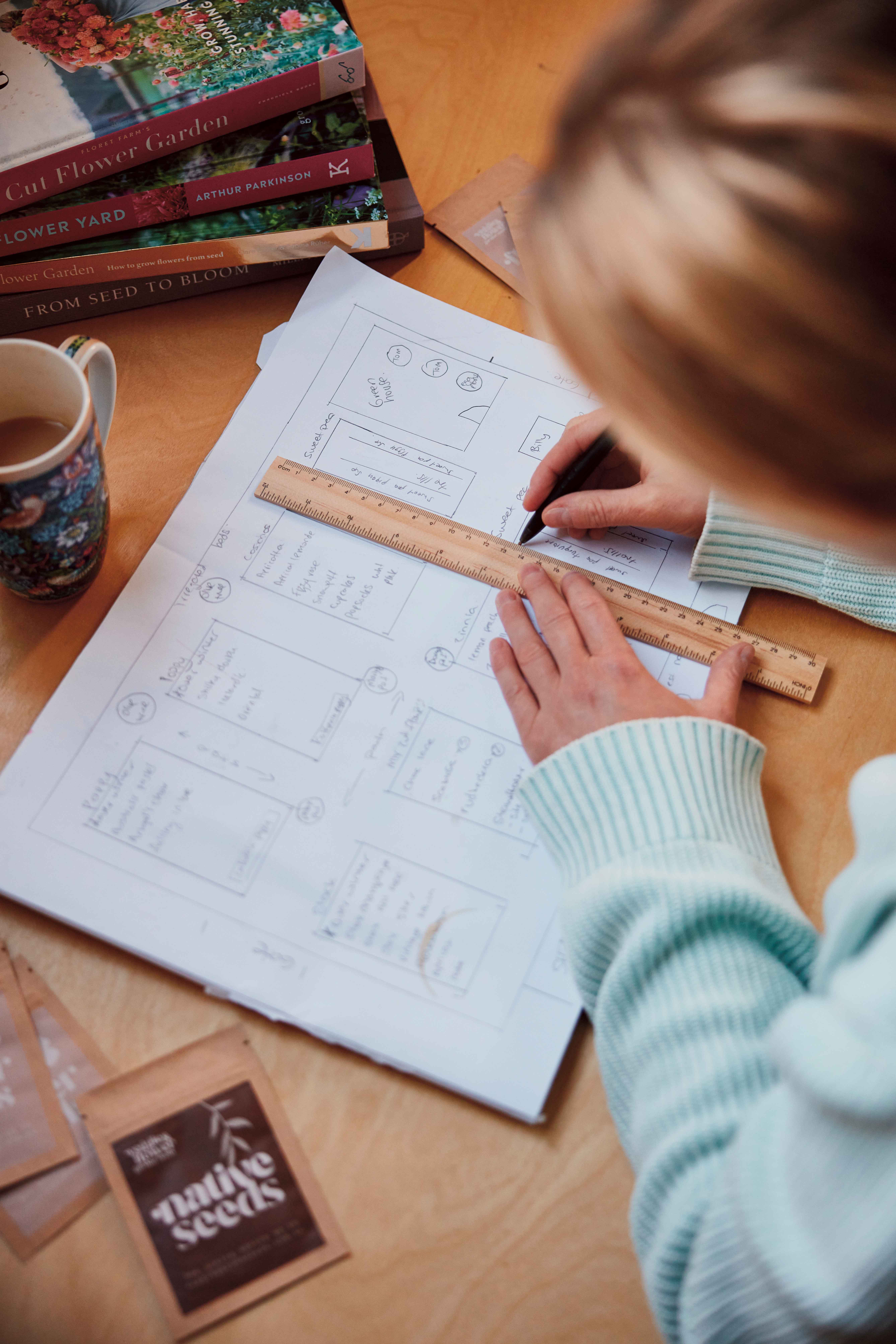
A well-kept garden journal is key to her success.
PHOTOGRAPHY SAMUEL SHELLEY
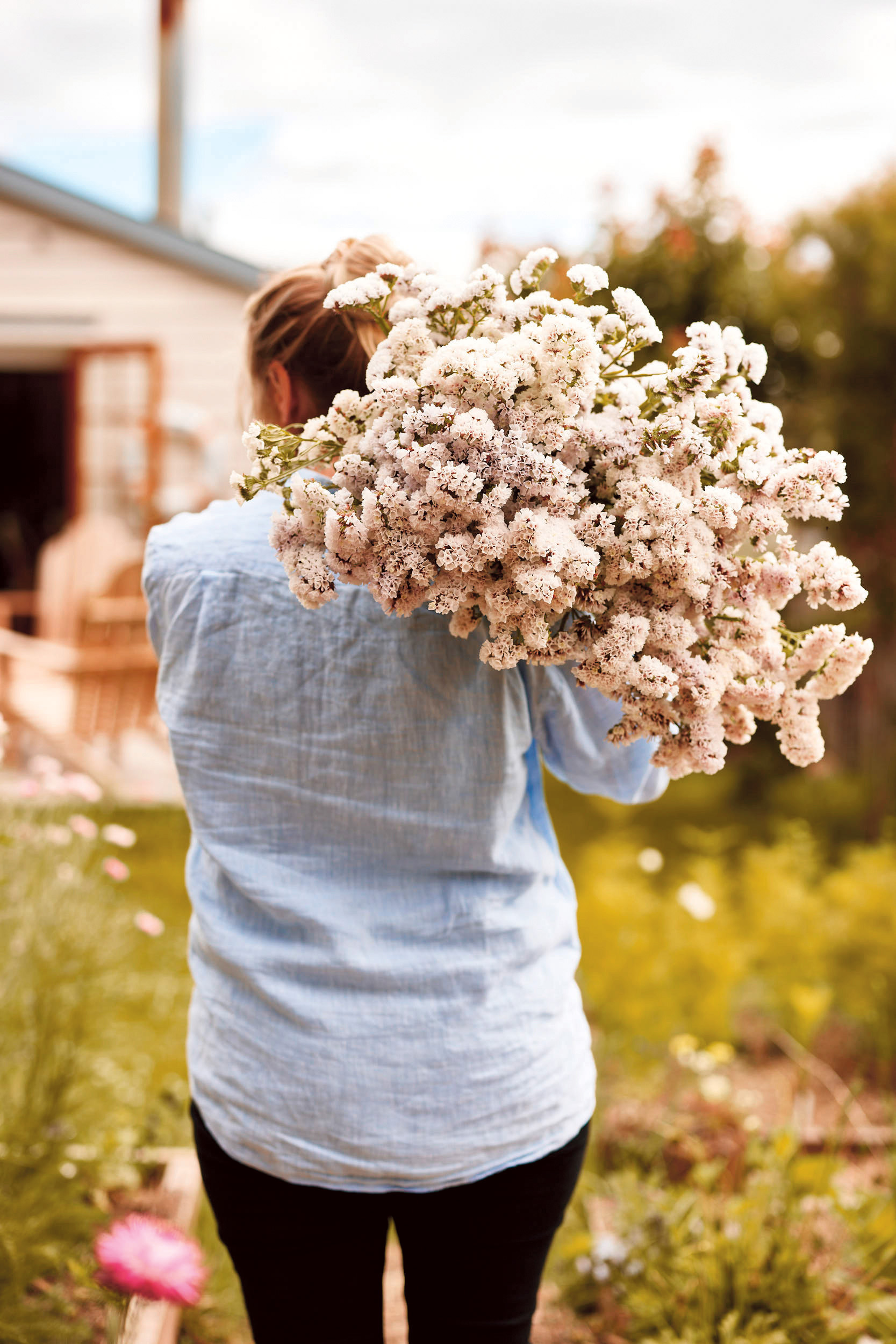
Gathering statice flowers.
Her biggest tip for her customers is to raise their seedlings in punnets. “You will get a better germination rate in a greenhouse-type environment for the first six weeks before transplanting to the garden. I haven’t had much success just scattering seeds. Birds dig them up, ants eat them and carry them off and water washes the tiny little ones away.”
Most of all, she is keen to share the feelings of joy and satisfaction of growing seeds into lustrous blooms. “It’s not as scary as people might think,” she says. “It’s actually easy growing from seed.”
Read more of Rebecca’s cut-flower growing tips here.
Subscribe to Graziher and you’ll never miss an issue of your favourite magazine. Already a subscriber? Consider a gift subscription for someone special in your life.
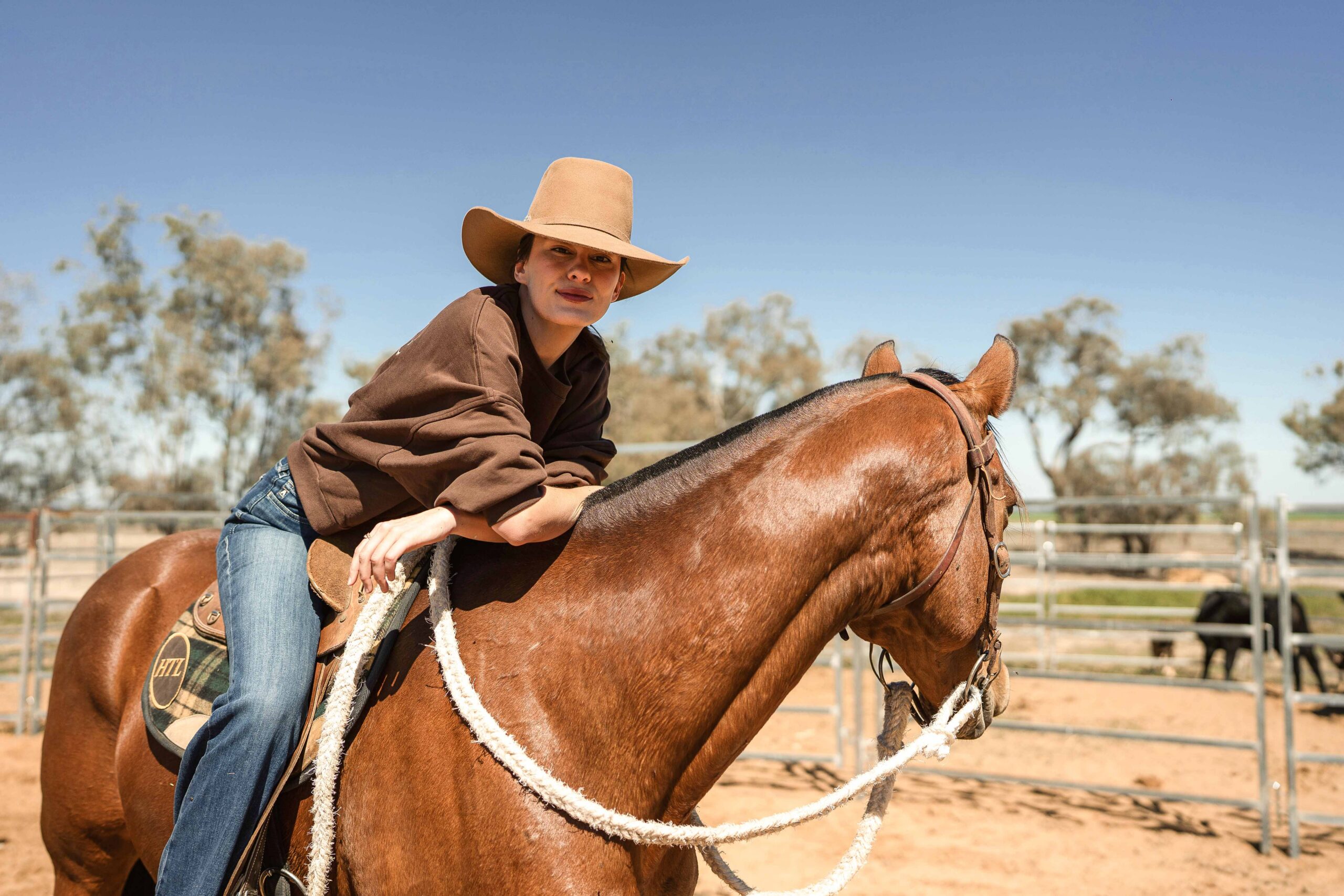
There are many ways to find a meaningful role in the industry, says Beef Australia’s Beth Rands.
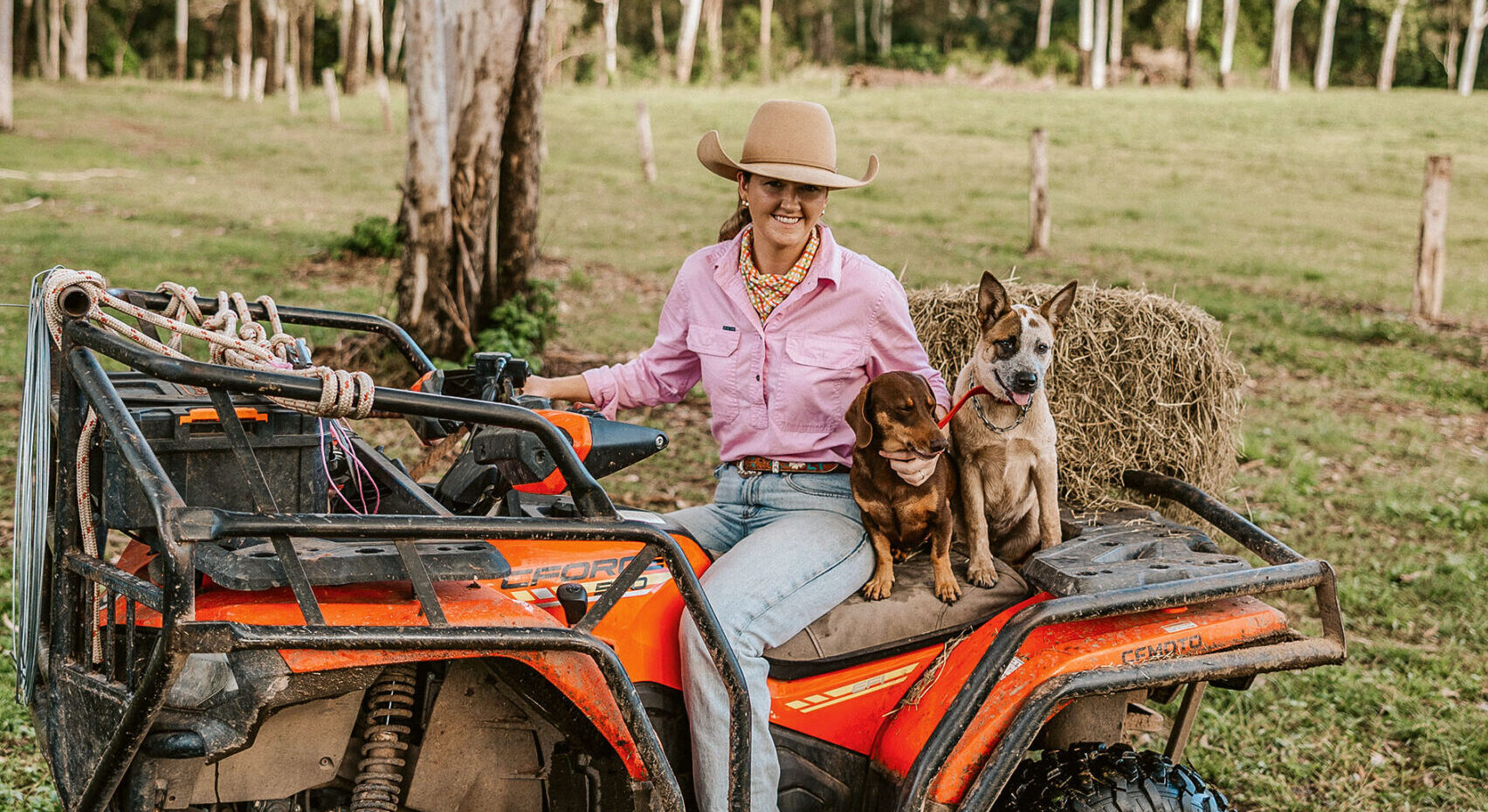
Hailing from a small Irish town, Lisa Fryer found love at Daly Waters’ Hi-Way Inn. Today, she and husband John are ushering in a new era for Tabletop Station, near Townsville, Queensland.
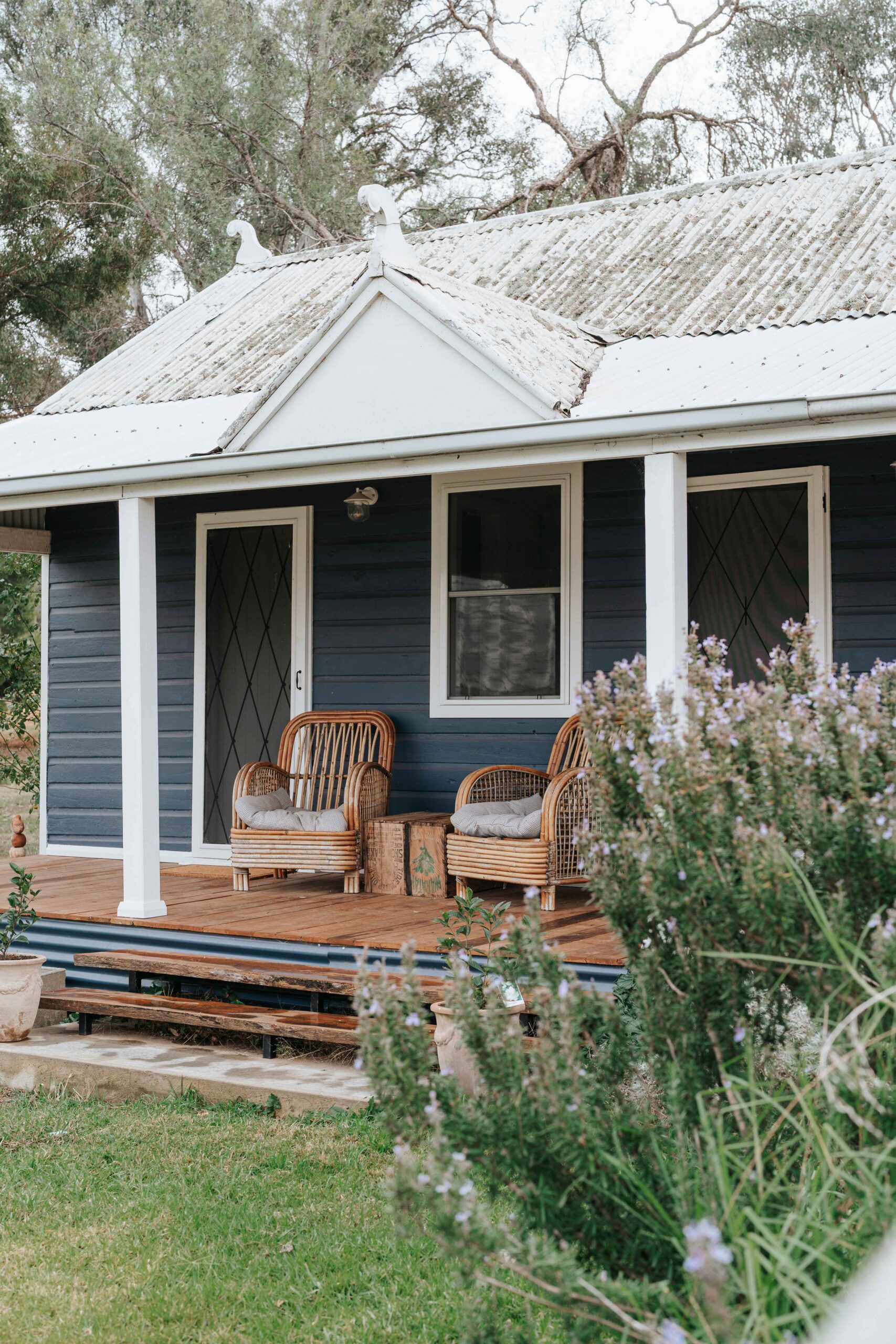
A weatherboard cabin in Alexandra MacAlpine’s garden becomes a guest cottage, thanks to the imagination of her sister-in-law.
The annual olive harvest inspires Jane Smith to share recipes that showcase the tangy flavour of freshly pressed oil.
Take advantage of the cooler temperatures and slower growth, writes Claire Austin.

