

PHOTOGRAPHY SAMUEL SHELLEY
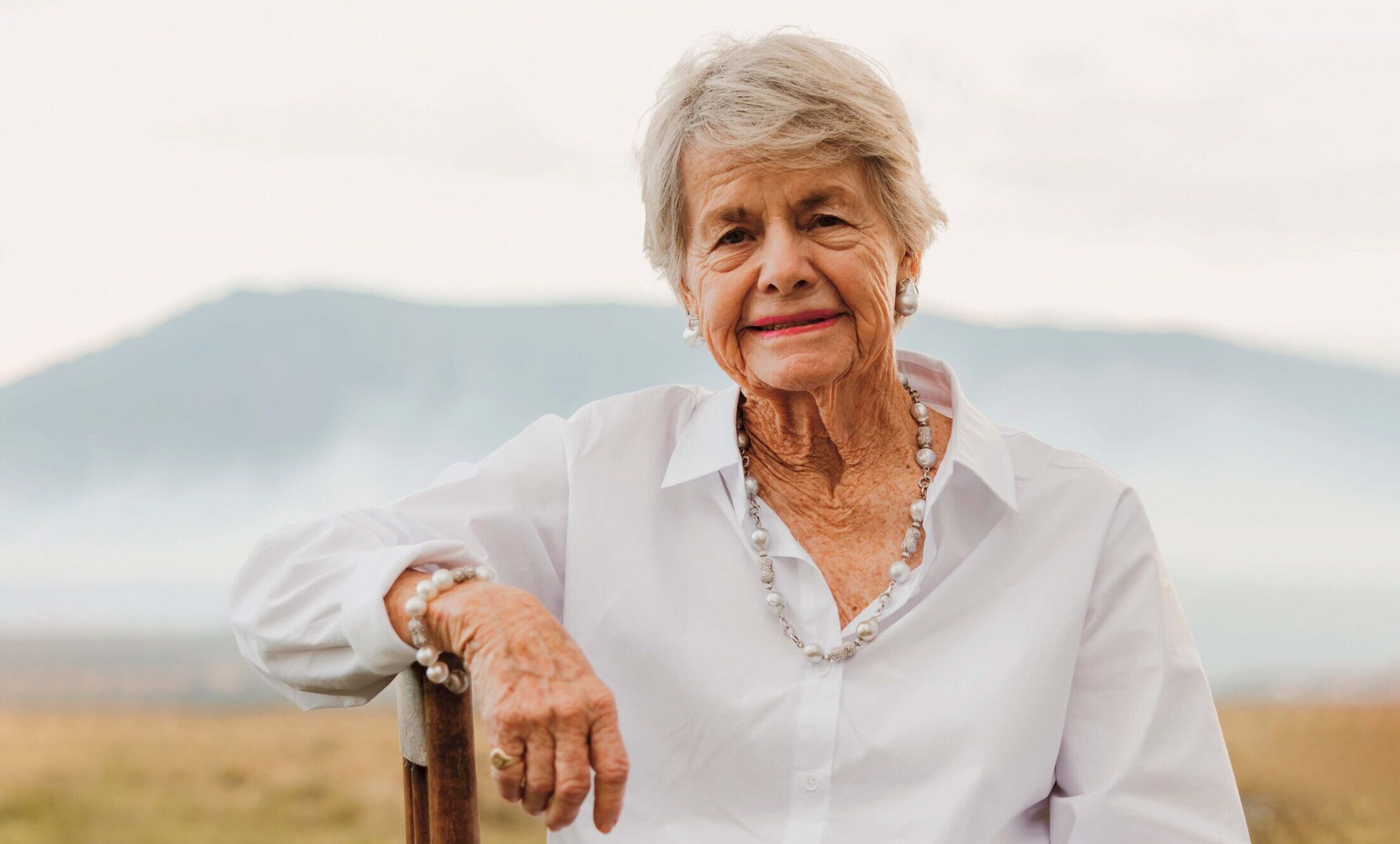
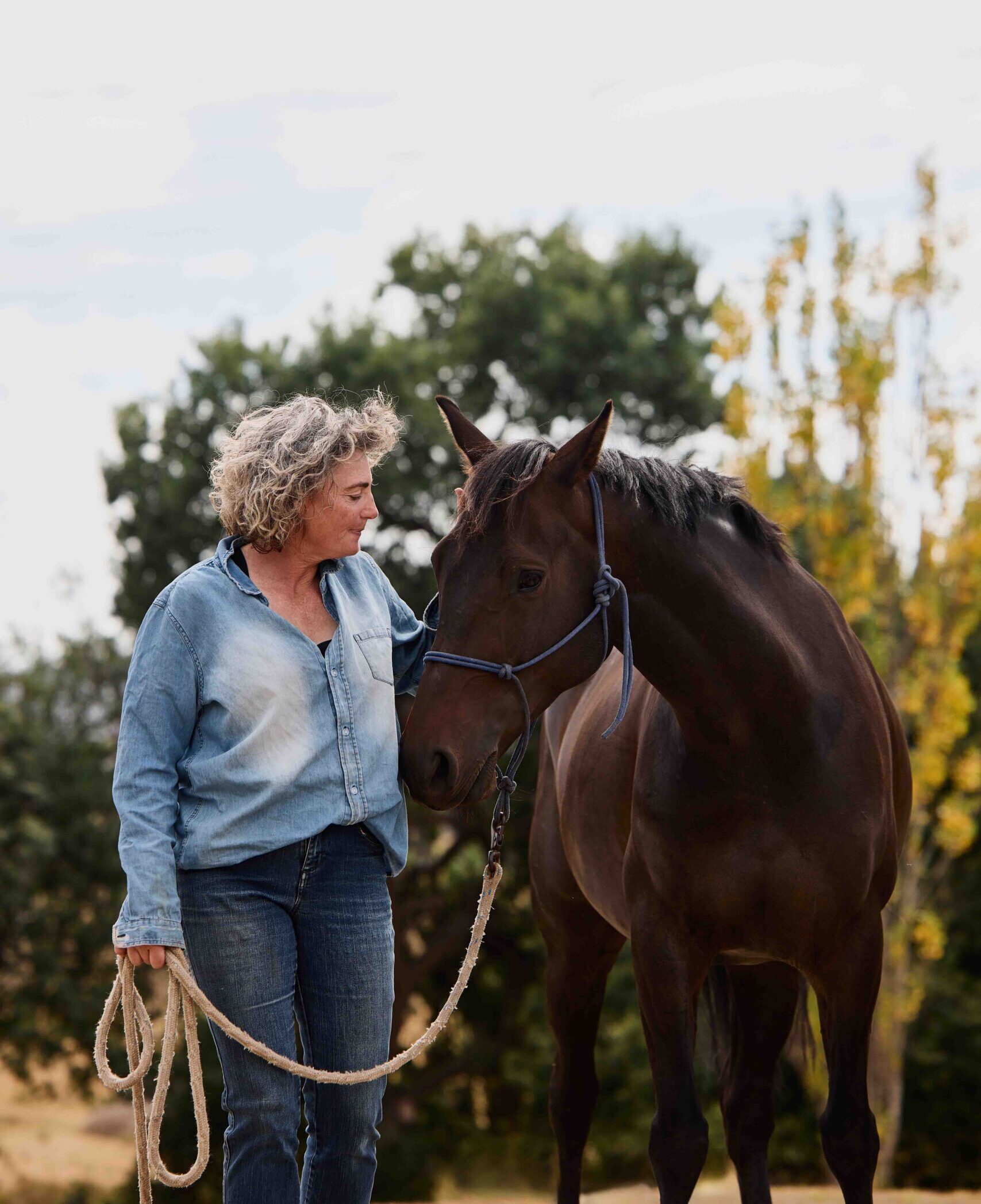
“This is... a woman who has lived 52 summers, with her horse,” says Maggie MacKellar.
Sign up to our mailing list for the best stories delivered to your inbox.
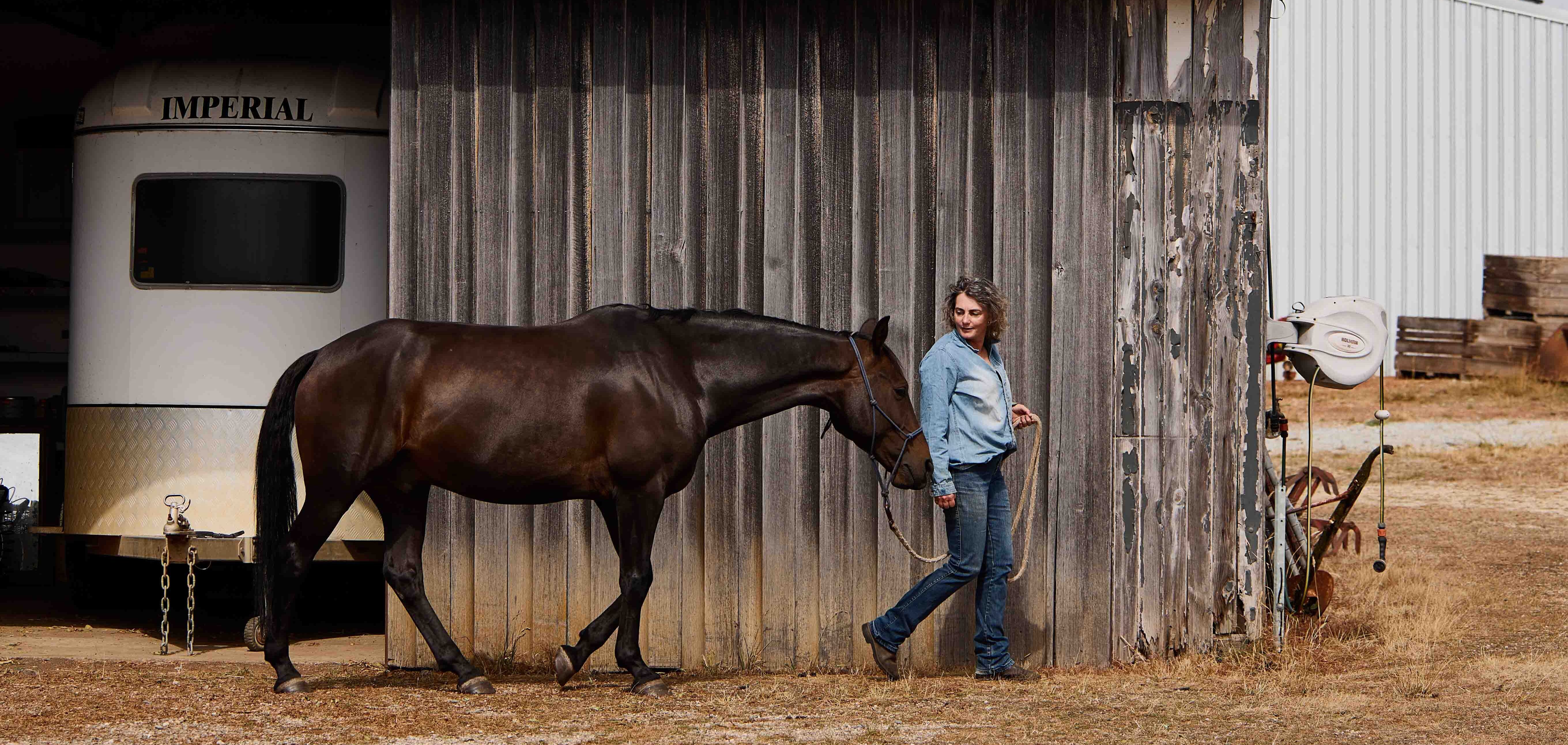
Maggie MacKellar reflects on growing older and the joy of a Sunday ride with friends.
WORDS MAGGIE MACKELLAR PHOTOGRAPHY SAMUEL SHELLEY
PHOTOGRAPHY SAMUEL SHELLEY
“This is... a woman who has lived 52 summers, with her horse,” says Maggie MacKellar.
PHOTOGRAPHY SAMUEL SHELLEY
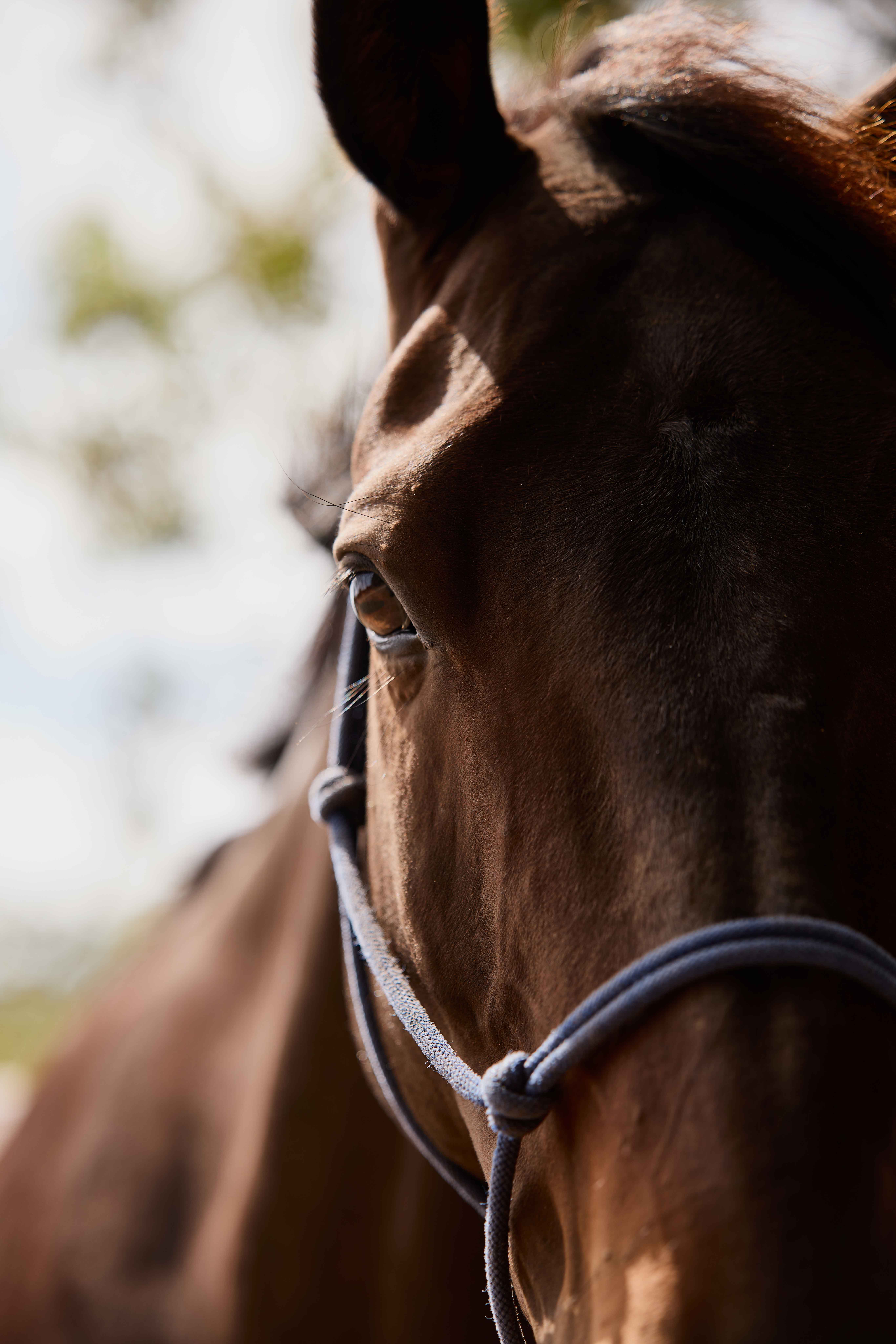
Maggie's horse, Frank.
I’ve become reasonably immune to seeing myself in magazines or in publicity shots. I tend to ignore the photos once they’ve been taken. I’m good at thinking of them as a representation, as something different to who I really am. But this time I found myself thinking, Goodness, is that really how I look? I was taken aback by my lined face, the creases around my neck, my little collection of chins. Perhaps my face is more weathered because I’ve spent a good portion of my life outside, perhaps it’s genetic or perhaps it’s because I can barely manage to make a hairdressing appointment every six months so there’s no way I’m going to sign up for the expense and maintenance of botox or fillers. I tell myself I’ve chosen to let my face age. Now I must choose to see the beauty in that aging.
A few weeks after that photo shoot a friend organised a Sunday afternoon ride up into the hills. Five of us met outside her garden, unloaded our horses, saddled up and set off into the wind. We rode out across her farm, past the pivots, past the bulls out with the cows, past the rams out with the ewes, out towards the rearing Great Western Tiers.
The wind was a great concert. L yelled, “We just need to get into the bush.” The wind came in a great clean sweep over the top of the tier and down the cleared slopes. It nearly blew our horses sideways. Frank was all contained power. His stride huge, his back high, opening his mouth against the bit. I told myself to soften my hands, to trust him, and when I did, he became smooth and kind underneath me.
We left the flat country and L turned to check we were all ready. Up we went, seeking the skyline, a swelling of something, a whoop and then galloping. I was out of my saddle, weightless, and Frank was flying, gaining, gaining on the tall bay in front of us.
But on that hill, none of those things mattered; instead, we were returned to our 12-year-old selves. We rode up into the bush, the wind dropping as if it had never been. Frank was so surefooted, looking around, picking his way up the stony, steep track, over logs, between trees.
The track was so steep that someone shouted for a stop as her saddle slipped. While my friend readjusted the girth, I turned and looked at the country spread out beneath us. Frank looked too and I rubbed his face. Hours later, we slid from our saddles as if they were actually magic carpets. There was the machinery shed where we’d parked the floats, the sheep yards, the garden. Our eyes slowly lost their stars.
I drove home thinking about the way I felt looking at a photo of myself. It was such a contrast to how ageless I was on that ride, released back into an essential part of myself.
Our bodies hold histories. There have been books written about how, when we repress our emotions, griefs, tensions and worries, it comes out in our bodies. Our bodies don’t lie. But our bodies also remember the good. So when we feel joy, when happiness feathers against our souls, our bodies know that too.
When I got home, I looked again at the photos. There’s one where the camera has caught me leaning into Frank, my hand on his head. The focus is quite sharp. My hair is wispy and unkempt. My hands — the fingernails blunt, the skin weathered — are becoming just as I remember my mother’s and grandmother’s. My teeth are not white; I have lines around my mouth and eyes, lines that are only going to deepen. But of course, what’s also there is a moment between Frank and me in the journey I’ve taken with him, from a nervous young horse, wanting to please but being afraid, to a confident soulmate. Along the way he has gifted me my younger self. I make myself look at the photo again. I see my mother, grandmothers, the aunties and great aunties, all slowly revealing themselves in my face. When did we collectively decide that lines on a face were ugly? This is not an ugly photo. It’s beautiful, it’s a woman who has lived 52 summers, with her horse.
I come back to my desk, open my notebook and write to remind myself of all those sensations: of the mountain air spiced with prickly bark, wattle and white gum. The sweet scent of horse and leather. The horse himself, his striking hard hoof, the scoop of nostrils, the wild bold bone, the rush of air as we galloped, over logs and rocks and up and up into the sky. Remember, I write, the moment when your body becomes something else, something greater than you can ever be on your own. Remember, beauty is bigger and more difficult to define than the image you see in the mirror. Remember to seek life.
Maggie MacKellar is an author who lives in Tasmania. Subscribe to her newsletter The Sit Spot: maggiemackellar.substack.com
Subscribe to Graziher and you’ll never miss an issue of your favourite magazine. Already a subscriber? Consider gifting a subscription to someone special in your life.
There’s movement at the station as Anna Uhrig and her team start training, and eventually rehoming, a mob of brumbies.
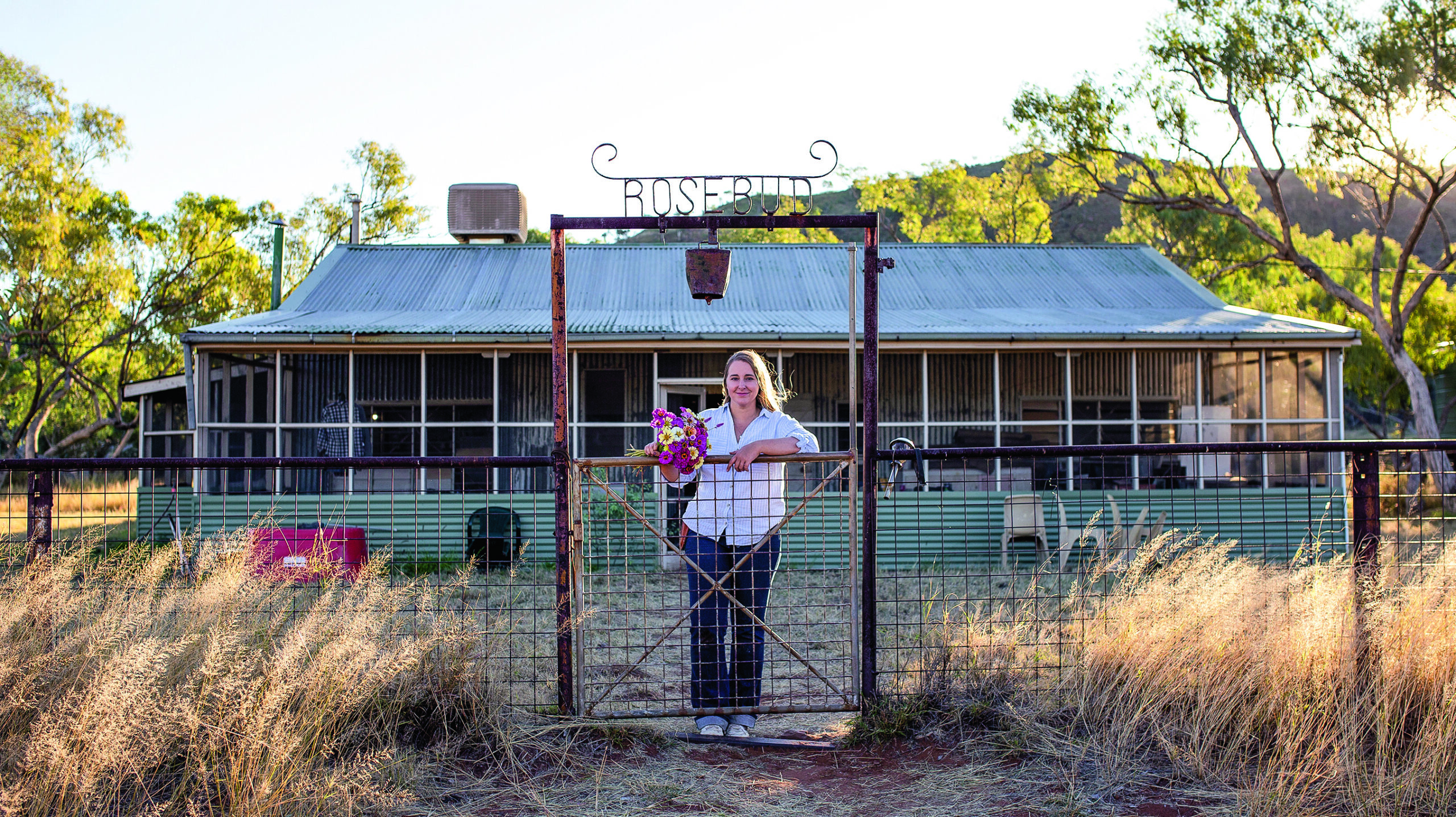
When she wanted to make a place for herself on her husband’s family farm, Samantha Campbell took up the challenge of growing flowers in the outback.
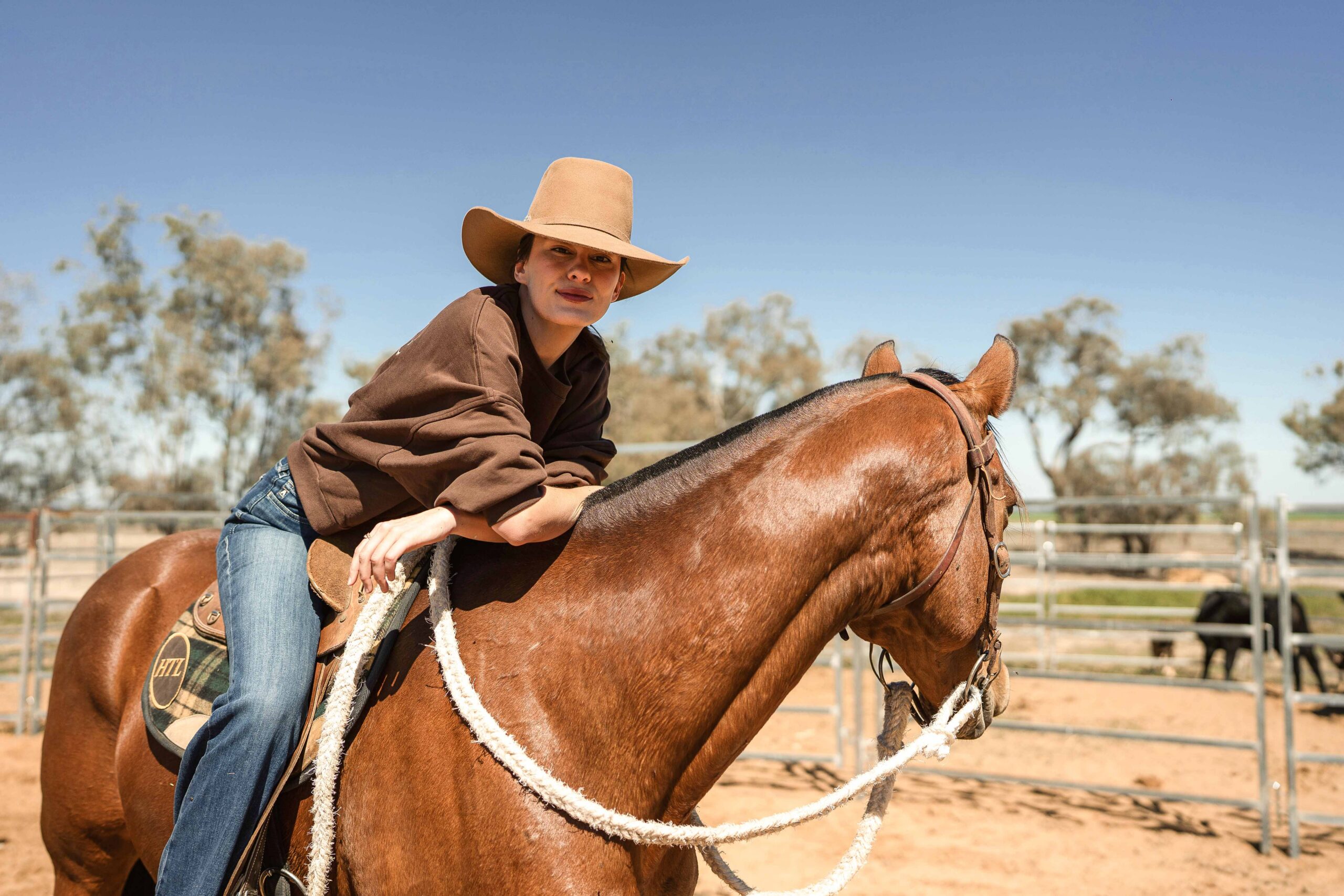
There are many ways to find a meaningful role in the industry, says Beef Australia’s Beth Rands.
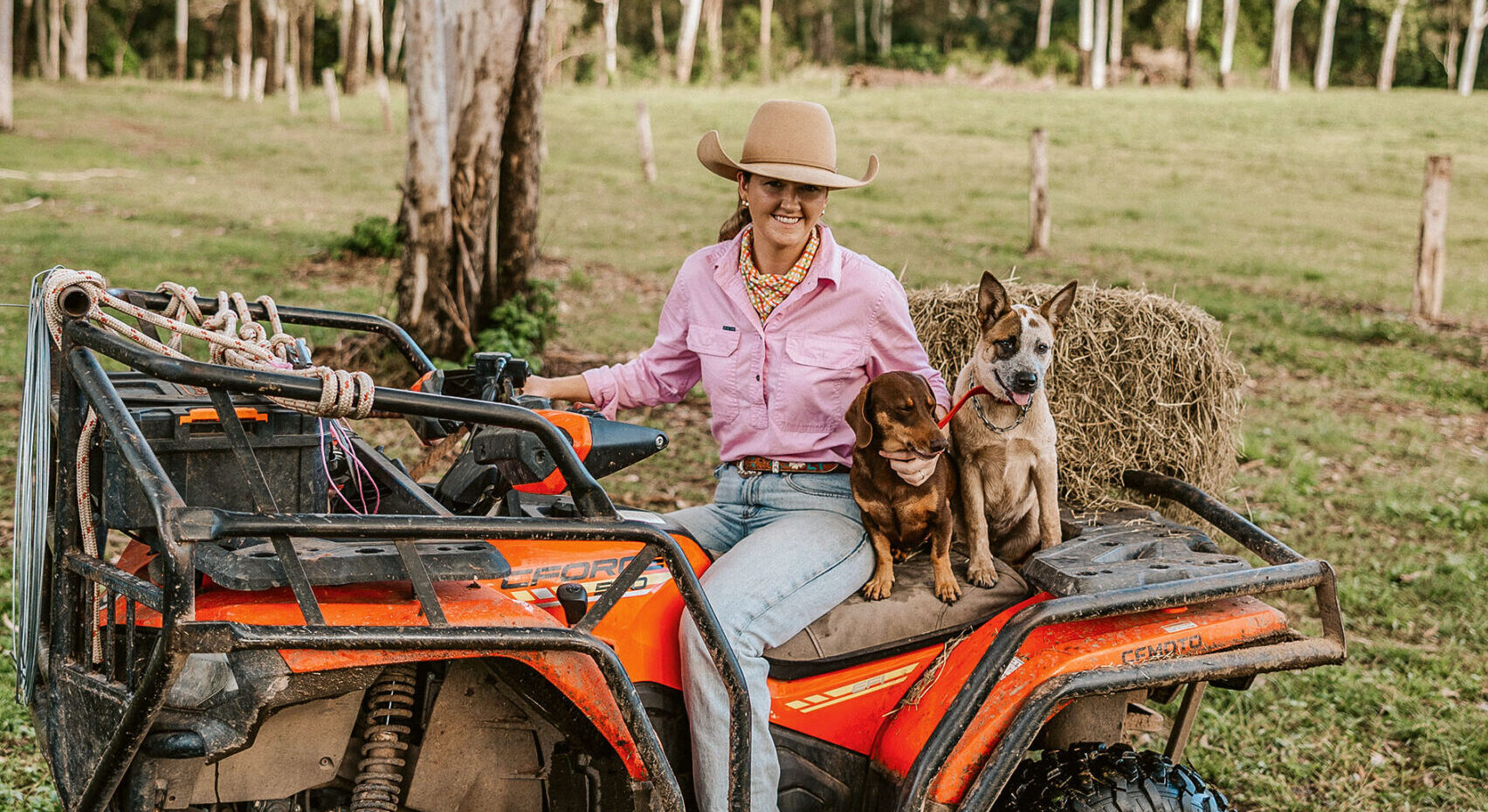
Hailing from a small Irish town, Lisa Fryer found love at Daly Waters’ Hi-Way Inn. Today, she and husband John are ushering in a new era for Tabletop Station, near Townsville, Queensland.
There are many ways to find a meaningful role in the industry, says Beef Australia’s Beth Rands.
Hailing from a small Irish town, Lisa Fryer found love at Daly Waters’ Hi-Way Inn. Today, she and husband John are ushering in a new era for Tabletop Station, near Townsville, Queensland.
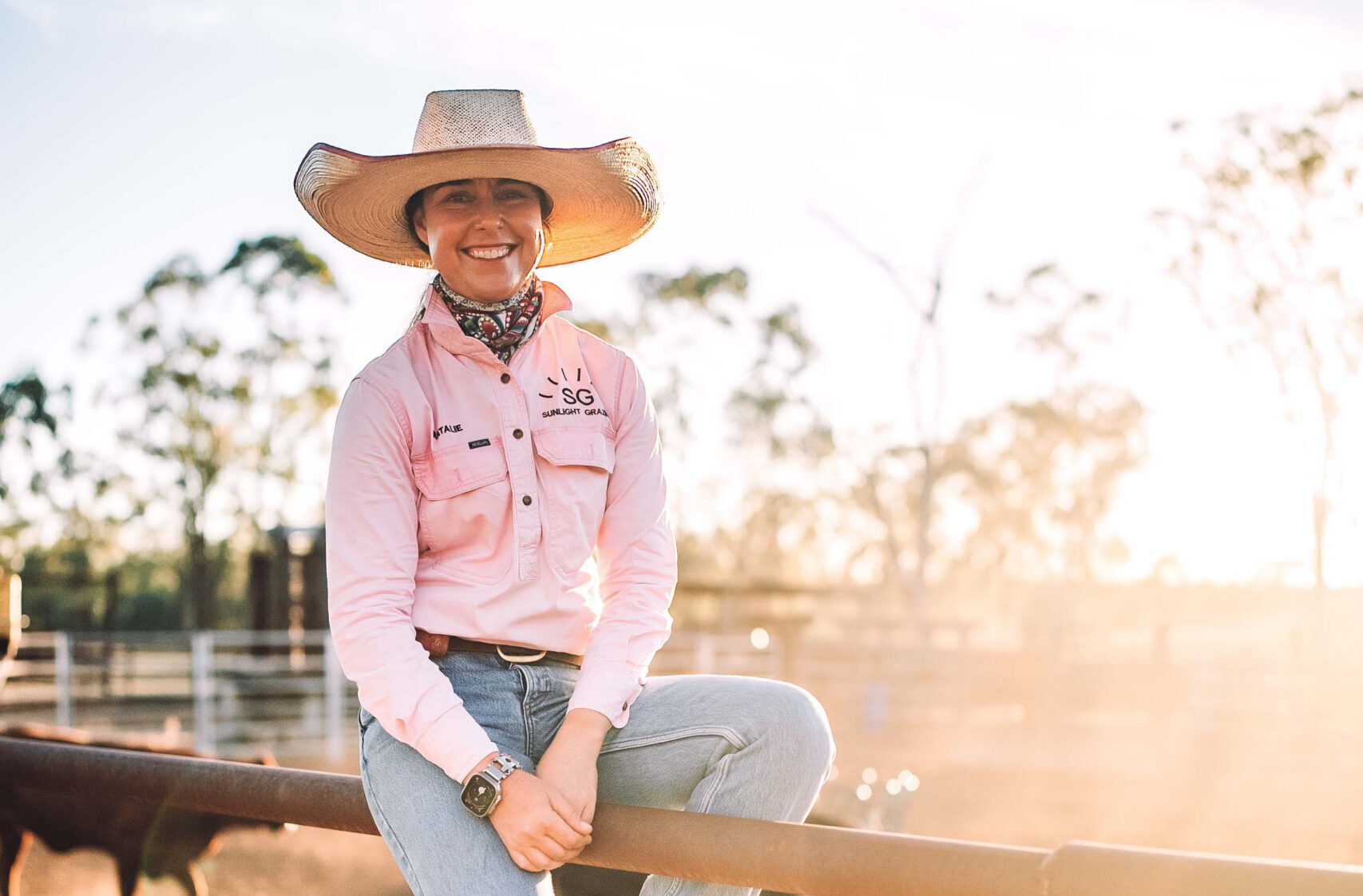
She says clever tech makes it possible to go it alone on the 4000 hectare beef-finishing property in central Queensland.

