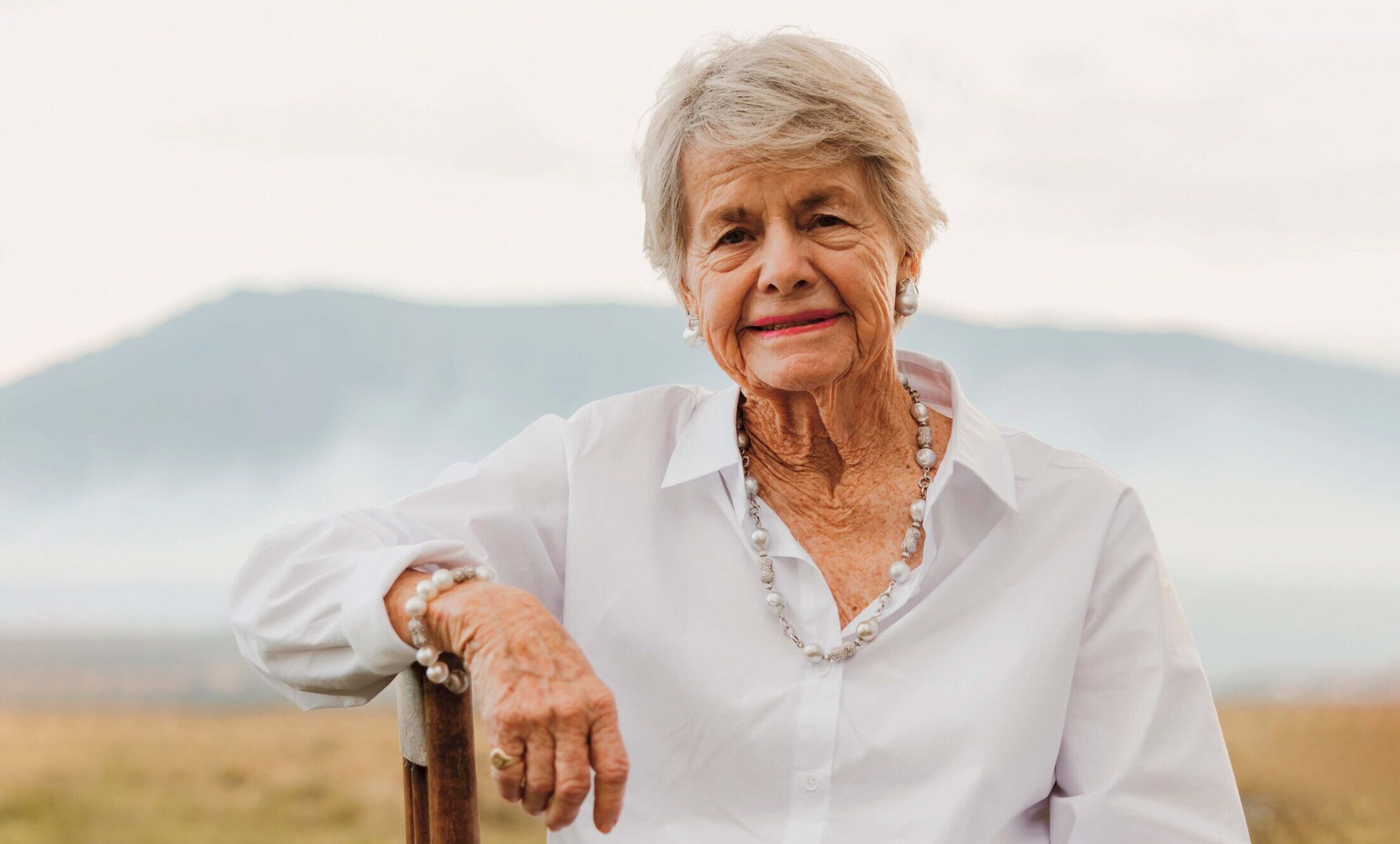
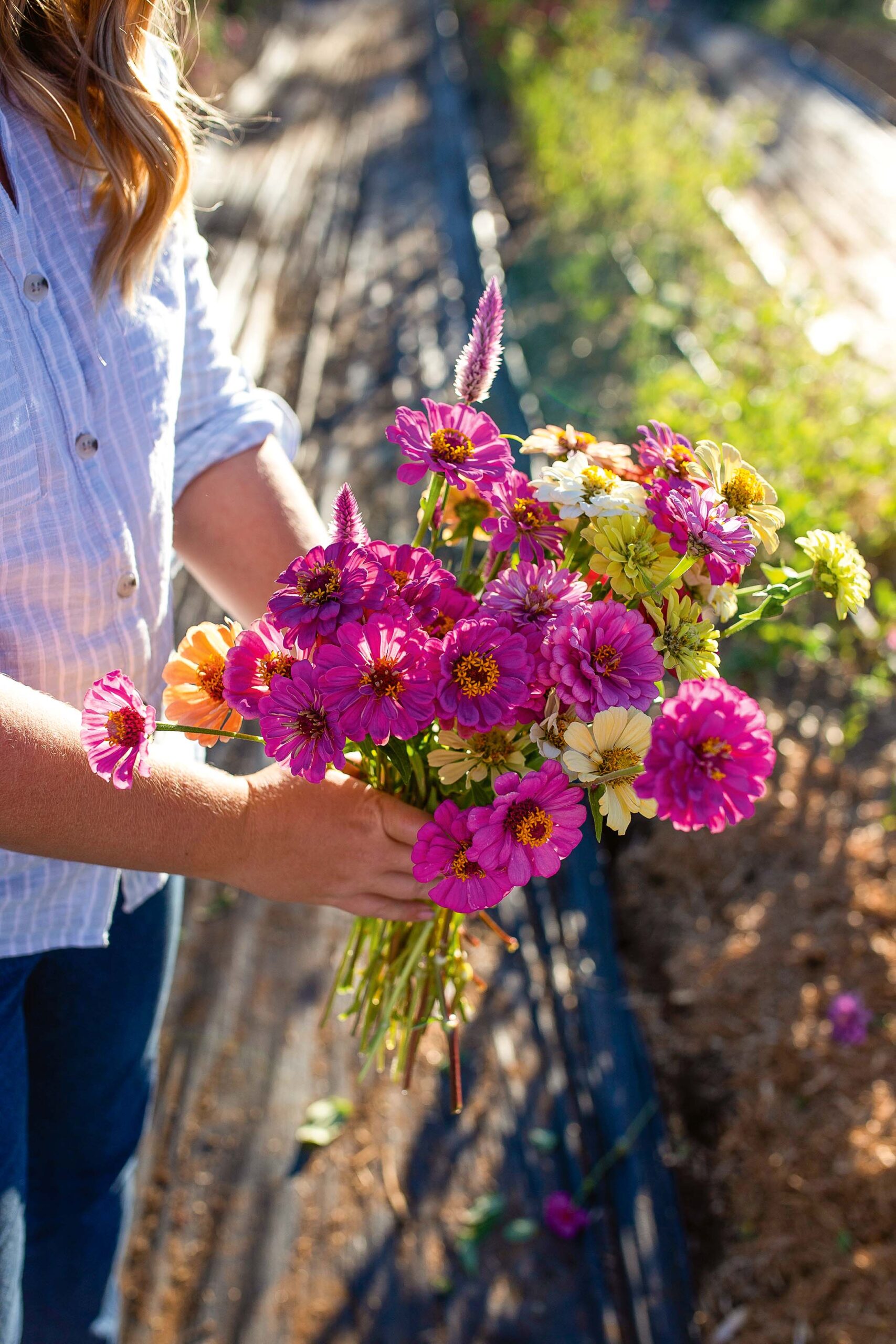

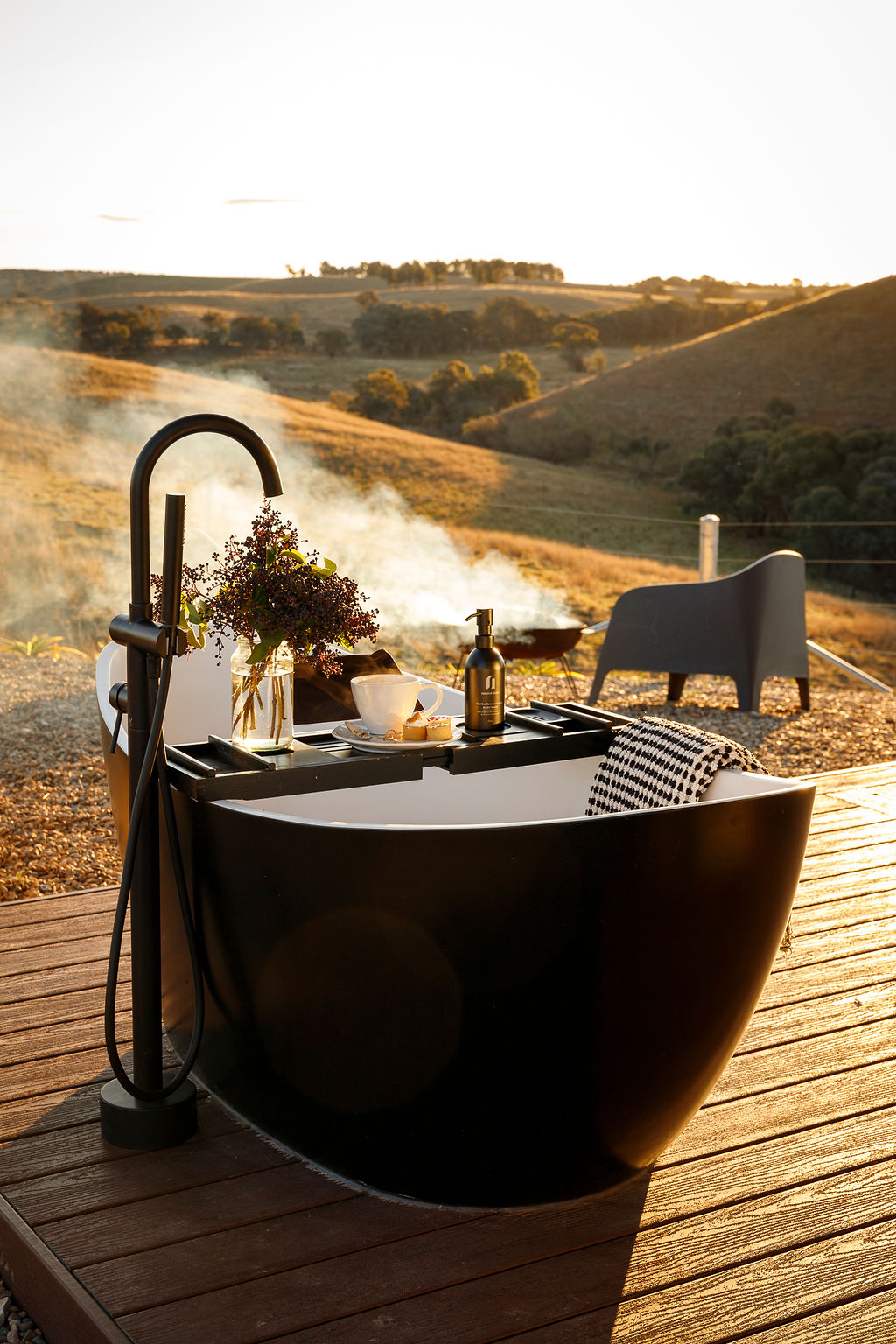
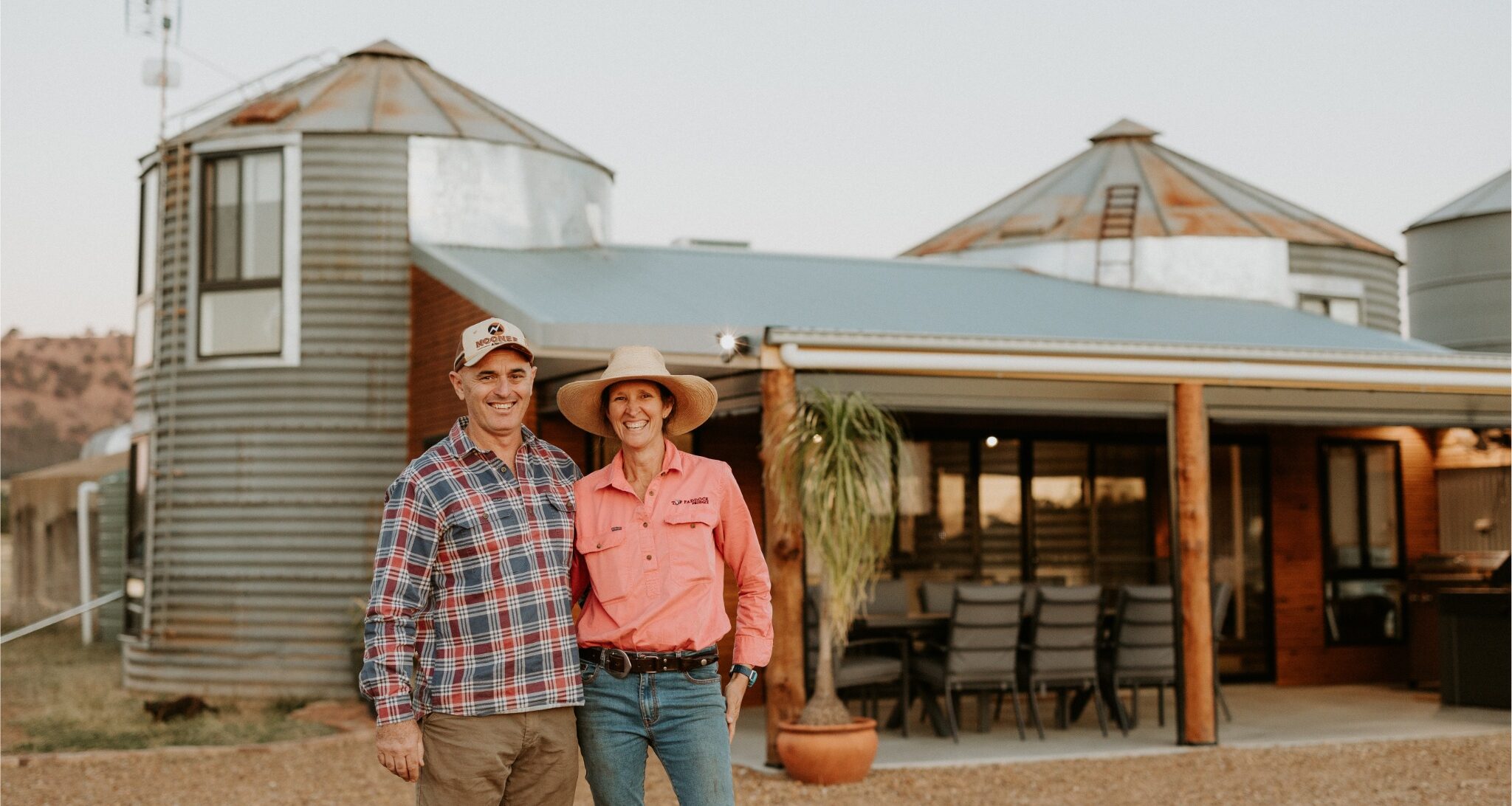
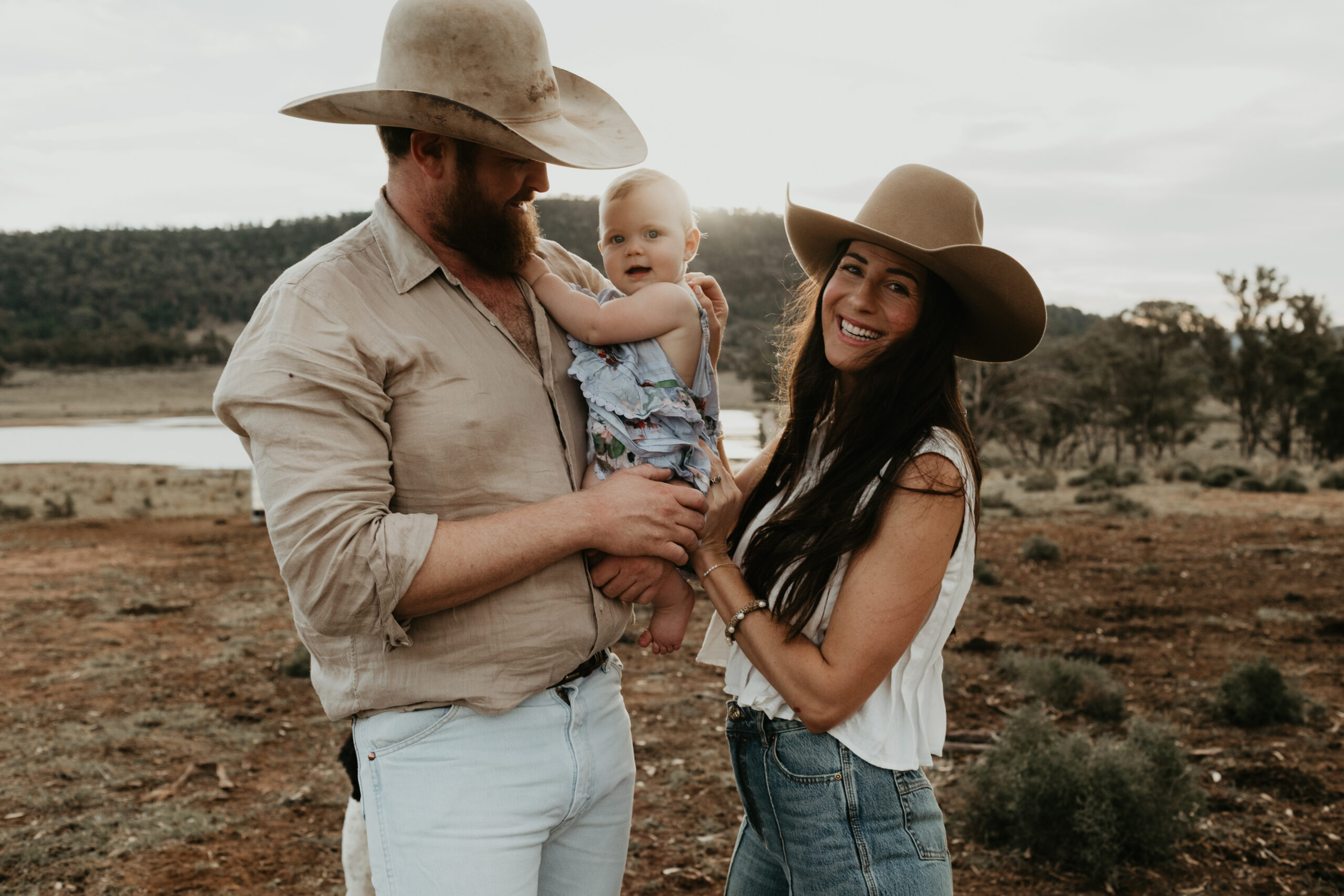
Photography Emma Jane Industry
Sign up to our mailing list for the best stories delivered to your inbox.
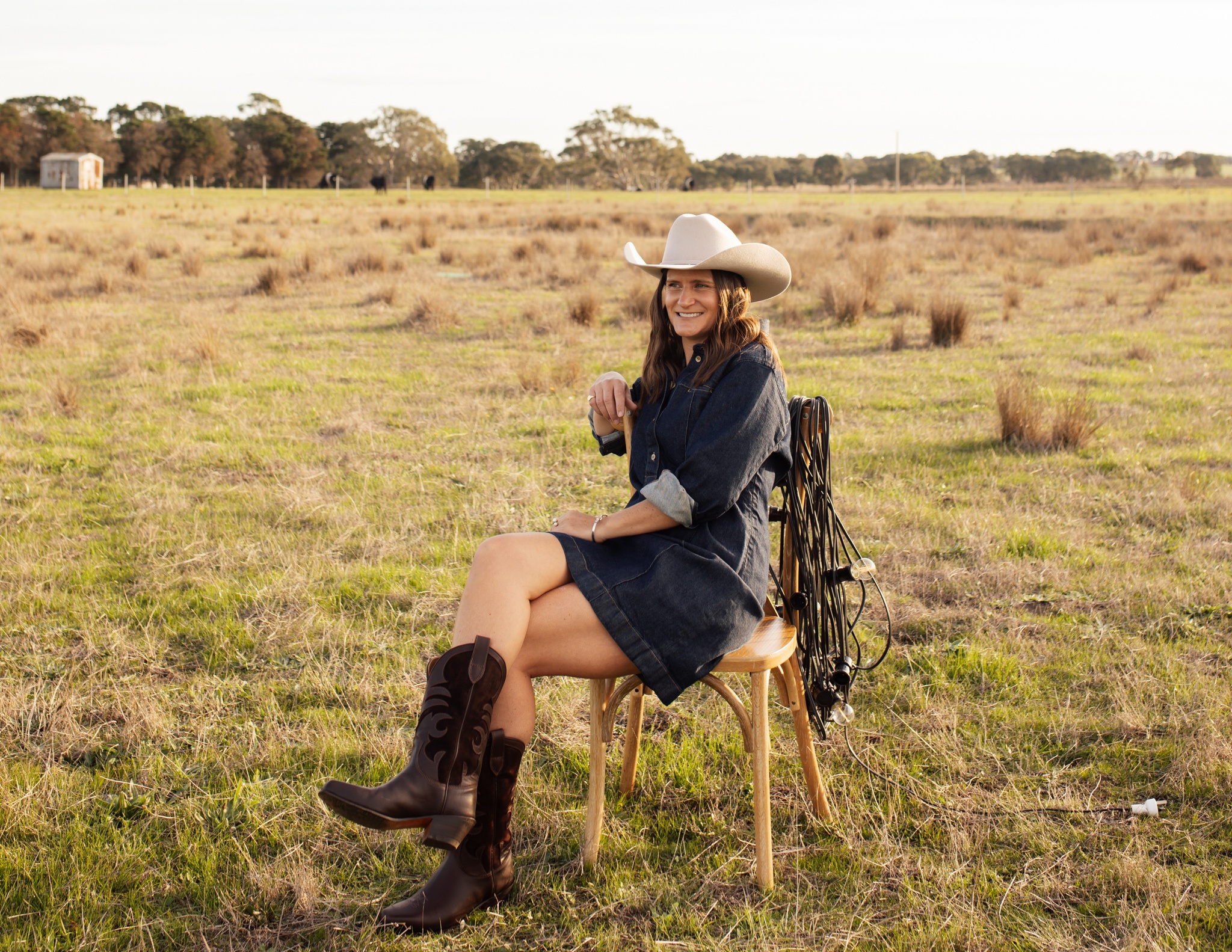
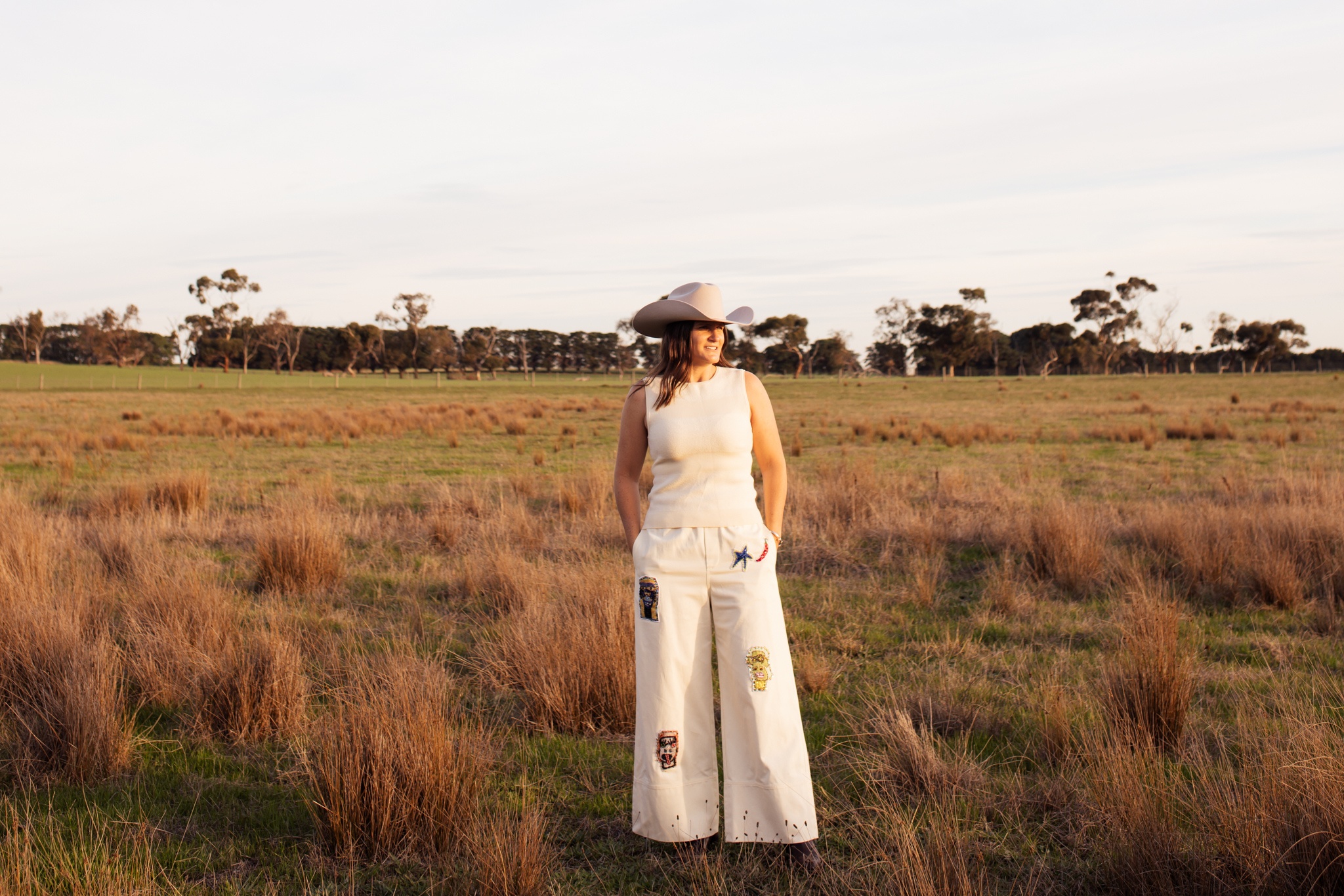
After two years in the Northern Territory, Ginnie Hope-Johnstone launched her own business, focusing on rural and regional events.
Words Victora Carey Photography Emma Jane Industry
Photography Emma Jane Industry
Photography Emma Jane Industry
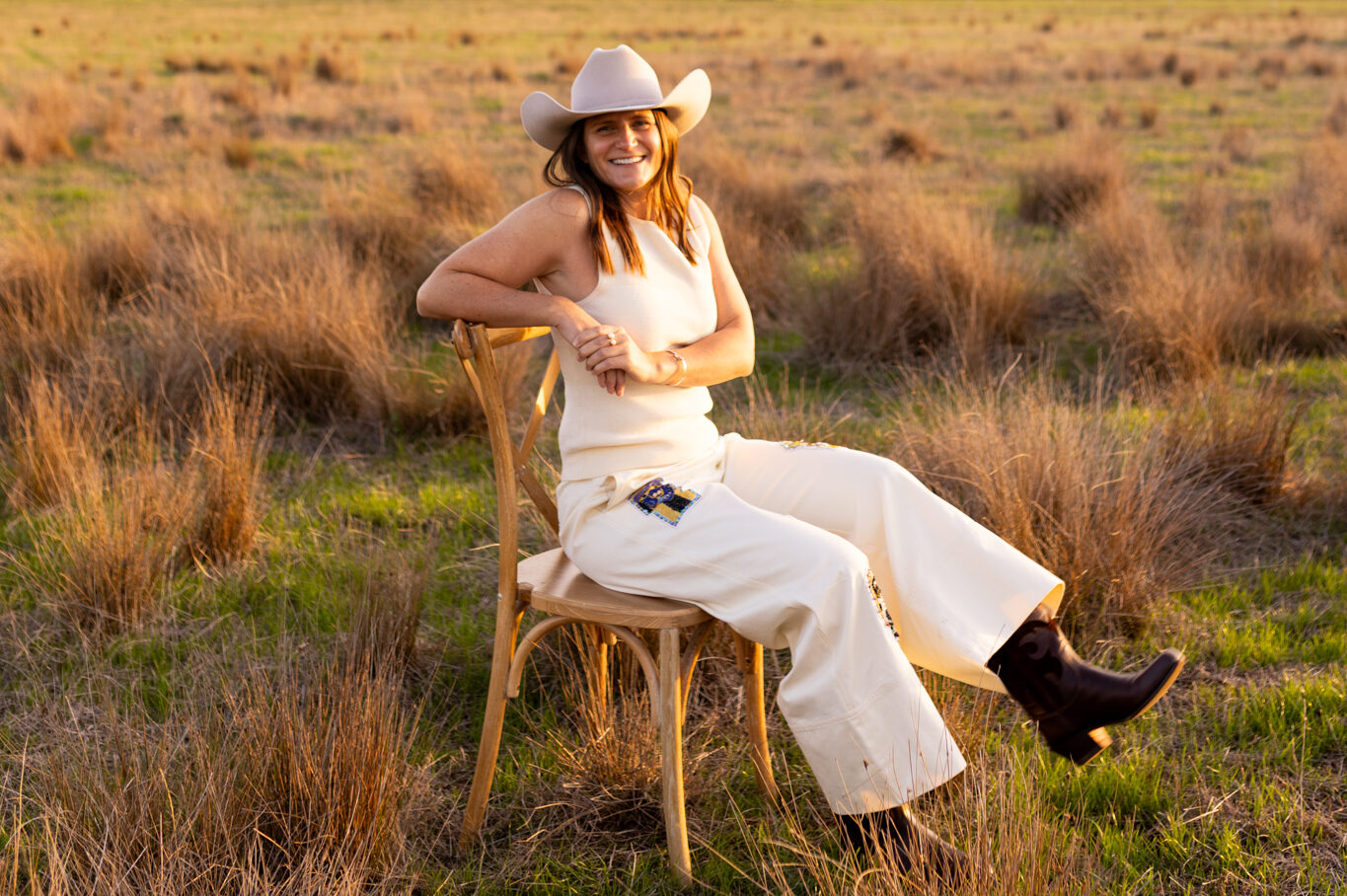
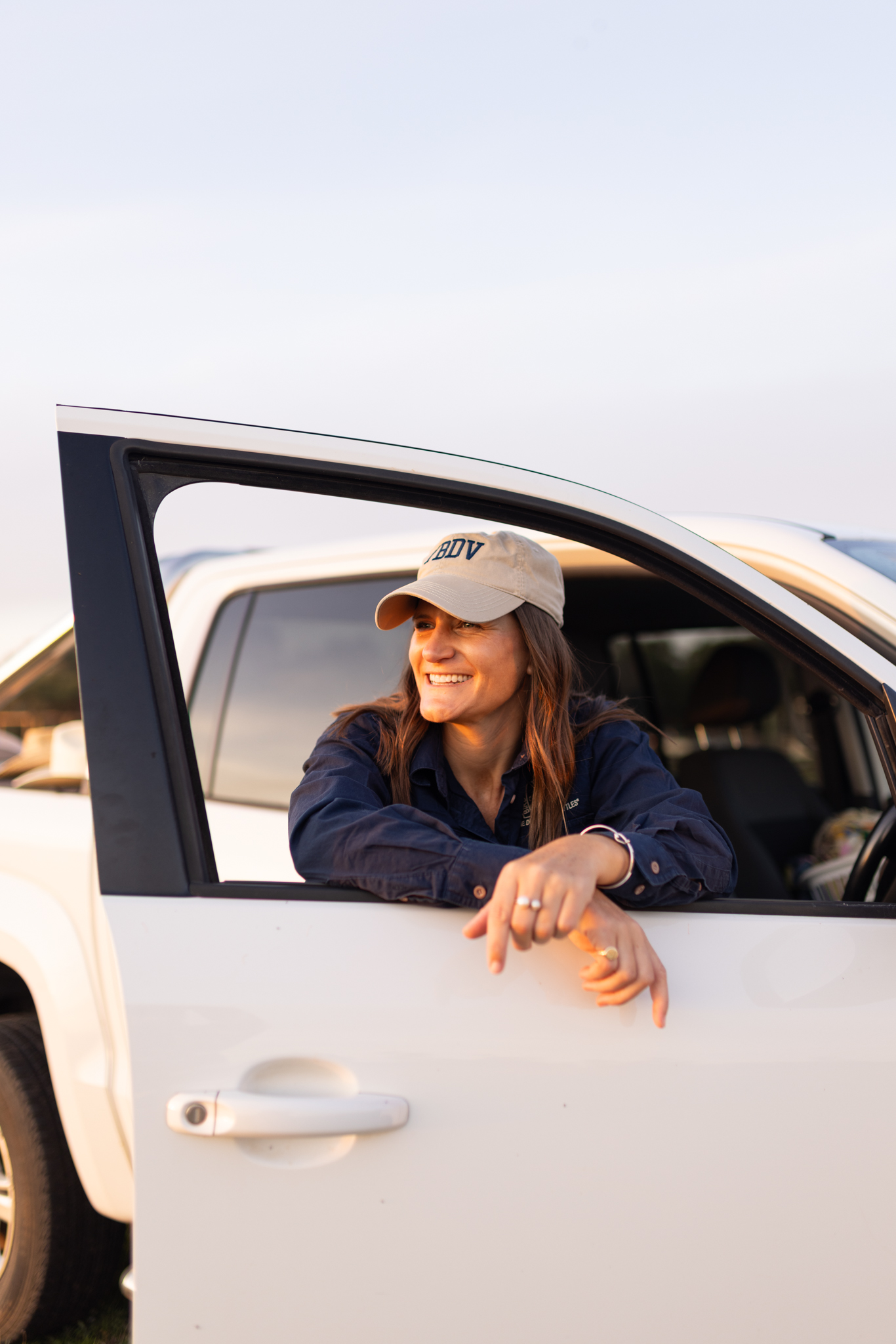
Ginnie Hope-Johnstone is the founder and director of VC Events Australia, a national event management business. Based in the small coastal town of Barwon Heads, Victoria, the 37-year-old has carved out a unique space in the rural, regional and remote events landscape. Here she shares the secrets of her success.
What gave you the idea to start your business?
In April 2018, I was fresh off two years of working on remote cattle stations in the Northern Territory. I’d traded city life for dust, distance and wide-open spaces, and it completely changed my perspective. I came home with a dwindling bank account, a full heart and no idea what was next.
My early career path — I had done degrees in event management and sports administration — had been in sports management in Melbourne. In remote northern Australia, I developed a deep appreciation for our rural and regional areas: its people, its pace and the strong sense of community that underpins it. When I returned to Victoria, it became clear that the perfect job that would integrate my degrees and my growing passion for agriculture and regional Australia just didn’t exist, so when I couldn’t find it, I created it. It felt like the perfect moment to take a risk and back myself.
I had seen the magic of rural and regional events first-hand: the creativity, community spirit and authenticity that sets them apart. Yet there was no-one offering a flexible, tailored service dedicated to bringing those kinds of events to life.
What was it like, taking that first step?
There was a mixture of excitement, challenge and uncertainty. As in many new ventures, there was a sense of risk but also a real freedom in knowing I didn’t have much to lose. In many ways, being young and perhaps a little naive worked in my favour. I didn’t overthink it.
Of course there have been challenges, but I’ve made a conscious effort to celebrate the wins, no matter how small. I’ve always believed in focusing on solutions rather than setbacks. Ultimately, it was about trusting myself and taking a leap towards something that felt meaningful; having the courage to say yes, even when the outcome isn’t guaranteed.
Who did you turn to for support as you established yourself?
When I was first starting out, I reached out to people in the rural scope with their own businesses. Their insights and, more importantly, their encouragement, gave me the confidence to take that initial leap.
I’m also fortunate to have a network of friends who run their own businesses across a range of industries. We often bounce ideas off one another, which has become an invaluable part of my decision-making process. I do miss the energy of a traditional team environment — quick brainstorms across a desk or spontaneous problem-solving. That kind of dynamic support is something you don’t always get when working solo.
These days, my office sidekick is my dad. While he’ll be the first to admit that event management isn’t his forte, his business instincts and advice are always welcome.
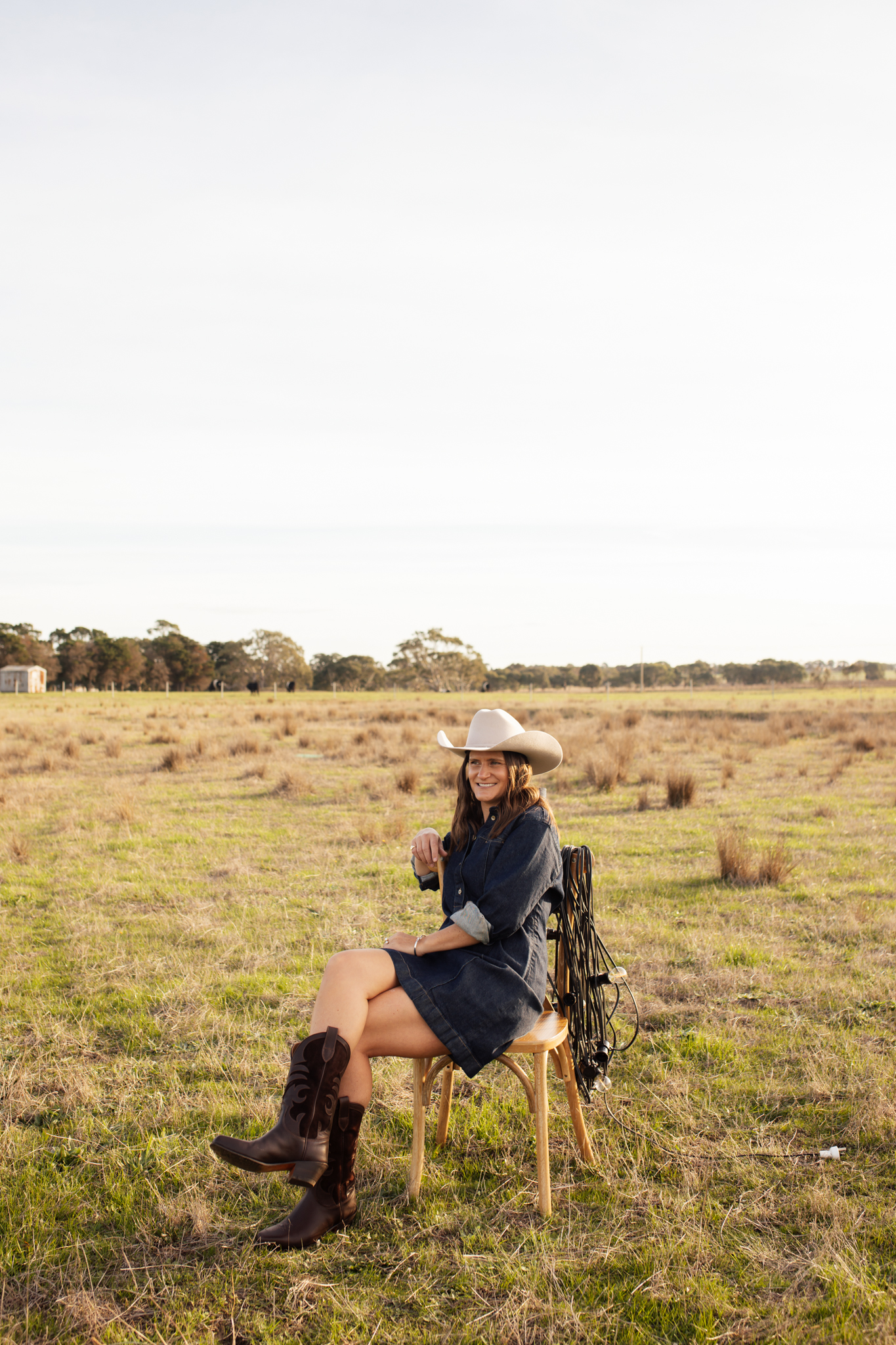
Photography Emma Jane Industry
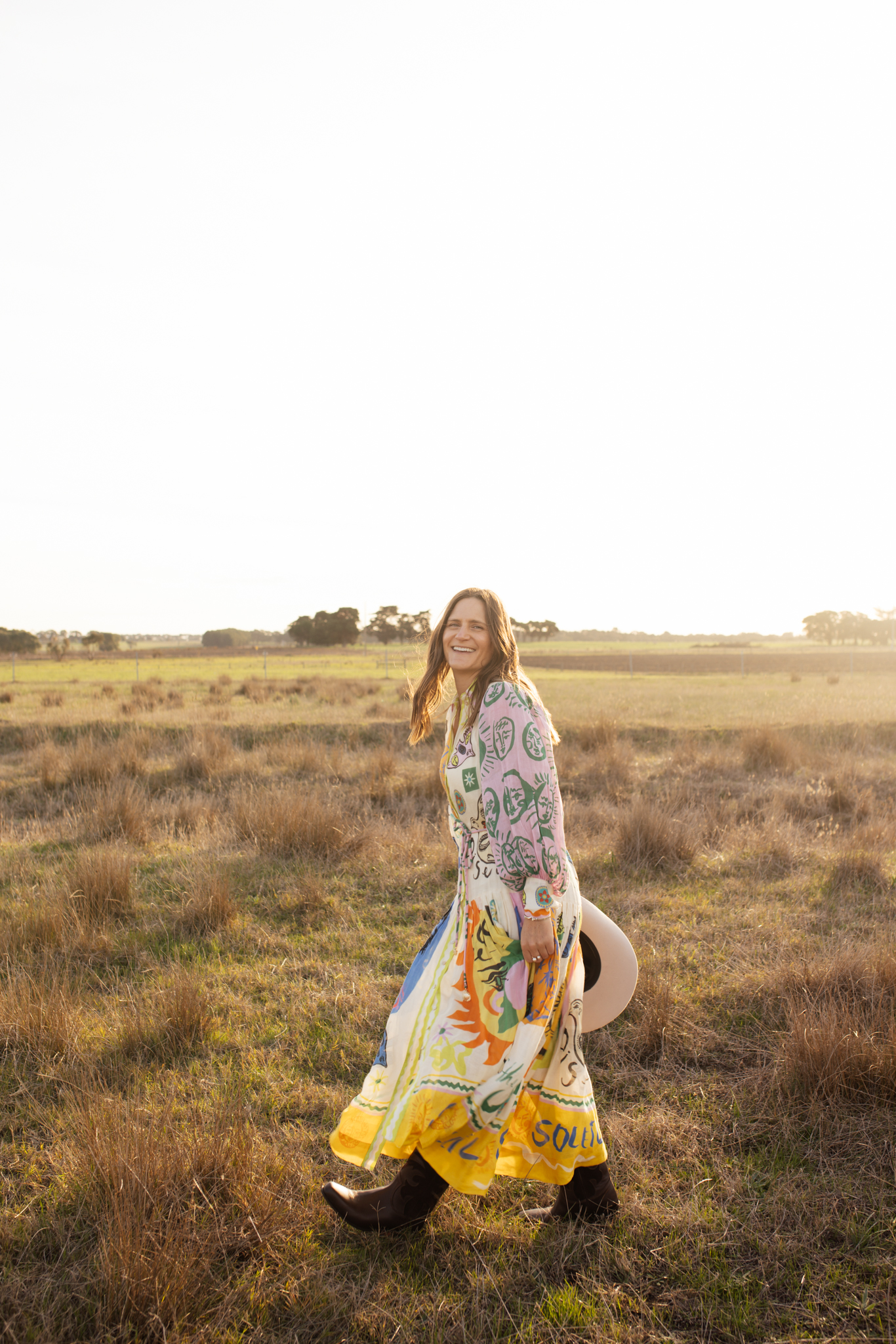
Photography Emma Jane Industry
You get to work with very inspiring women. Tell us about one of them.
Just one? That’s a tough ask, as there are so many remarkable women making waves across rural, regional and remote Australia. But one who stands out is Clare Lee from Windy Station.
Clare and her husband Dave manage Windy Station, a stunning cattle and cropping property on the Liverpool Plains in New South Wales. Clare’s a grounded, down-to-earth woman with a quiet determination that speaks volumes. One of her most impressive achievements has been diversifying Windy Station into a destination experience, welcoming visitors to explore the sunflower fields and the iconic heritage woolshed, originally built in 1901. Clare received a $1 million heritage grant to restore the woolshed. She’s now working closely with Heritage Australia and a team of specialist builders to ensure they honour the past while building for the future.
What sets Clare apart is her vision for the potential of agritourism. She’s a woman with big ideas, a generous spirit and a contagious sense of ambition.
What do you love about having your own business?
One of the things I value most is the flexibility. Working a traditional desk job in Melbourne, I found that my focus would dwindle on some afternoons. I’d be sitting there, knowing I wasn’t being productive and wishing I could step away, reset and come back when I was in a better headspace. Now, if I hit a wall, I close the laptop and go for a walk, play a round of golf or catch up with a friend for a coffee. I’ve come to understand that productivity isn’t always linear and that stepping away often helps me return with better energy and sharper focus.
Of course, the freedom comes with its own set of responsibilities. There’s no shortage of late nights, early mornings or hours that go well beyond the standard workday. But when it’s your own business that overtime feels different, it feels purposeful. The flexibility I enjoy is balanced by the fact that I’m deeply invested in what I do and I’ve learned to trust my own rhythm when it comes to working hard and also knowing when to take a break. That sense of ownership over your time, your choices and your direction is something I truly love.
Any hard moments or regrets?
Covid was a huge blow. Practically overnight, every job I had lined up disappeared. It was confronting to see so much hard work and planning wiped away in an instant. But in many ways, it was the year that followed that proved even more challenging. I put pressure on myself to make up for lost time. I threw everything I had into rebuilding, trying to regain the momentum I felt I’d lost. I pushed myself to the point of burnout, and it was a tough lesson in understanding what’s sustainable and finding the balance between ambition and wellbeing.
What are three pieces of business advice you would like to give?
1. Don’t get too comfortable. Growth happens when you step outside your comfort zone. It’s easy to settle into routines, especially when things are going smoothly, but the most rewarding opportunities often come from taking a leap into the unknown. 2. Know your numbers. Someone once said to me, “If you’re not looking at your business finances daily, you don’t know your business.” That really stuck with me. It helps me make smarter decisions and stay on course.
3. Pick up the phone. Never underestimate the power of a conversation. These days, people often send an email, but sometimes a five-minute chat can solve what 10 emails might not. Building relationships in business is all about connection.
Where would you like to be in five years’ time?
My hope is to transition into more of a business development role, focusing on strategy, partnerships and big-picture thinking rather than being on the ground at every single event.
While I absolutely love the travel and the privilege of working in some of Australia’s most beautiful and unique locations, the pace can be demanding. I want to make space to focus on new opportunities within the regional events space — projects that excite me but require time and headspace to fully develop.
What do you think is the secret of your success?
From day one, I made a conscious effort to prioritise networking. Not in a transactional way, but with genuine curiosity and a long-term mindset. I set myself a simple goal: to have a conversation with one or two new people in the industry each week.
Those early chats didn’t always lead to immediate work, but that was never the point. It was about planting seeds, building relationships, and making sure the name VC Events was starting to become part of the conversation. Staying authentic and prioritising genuine connections. I’ve learned that showing up consistently, listening well and investing time in people often pays off in ways you can’t predict.
Photography Emma Jane Industry
She says clever tech makes it possible to go it alone on the 4000 hectare beef-finishing property in central Queensland.
A farmer, mother-of-three and psychologist, Steph Schmidt understands what it’s like to be deep in the trenches.
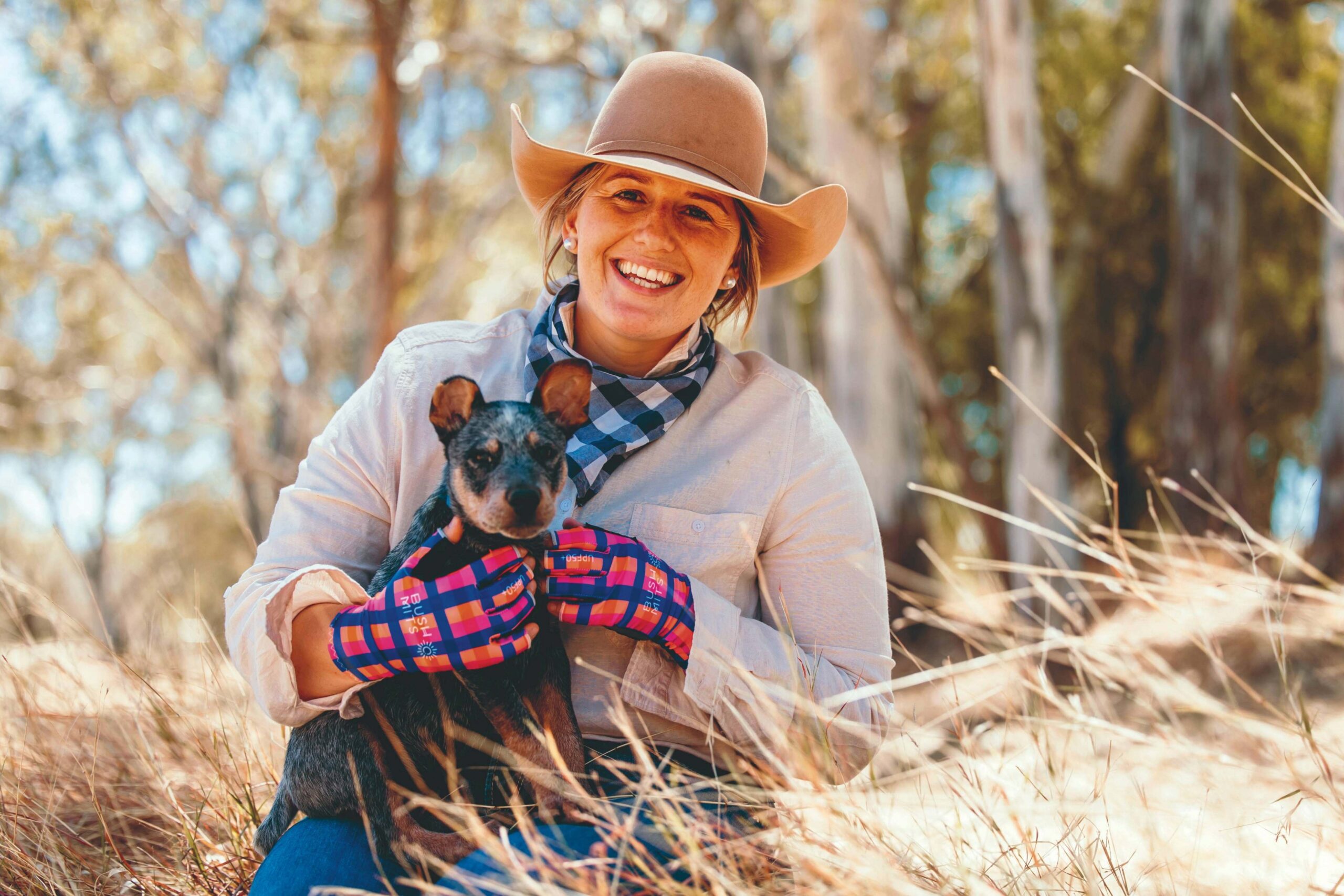
Abbie Lewis arrived in outback Queensland with zero cattle station experience, but instantly felt at home. Her brand, Bush Mits, is a tribute to that time — and the rural women who helped her along the way.
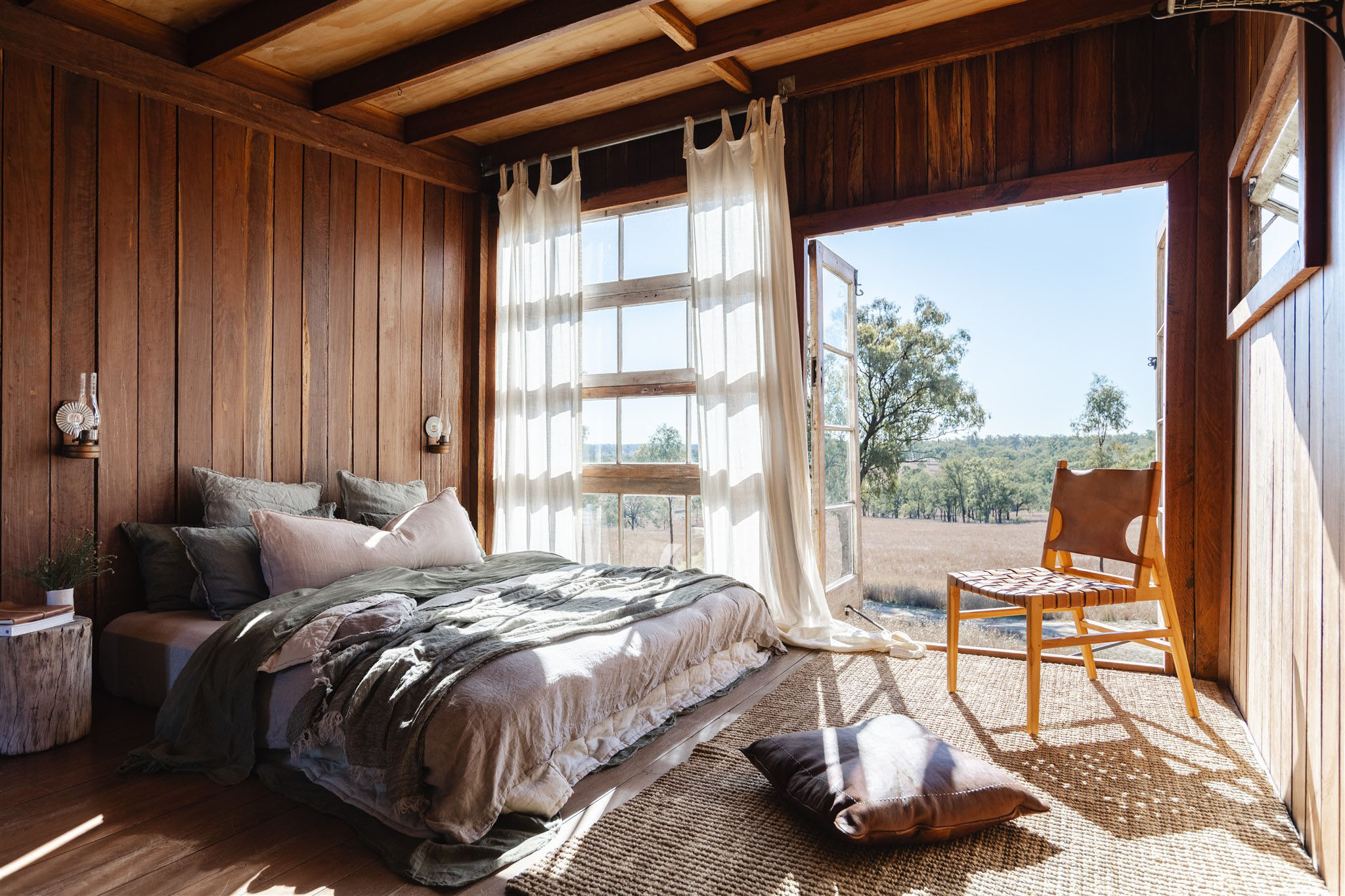
We chat with Carly Baker-Burnham, of Bloodwood Cabin, who says running a farm stay is less work than you think.
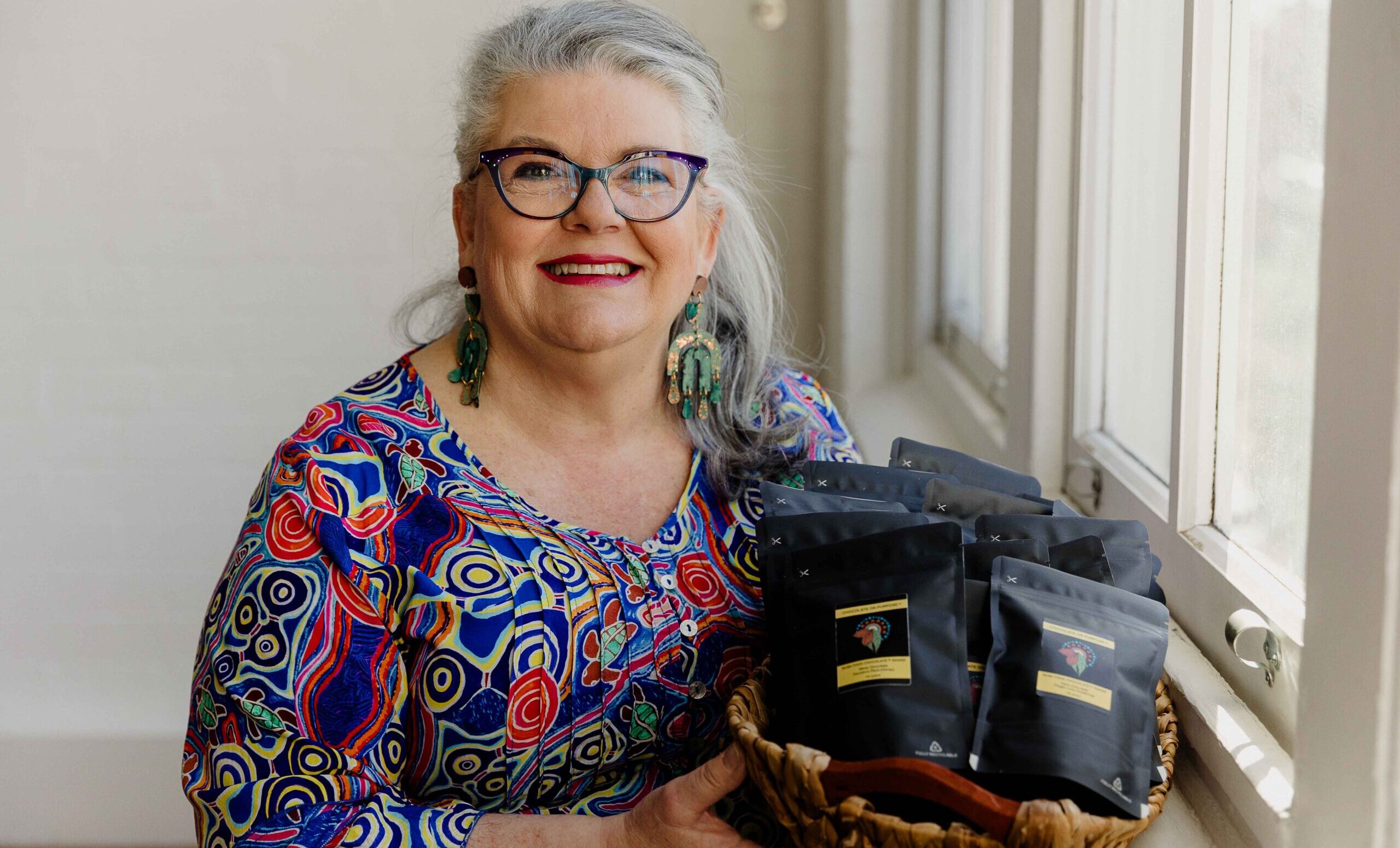
Fiona explains the radical reset that led to her chocolate business.

