Sign up to our mailing list for the best stories delivered to your inbox.

“More often than not, overwatering is far worse for a plant than not enough moisture,” writes Claire Austin.
WORDS CLAIRE AUSTIN PHOTOGRAPHY CLANCY PAINE
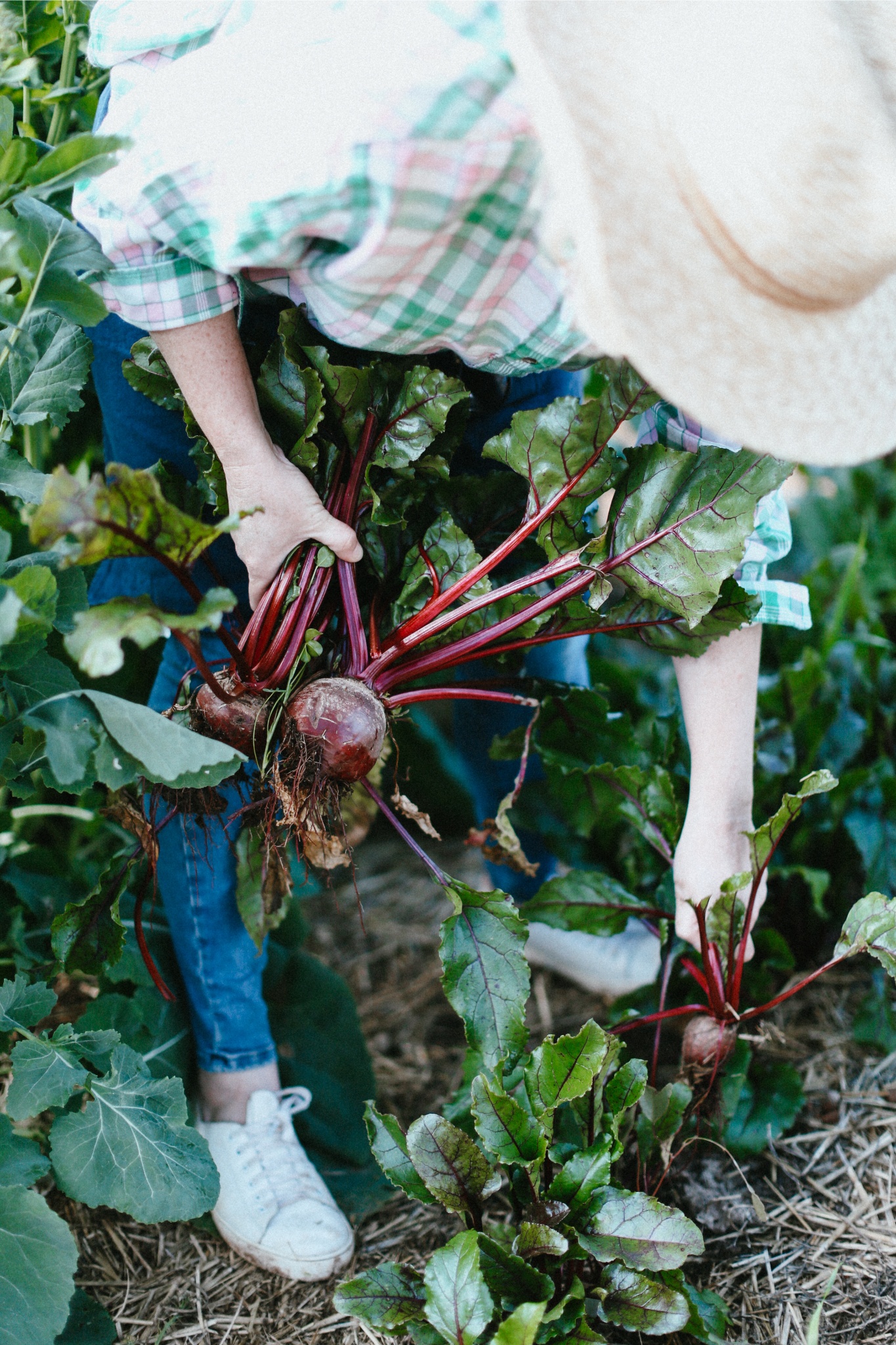

It’s amazing how many times people tell me how they’ve killed their plants with kindness, overindulging them with water or fertiliser, only for them to keel over soon after. It can be a real balancing act.
Water is one of the hardest things to manage in my garden. More often than not, overwatering is far worse for a plant than not enough moisture. I’ve lost more plants over wet winters than in hot summers.
In summer our life is about water. It’s hot. We grow cotton, so there are a lot of conversations about watering. My mother-in-law refers to irrigation as ‘irritation’.
I am lucky to have a fabulous watering system. Sprinklers are set up on my lawn and there is brown dripline in the garden beds. It helps to take out some of the guesswork. In summer, I water the lawn three times a week and use the drippers on alternate days. I water at night when there is less evaporation and less pressure on the pump due to household use.
But as I write this, I’ve had the system turned off for the last few days due to rain and storms. My garden would have been flooded if I had kept it on. I would have lost many plants! Before I turn the watering system back on, I’ll check the soil to see if it is still soaked or dry. Another thing I watch for is plants starting to look a little dry, then I know it’s time to turn it back on.
Overindulging plants with too much fertiliser is another common mistake. I have access to lots of broken-down manure, which can be wonderful for the garden. I’ve been known to take my wheelbarrow over to the old shearing shed and cart loads back to the garden. This supply of manure has decomposed over many years, so is just right. During the drought when we had a sheep drought lot, the sheep manure combined with straw and soil was described as ‘rocket fuel’ and we all couldn’t get enough of it for our gardens.
However, caution should be used when applying manure. Depending on the animal, the nutrient levels vary greatly. Fresh manure, especially from sheep and chickens, can be particularly high in nitrogen which can burn plants. It’s best to incorporate fresh manure into the soil when preparing garden beds a few months before planting, or add it to your compost pile.
One of the jobs I need to tick off my list is cleaning out the chookyard. I was going to scatter the fresh manure around my citrus trees, but it will be better to compost it and mix it with soil before applying it. Horse manure from the kids’ ponies will be added into the compost heap, which is filled with weeds. This will help accelerate the composting process.
When preparing a garden bed that will be planted out in three to six months’ time, I would suggest digging or scattering manure into the soil, then covering it with mulch to help it break down over the summer. Autumn is by far the best time to plant, giving new plants time to establish while the soil is still warm and before it gets too cold. Water for the plants can also be managed more easily in autumn and then, once spring hits, the plants will be ready to go. Gardeners look after their plants with the best intentions, but it’s often the over-loving that causes the problems.
1. Preparation
Combine fresh manure with existing soil and cover in mulch until you’re ready to plant.
2. Plant in Autumn
This gives seedlings time to establish while the soil is warm and before it gets too cold.
3. Group plants
Put plants with similar water requirements together to make it easier to manage.
4. Check before watering
Remove mulch or dig down and check the soil moisture to see if the plant needs watering.
5. Use decomposed manure
Fresh manure applied directly to plants can ‘burn’ the plants with its high nutrient levels.
6. Read labels
If using ready-made fertiliser, read the label to learn the most efficient use and rates.
Claire Austin runs the Gin Gin Garden Club, an online community. Follow her on Instagram @gingingardenclub.
Subscribe to Graziher and you’ll never miss an issue of your favourite magazine. Already a subscriber? Consider a gift subscription for someone special in your life.
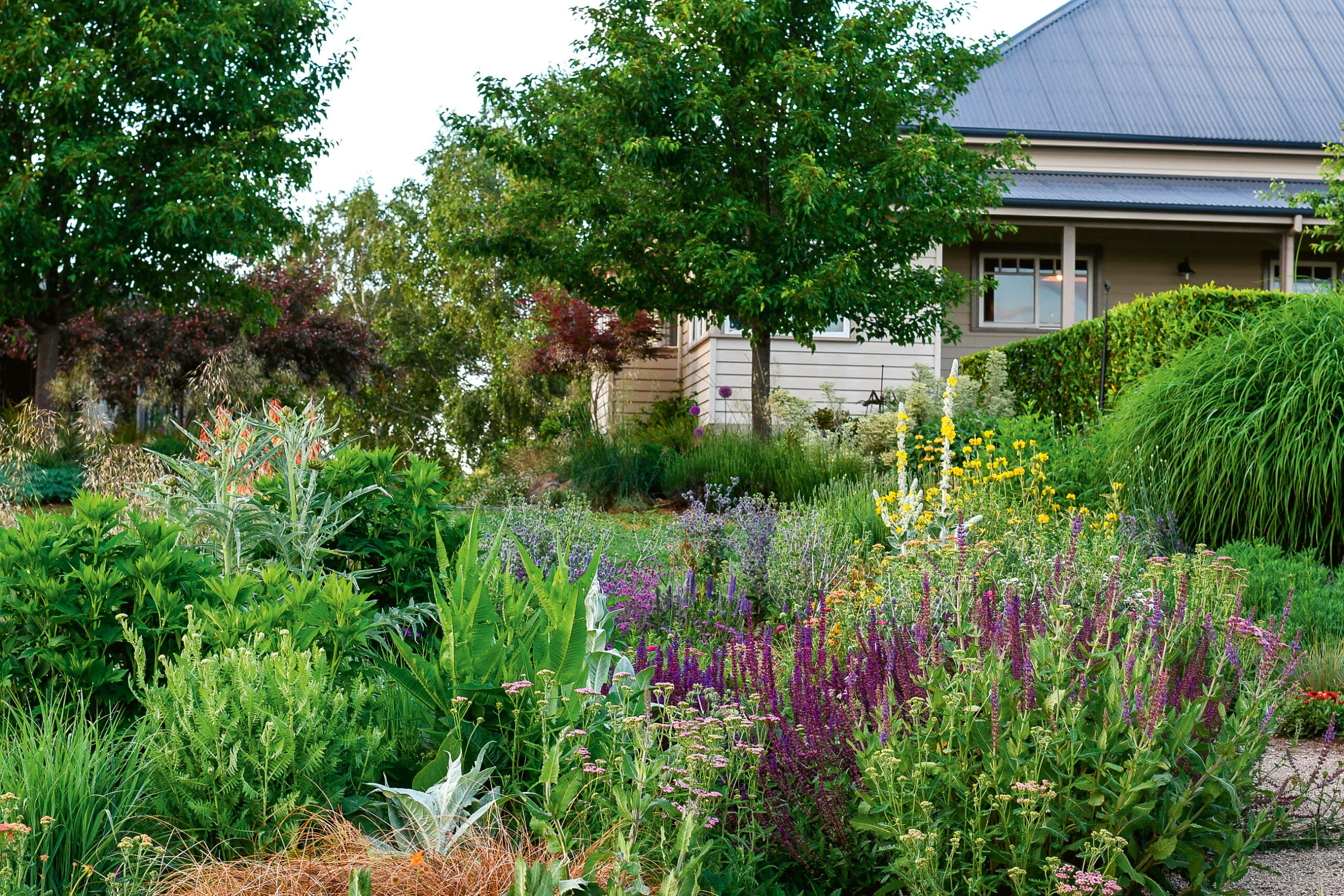
The Graziher columnist mixes umbels, daisies and ornamental grasses at her garden in the Central West of New South Wales.
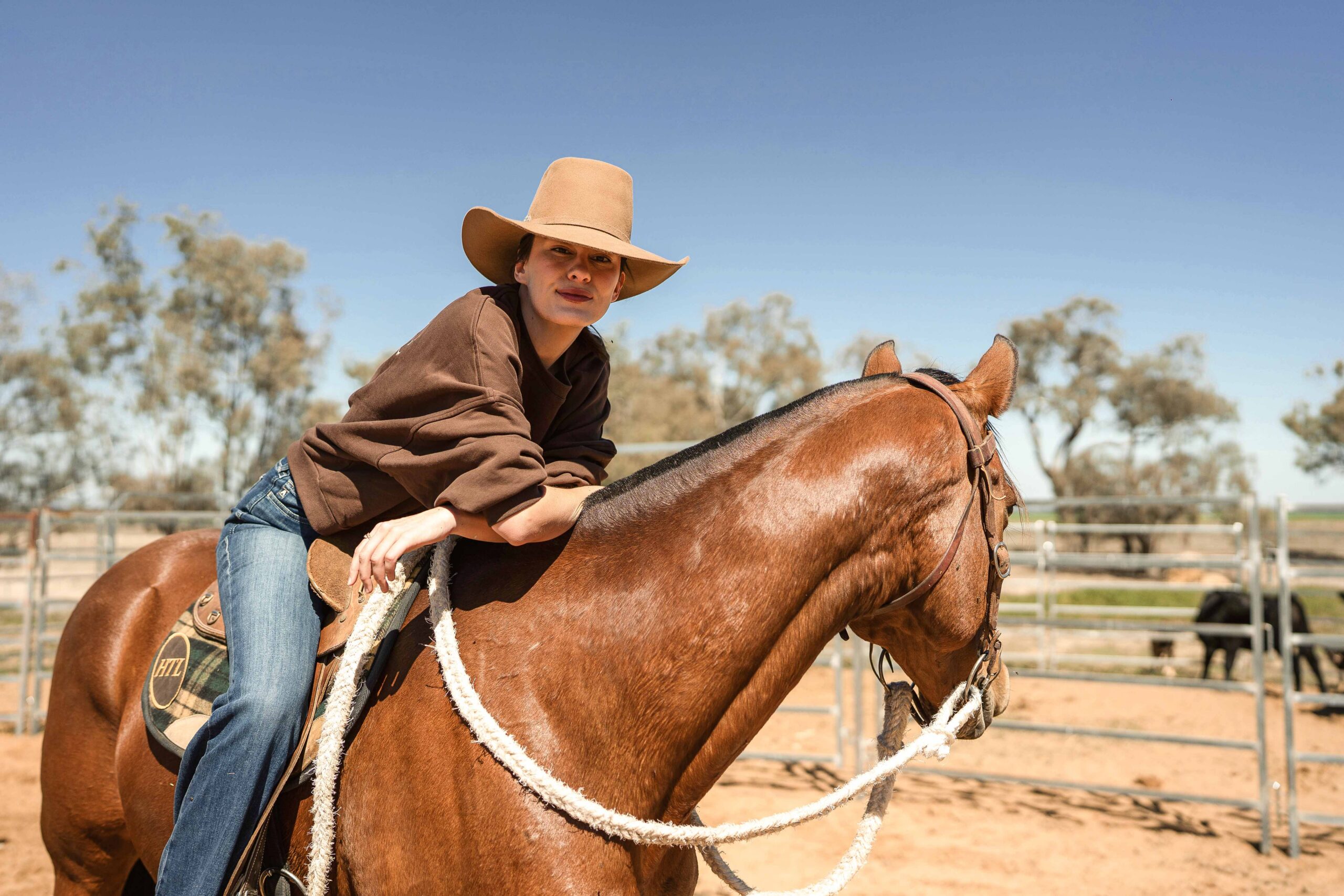
There are many ways to find a meaningful role in the industry, says Beef Australia’s Beth Rands.

Hailing from a small Irish town, Lisa Fryer found love at Daly Waters’ Hi-Way Inn. Today, she and husband John are ushering in a new era for Tabletop Station, near Townsville, Queensland.

Take advantage of the cooler temperatures and slower growth, writes Claire Austin.
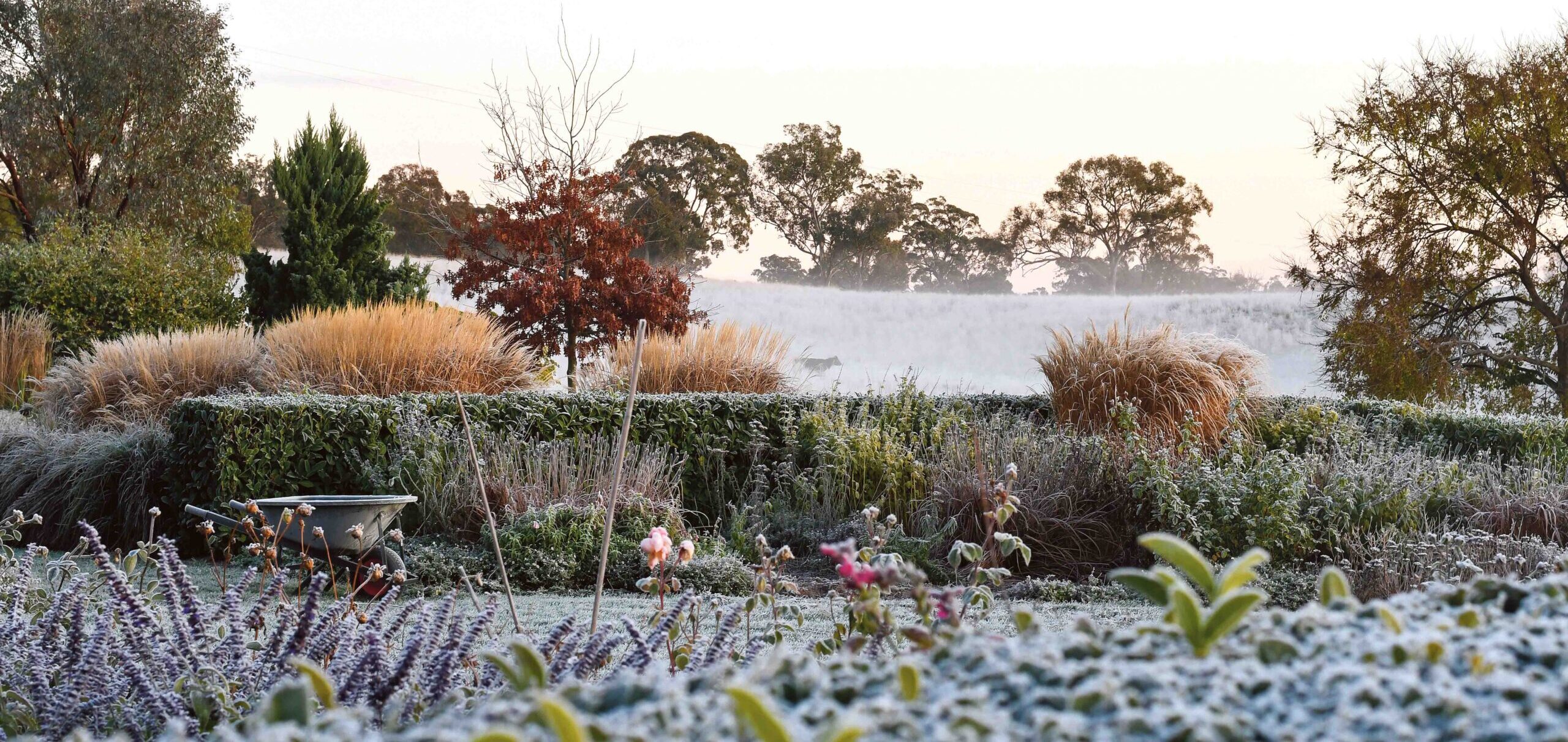
Colleen Southwell finds comfort in the small surprises of a winter garden.
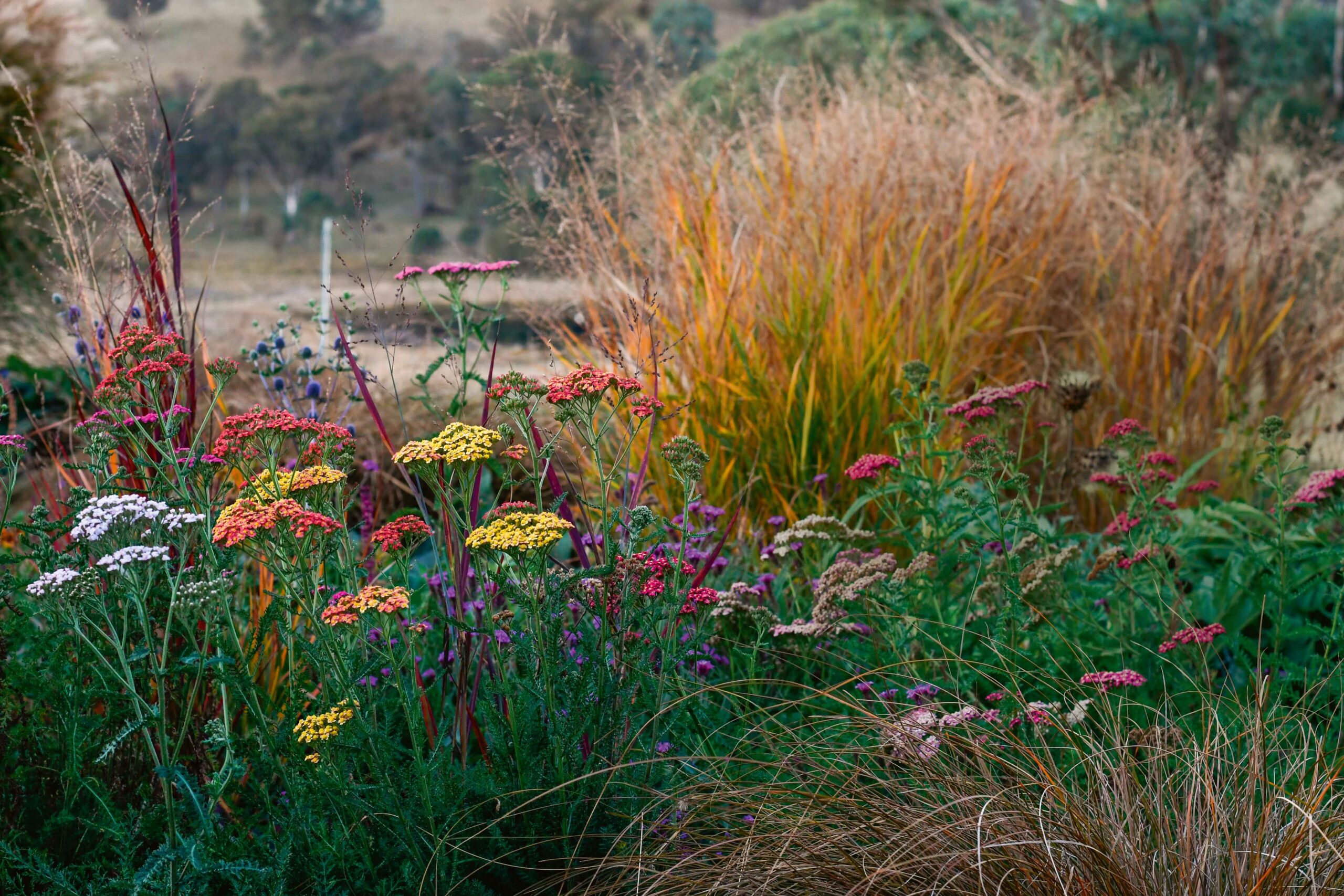
Resisting the urge to tidy up drying grasses and seed heads makes for a more interesting garden.