



PHOTOGRAPHY JACKIE COOPER
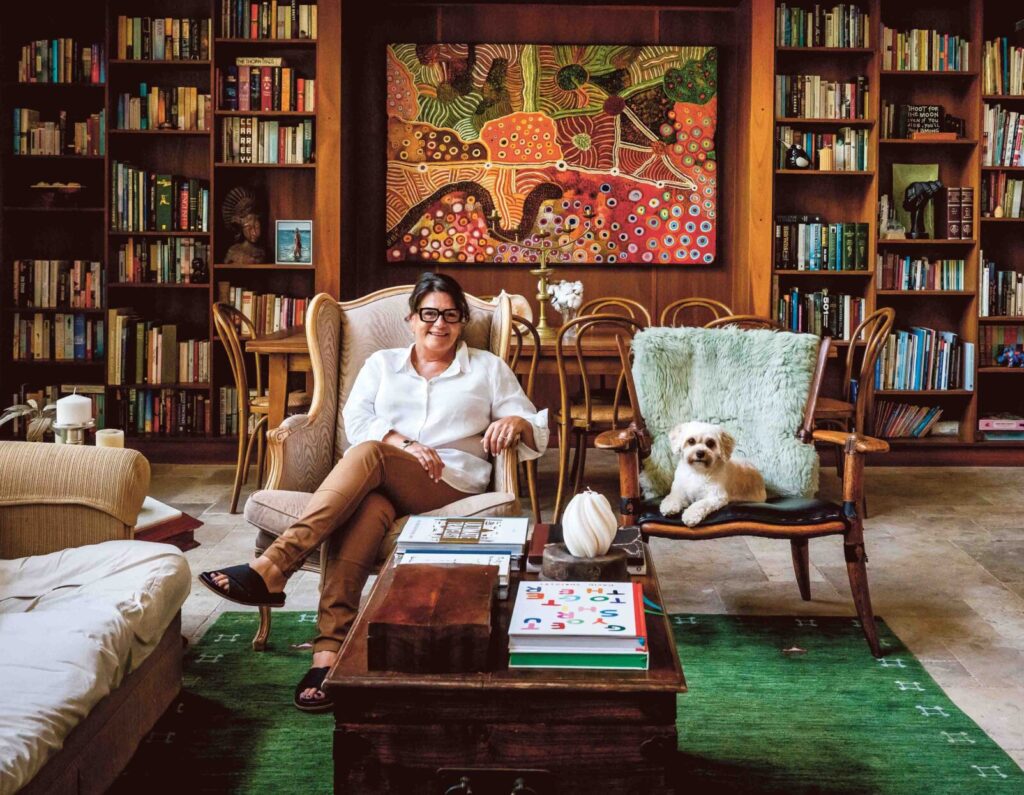
Cindy Cassidy at Charles Sturt University’s Wagga Wagga campus, home to the Southern NSW Innovation Hub.
Sign up to our mailing list for the best stories delivered to your inbox.
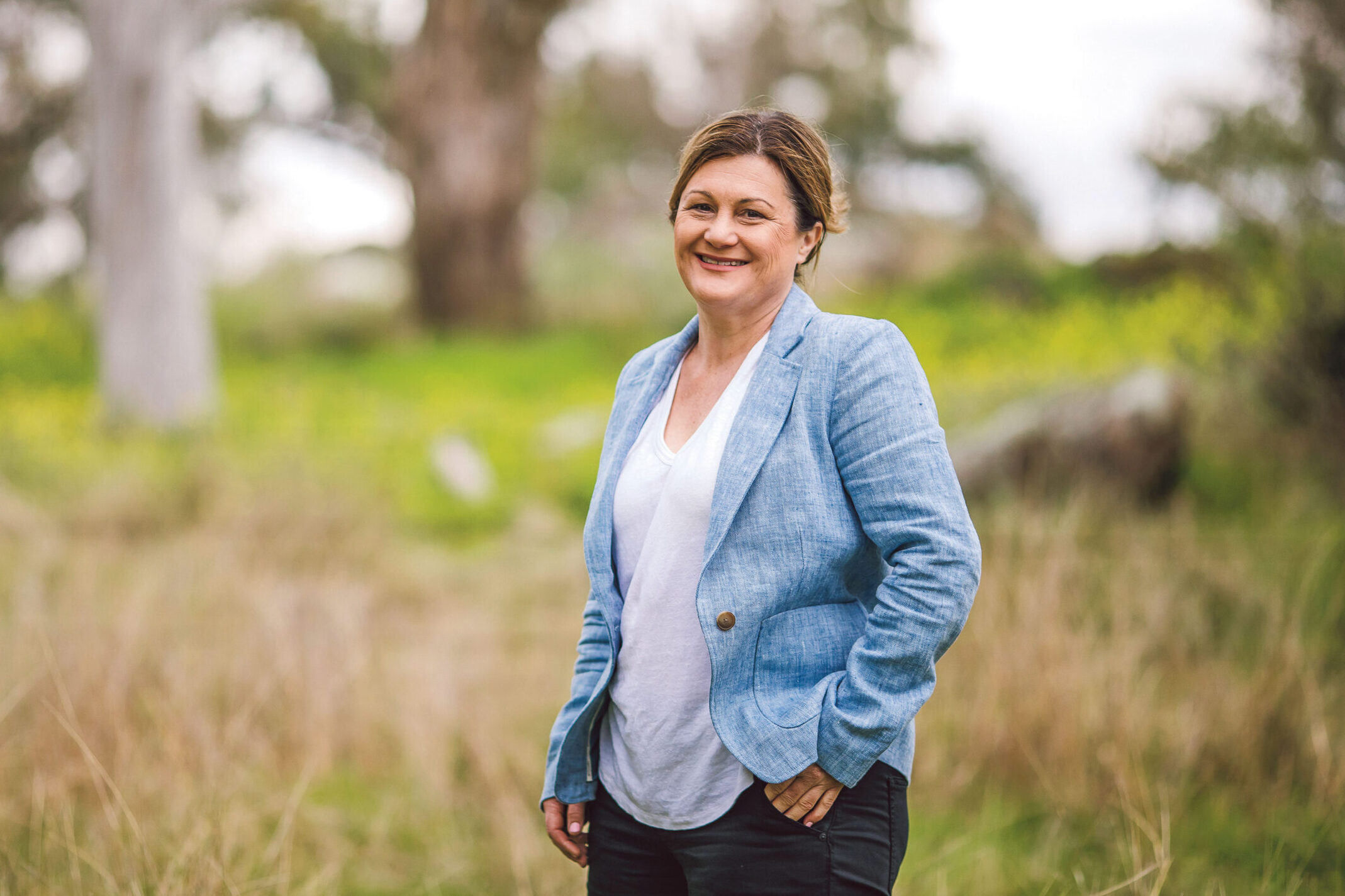
Her organisation helps producers source the expertise they need.
Words Emma Mulholland Photography Jackie Cooper
PHOTOGRAPHY JACKIE COOPER
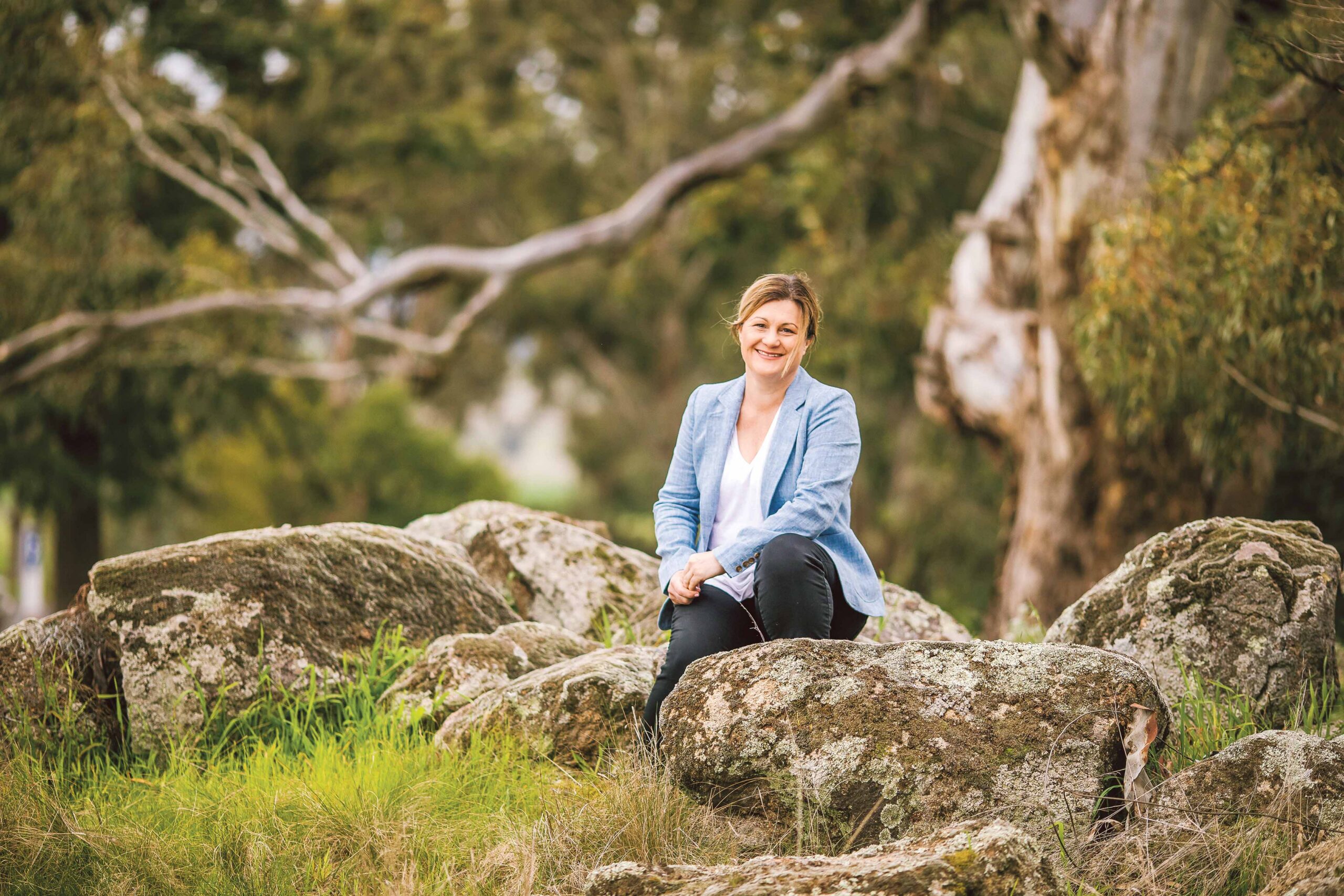
Cindy Cassidy at Charles Sturt University’s Wagga Wagga campus, home to the Southern NSW Innovation Hub.
That’s why, as director of the Southern NSW Innovation Hub, Cindy wants to change the way agricultural research happens in Australia. As the 52-year-old sees it, the current model promotes competition above all else, failing producers and limiting on-the-ground impact.
“We’re asking people to do what they haven’t been asked to do for the past two decades: to share freely, collaborate openly and work in partnerships they haven’t had before,” says Cindy. “The research, development and extension landscape in Australia is a competitive one, particularly in the way it’s funded. Most organisations don’t have enough resources to do the things they’d like to do, and they secure those resources through competitive processes.
“We’re asking them to put that aside. We’re saying: ‘Let’s work on a concept together, where you may not end up with the resources you think you need, but we’ll collectively have a better outcome.’ It’s a leap of faith that’s pretty hard for people and organisations to make.”
Operating out of Charles Sturt University’s Wagga Wagga campus, the Southern NSW hub is part of a national network of eight hubs supported by the Federal Government’s Future Drought Fund. It’s essentially a drought resilience research group, but acts like a recruiter, working with producers and other stakeholders to hand-pick the best experts and industry groups for the job. Over four years, the hub has secured about $33.8 million in financial investment, much of which has stayed in the region.
Not only does community-based research produce better outcomes, she explains, it’s essential to economic development. “If we’re genuine about the development of our regions — and making rural communities places where people can live and work — innovation and investment is key.”
Cindy knows this corner of the country, having spent her childhood in the Riverina on a grain and livestock property at Ariah Park, about 30 kilometres out of Temora. One of four kids, she spent her youth outside, running wild. “I can’t imagine doing this job without having that,” she says. “Growing up on a farm and having experienced all that stuff, it’s just part of the fabric of who you are.”
She’d have liked to become a farmer, but life had other plans. After school, Cindy moved to Sydney to study biochemistry and molecular biology, then made her way back to the land via a master’s degree in agriculture. “Once I completed that, I realised it was the people side that I was interested in,” she says, “so I moved into agribusiness.”
Later, while living in Melbourne, Cindy spent almost a decade with AWB (previously the Australian Wheat Board), where she helped producers meet the demands of international buyers.

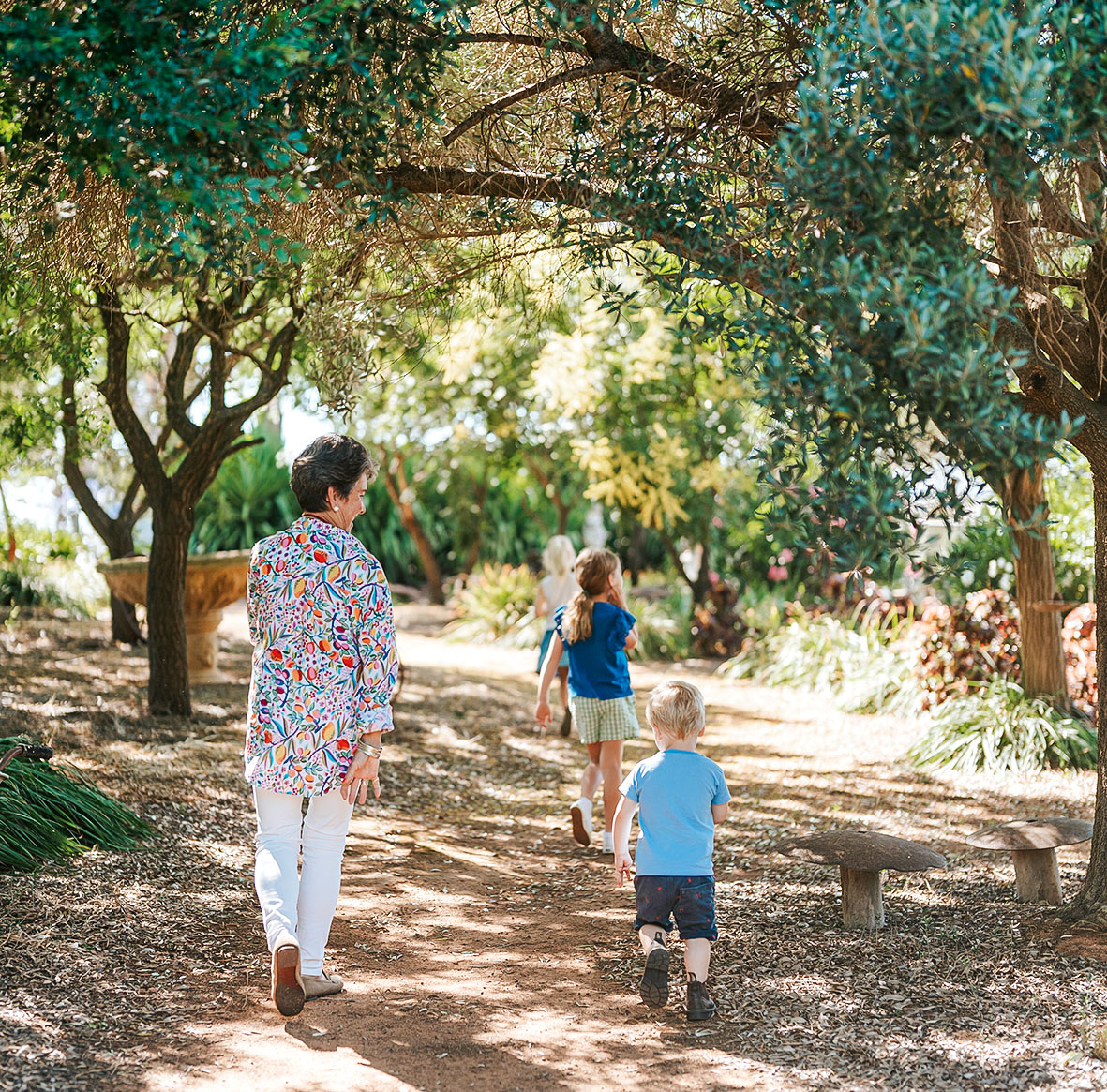
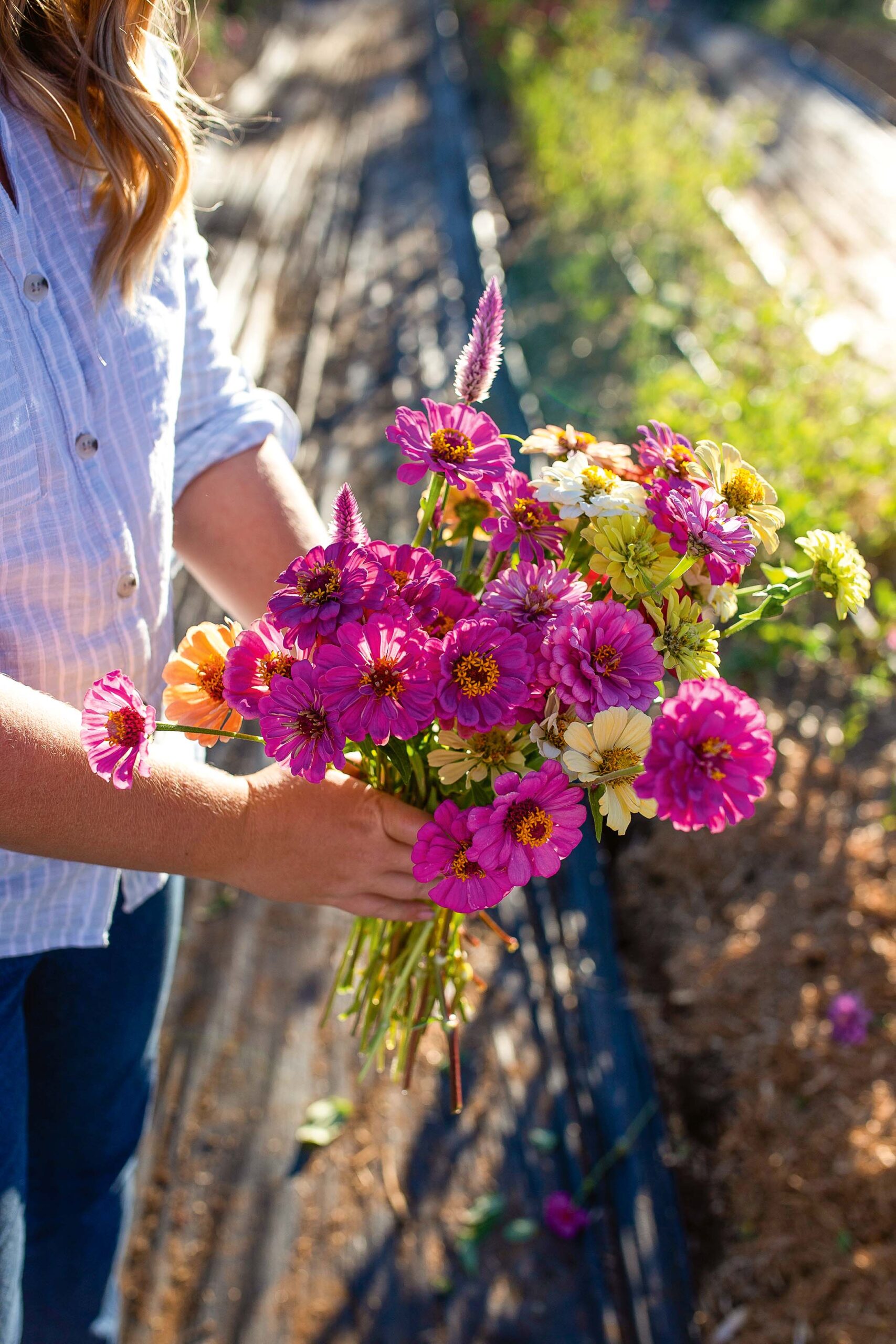
Current custodian Penny Lamont says the heritage garden is designed for easy-care and dry times.
Cindy loved the city life but in 2011, after her marriage ended, she returned to Ariah Park with her then four-year-old, Olivia. “I had responsibilities I needed to take care of and that was my focus,” she says. “All throughout my career, everything was based around making sure Olivia was well looked after and supported.”
She says she’s not much of a networker, but Cindy has always been driven, taking up various board roles and working closely with professional mentors. When Olivia was in Year 7 and preparing to start boarding school, Cindy enlisted the help of career coach Jo Eady at RuralScope, and the two worked on a formal, structured career-planning process.
“I had to go back to my previous mode of operation, which was making sure I planned my career,” says Cindy. “I sat with Jo and we went through a process of saying, ‘What does the future look like in your life and your career? What are the things that are important to you?’ That’s been such a strong guide for me in the choices I make both personally and professionally.”
At the time, Cindy was CEO at FarmLink Research, a Temora-based not-for-profit organisation that helps growers boost the viability of their operations. In 2015, she won the Rural Industries Research and Development Corporation (now AgriFutures) NSW/ACT Rural Women’s Award for her role at FarmLink. She used the bursary to travel, visiting the Food and Agriculture Organization of the United Nations in Rome, and then wrote a paper about international approaches to research implementation.
“My hypothesis was that in developing countries, where the difference between good and bad is life and death, there’s a much more targeted approach to how we support farmers or communities to adopt change,” she says.
She adds: “You’ve got to really understand the skills that people need and the barriers they face; there are so many layers that get in the way of people being able to make changes that you think look sensible.”
Almost a decade later, those learnings inform Cindy’s approach at the hub. As she explains, “It starts with a very public call to action. We run workshops where we say: ‘Okay, let’s get all the ideas out. Now, let’s figure out the people and organisations that can really contribute to our understanding of the problem or the solution.’”
You know when you’ve hit on the right team, she says: “it’s just got so much energy.” Two years ago, having identified a potential grant, the hub gauged local interest in long-term field trials aimed at optimising mixed farming in the region. It landed $6.2 million in Future Drought Fund investment and is now working on a four-year, seven-site trial. Based on this work, the hub has already released management guides and provided farmers with assistance to establish facilities and implement confinement feeding.
Over her 30-year career, Cindy has seen many changes in the region: among them the deregulation of wheat exports and a shift in the way growers think about soil health and moisture retention. But she says one of the biggest transitions is that farmers are becoming stronger advocates, whether it’s via social media or organisations like the hub.
“There are changes in the way that farmers’ voices get to be heard,” she says. “Farmers can be much more individual and direct. And I think we’re probably about to see another evolution in that, with people really thinking about how the needs of growers — particularly younger growers — are represented in policy-making.”
For more information on the hub’s work, visit Southern NSW Drought Resilience Adoption and Innovation Hub.
To find out about applying for the 2027 AgriFutures Rural Women’s Award, go to AgriFutures.
Subscribe to Graziher and you’ll never miss an issue of your favourite magazine. Already a subscriber? Consider gifting a subscription to someone special in your life.
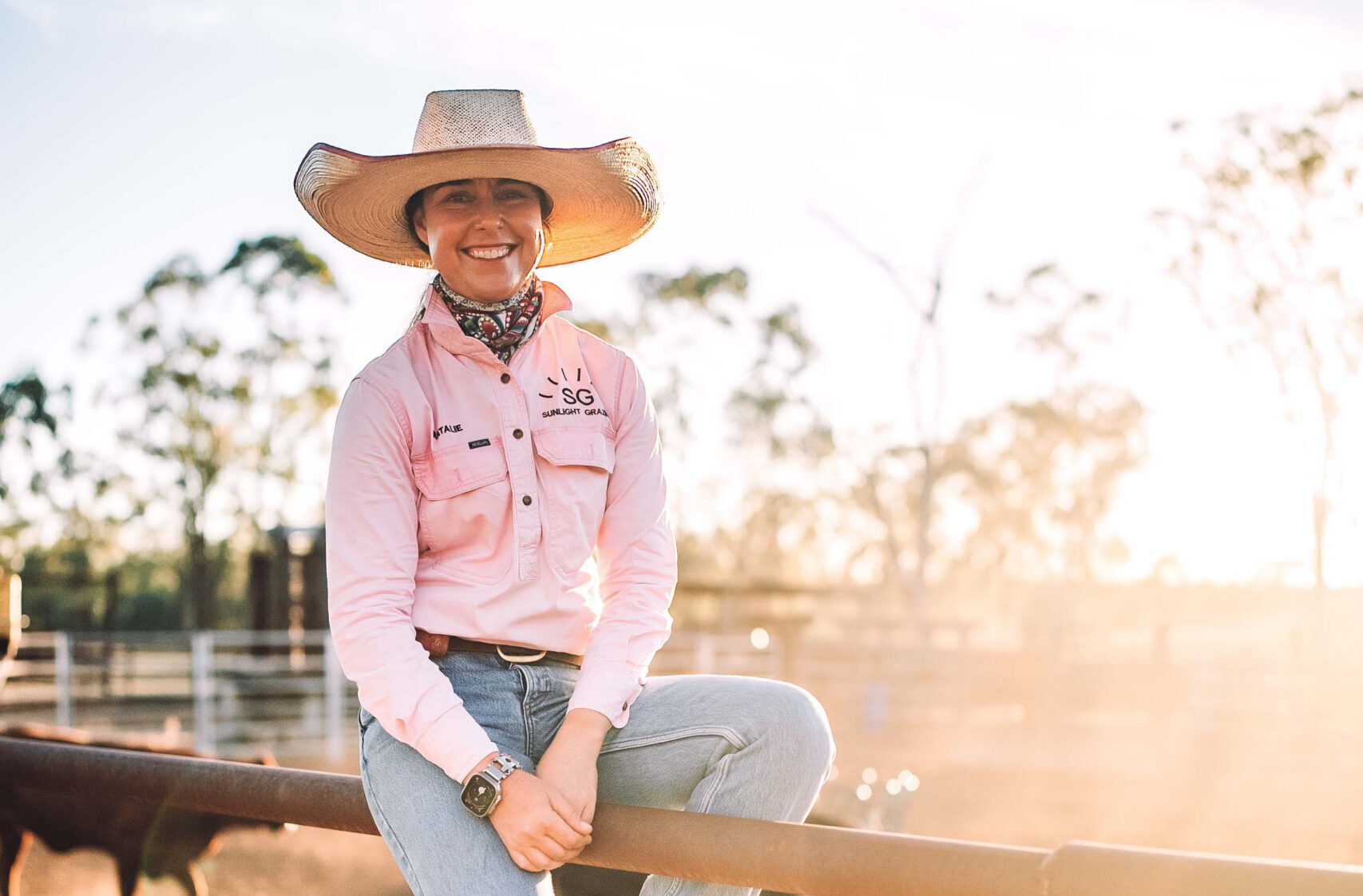
She says clever tech makes it possible to go it alone on the 4000 hectare beef-finishing property in central Queensland.
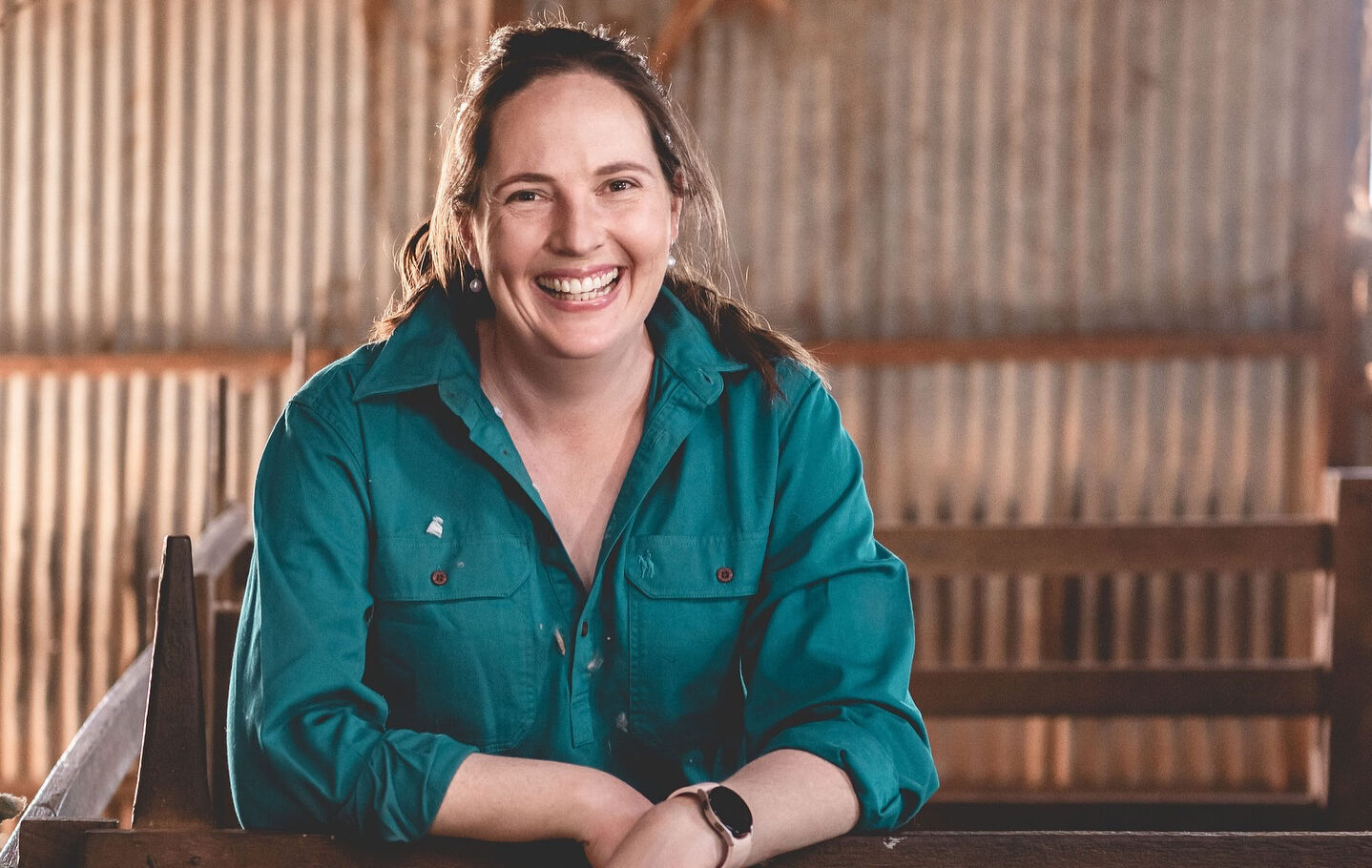
A farmer, mother-of-three and psychologist, Steph Schmidt understands what it’s like to be deep in the trenches.
She says clever tech makes it possible to go it alone on the 4000 hectare beef-finishing property in central Queensland.
A farmer, mother-of-three and psychologist, Steph Schmidt understands what it’s like to be deep in the trenches.
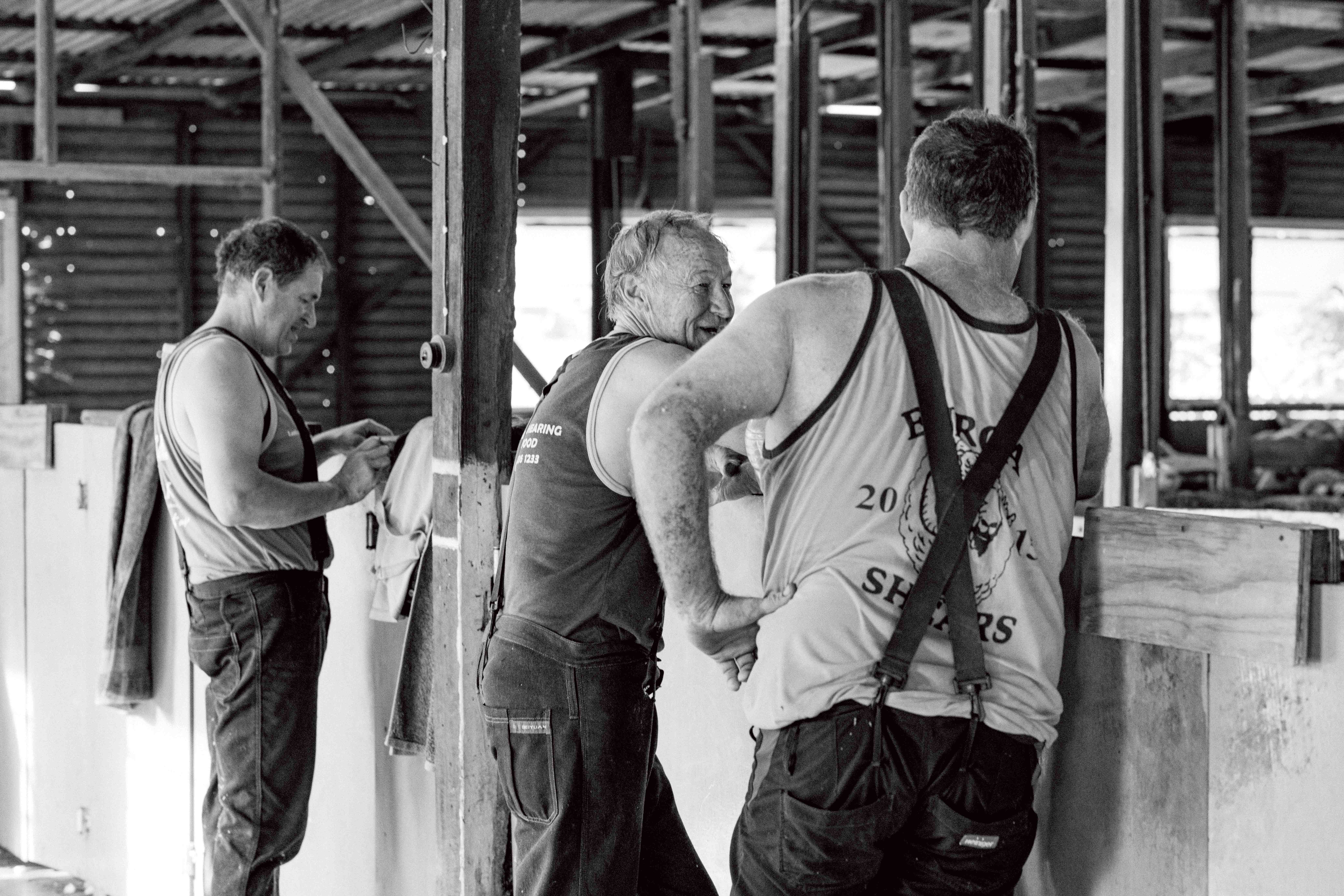
Members of the Graziher community capture rural life as they experience it, from Pompapiel in Victoria to Queensland’s Elrose station.

