

Photography Alysha Sparks
Sign up to our mailing list for the best stories delivered to your inbox.
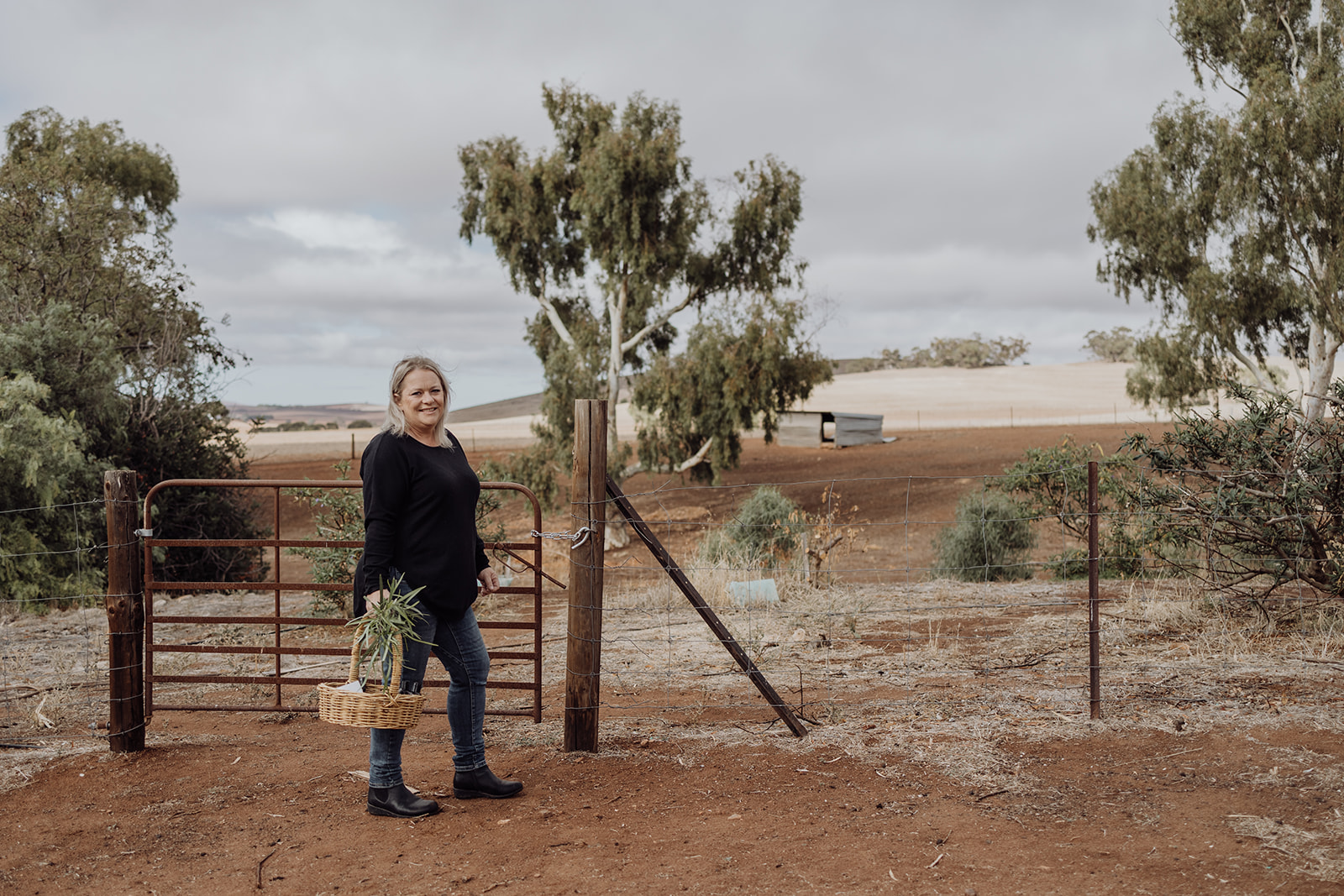
The South Australian massage therapist turned to bush salves when she could no longer use her hands to heal.
Words Amanda Ducker
Photography Alysha Sparks
Photography Alysha Sparks
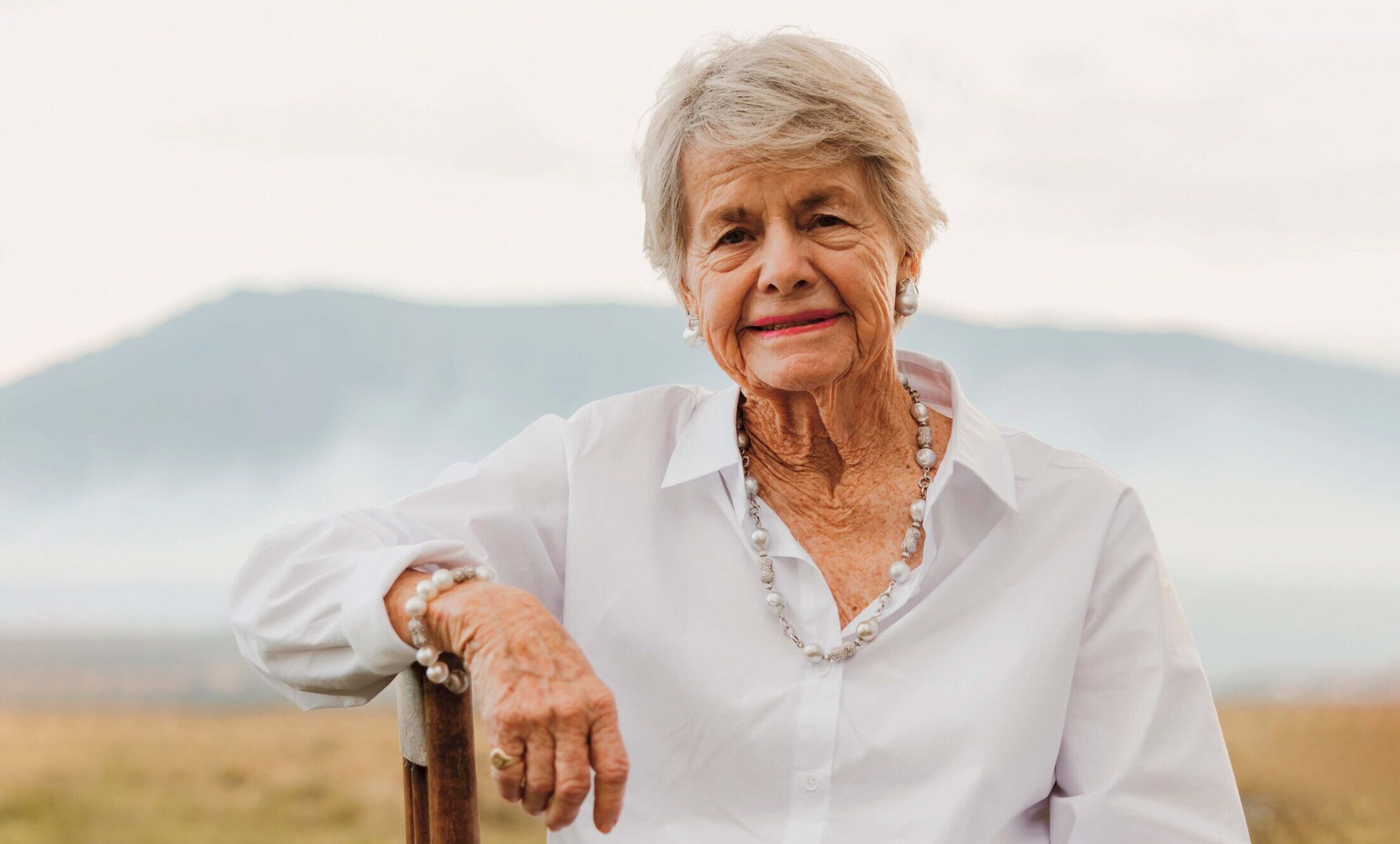
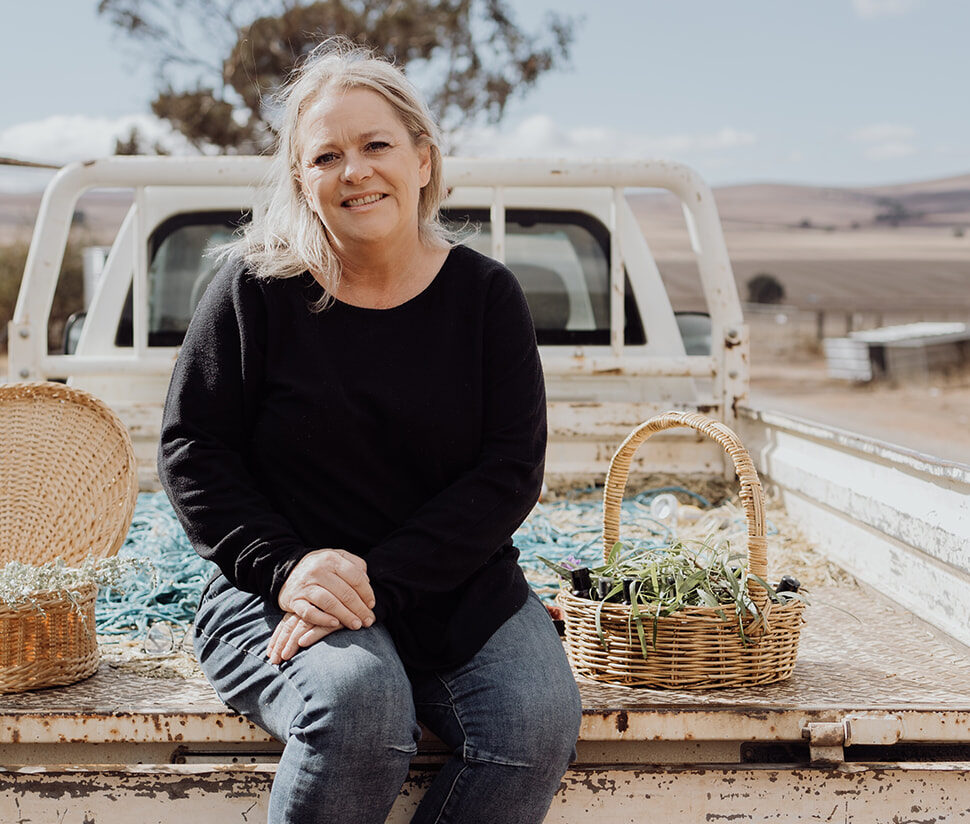
Last year, Justine Reynolds loaded the back of her LandCruiser with boxes of balms and drove from her farm in South Australia to Melbourne for a meet-the-maker session with her first interstate stockist. By the end of the trip, she’d picked up nine more stores to stock her bush remedies.
“The response was incredible,” Justine says. “It affirmed to me I was doing the right thing.”
Her business, Woodleigh Hills, launched officially in August 2023. That Saturday, she was at a local footy match at Gladstone, watching her two youngest kids play, when her phone rang.
A business wanted to stock her products. “It started happening from the very first day,” she says.
Within three months, she’d lined up 10 South Australian stockists. But the road trip to Victoria with friend and part-time assistant Mardi Catford marked a shift. “Retailers who were sampling the gift packs called back before we’d even left the car park,” Justine says. Today, the Woodleigh Hills brand has more 50 stockists across Australia and online orders from as far afield as California and the UK.
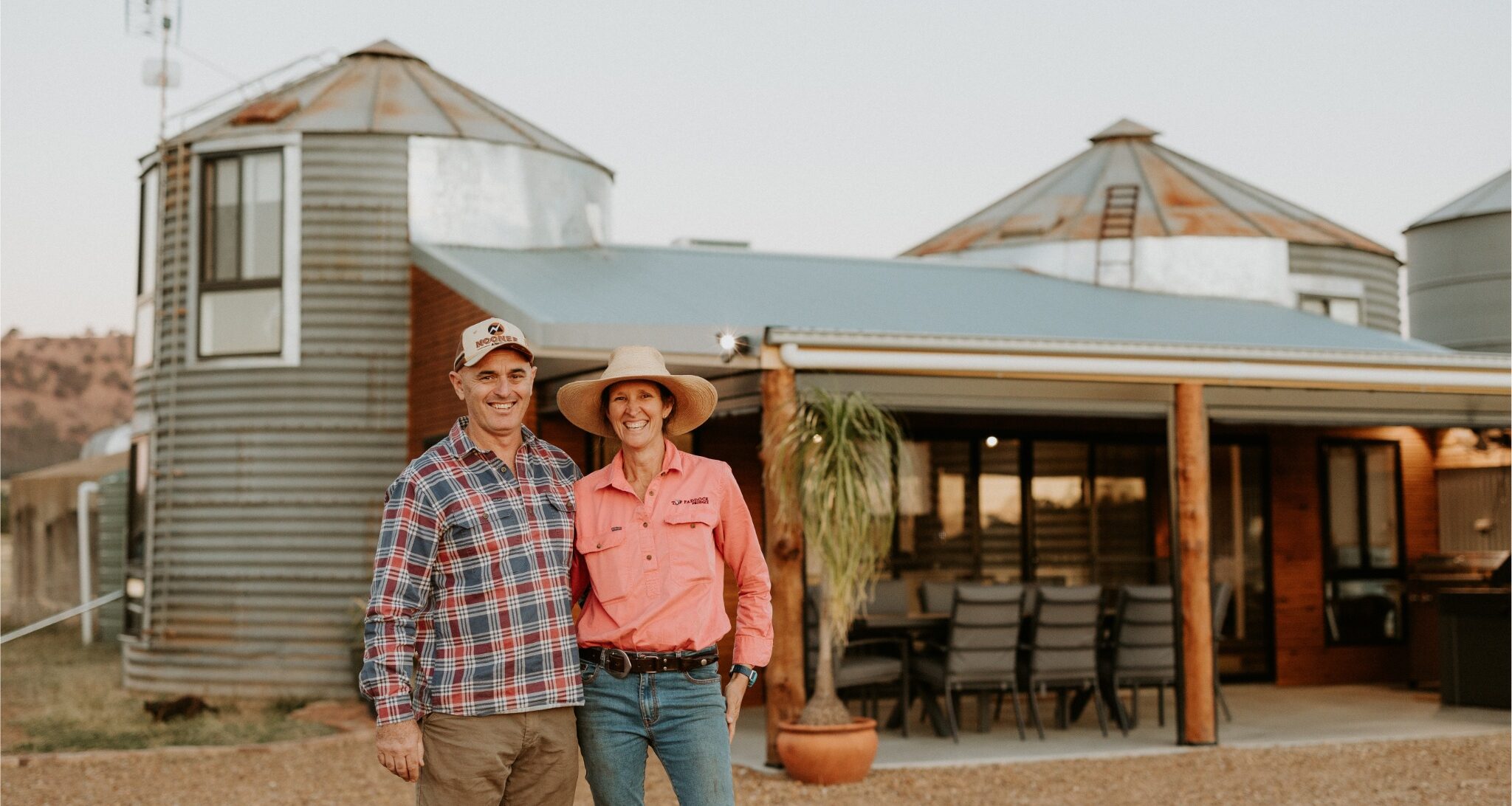
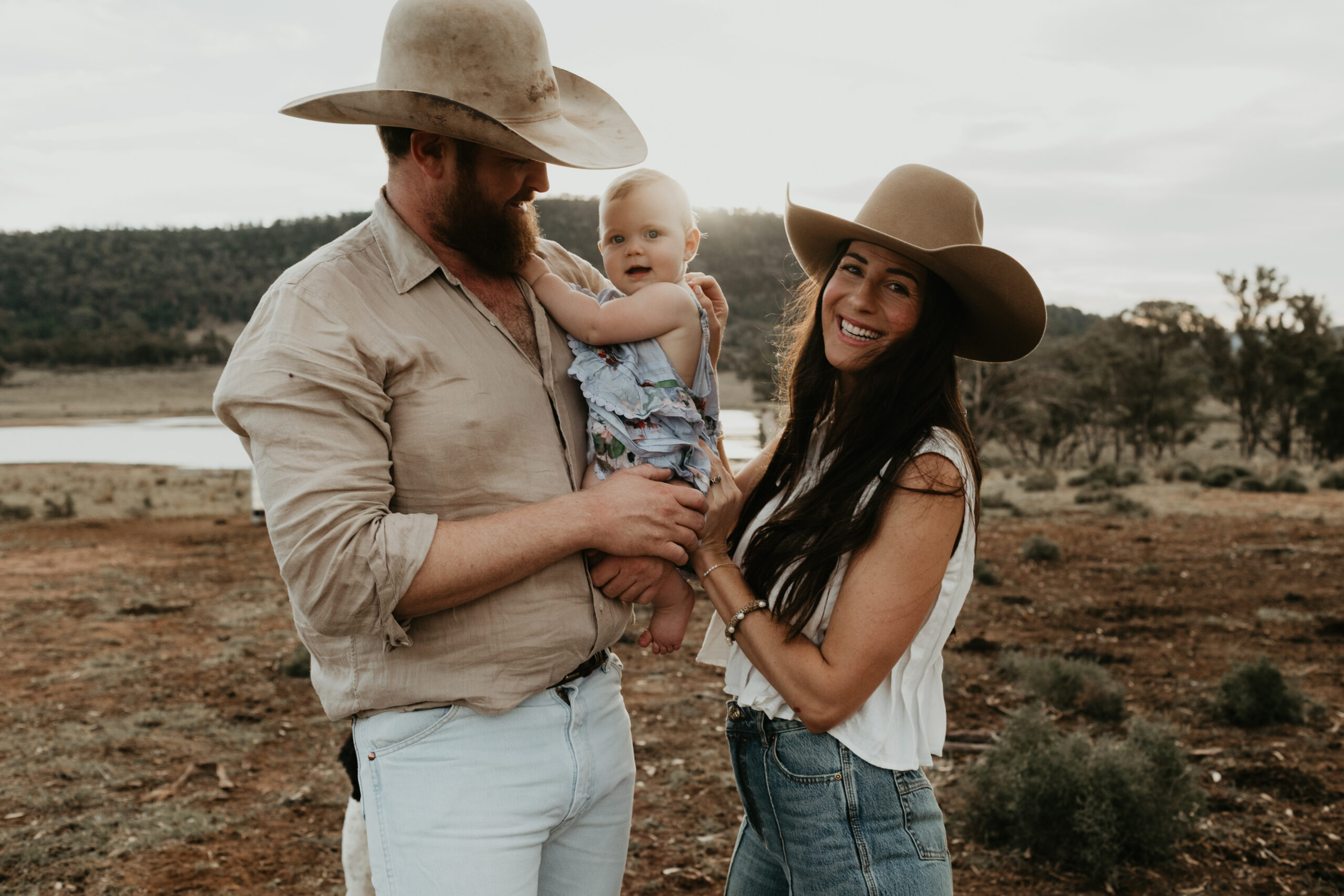
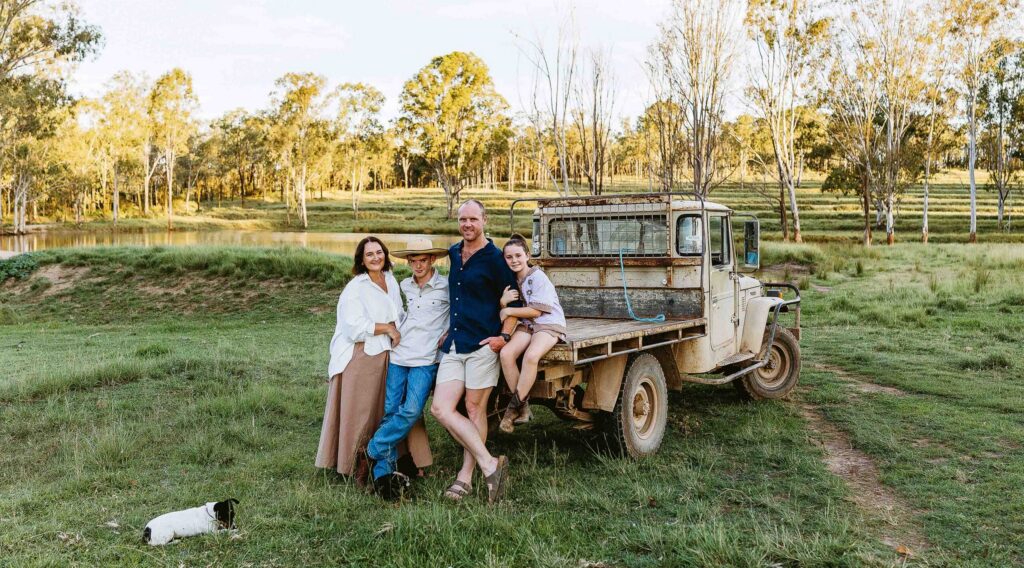
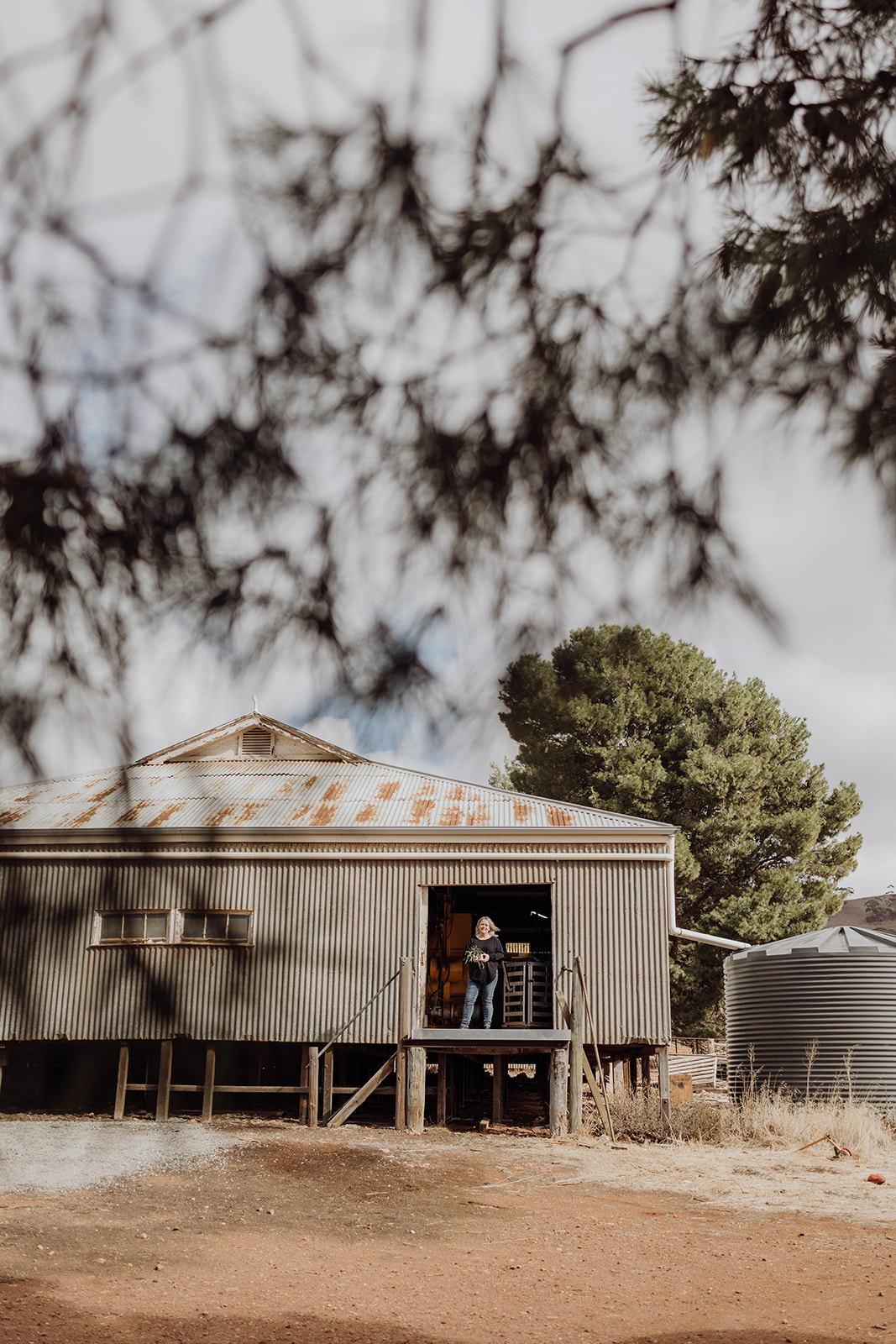
Justine, 47, lives on a 600 hectare property, Woodleigh, near Jamestown, three hours north of Adelaide, with her husband, Rodney Hammat, and four children: Sophie, 24; Harry, 20; Archie, 14; and Clancy, 11. Rodney’s family has farmed in the district for five generations. Justine grew up nearby in Orroroo, one of six daughters. Her late father, a fuel tanker driver, spent most of the year on the road, and enjoyed a claim to fame as the first trucker to drive a triple road train across the border to the Northern Territory. Her mother ran a community-minded household that went into overdrive during show season.
“We all went in the competitions,” Justine says, recalling flower arranging and baking categories. “It was not a choice, it was Mum’s expectation.” Then there was the endless family fundraising for health causes. Sausage roll drives, morning teas and even a pop-up backyard cafe — where her mum still raises thousands each year — were fixtures. It was in this focused, strongly female setting that Justine realised her interest in healing. “We’d have friends come over and while we’d sit and watch TV I’d massage someone’s shoulders,” she says. “I realised I had an ability to know where to go and what to do with my hands to help people.”
She trained in sports massage in Adelaide, set up a small clinic in her parents’ home and later returned to the city to study remedial massage. But while working in a printing business to fund her education, she developed RSI and had to stop massage. She pivoted to sales in the roofing industry. Meanwhile, she met and married farmer Mark Reynolds, settling happily into life on his family’s Port Lincoln sheep station. Then tragedy struck. In 2004, six years after they became a couple, Mark died in a car accident. Justine was left with their three-year-old, Sophie, and was pregnant with Harry. She stayed on the isolated station for 18 months before making her way back to her Mid North home district to be closer to her family.
She moved to Woodleigh in 2012 with her second husband, Rodney, having two more children. Meanwhile, her RSI finally resolved, allowing her to return to massage therapy: this time working with the local footy club and in her own practice.
In 2020, her health broke down again. A diagnosis of superior semicircular canal dehiscence — a small hole in the bone above the inner ear — left her with migraines, nausea and hypersensitivity to sound. “Any physical exertion brought on the symptoms,” she says. She had to give up massage for a second time.
Photography Alysha Sparks
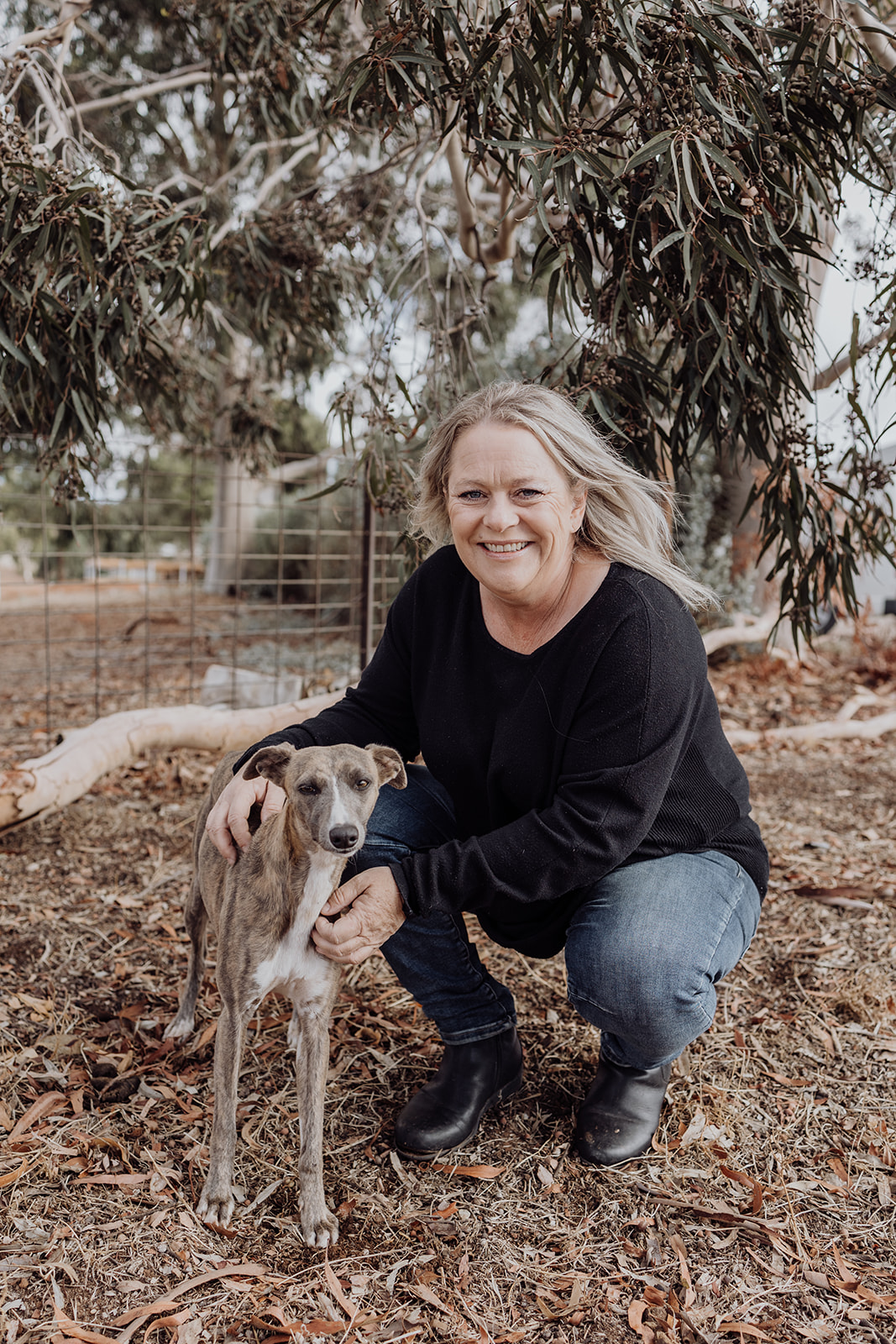
Photography Alysha Sparks
By then she had started exploring the healing properties of native plants. During earlier massage years, she had studied Chinese Rotai therapy and undertaken training with a therapist near Coffs Harbour who introduced her to native apricot (Pittosporum angustifolium). Also known as gumbi gumbi, it had long been used by Indigenous people to treat colds, skin issues and digestive complaints. Its triterpene saponins are now being studied for immune-modulating and anti-inflammatory effects.
Justine began experimenting with blends and commissioned her former massage oil supplier to help create her first product, a native apricot skin remedy balm. “He was so generous in his guidance and help,” she says of Edmund Gooden of Sacred Grove. “One of my biggest supporters.”
Next came her Wilga Pain Rub. Traditionally used for toothache and muscle pain, wilga (Geijera parviflora) contains a compound with local anaesthetic properties. It also boasts antioxidant-rich phenolics and essential oils sabinene and
pinene, known for their anti-inflammatory and sedative effects.
She added a Kangaroo Apple Rub, made from native Solanum aviculare, the fruit of which is rich in solasodine and used traditionally to soothe inflamed joints and skin conditions. Then she introduced Maroon Bush Rub (Scaevola spinescens) for skin blemishes and irritation.
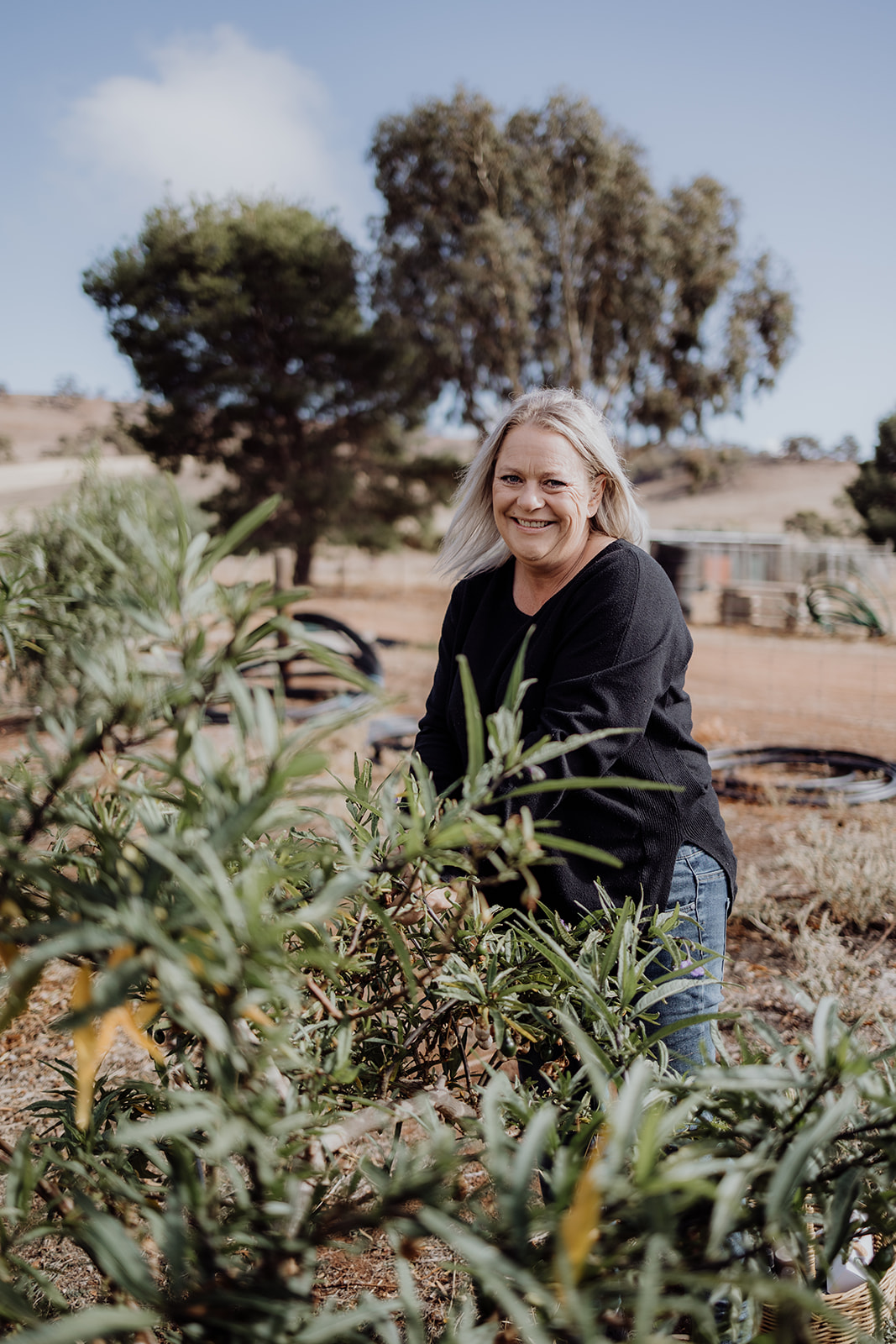
All four plants are grown at Woodleigh, well-fenced from sheep and kangaroos but still prone to rabbit incursions. Justine’s in-laws help run the small plantation. Beeswax comes from on-site hives and olive oil is sourced from regional groves.
The business employs four casual part-time staff. “If I’m having a bad sick day and can’t get rid of a headache, I go to bed,” Justine says. “Everything else can wait. I’ve set things up so the business can function without me when I’m too unwell.”
The range includes rubs, lip balm, oils, spritzers and teas. The spray suits people with limited mobility; the rubs are discreet and scent free. “You could wear them to a wedding,” she jokes, “instead of smelling like Tiger Balm.”
Justine credits Milly Albers of Milco Media + Design for putting her brand on the map. “I went to Adelaide and sat with her while she did my first website and social media. I had no idea how to do this stuff. I would not be where I am without her.”
Justine is now working towards approval with the Therapeutic Goods Administration (TGA), which regulates any product that claims to treat or prevent health conditions. Without registration, her labelling is strictly controlled. “I’m not allowed to say this balm will relieve pain,” she explains. “I can only say it ‘may assist’. There’s a very strict list of terms I’m allowed to use. But of course our testimonials say, ‘It helped my back’ or ‘It took away the pain’. I just have to stay within the rules.”
She’s conscious of questions around cultural provenance of the plant knowledge she draws on. “I pay homage to the ancient wisdom,” she says. “I thank all the healers of the world.”
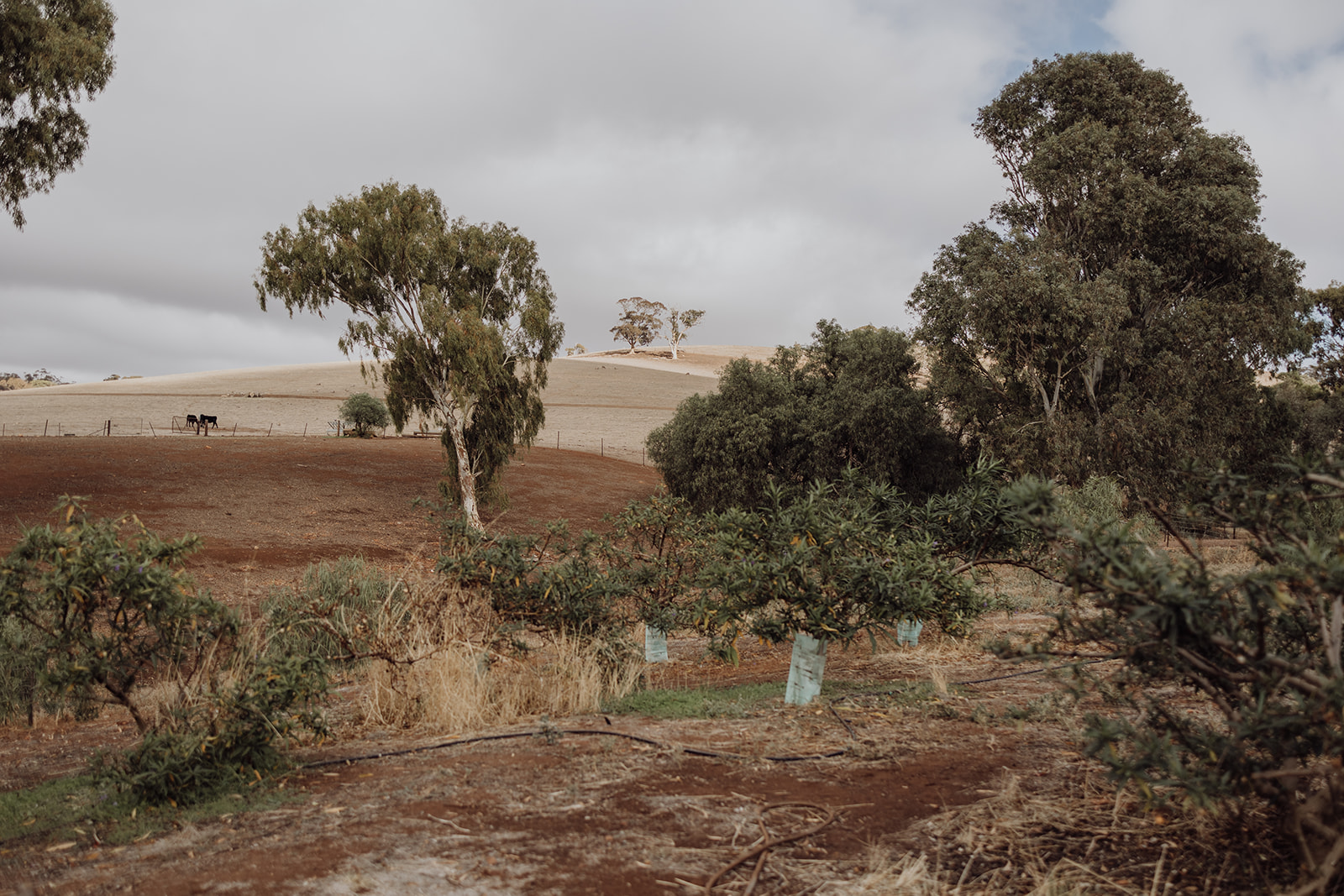
Photography Alysha Sparks
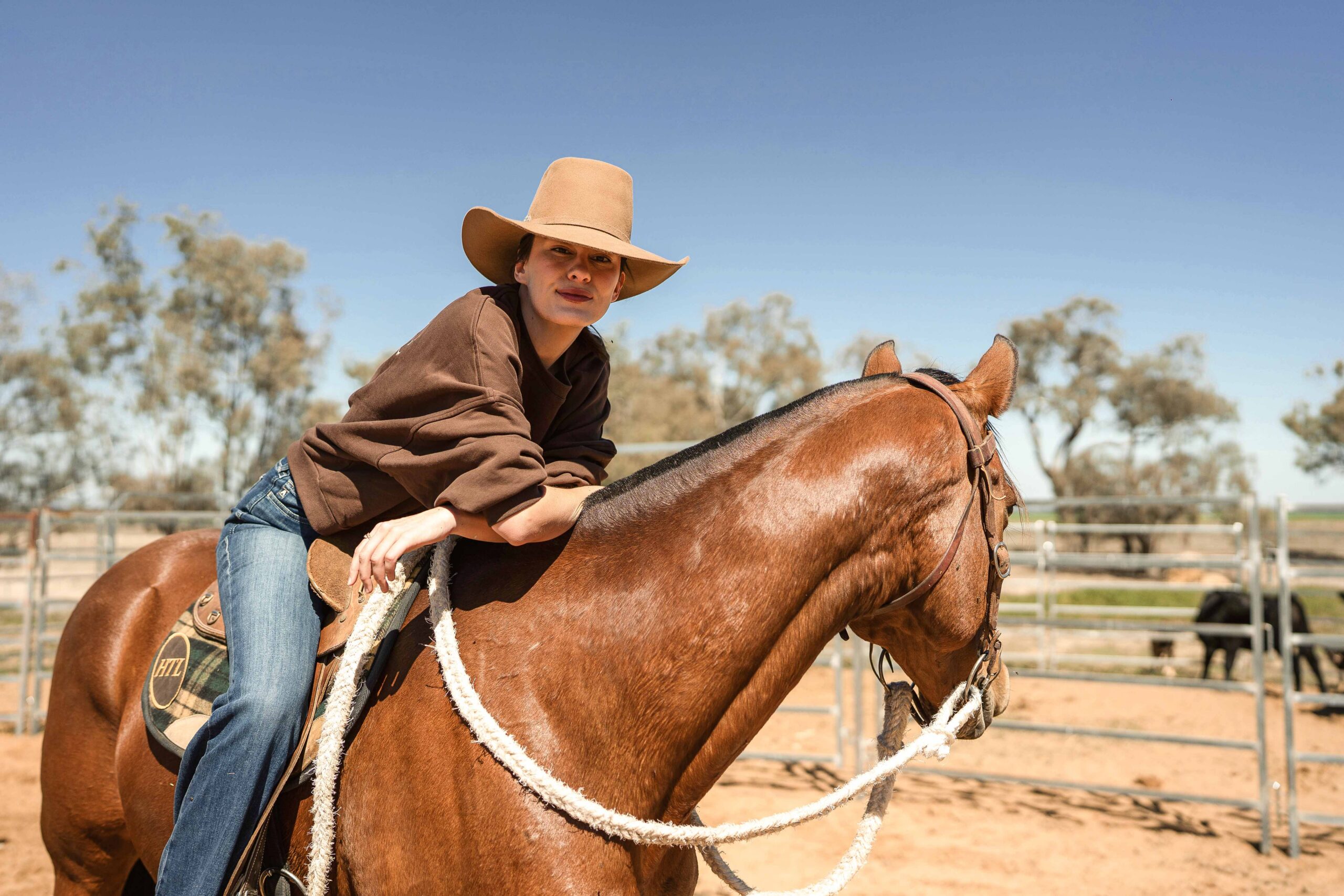
There are many ways to find a meaningful role in the industry, says Beef Australia’s Beth Rands.
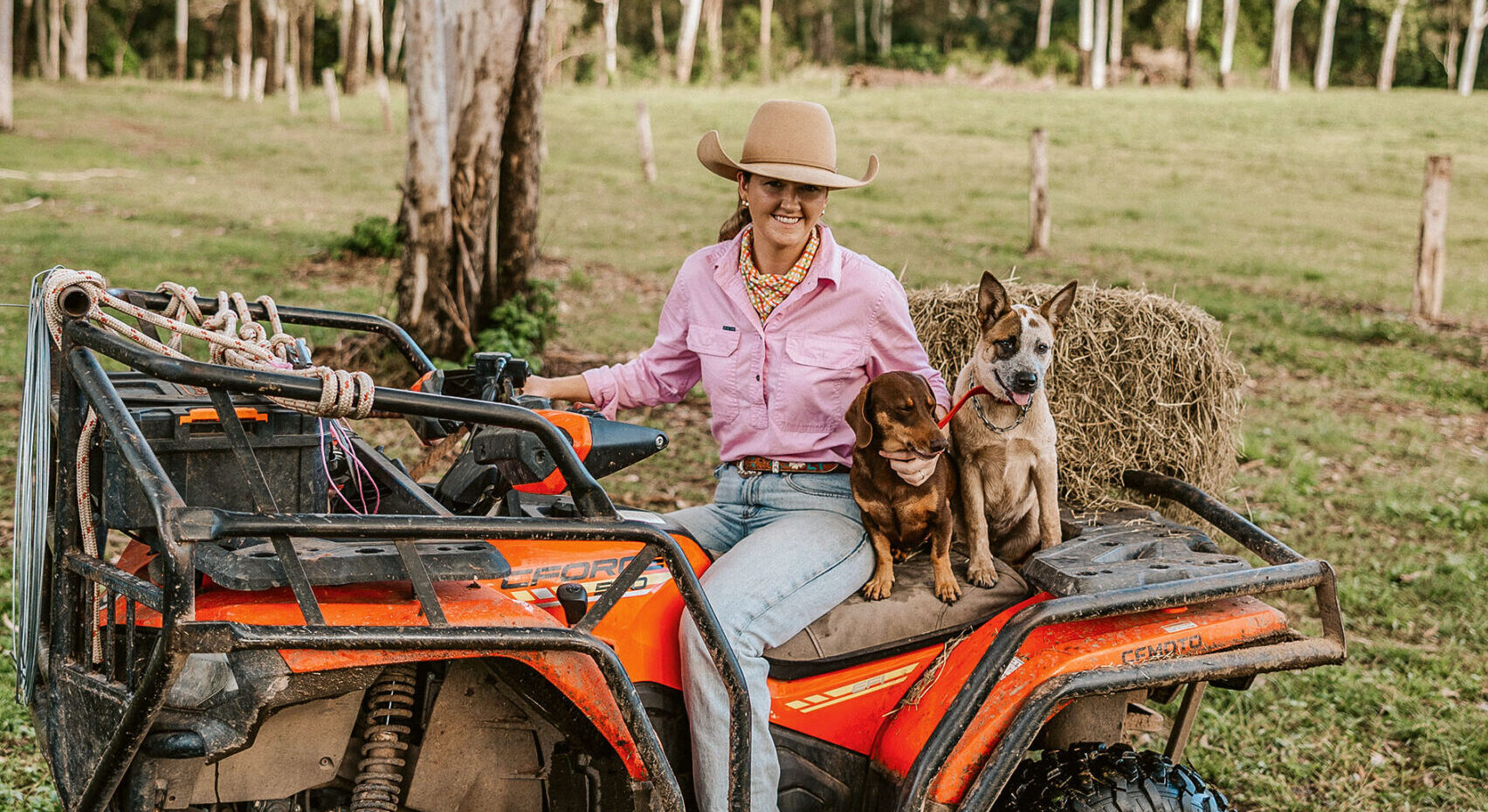
Hailing from a small Irish town, Lisa Fryer found love at Daly Waters’ Hi-Way Inn. Today, she and husband John are ushering in a new era for Tabletop Station, near Townsville, Queensland.
There are many ways to find a meaningful role in the industry, says Beef Australia’s Beth Rands.
Hailing from a small Irish town, Lisa Fryer found love at Daly Waters’ Hi-Way Inn. Today, she and husband John are ushering in a new era for Tabletop Station, near Townsville, Queensland.
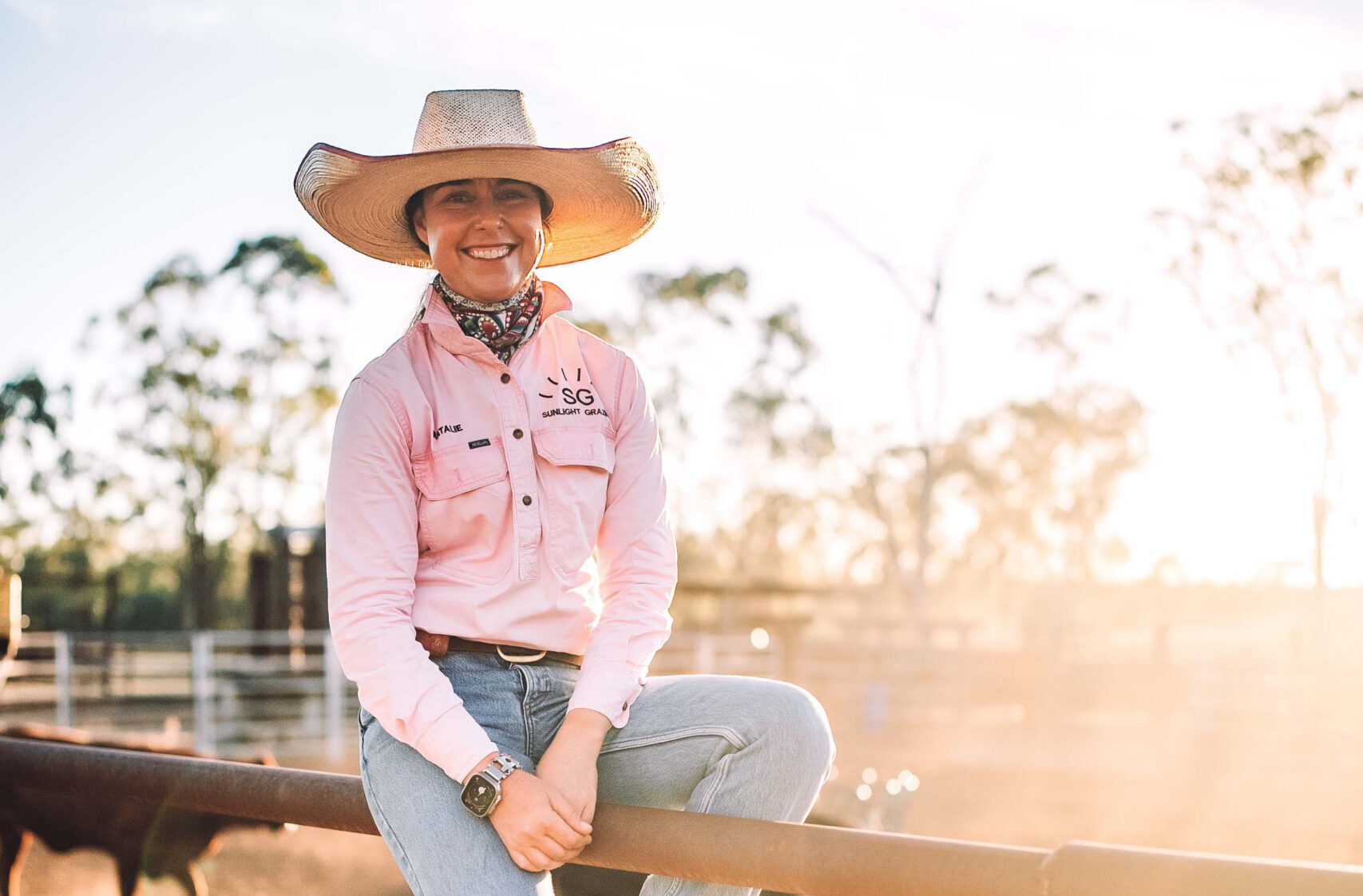
She says clever tech makes it possible to go it alone on the 4000 hectare beef-finishing property in central Queensland.

