
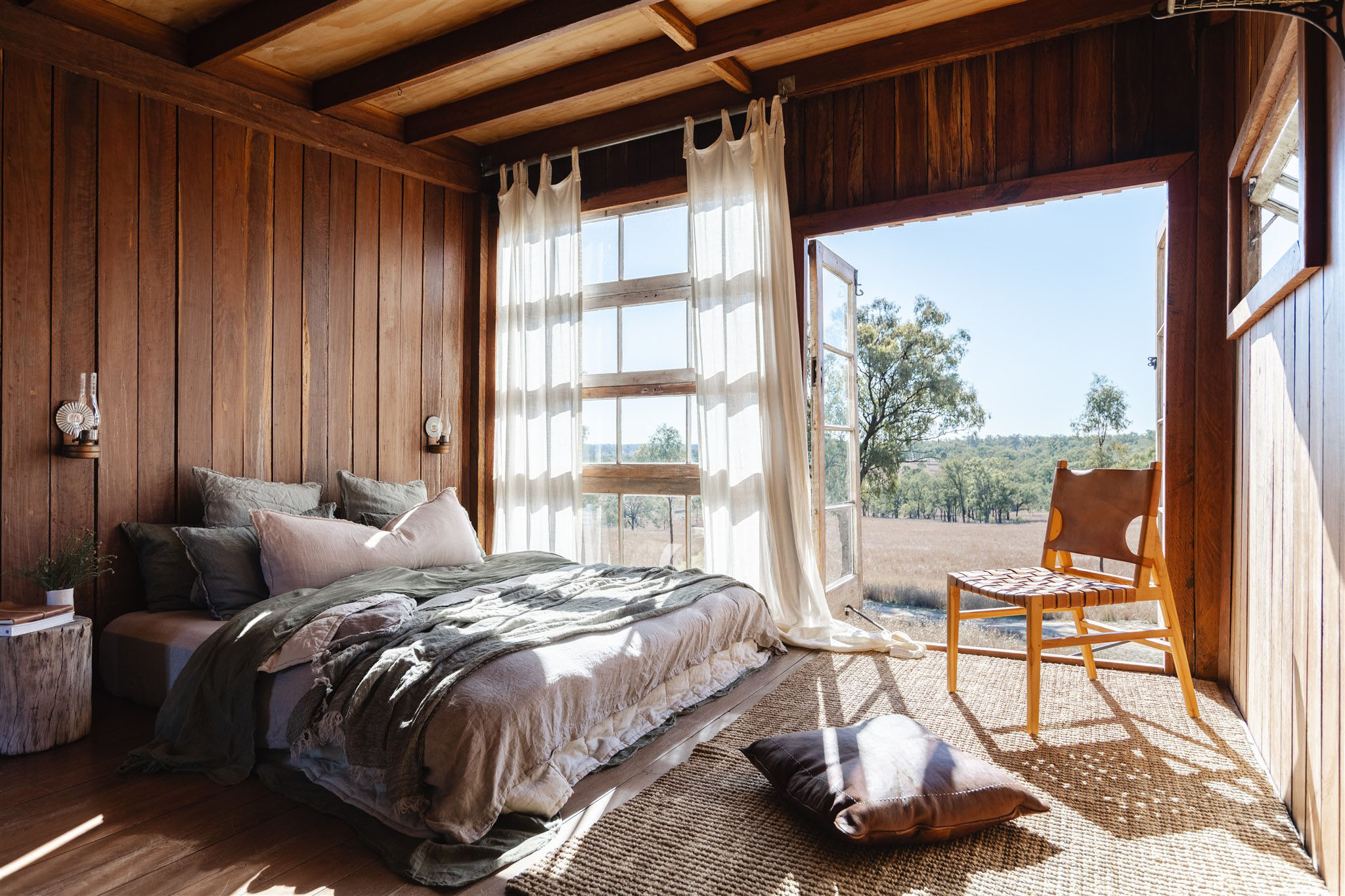
Photography Allie Lee
Sign up to our mailing list for the best stories delivered to your inbox.
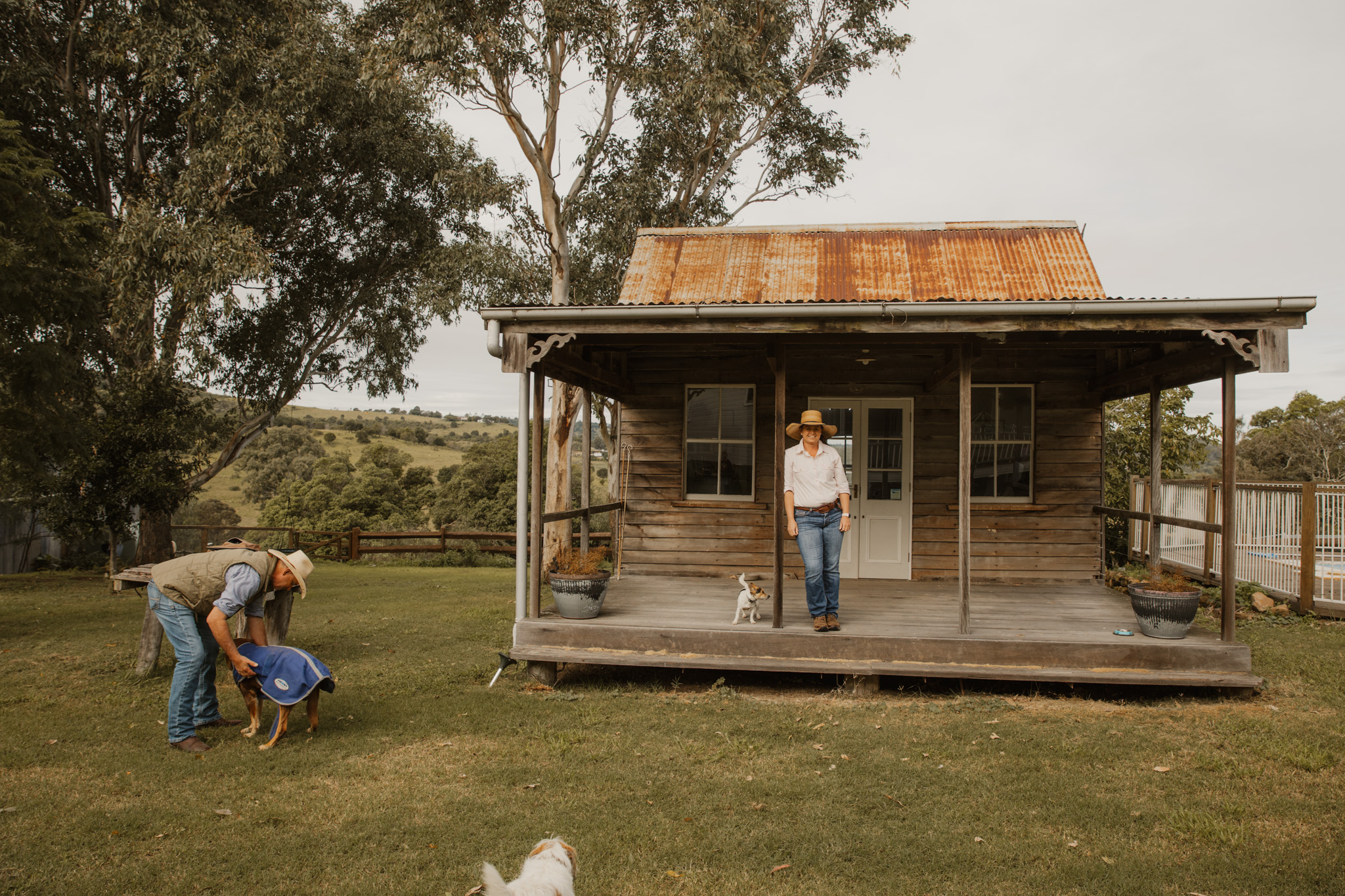
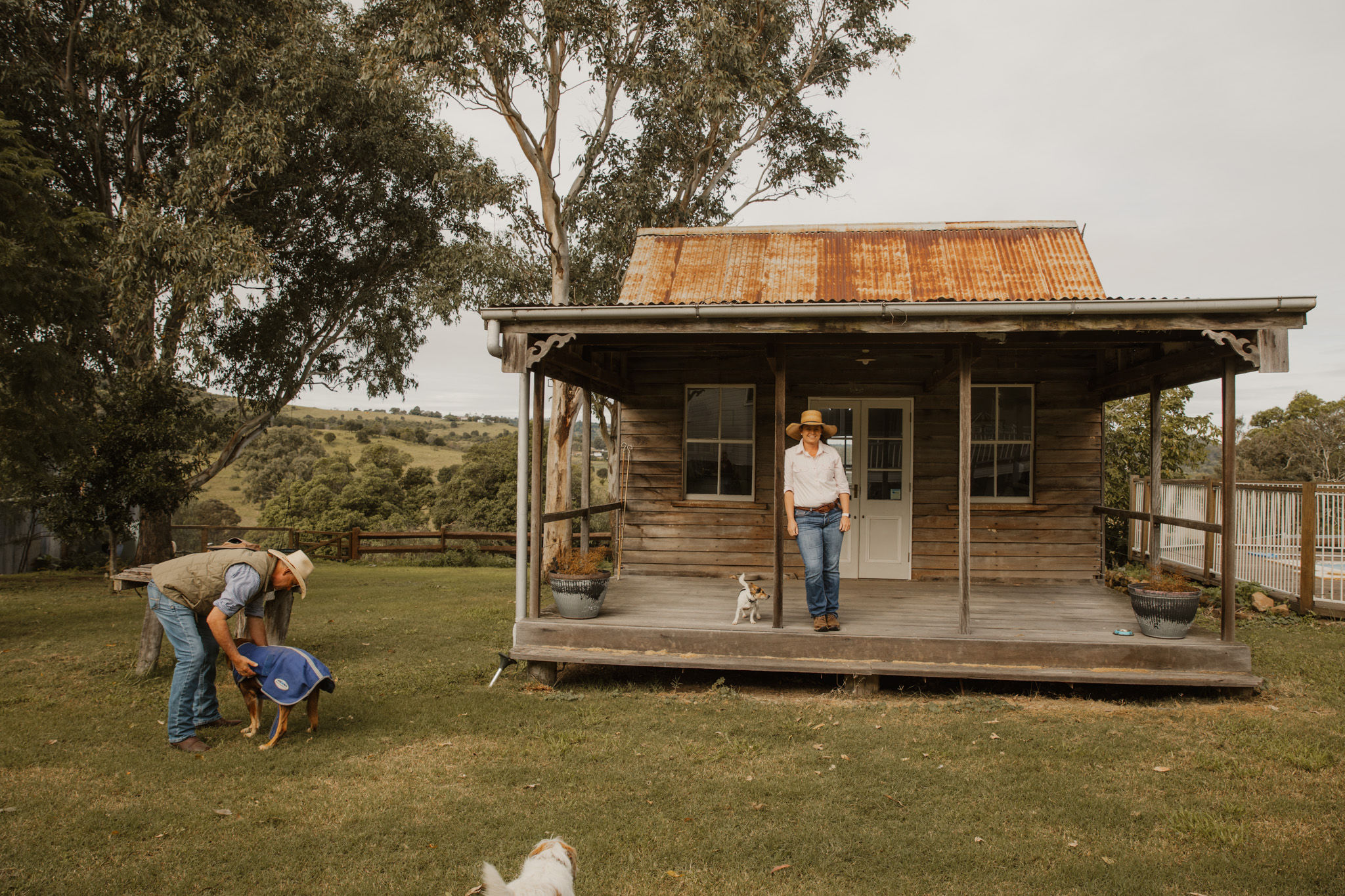
A leader in the world of cattle genetics, Dr Sophia Edwards puts her learnings to work on the family farm.
Words Louisa Harvey Photography Allie Lee
Photography Allie Lee
Photography Allie Lee
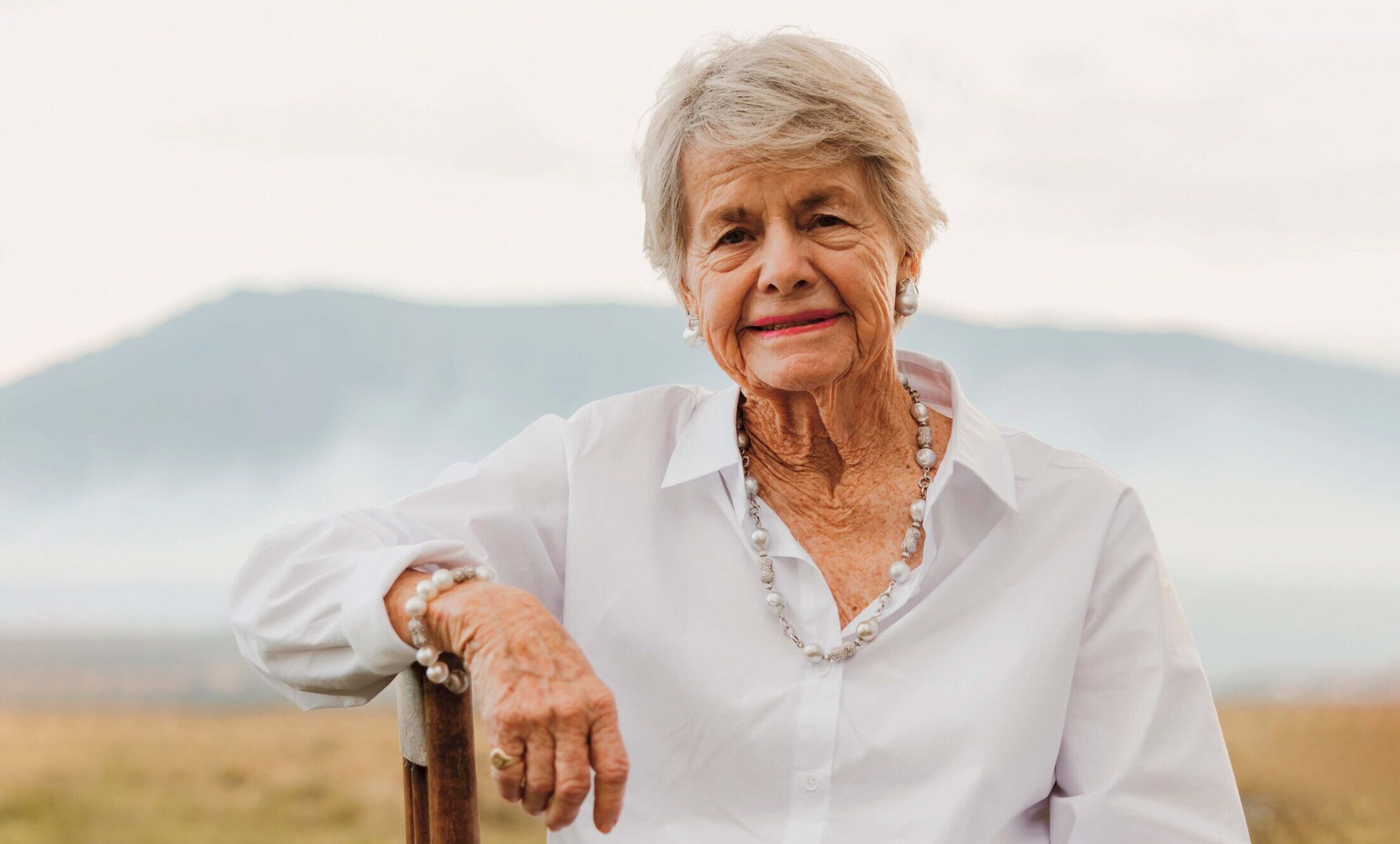
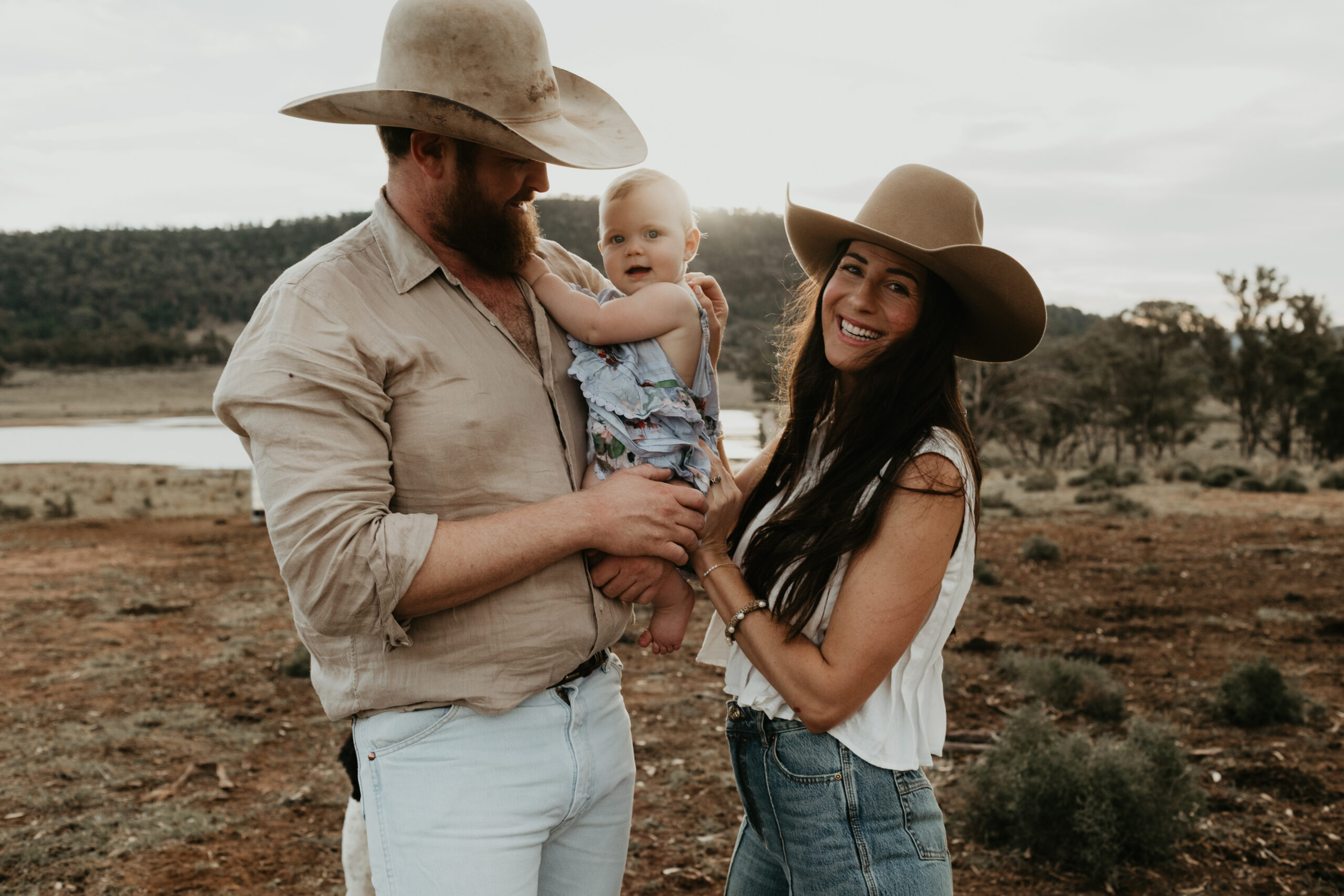
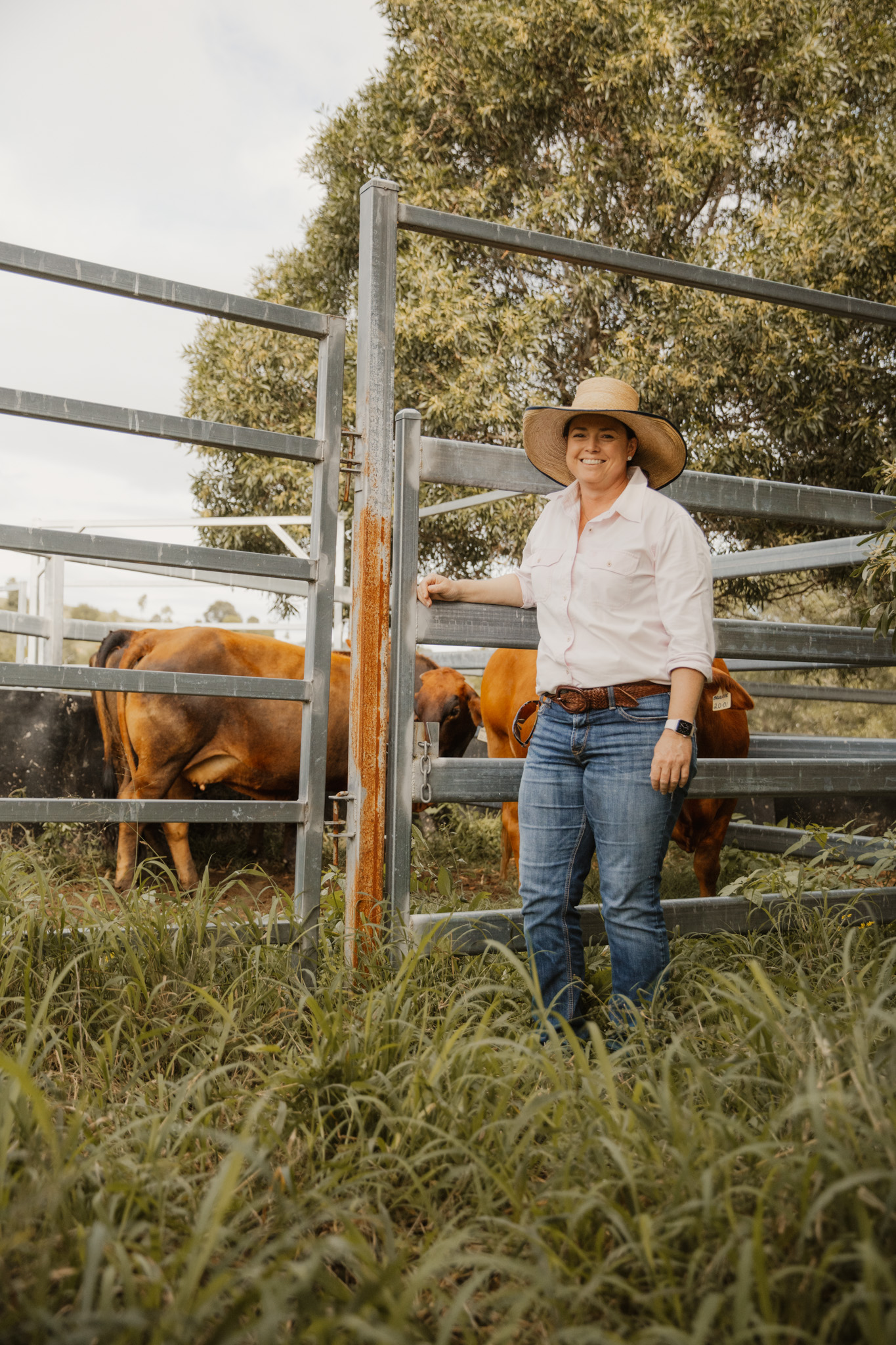
Dr Sophia Edwards leads a unique double life as a scientist and a horsewoman. As Head of Platform at the Queensland biotech platform Nbryo, she’s using cutting edge science to revolutionise livestock breeding. But when the workday ends, Sophia heads back to her farm in the Somerset region, where she breeds elite horses, manages a cattle operation and practises the same embryo technology she champions at work. Sophia’s passions for agriculture, animal welfare and innovation drive her career and personal life, offering Graziher a glimpse into the intersection of science and the hands-on world of stock breeding.
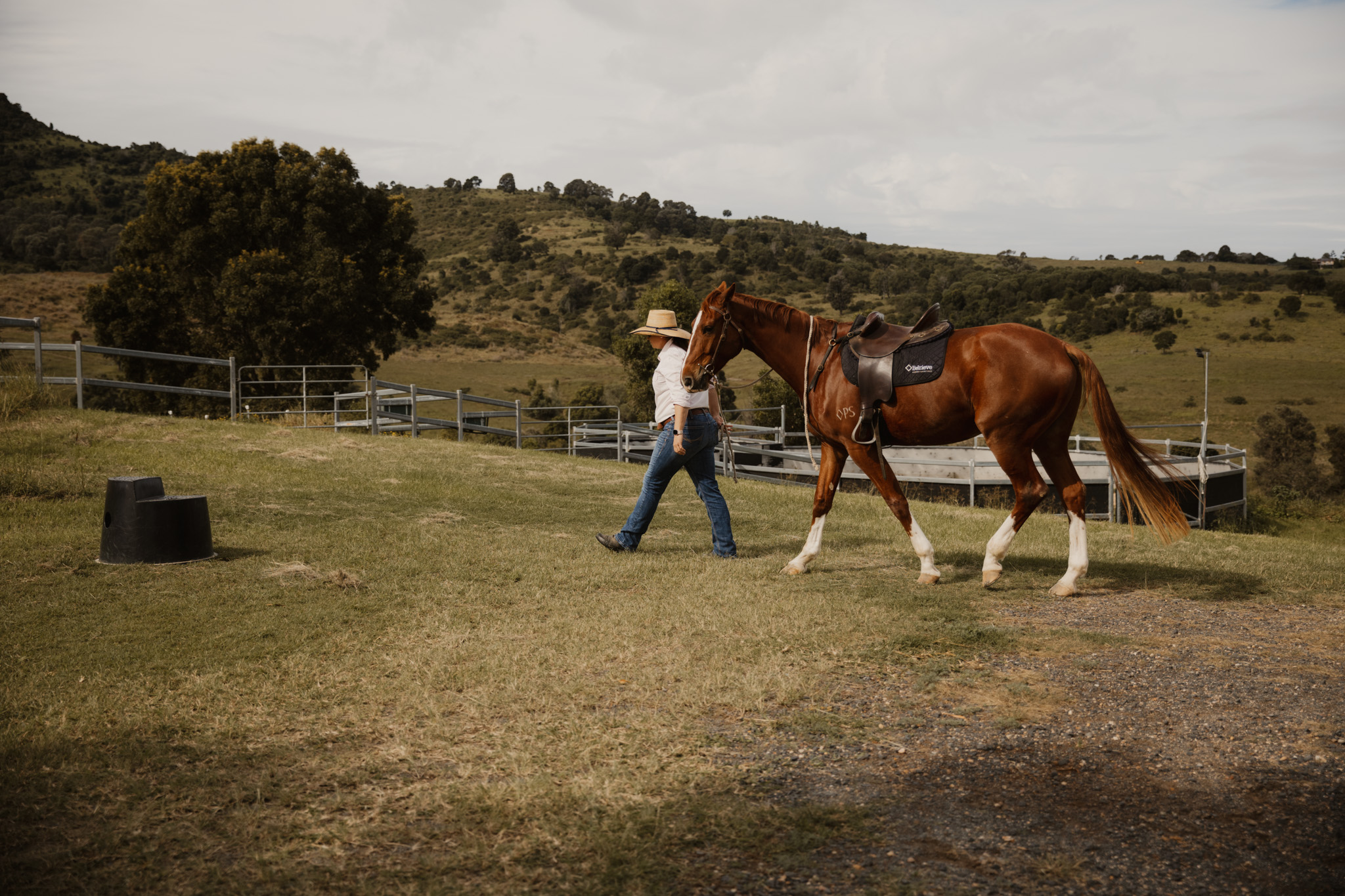
Sophia has spent many years waking up at 5am, but still relies on an alarm after all this time. “I make myself an early morning person because it means I can ride my horses,” she says. Her morning ride helps settle the swirling dust of ideas and to-do lists before the busy workday ahead. “I have this interest in riding mares, and anyone who knows mares knows you need to be in tune with that animal; you can’t bring your baggage to your ride,” she explains. “That mindfulness in the morning really sets me up with a fresh perspective and prepares me to lock in and do the thinking work.” After her ride, Sophia dons her glasses, switching into work mode during the one-and-a-half-hour drive from her property in Tarampa to her work facility in Brisbane.
Combining her PhD in Veterinary Science with an MBA, Sophia is a reproductive biologist at Nbryo. The company is using advanced bio-digital and robotic technologies to produce high-quality embryos in large numbers for transfer into livestock. This platform allows seven years of breeding to be completed in just seven days, with improved selection intensity and accuracy. “We’re looking at a breeding systems change. We’re developing a whole suite of technologies to reduce embryo production costs. My job is to build the platform by wrapping that technology into a little box with a lovely bow that we can sell to beef and cattle producers in Australia or license to others worldwide,” Sophia explains.
Sophia’s passion lies in advancing animal welfare and livestock reproduction while driving positive change in agriculture. Her fascination with livestock breeding is so great that she jokes she would work for free. “My previous career and academic background were all about artificial insemination technology for the livestock industries, but through embryo technology, we can breed a calf that is going to be completely valued in a specific system,” she says.
Photography Allie Lee
Her drive is to support the agricultural industry with innovative solutions. “The ag industry is under so much negative pressure. I honestly believe that embryo technologies are not only a way to be part of the solution, but create value at the same time. The perfect example is the dairy cow situation, where there is a welfare benefit in eliminating bobby calves, and you can use dairy cows to give birth to pure beef calves. That means you need fewer cows to produce the same amount of meat or protein.”
Sophia thrives in her high-pressure role, drawing on years of hard work, seizing opportunities and following her instincts.
“I don’t know that I necessarily believe in luck, but plenty of interesting doors have opened, and opportunities have sort of presented themselves in this space,” she says. Over the past 20 years, her career has spanned cattle breeding on large pastoral stations in northern Australia, tutoring vet students, growing major companies in veterinary pharmaceuticals and leading specialist teams.
Rather than a single defining moment, it was a series of natural evolutions that shaped Sophia’s career. “I guess I’ve never actually considered a different way. I think I was just born this way,” she smiles. Her introduction to livestock production began when she grew up on a property between Stroud and Gloucester, New South Wales, where broiler chickens were the primary production system. “Not wanting to work in the chook sheds led me to the cattle,” she says. The family’s side operation included a Devon cattle stud. “I dragged my cows around show rings when I was eight. I lived and breathed it,” she recalls. Her fascination with Brahman cattle, which later became the focus of her doctorate, began with the family’s commercial cattle, Santa Gertrudis and Brahman cross.
Photography Allie Lee
Photography Allie Lee
“I’ve always loved Brahman cattle: their biology is unique, and their temperament is amazing to work with. There’s nothing quieter than a calm Brahman cow.”
Sophia’s love for animals extends to horses, a passion nurtured by her father. “My parents separated when I was young, and my dad got me into English riding and eventing. My mum, who lived on the property, had no experience with horses, so I was free to do whatever I wanted.” With her father working as an accountant and solicitor in Newcastle, Sophia experienced what she describes as a ‘hybrid upbringing’, mixing rural life with a business focus.
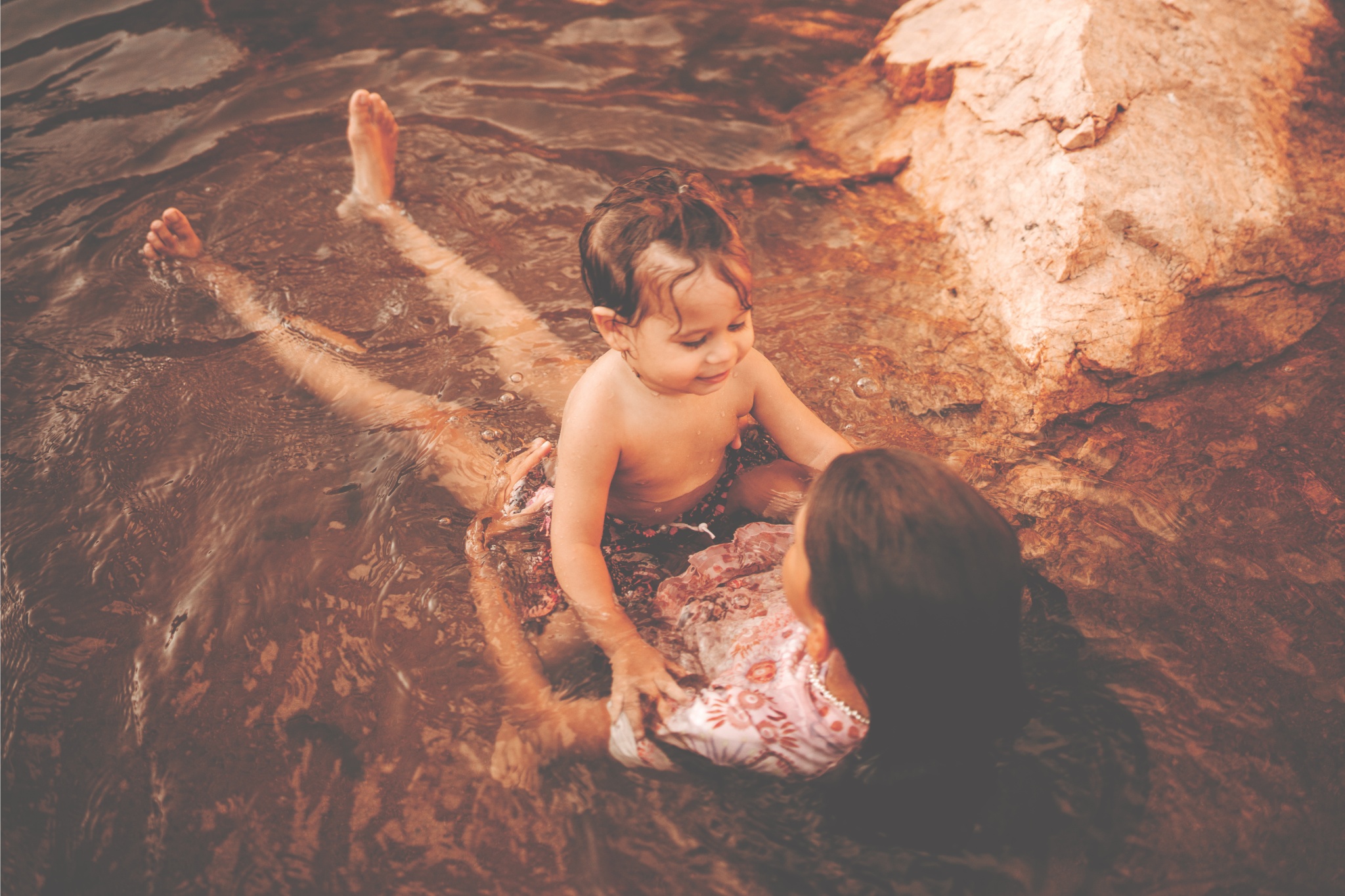
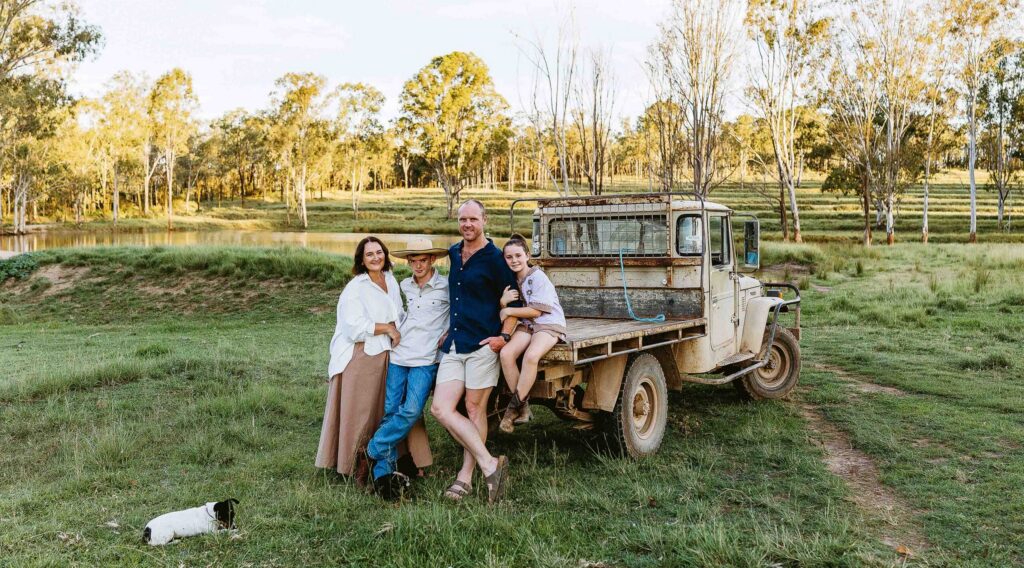
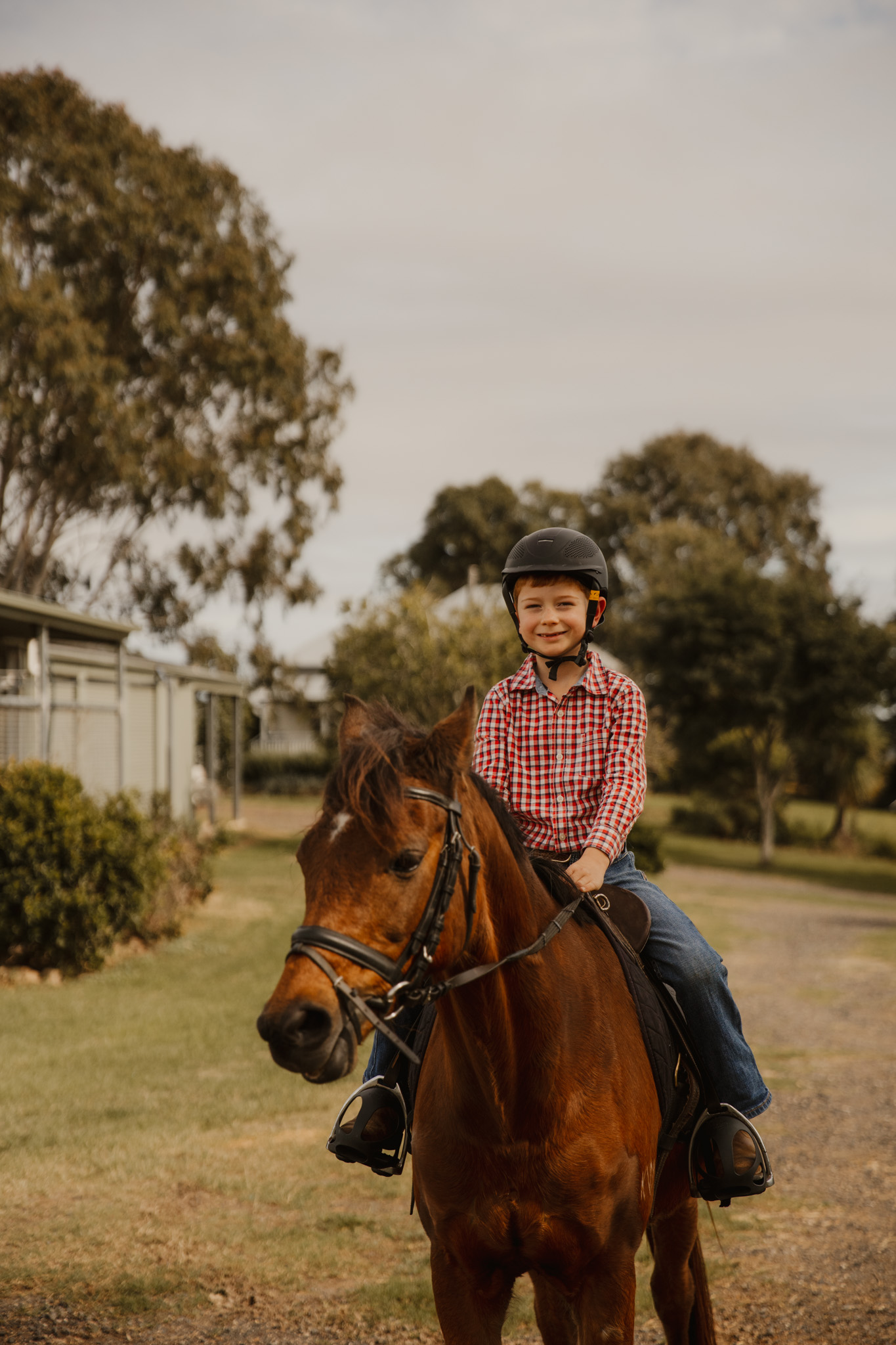
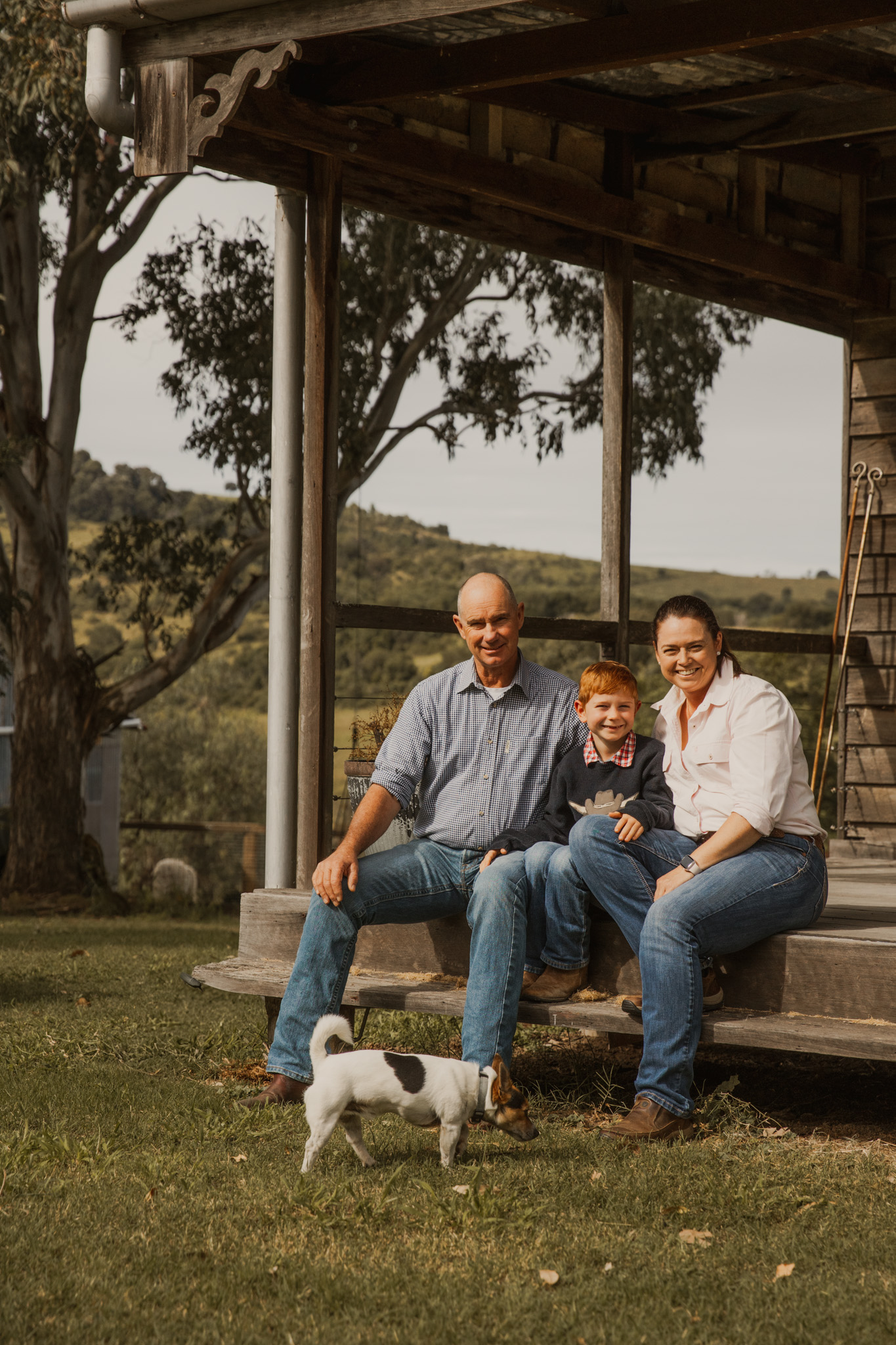
Now a mother to seven-year-old Ollie, Sophia hopes he can enjoy a similar childhood. “He’s a gentle kid who loves animals and builds a great connection with them. As a kid, I was often in trouble for not coming inside early enough, and Ollie doesn’t like being stuck inside either. Living on the farm is a great life check. Yes, I still want my phone, but it’s not the world — it’s not what exists out there.”
Sophia refers to her 25 hectare property and the adjoining 40 hectare leasehold as her “sanity patch”. She uses embryo technology to breed performance horses and specialised cattle breeds and produces lucerne in her spare time. “Everything born on our property this year will be of elite genetics,” she says proudly.
Despite having knowledge and experience with cattle embryo transfer, Sophia had to teach herself how to do the same with her horses. “We had three embryo-transfer foals born last season,” Sophia says. “They have all been weaned now and are doing well.”
Sophia’s husband, Philip, a fifth-generation horse breeder, is her copilot in their family business, Belrieve Horses. “Phil’s family bred stockhorses, and Belrieve continues to breed some stockhorse lines in our warmblood genetics,” she says.
The couple competes in eventing and showjumping. “I’d probably call us semiprofessional, because we try to compete against professionals.” Having reached a three-star eventing level, Sophia now leans more towards showjumping. “Eventing is getting harder and is a serious commitment from not only a fitness point of view but a safety point of view. It’s much easier to pack the truck late on a Friday night and go to a show-jumping competition.”
Any spare time is precious for this family. “If we’re not working during the week or out on the weekend, we’re usually competing horses, and if we’re not competing horses, we’re probably doing cow work at home. It’s the thing we do, and it keeps us on our toes.”
When asked what’s next, Sophia laughs and says: “I think I’ve got a lot to do just as it is.” And she’ll start it over again at 5am tomorrow when that alarm goes off.
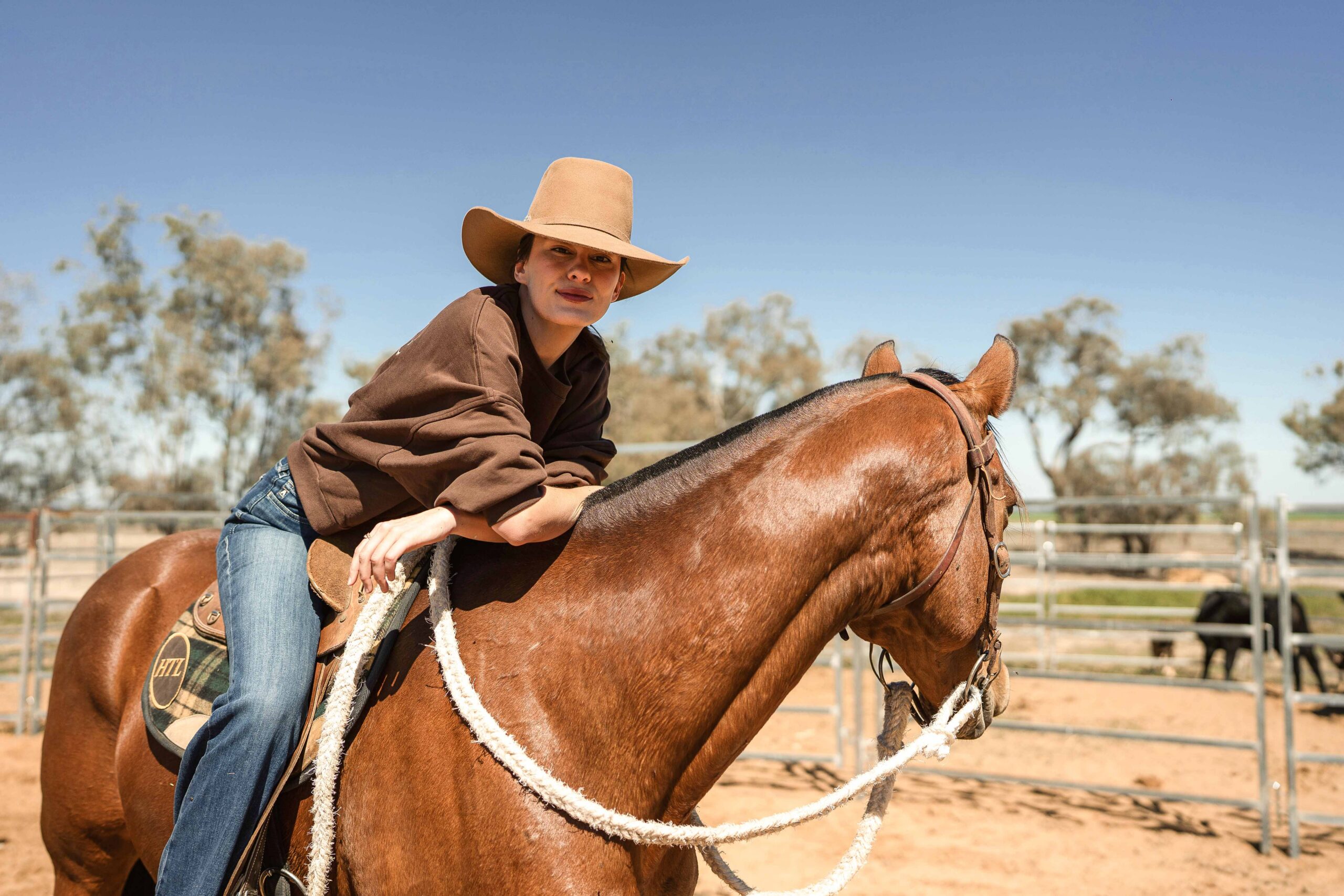
There are many ways to find a meaningful role in the industry, says Beef Australia’s Beth Rands.
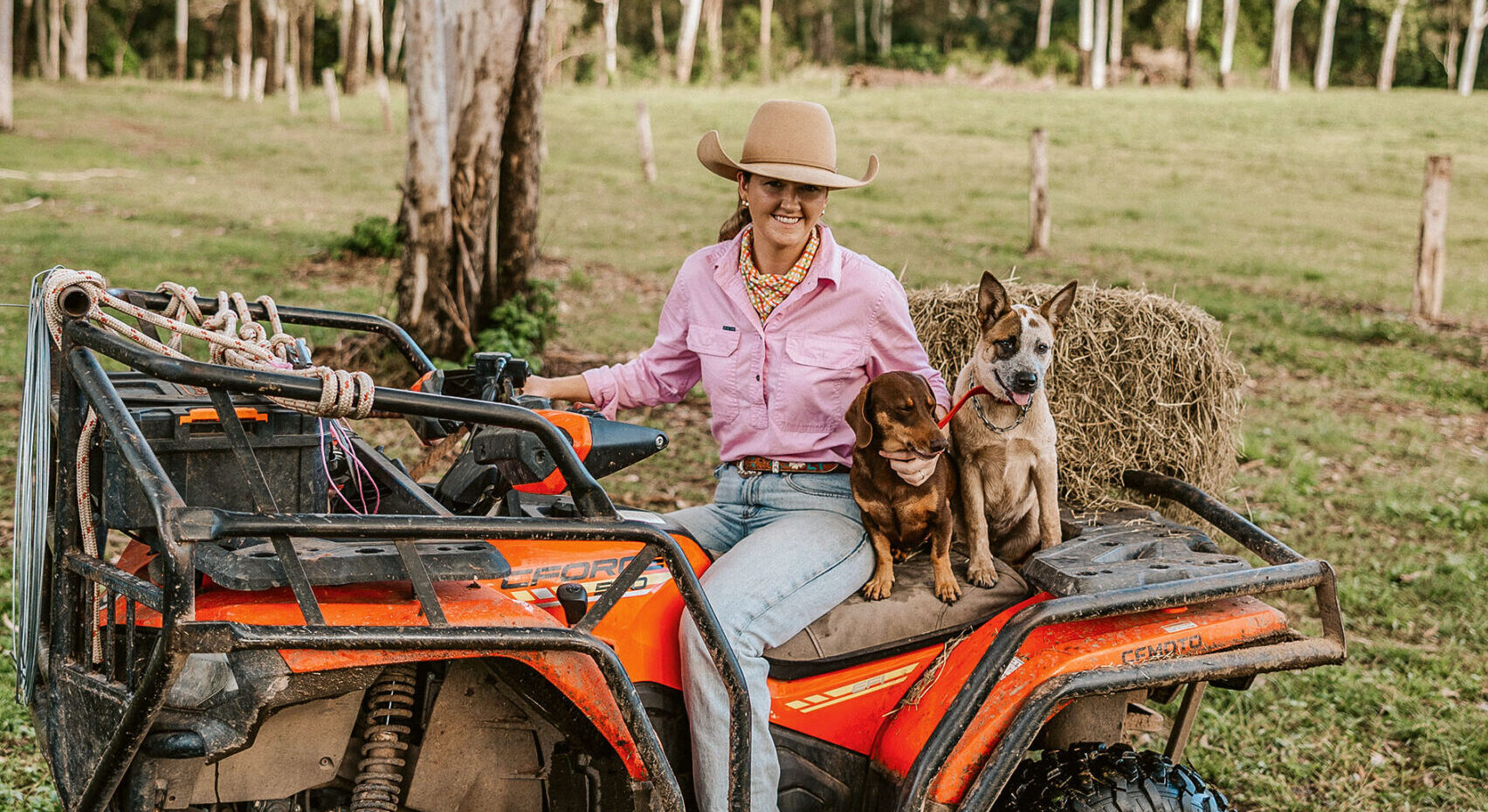
Hailing from a small Irish town, Lisa Fryer found love at Daly Waters’ Hi-Way Inn. Today, she and husband John are ushering in a new era for Tabletop Station, near Townsville, Queensland.
There are many ways to find a meaningful role in the industry, says Beef Australia’s Beth Rands.
Hailing from a small Irish town, Lisa Fryer found love at Daly Waters’ Hi-Way Inn. Today, she and husband John are ushering in a new era for Tabletop Station, near Townsville, Queensland.
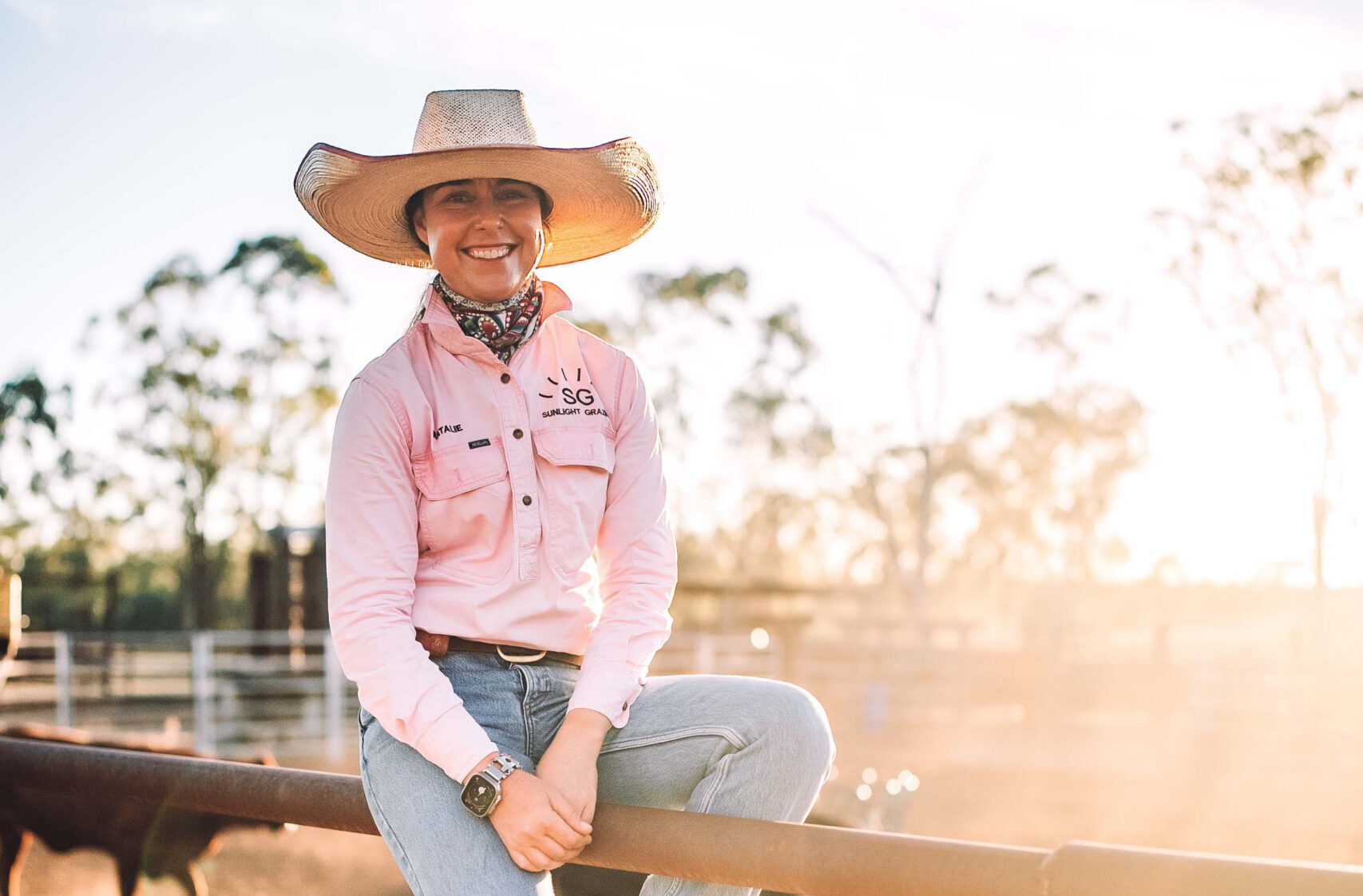
She says clever tech makes it possible to go it alone on the 4000 hectare beef-finishing property in central Queensland.

