

PHOTOGRAPHY LUKE STEPHENSON
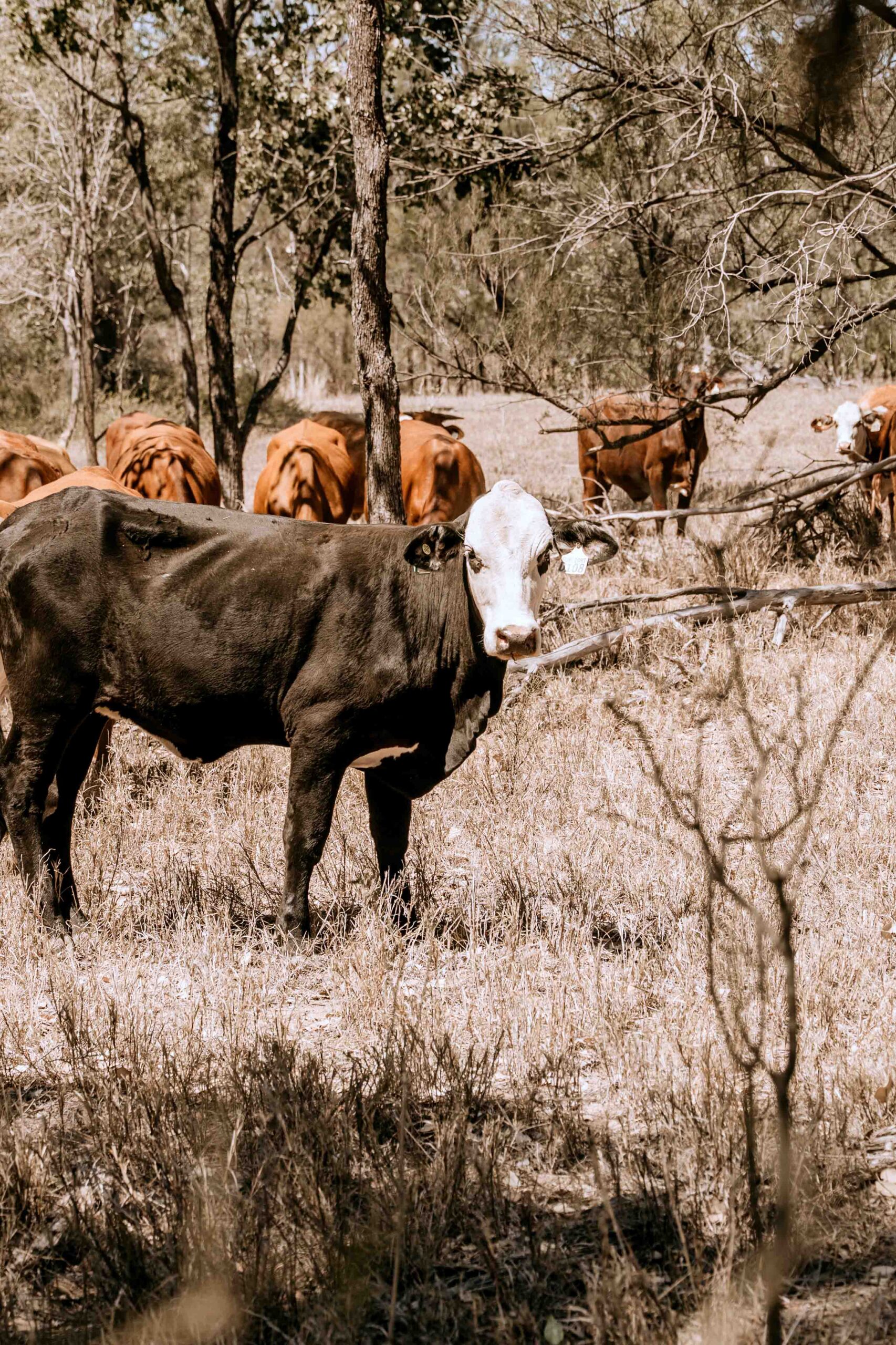
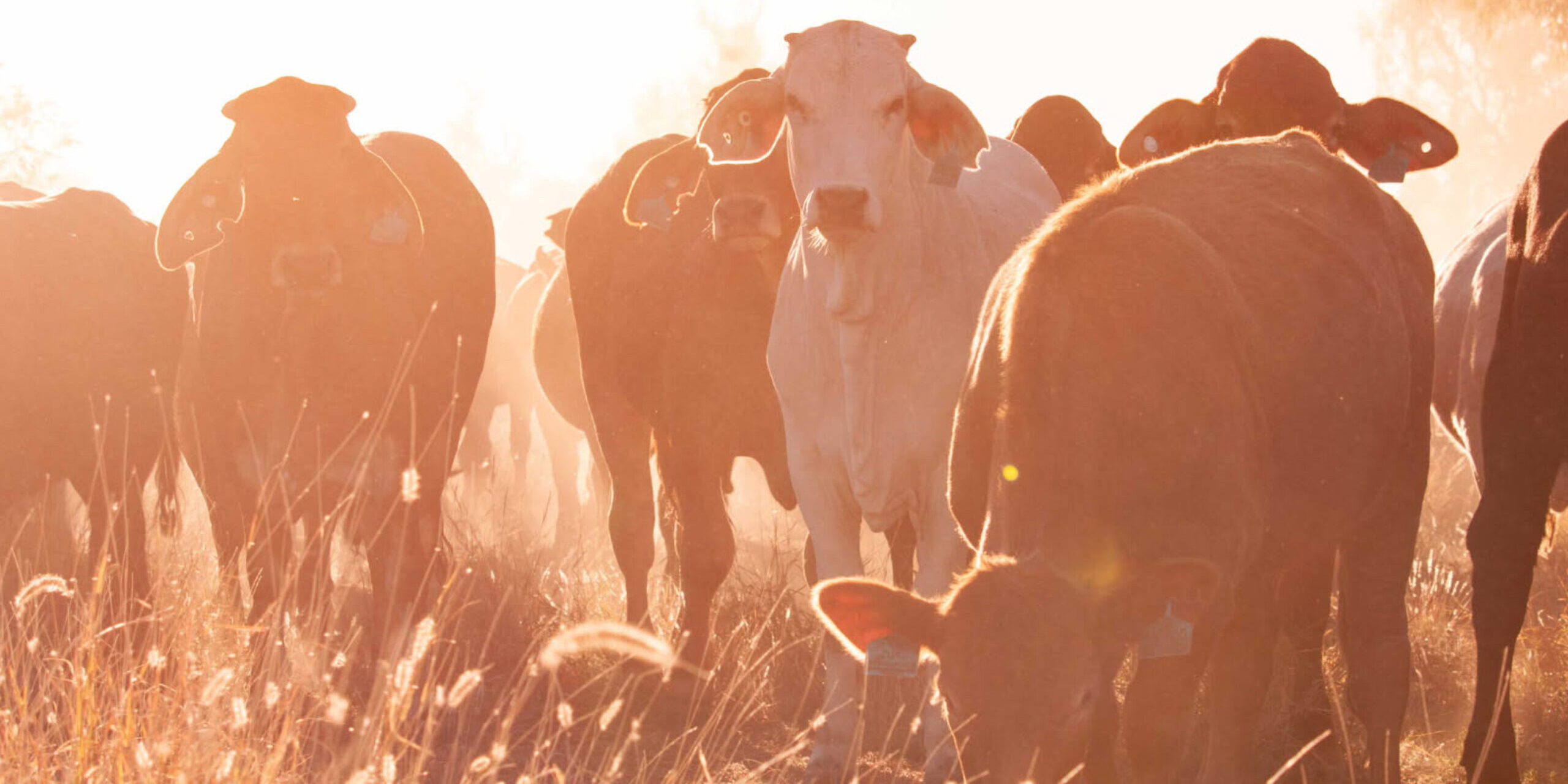
Ceres Tag on-ear sensors track cattle at Sunlight Grazing.
Sign up to our mailing list for the best stories delivered to your inbox.
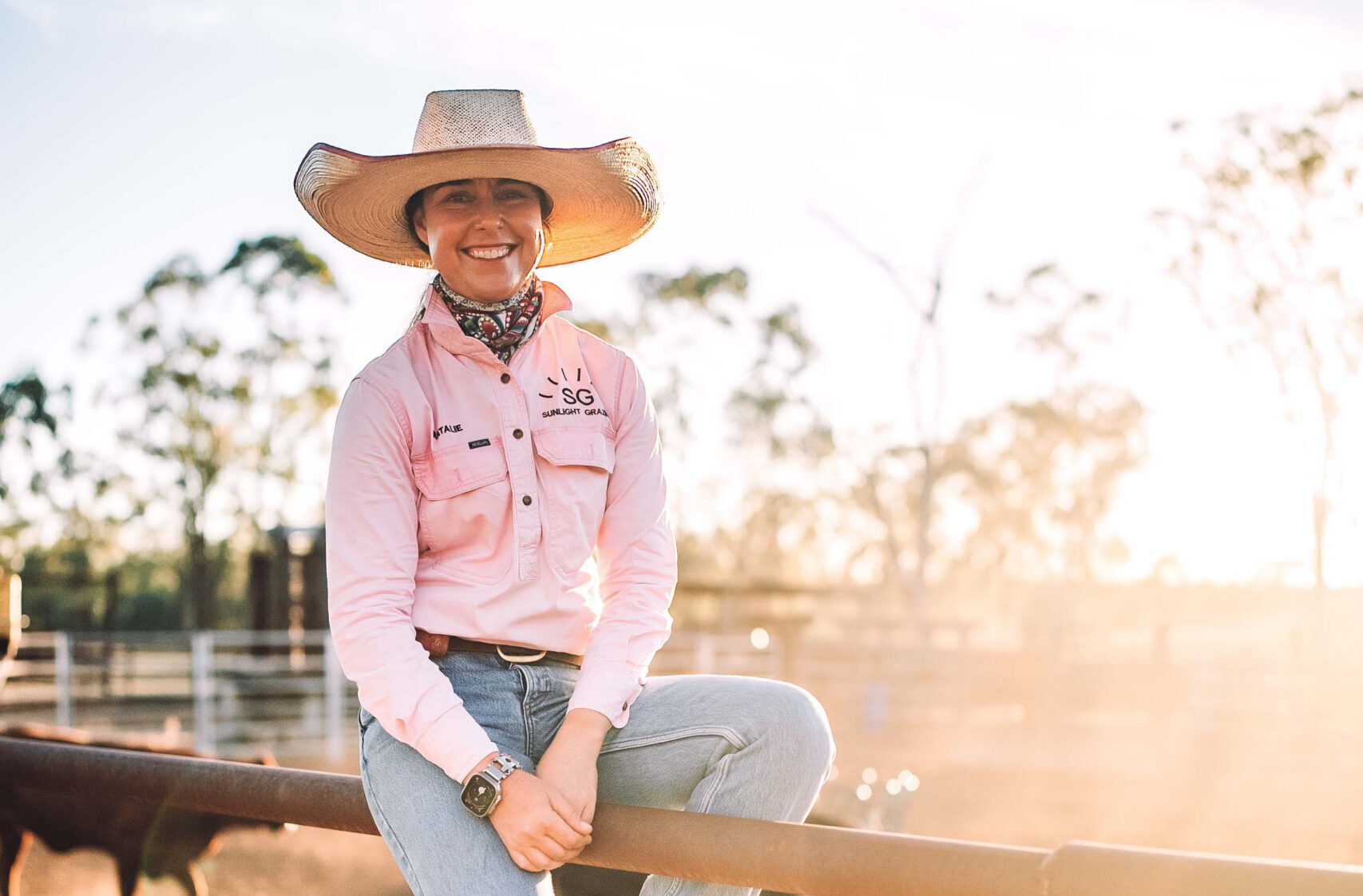
She says clever tech makes it possible to go it alone on the 4000 hectare beef-finishing property in central Queensland.

Words Emma Mulholland PHOTOGRAPHY LUKE STEPHENSON
PHOTOGRAPHY LUKE STEPHENSON
Ceres Tag on-ear sensors track cattle at Sunlight Grazing.
PHOTOGRAPHY LUKE STEPHENSON
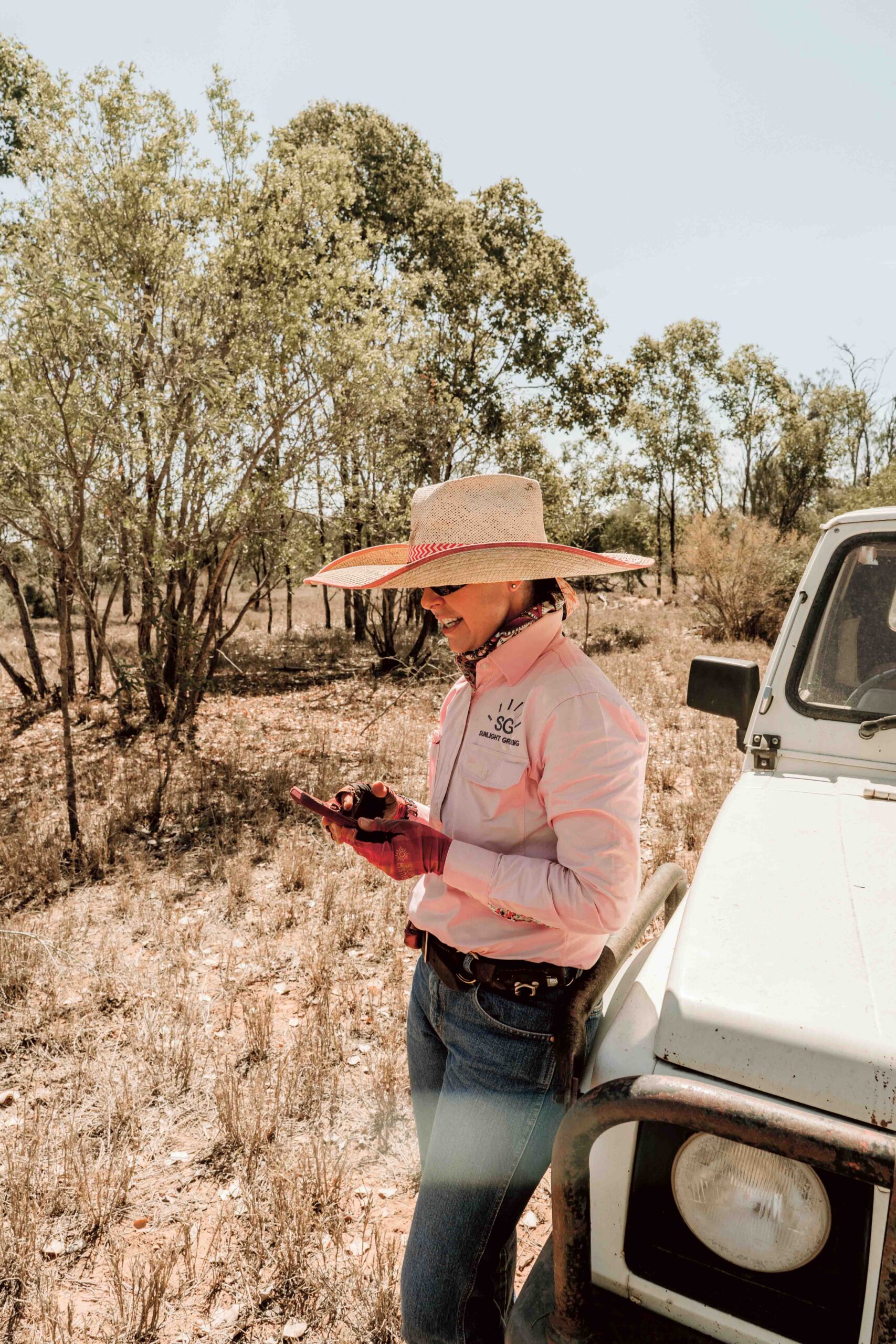
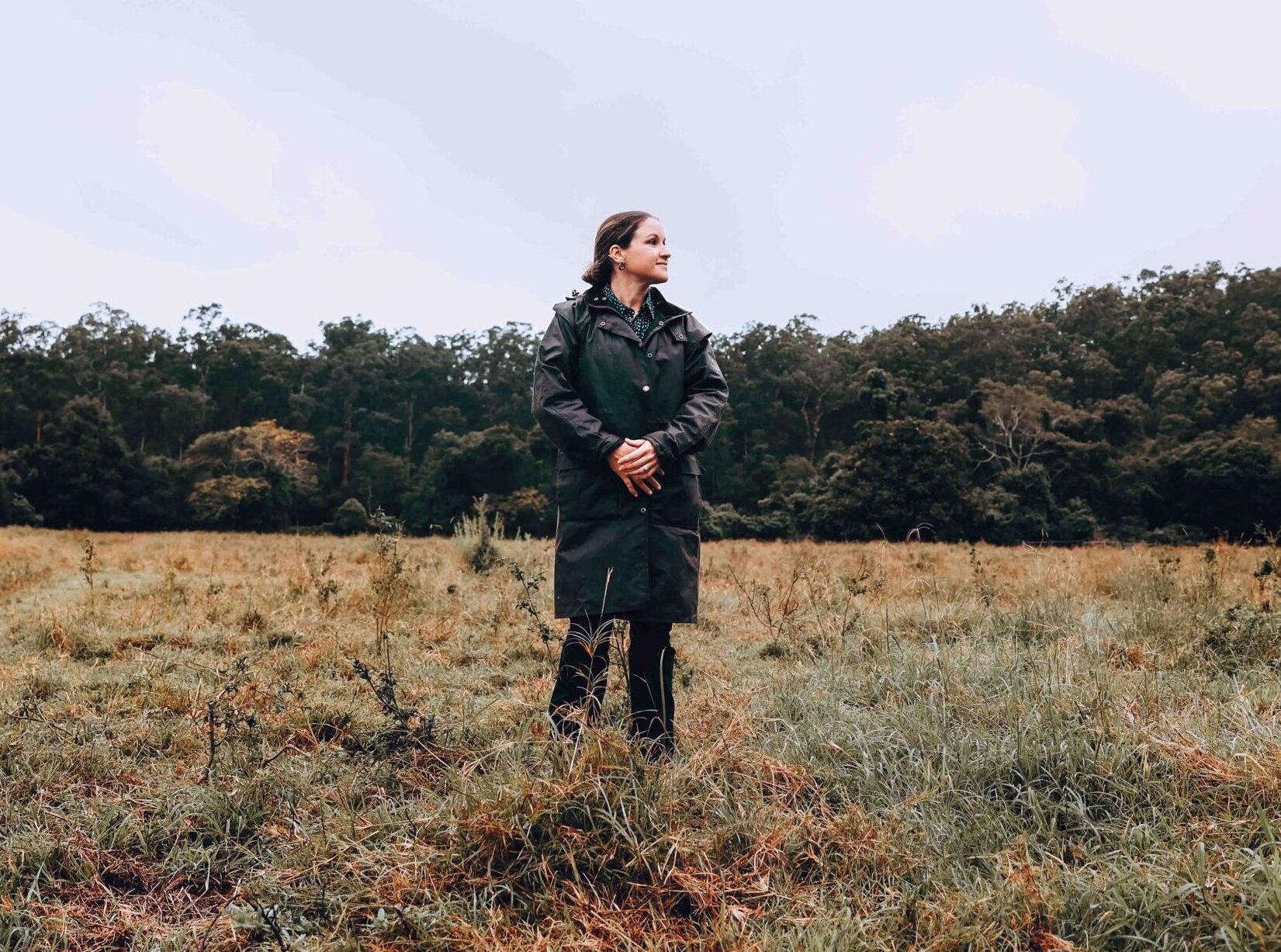
Out in the paddock, Natalie Engel uses an app to check data from her monitoring systems.
It’s a far cry from the small acreage where the horse-obsessed Natalie was raised in the Northern Rivers of New South Wales. But her background, plus experience in feedlots, ag sales and livestock data, means Natalie, 41, brings a unique perspective to the 1200-head operation.
After high school, Natalie surprised her parents by enrolling at an agricultural college: the University of Queensland Gatton campus. She figured it would give her a chance to work with horses. As it turned out, there were no horses at Gatton, but Natalie was immediately drawn to the physical work and camaraderie of the industry.
With a Certificate IV in hand, she returned to the Northern Rivers to look for work. “My friend rings me up and she goes, ‘Well, I’ve got a job and I hate it. I’m about to leave. I reckon you’d like it.’” The job was at Sandalwood feedlot, just out of Dalby, Queensland. “I’d never even seen a feedlot until I went there,” says Natalie. “But my mother had a food manufacturing business and, by about week two, I realised it was just like working in a factory — only outside.”
Her computer skills quickly set her apart. Before long, she was managing data for the feedlot, a job that sparked another one of Natalie’s great passions: ag tech. Today, in addition to managing the mostly Braford–Droughtmaster cross herd at Sunlight Grazing, she also runs AgFinity Data, a small consultancy that helps other producers get the most out of their
software and devices.
She and her husband, Chris, took over Sunlight from his parents in 2019 but soon realised they needed an off-farm income to make things work. Chris found a drive-in, drive-out job at a local mine and Natalie took over the farm.
PHOTOGRAPHY LUKE STEPHENSON
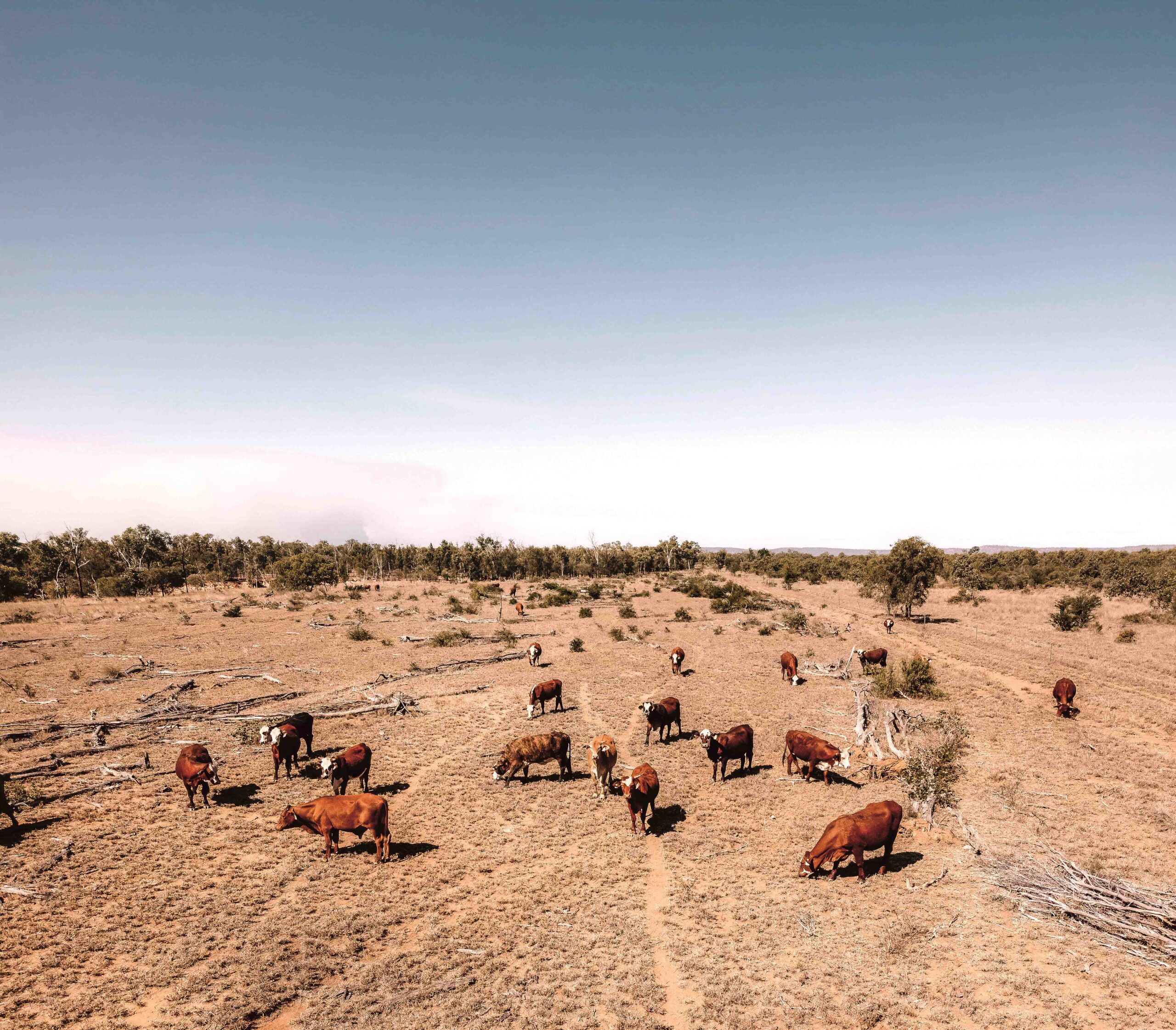
Sunlight Grazing primarily runs Braford–Droughtmaster cross cattle.
“We still had one kid in primary school and I had to make sure that the kid in high school stayed at high school. Then we went into the worst drought anyone had seen in 40 years.”
Natalie leaned on what she’d learned at the feedlot: “Don’t let the cattle get hungry and don’t let them run out of protein.” They started feeding their animals well before others did, using soy hull pellets, palm kernel expeller and whatever cottonseed Natalie could get her hands on.
Sunshine Grazing is presently in a good position, she says. Having recently received 101 millilitres of rain, Natalie says it “looks like someone’s put a whole lot of phosphorus over the place: it’s bright green”.
But there’s still not a lot of downtime. To make it work, Natalie has established a sophisticated tech set-up, including a range of software programs that turn data into reports and actionable insights. Much of the information comes from remote monitoring systems — such as devices from Ceres Tag — which provide her with data on everything from animal weights to water levels and herd movements.
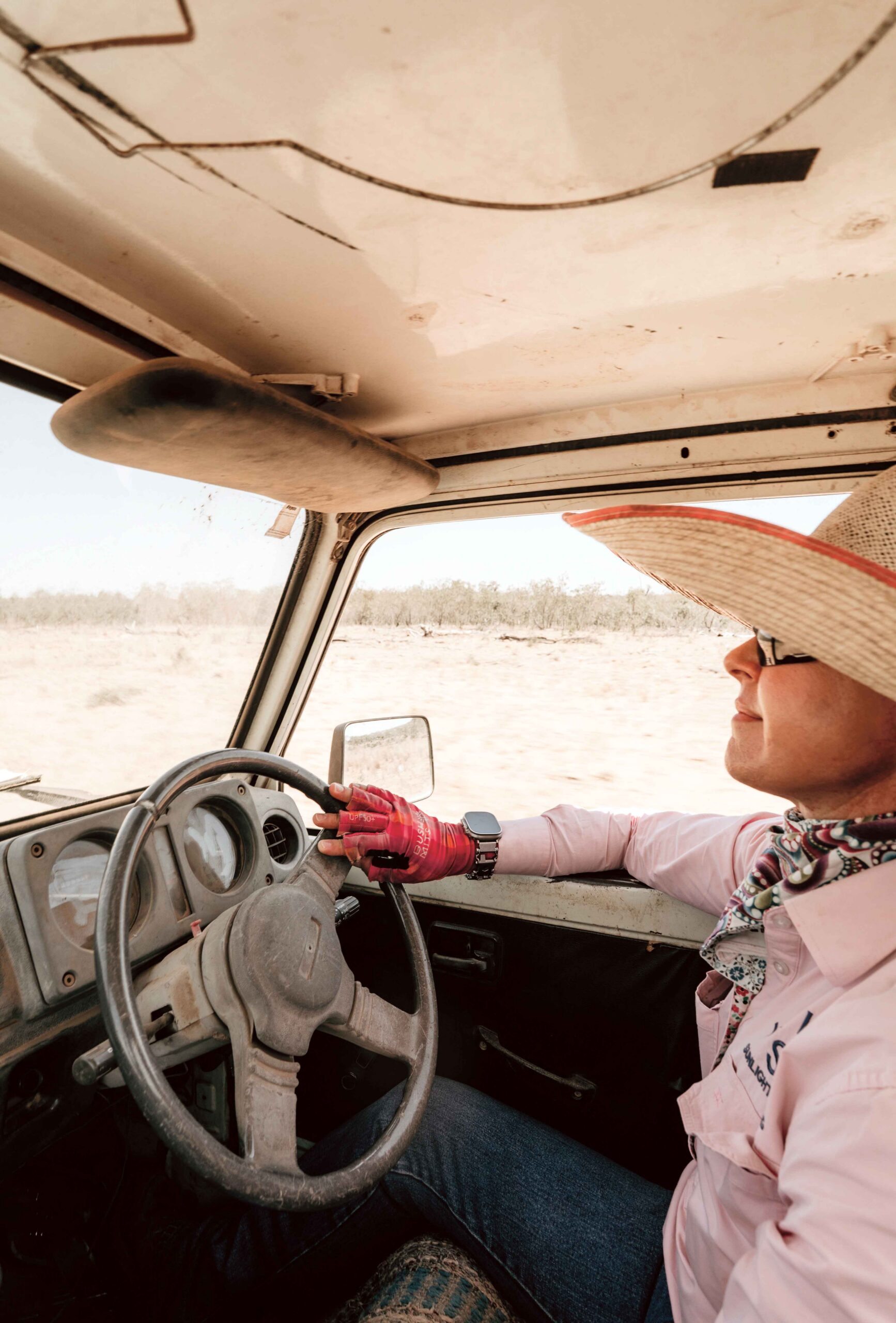
PHOTOGRAPHY LUKE STEPHENSON
Out on the farm.
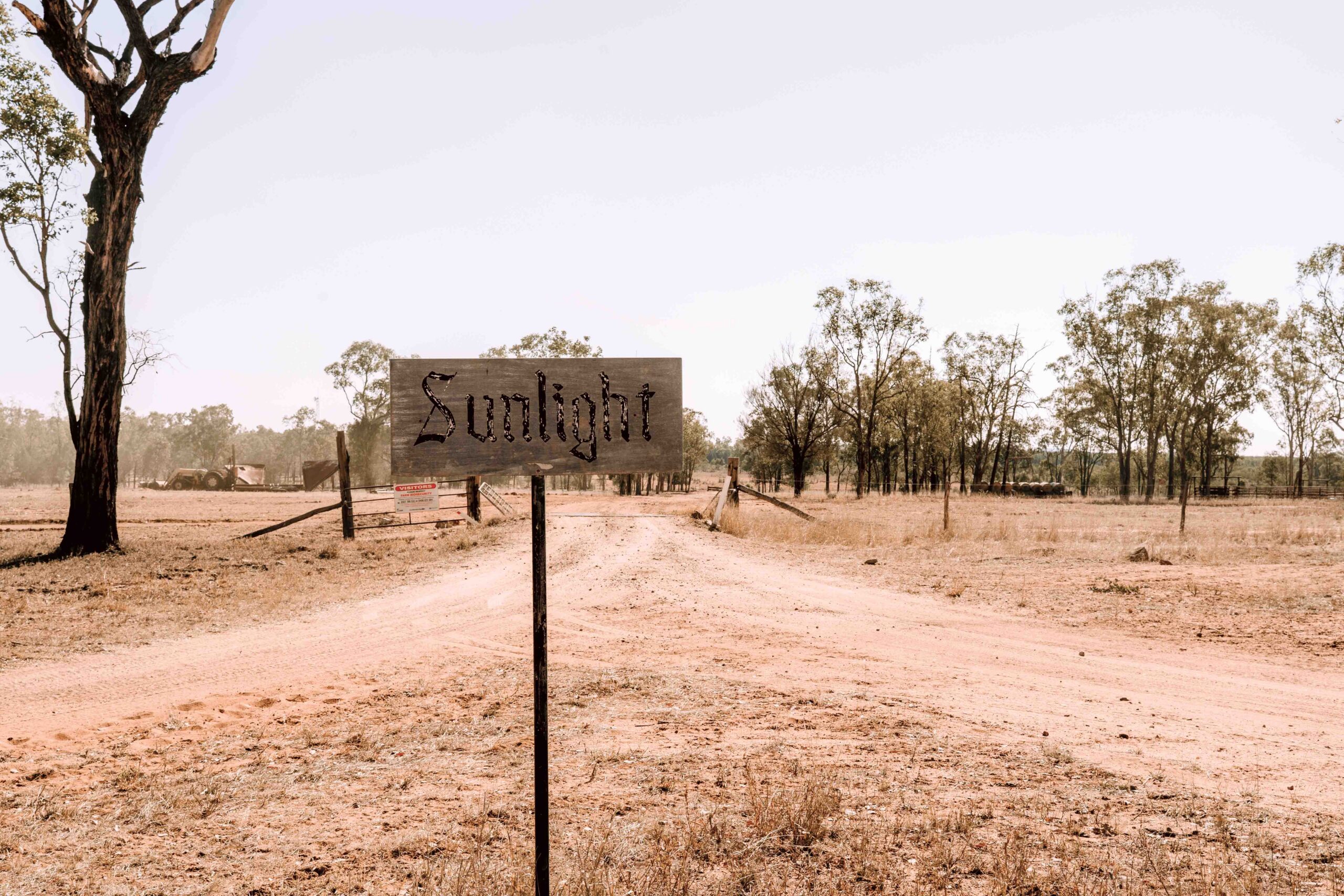
PHOTOGRAPHY LUKE STEPHENSON
Sunlight Grazing in Rolleston, central Queensland.
At the time, the company’s Brisbane-based founders, Melita and David Smith, were still working on the solar-powered GPS-tracking sensors, which they developed in collaboration with the CSIRO.
The devices use satellites (not wi-fi) to provide real-time information, including resting times, feed intake and signs of suspicious activity, such as theft. Initially, Natalie wanted to use them to track animals that were going missing from the property, so she paired them with Mapipedia software. “You draw your map and your fences and as soon as they leave that geofence, it dings and sends a message to your phone and an email,” she says.
Natalie also uses the sensors to track movement patterns. A report she ran soon after fitting her initial 25 Ceres Tags showed her that cattle in one of the paddocks weren’t eating in a particular spot. As a result, she moved her water troughs and fences. “It’s amazing what it can show you,” she says.
There are benefits for animal welfare and breeding, too. With first-calf heifers due to calve at Sunlight, Natalie has been reviewing her Ceres Tag reports more often than usual.
Down the track, Natalie plans to add pasture-monitoring software to her arsenal. With this, she’ll be able to use Ceres Tags to monitor the feed efficiency of individual animals — data she’ll use to improve the genetics of her herd.
Natalie is almost evangelical about the systems she’s implemented, and she says other producers are keen to get on board. “When I first started, they weren’t ready,” she says. “It was always, ‘Why would you need that?’ I use five different software programs just to track my cattle numbers, jobs and things like that. People say to me, ‘That might be overkill’, but I’m like, ‘Yeah, just wait until you start using them and see the efficiencies you gain by making decisions based on actual data.’”
This is a Graziher x Ceres Tag collaboration. Ceres Tag devices can be found in your local ag retailer; for more information, go to cerestag.com.
CERES TAG’s innovative technology is helping producers make data-informed decisions, one on-ear sensor at a time.
Ag entrepreneur Emma Black explains how she got her business, Black Box Co, off the ground.
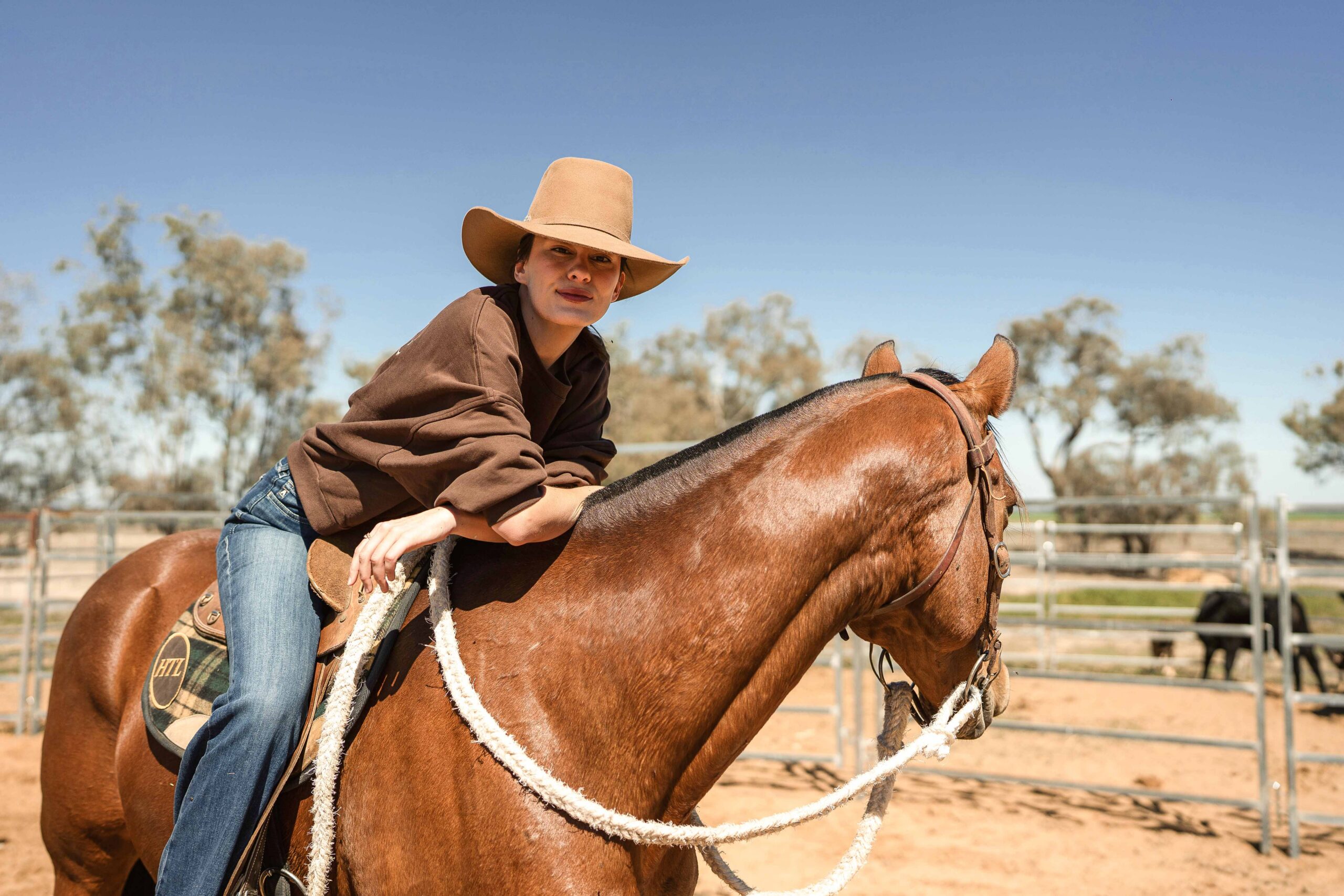
There are many ways to find a meaningful role in the industry, says Beef Australia’s Beth Rands.
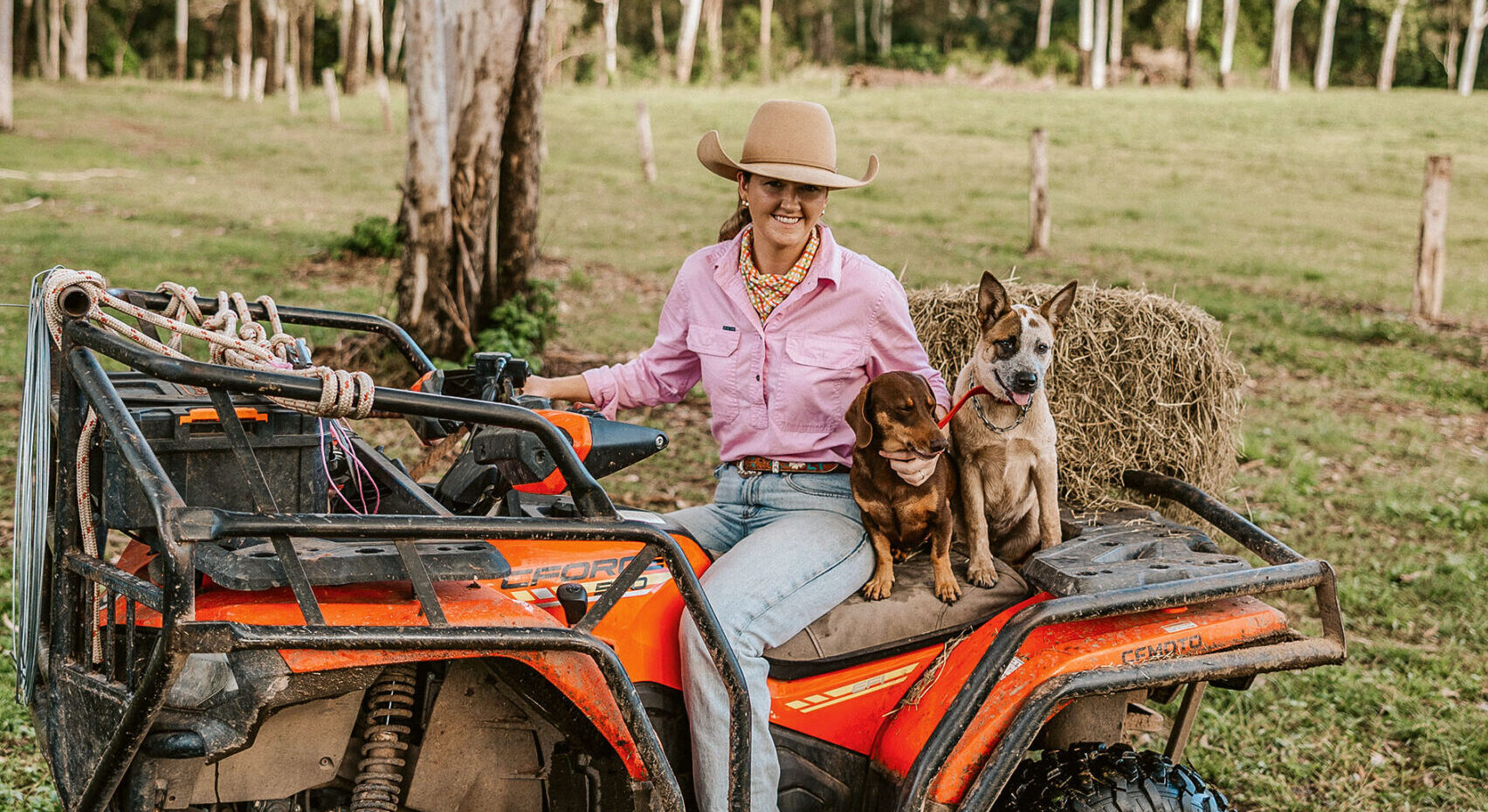
Hailing from a small Irish town, Lisa Fryer found love at Daly Waters’ Hi-Way Inn. Today, she and husband John are ushering in a new era for Tabletop Station, near Townsville, Queensland.
There are many ways to find a meaningful role in the industry, says Beef Australia’s Beth Rands.
Hailing from a small Irish town, Lisa Fryer found love at Daly Waters’ Hi-Way Inn. Today, she and husband John are ushering in a new era for Tabletop Station, near Townsville, Queensland.
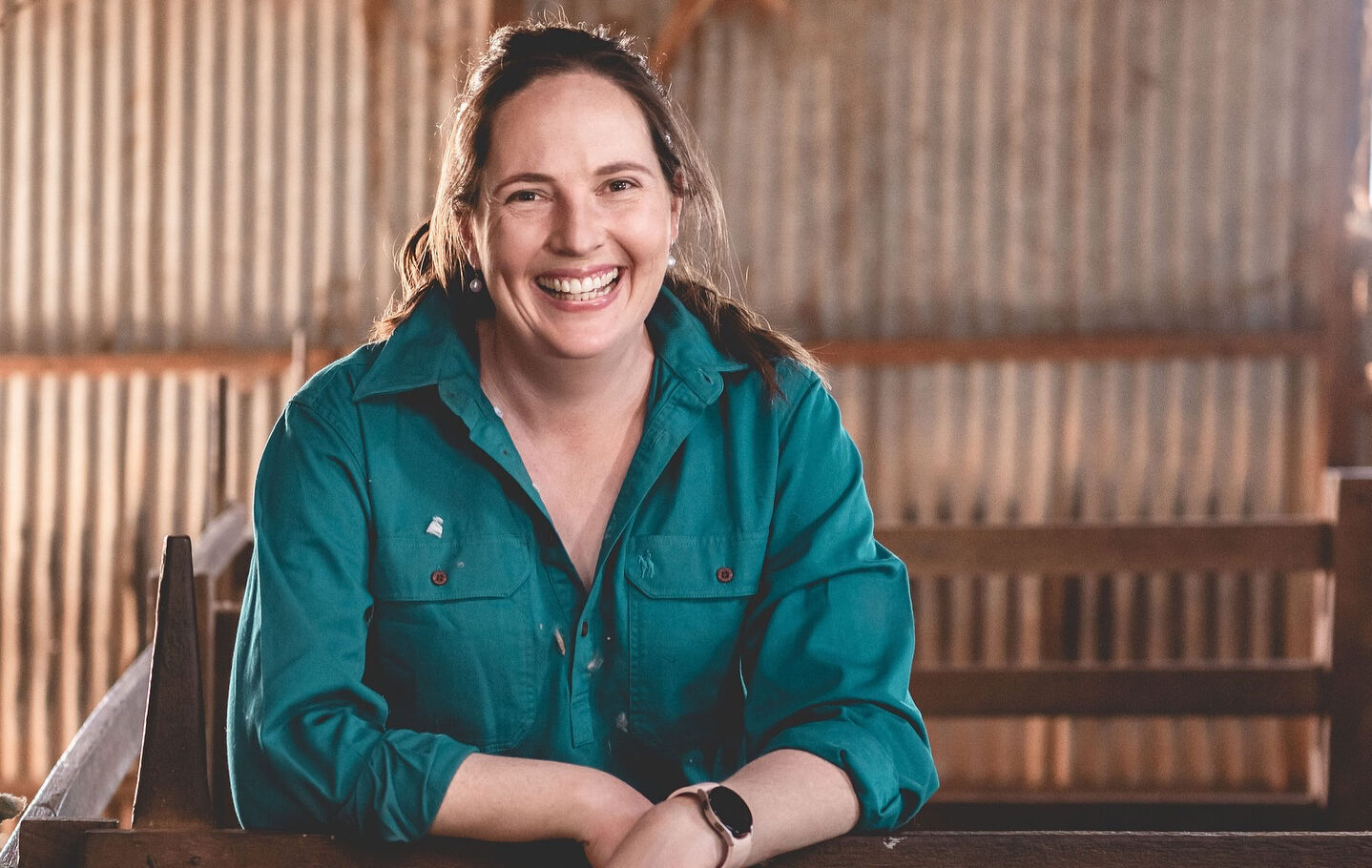
A farmer, mother-of-three and psychologist, Steph Schmidt understands what it’s like to be deep in the trenches.

