
PHOTOGRAPHY ELLE RANDS
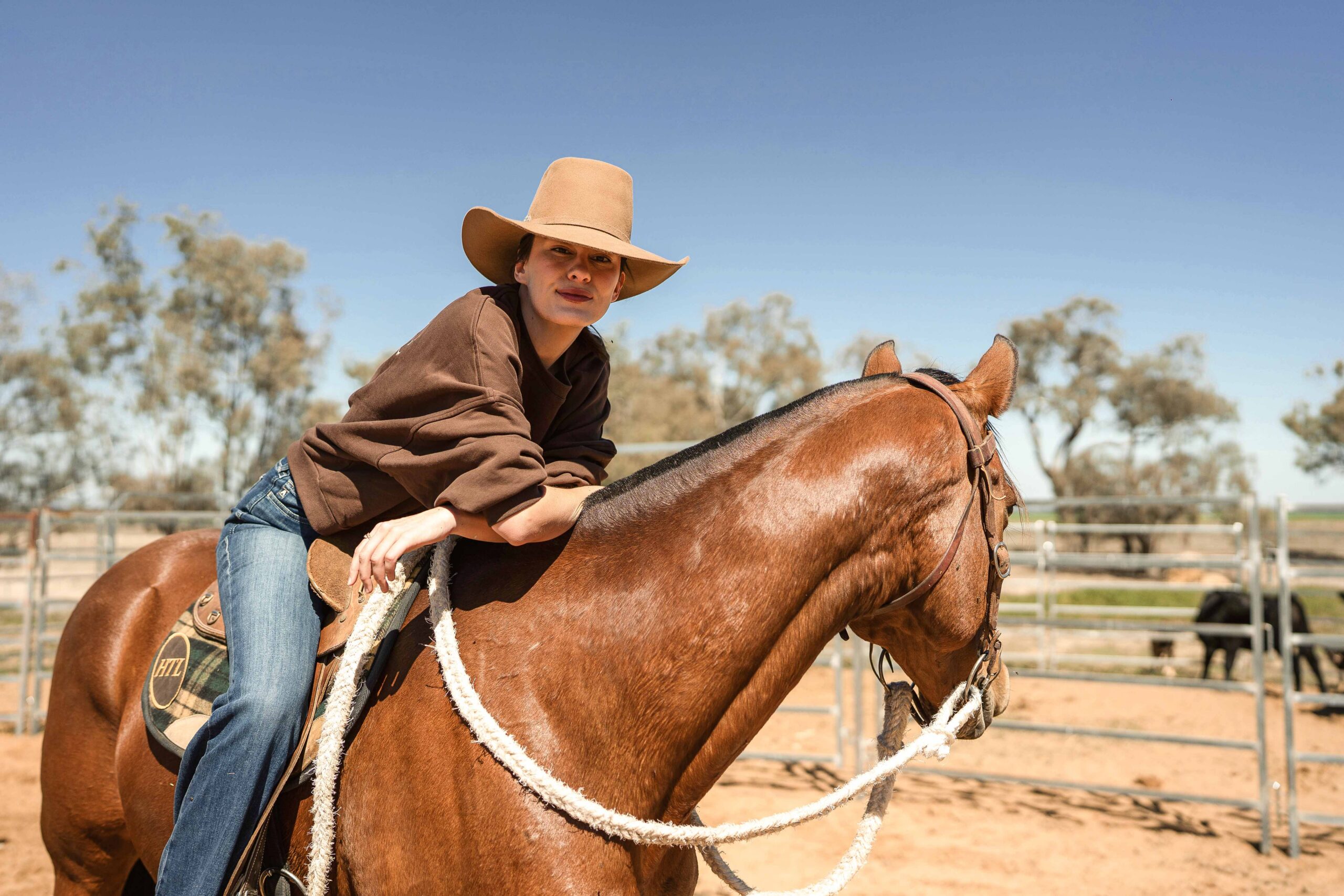
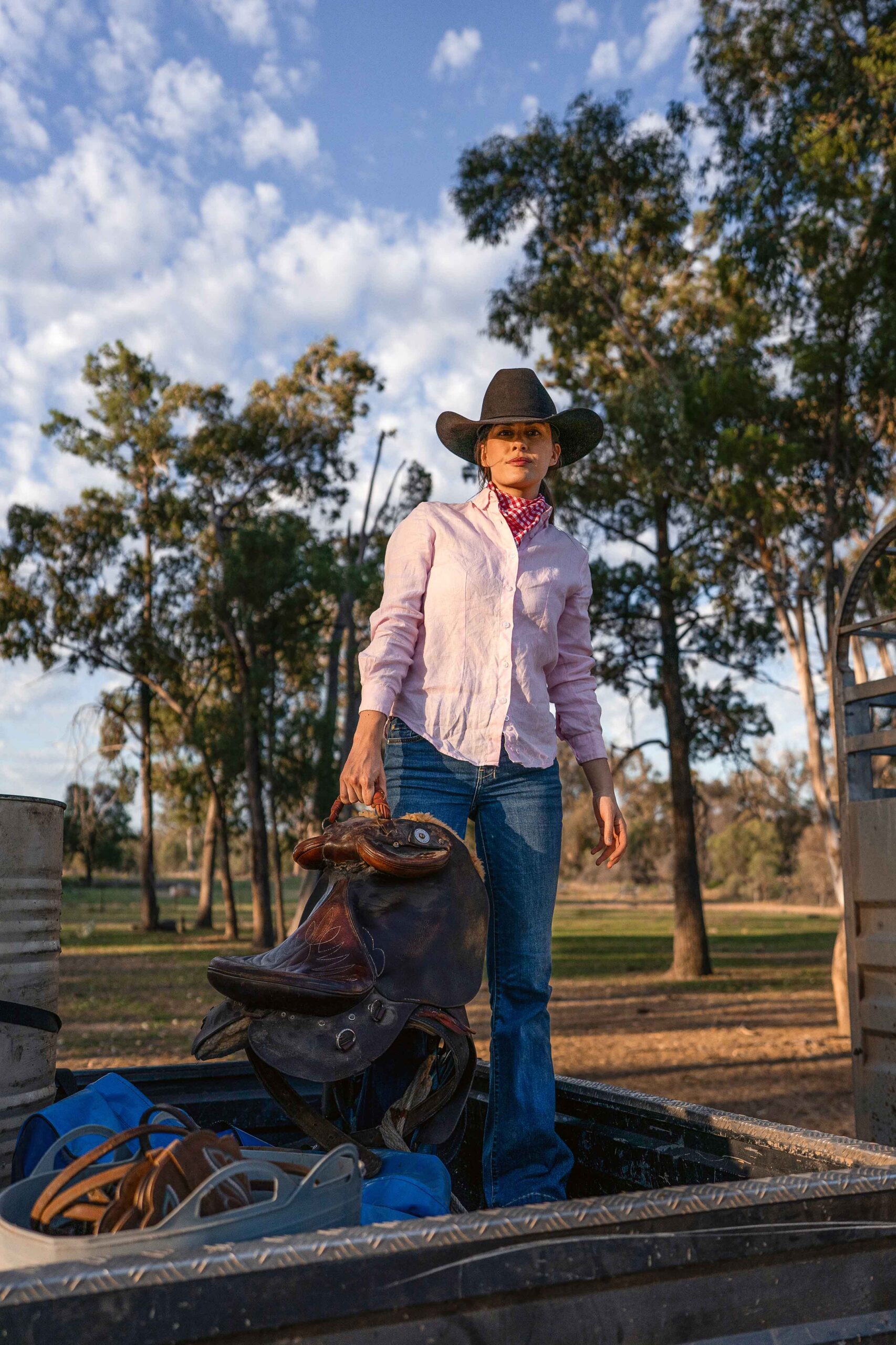
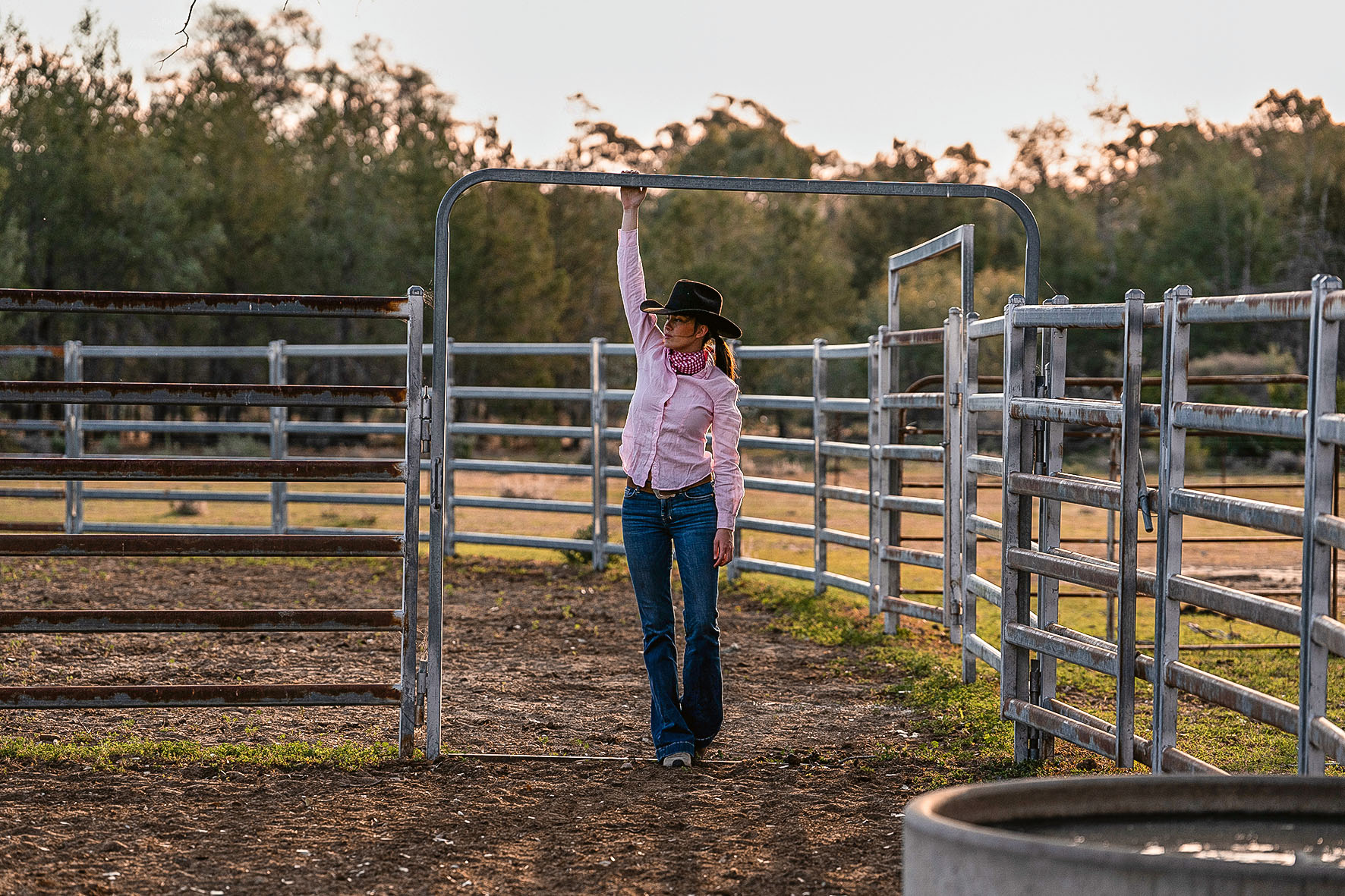
An Akubra Big Sky hat is perfect for a day out in the paddocks.
Sign up to our mailing list for the best stories delivered to your inbox.
There are many ways to find a meaningful role in the industry, says Beef Australia’s Beth Rands.

Interview Victoria Carey Photography Elle Rands
PHOTOGRAPHY ELLE RANDS
An Akubra Big Sky hat is perfect for a day out in the paddocks.
PHOTOGRAPHY ELLE RANDS
“Agriculture is one of the few industries where careers can be non-linear,” says Beth Rands, who went from corporate accounting to ringer and now brings both together at her partner’s family pastoral company.
Living at Werocata, a farm near Balaklava in South Australia’s lower Mid North, with her partner Viv, Beth is a chartered accountant and works as the Commercial Operations Manager in the family business, G&C Pastoral Company. She is also a brand ambassador for bush fashion label Bella Mae. “On any given day I might be in a spreadsheet, then on the phone about a photo shoot, sorting out cattle trucks, dealing with something at the house, then jumping on a Next Gen call,” she says. “I know that would drive some people mad, but I really enjoy the variety.” Beth is living the life she has imagined for a long time, she says: “I’m living on a property, building it with the person I love and continuing a career in a field of agriculture I care a lot about.”
Beth tells Graziher about her unconventional path into the beef industry, the opportunities she sees for the next generation and the life she is building in South Australia.
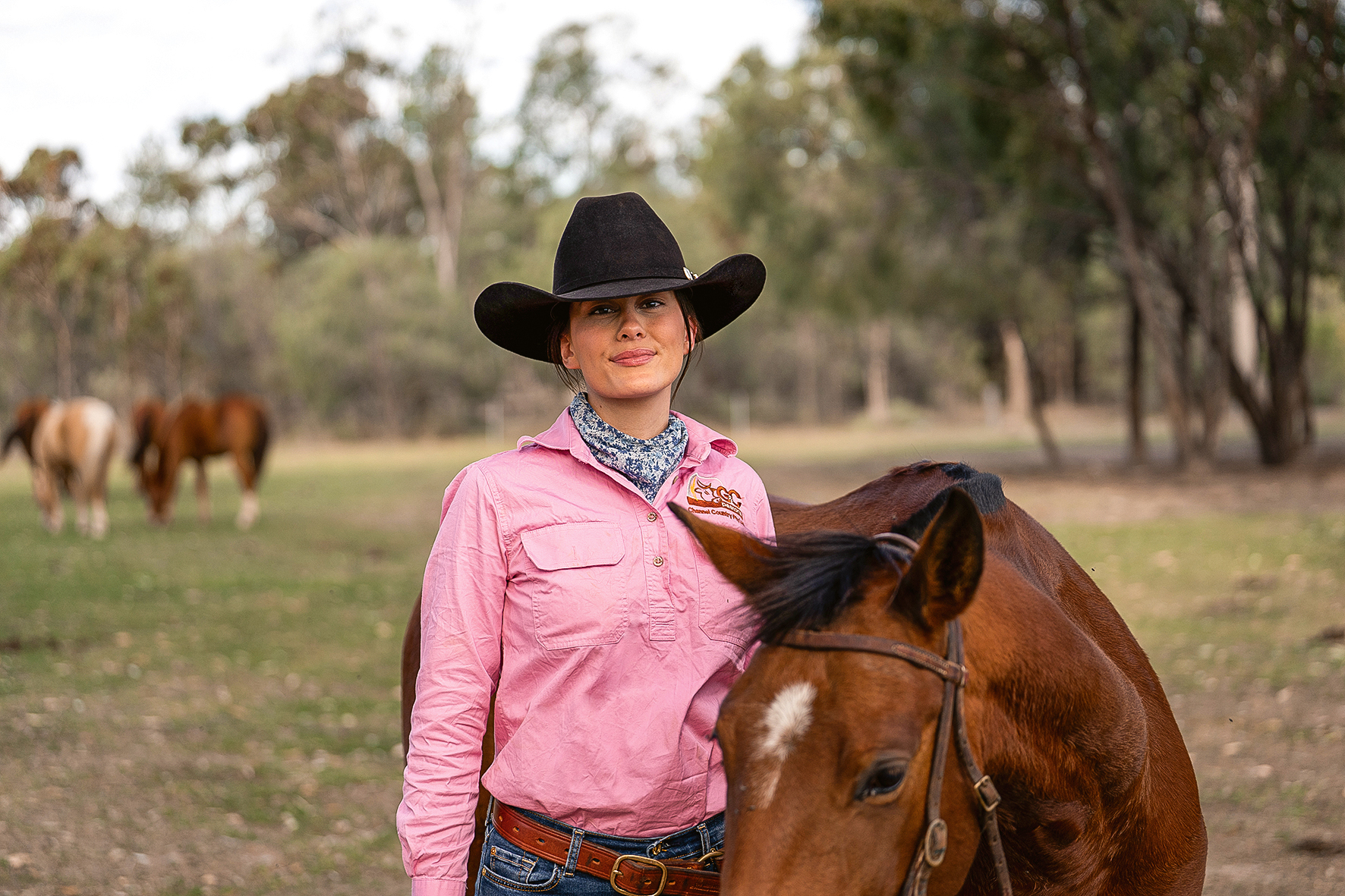
PHOTOGRAPHY ELLE RANDS
Beth’s advice for young women: “be honest about what you do not know and then go and learn it”.
Tell us about your career journey so far.
My way into the beef industry has been fairly unconventional. I studied for a Bachelor of Business in Accountancy at Queensland University of Technology (QUT), and started my career at KPMG, where I also completed my chartered accountant’s qualification. I had a strong interest in agriculture the whole way through, and I eventually realised I did not want to understand agricultural businesses only through their numbers. You can read the financials of a cattle operation and think you know the business, but really you are seeing what it looked like after the fact. I wanted to understand what sat underneath those numbers.
So I went and got the practical side. I worked as a station hand in Queensland and the Northern Territory and later in a feedlot in New South Wales. On paper, it wasn’t necessarily the obvious next move for a chartered accountant, but looking back, it was one of the most important things I could have done.
I spent a lot of 2022 and all of 2023 living in the bush, and after that I found myself spending more time at my sister’s place near Goondiwindi, Queensland, whenever I could. The more time I spent out of the city, the harder it became to ignore how much I wanted the bush to be part of the way I lived, not just the industry I worked in.
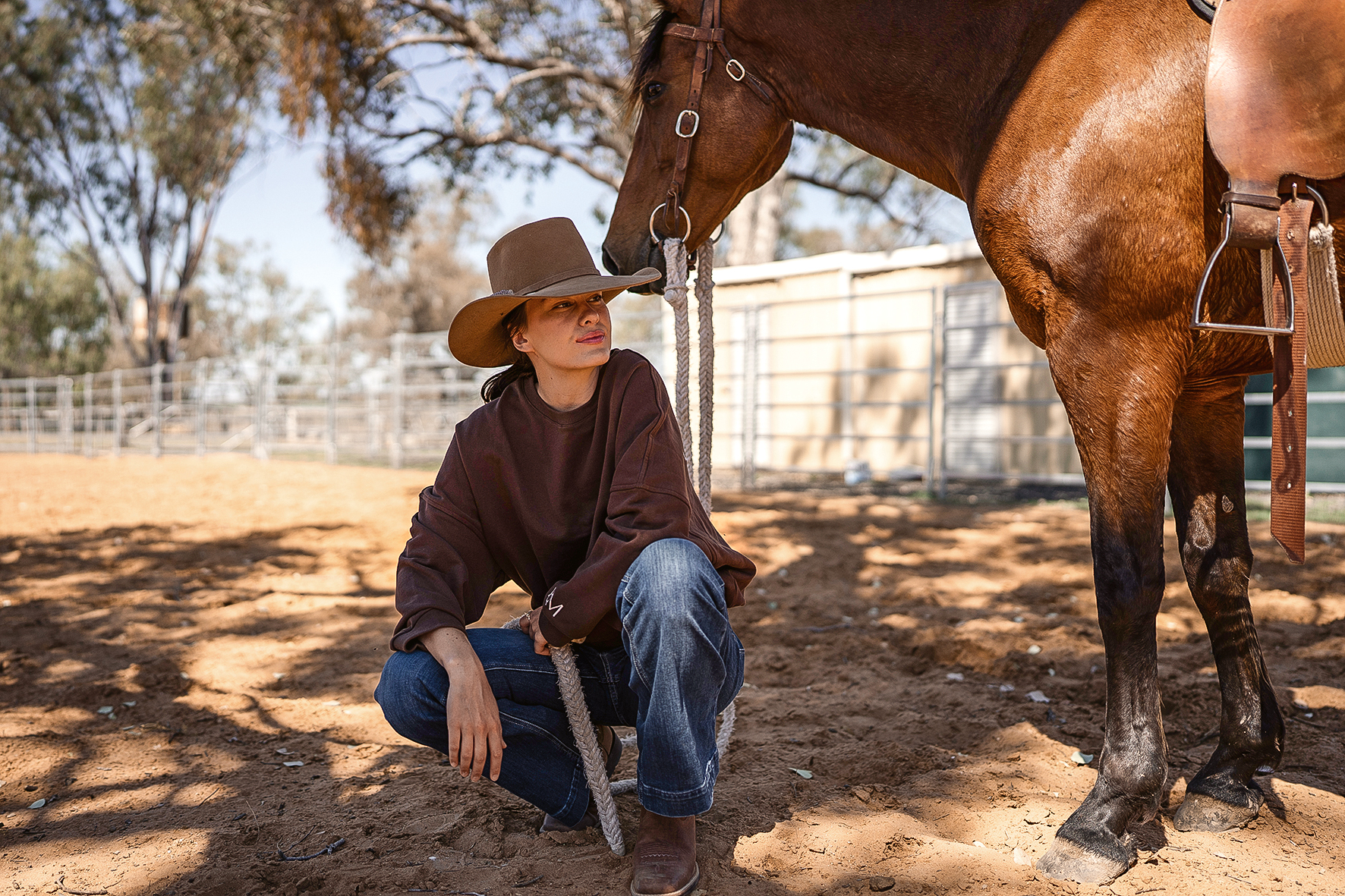
PHOTOGRAPHY ELLE RANDS
Beth, with her horse Dottie, wears an Akubra hat.
Do you think there is a misconception about what a career in the beef industry can look like?
I think one of the biggest misconceptions is that a career in the beef industry means you either own cattle or work on a station. Those people are absolutely at the heart of the industry and nothing works without them, but they are not the whole picture. Think about everything that has to happen for a beef business to run: someone is doing the genetics; someone is doing animal nutrition; someone is building the data systems; someone is doing the financing, budgets and capital decisions. There are people working in sustainability and natural capital, livestock trading, supply chain, market access, policy, research, agronomy, communications and operations.
I also think agriculture can give young people genuine responsibility quite early, often earlier than they might get it in other industries. Importantly, you do not need to arrive knowing agriculture inside out. You can learn it. Curiosity, a strong work ethic, humility and a willingness to ask good questions will take you a very long way.
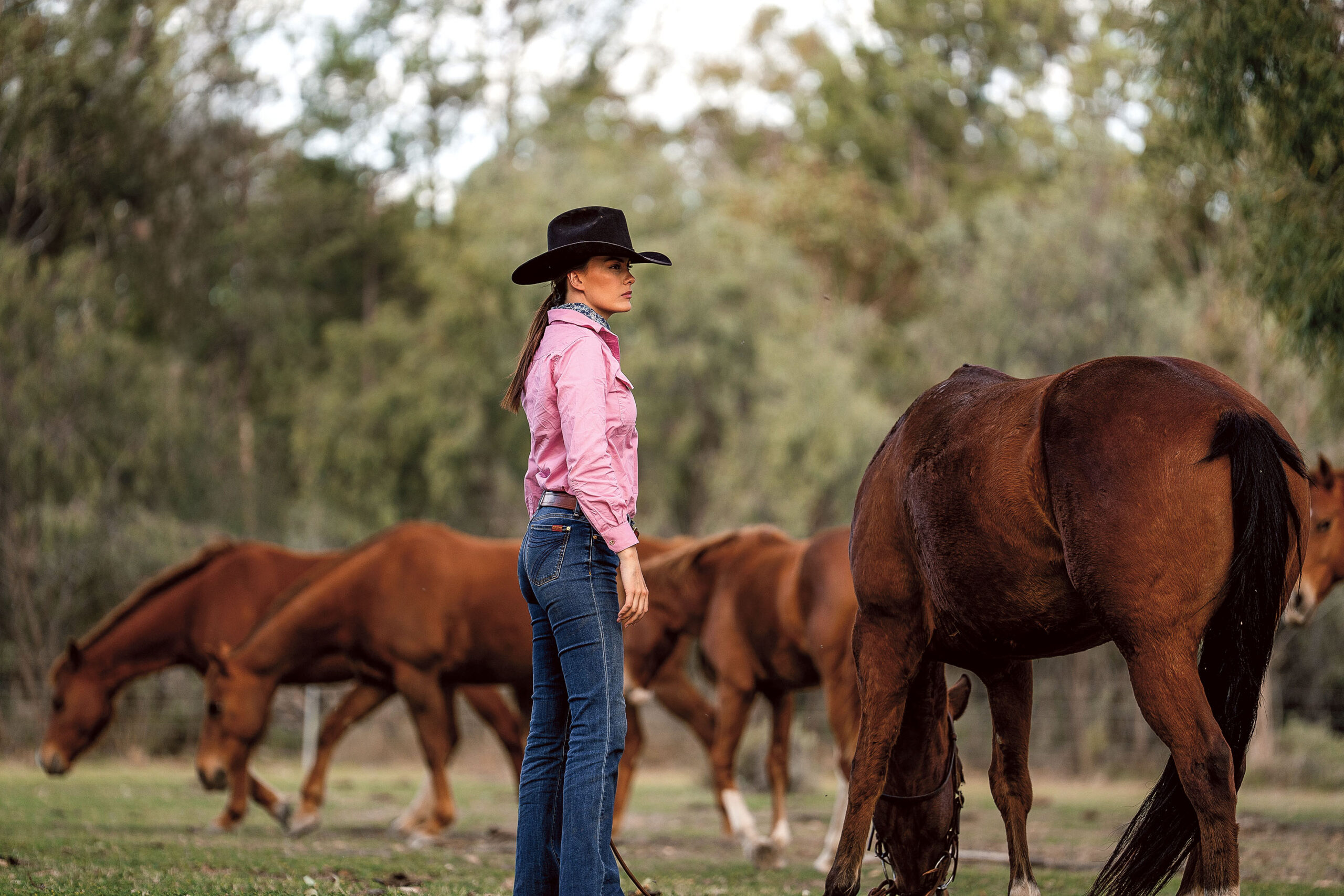
PHOTOGRAPHY ELLE RANDS
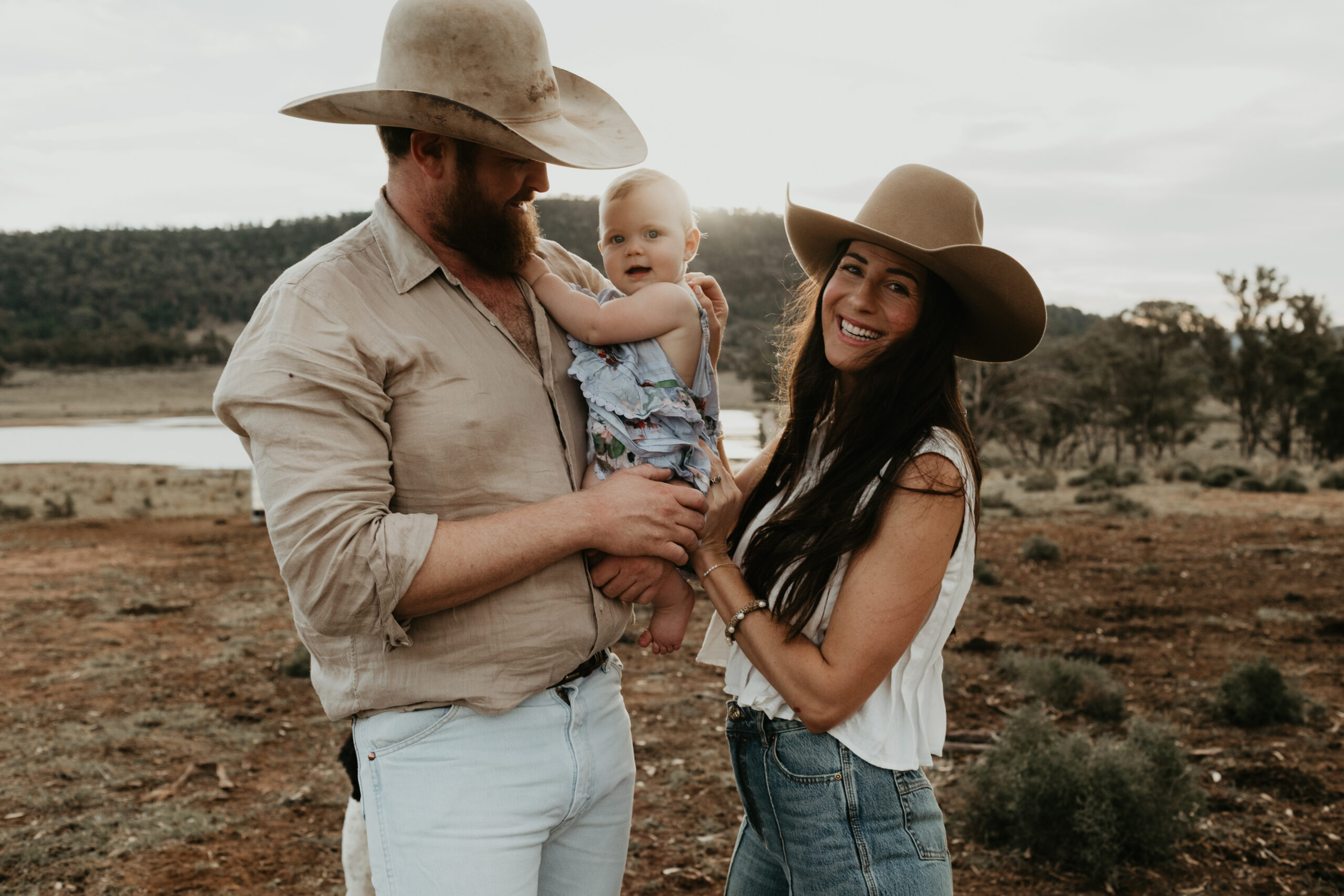
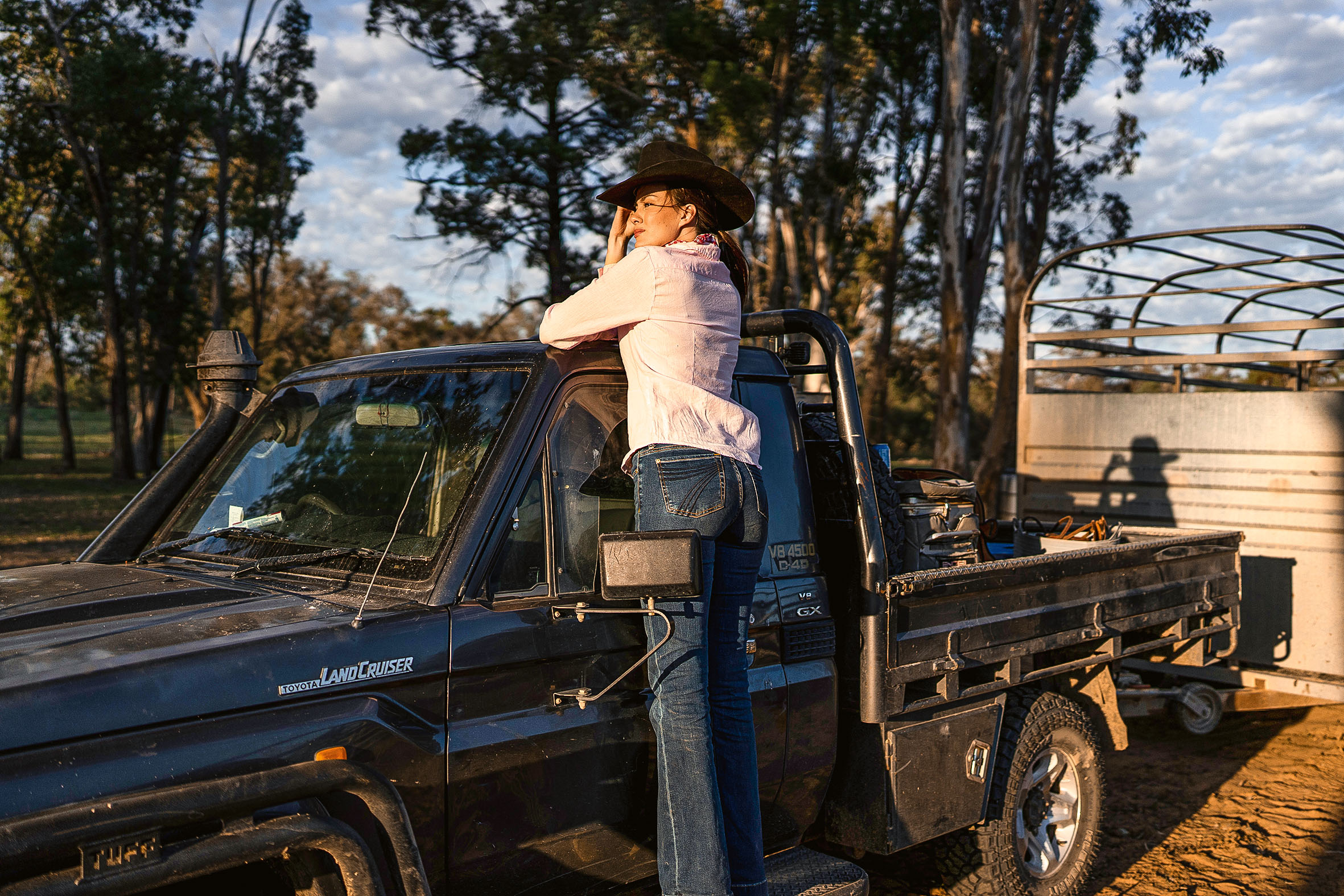
These photographs were taken near Goondiwindi, Queensland, at Elle and her partner Harry’s property, Arrowhead, and Harry’s family property, Ruthdale.
What do you think are the biggest opportunities — and challenges — facing young people wanting to build a career in the beef industry today?
One of the biggest challenges is that agriculture doesn’t have a widely recognised pathway for developing and recognising skills. I think that lack of a clear pathway can create a lot of pressure for young people around timing. Am I educated enough? Am I too educated? Do I need more practical experience? Should I go to university? Will I miss opportunities if I step away from the workforce? Am I too young for this role?
There can be this feeling that every decision is going to permanently determine the direction of your career, when agriculture is actually one of the few industries where careers can be incredibly non-linear. That is also one of its greatest opportunities. Talk to 10 people in the beef industry about how they got where they are and you will probably hear 10 completely different stories.
Whatever your strengths are, whether you are analytical, practical, creative, good with animals, good with numbers, good with people or entrepreneurial, there is somewhere in the industry where those skills are genuinely valuable.
The roles I wish more young people knew about are the commercial and analytical ones — often some of the least visible. You get to understand how the whole business operates, how decisions connect across properties and how the operational and financial pieces fit together.
The practical realities matter too. Distance, cost, being away from family and friends, and the fact that owning land is incredibly difficult for most young people can all be barriers. I think we are getting better at saying that a meaningful career in beef does not have to mean owning cattle or land, but we could still say it louder. Australia has an extraordinary agricultural industry, and I think there is a really exciting future for young people who choose to invest their skills in it.
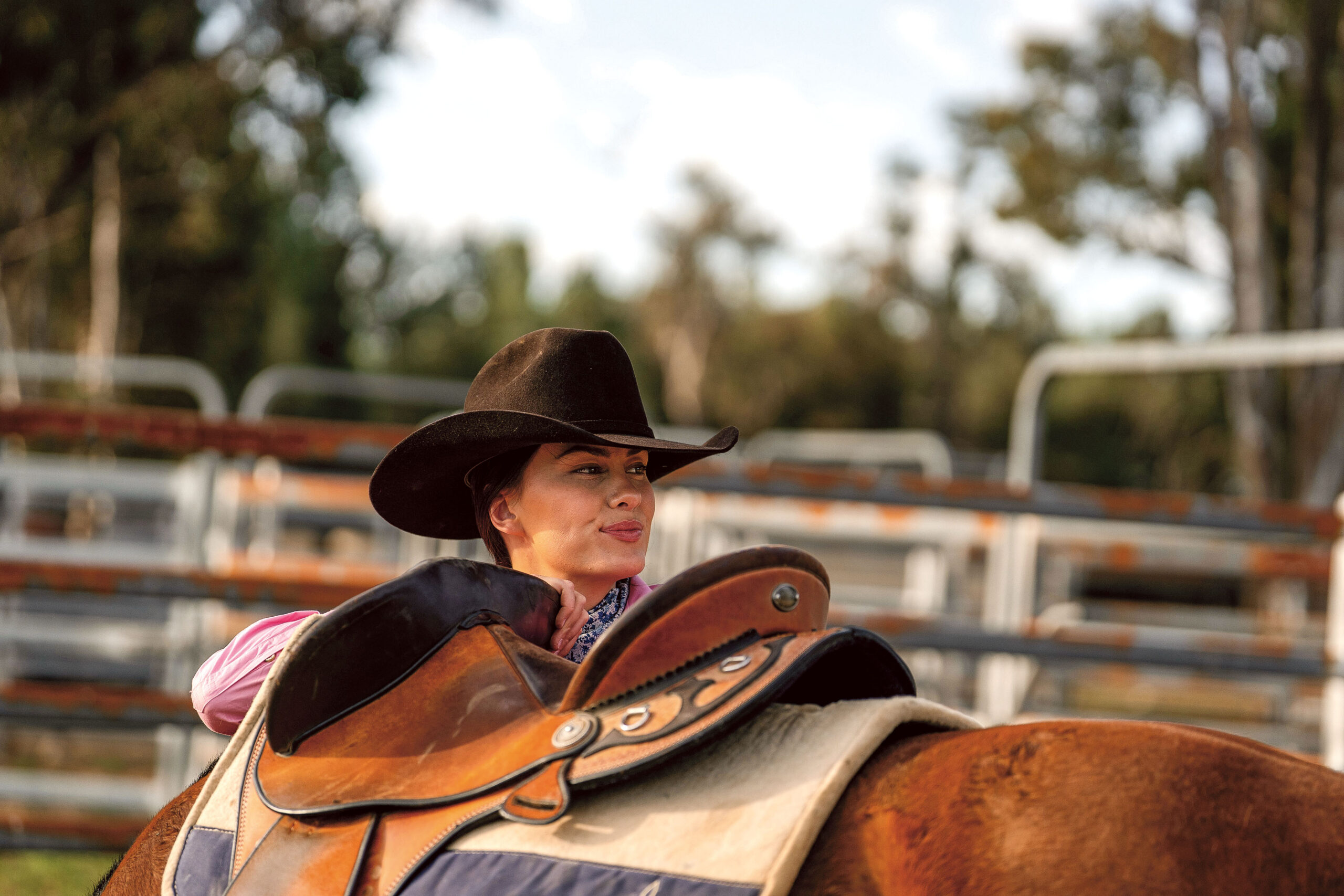
PHOTOGRAPHY ELLE RANDS
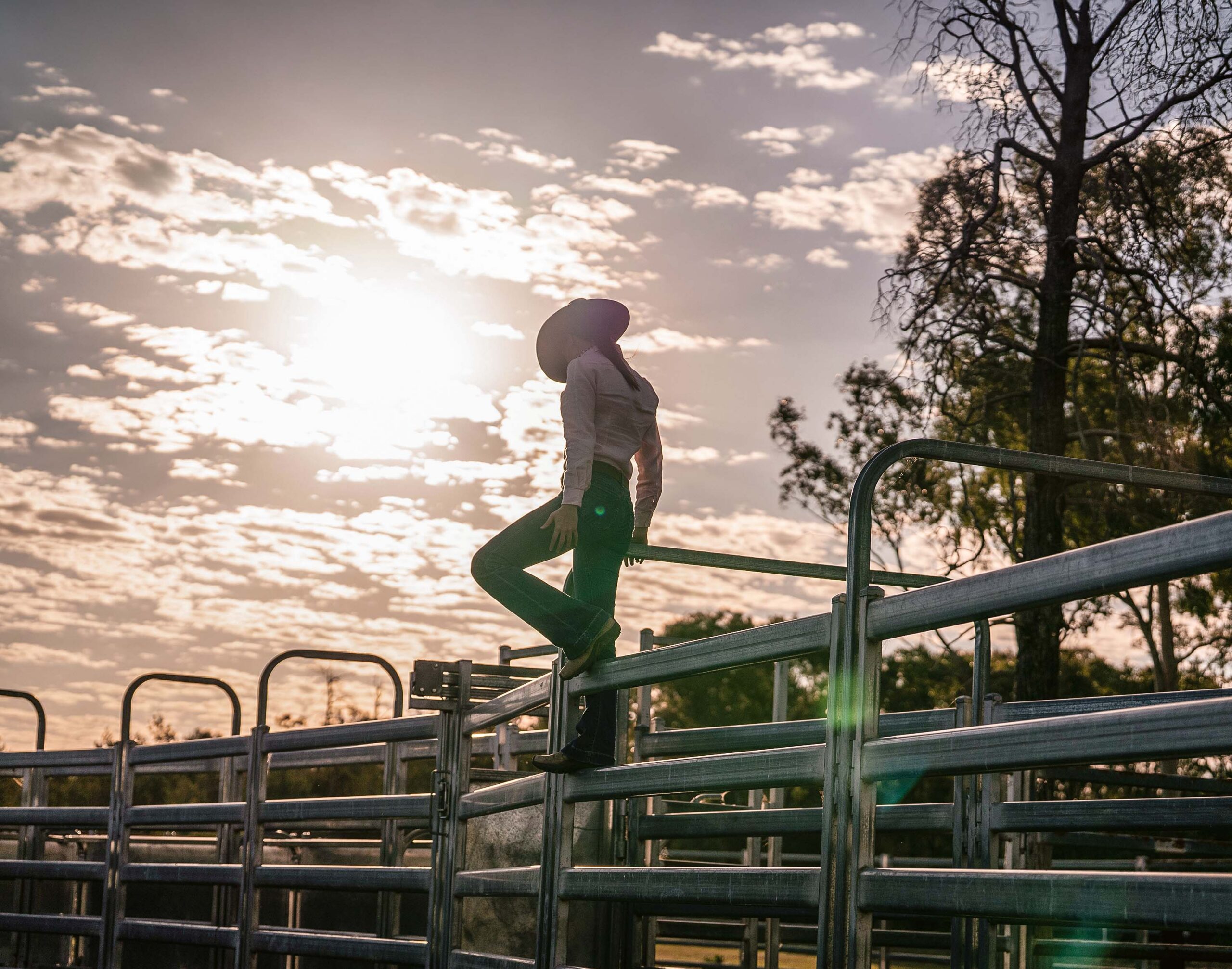
A Big Sky Akubra is a stylish and practical accessory.
PHOTOGRAPHY ELLE RANDS
What advice would you give a young woman who is considering a career in the beef industry but isn’t quite sure where she fits?
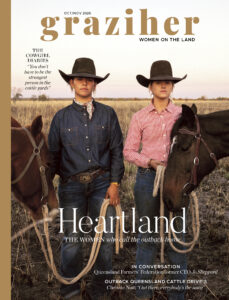
You don’t have to have grown up on a property; you don’t have to be the strongest person in the cattle yards. You don’t have to spend your entire career in an office either.
Particularly for young women, I would not let the historical perception of agriculture as a male-dominated industry intimidate you. Women have cemented themselves as integral to modern Australian agriculture, across the spectrum of the industry. They do some of the hardest and dirtiest jobs on the ground as well as running properties, businesses and teams, working in technical roles and making strategic decisions at high levels. They also play an enormous role as support systems, connectors and organisers that hold families, businesses and rural communities together.
I also think a lot of young people, and particularly young women, can arrive feeling like they need to prove they belong before they have even started, or that they need to know everything on day one.
Be curious. Work hard. Ask questions, including the ones you think sound silly, because most people would much rather explain something than watch you guess. Nobody knows everything on day one, or in year 10.
PHOTOGRAPHY ELLE RANDS
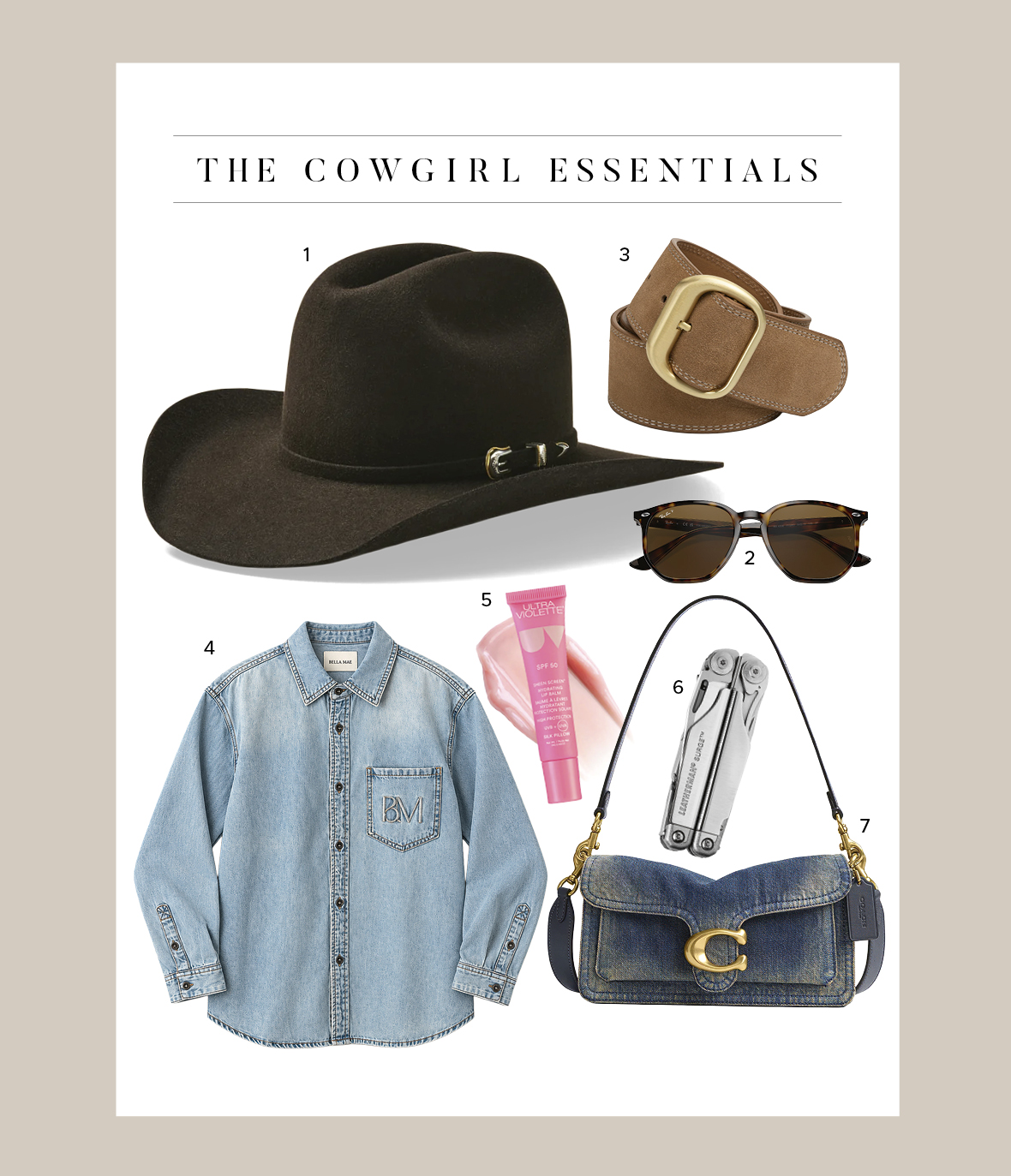
DETAILS
1. Big Sky hat in Bitter Chocolate, $420, by Akubra. 2. Charisma Ombre sunglasses, $154.95, from Gidgee Eyewear. 3. Salerno belt, $139, by Sancia. 4. Boab oversize shirt, $229, by Bella Mae. 5. Screen Sheen SPF 50 lip balm in Silk Pillow, $27, by Ultra Violette. 6. Leatherman Surge multi-tool, $330, from Angus Barrett. 7. Coach denim shoulder bag, $795, from The Iconic.
What has life on the land taught you about yourself?
That I am more adaptable than I thought I was. Agriculture has a good way of reminding you that not everything can be controlled: cattle, weather, machinery and seasons do not follow the spreadsheet. The world keeps moving, jobs still need doing and it reminds you very quickly what actually matters.
The best piece of advice I have ever been given is…
“strong opinions, loosely held.” For me, that means having enough confidence to form a view, back yourself and speak up when you believe in something but not being so attached to being right that you stop listening and can’t change your mind when someone shows you something you hadn’t seen.
This story was shot by your sister, Elle. What was it like working with her?
Honestly, it was so much fun. Elle is the person I want to do everything with anyway, so getting to do this together felt very special. She has recently started her photography and videography business and I am incredibly proud of how meticulously and intentionally she is building it.
Elle has been there for essentially every chapter of my life that led to this one, so having this story captured through her lens feels particularly special. She is my best friend, my confidante and someone I admire enormously. I feel incredibly lucky that this photo shoot was something we got to do together.
This is a Graziher x Akubra collaboration. Visit akubra.com.au to see their range of hats.
There are many ways to find a meaningful role in the industry, says Beef Australia’s Beth Rands.
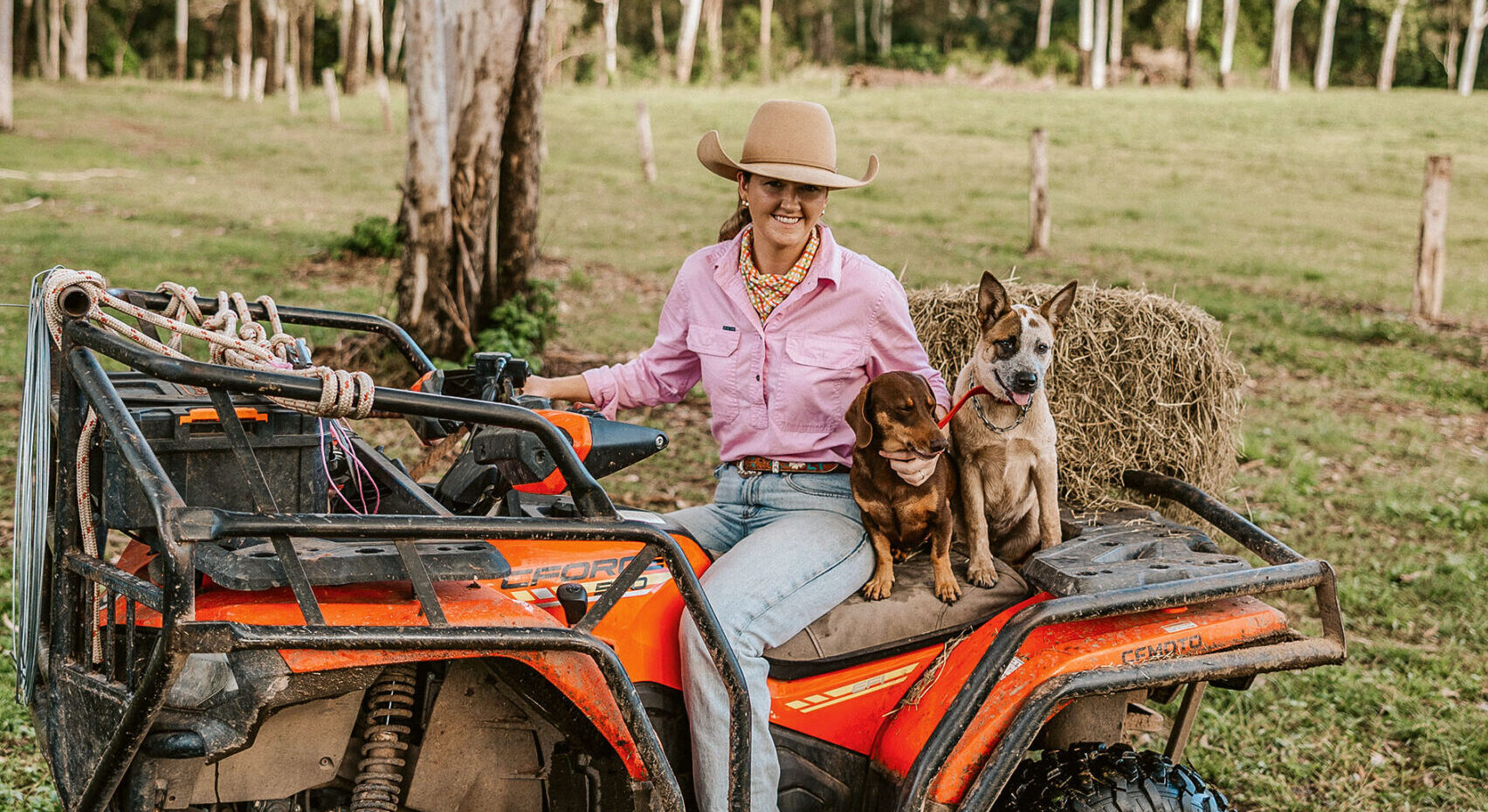
Hailing from a small Irish town, Lisa Fryer found love at Daly Waters’ Hi-Way Inn. Today, she and husband John are ushering in a new era for Tabletop Station, near Townsville, Queensland.
Hailing from a small Irish town, Lisa Fryer found love at Daly Waters’ Hi-Way Inn. Today, she and husband John are ushering in a new era for Tabletop Station, near Townsville, Queensland.
She says clever tech makes it possible to go it alone on the 4000 hectare beef-finishing property in central Queensland.
A farmer, mother-of-three and psychologist, Steph Schmidt understands what it’s like to be deep in the trenches.

