

PHOTOGRAPHY LISA FRYER
Lisa Fryer, an Irishwoman who has found her place in north Queensland.
Sign up to our mailing list for the best stories delivered to your inbox.
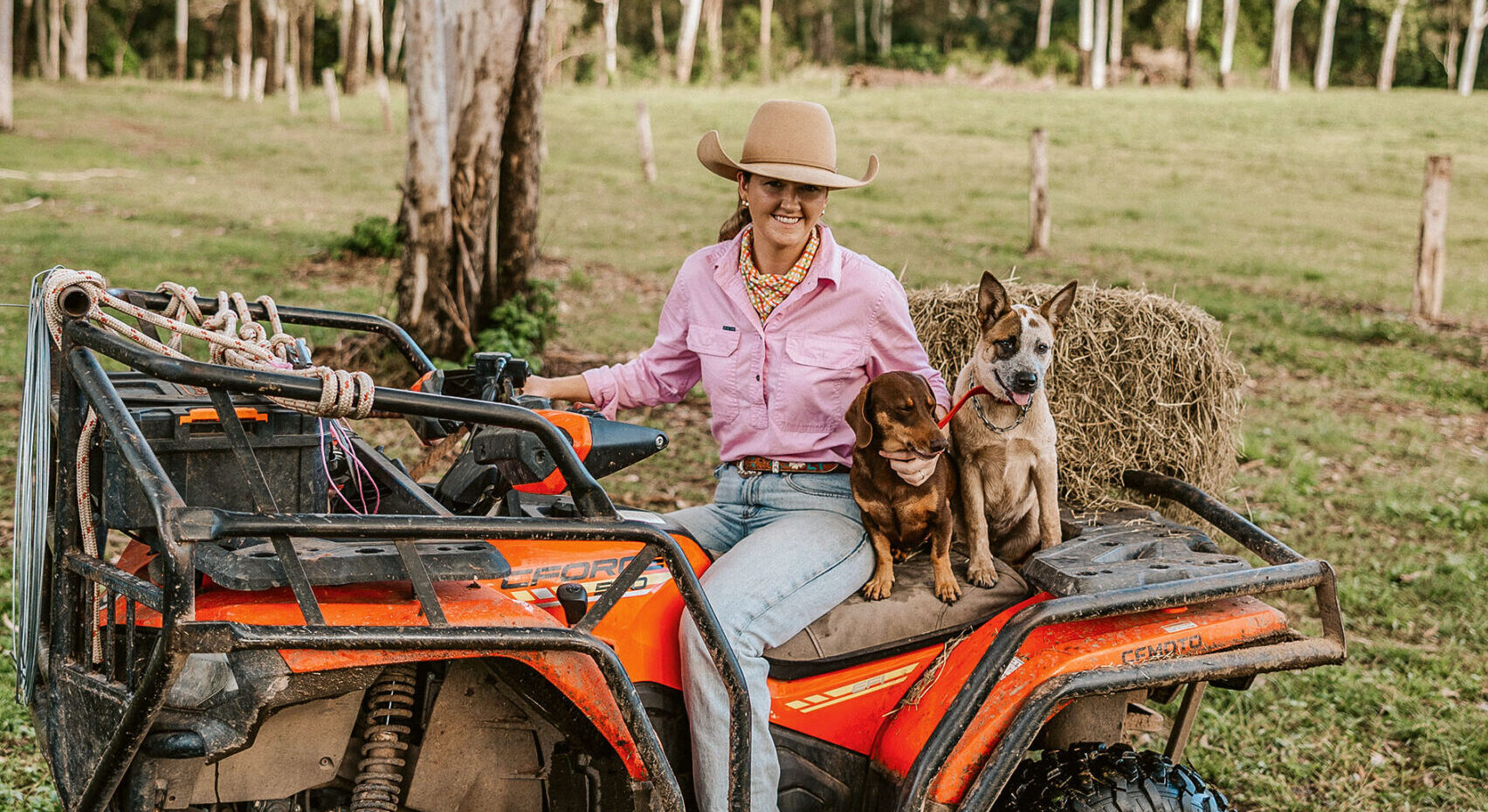
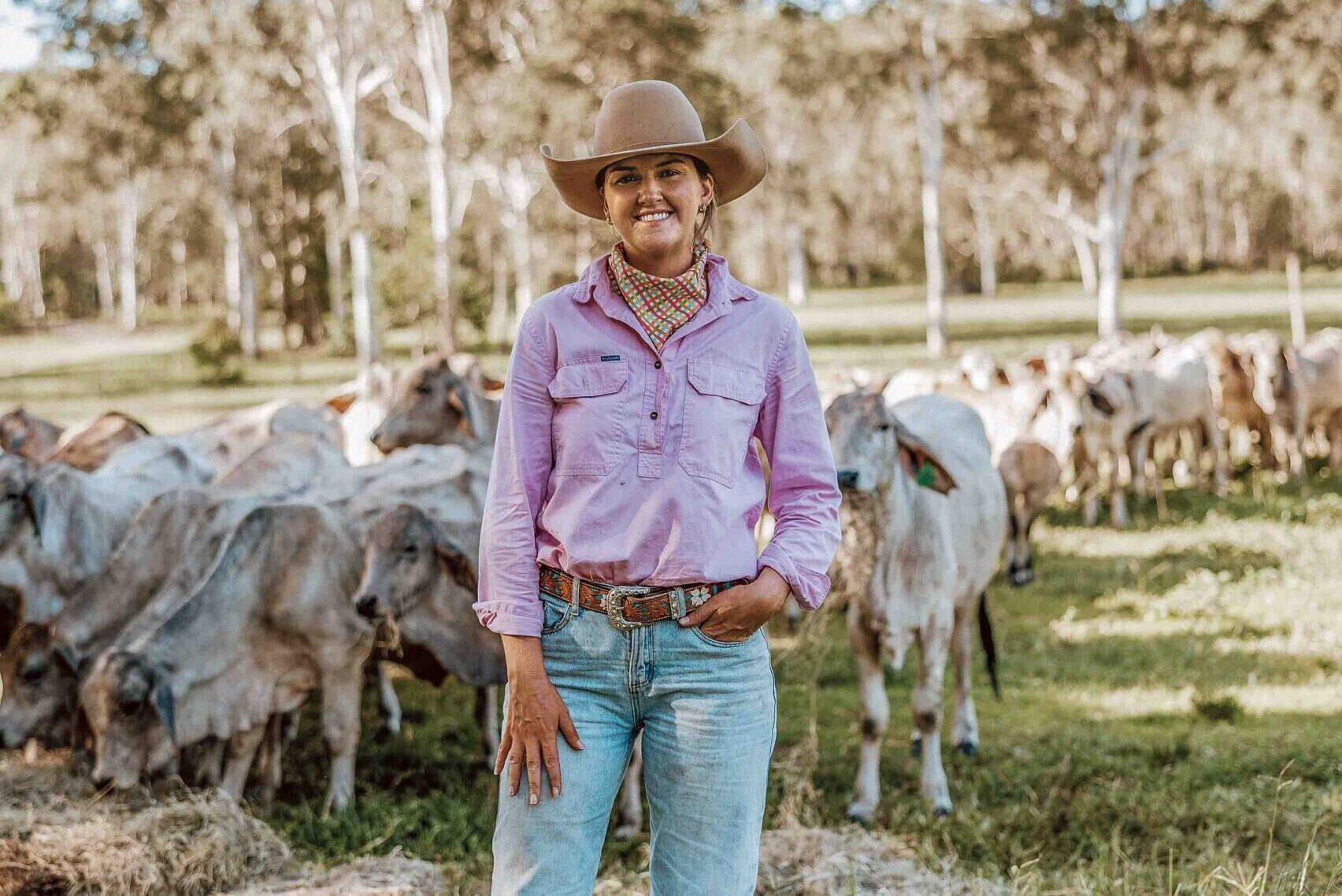
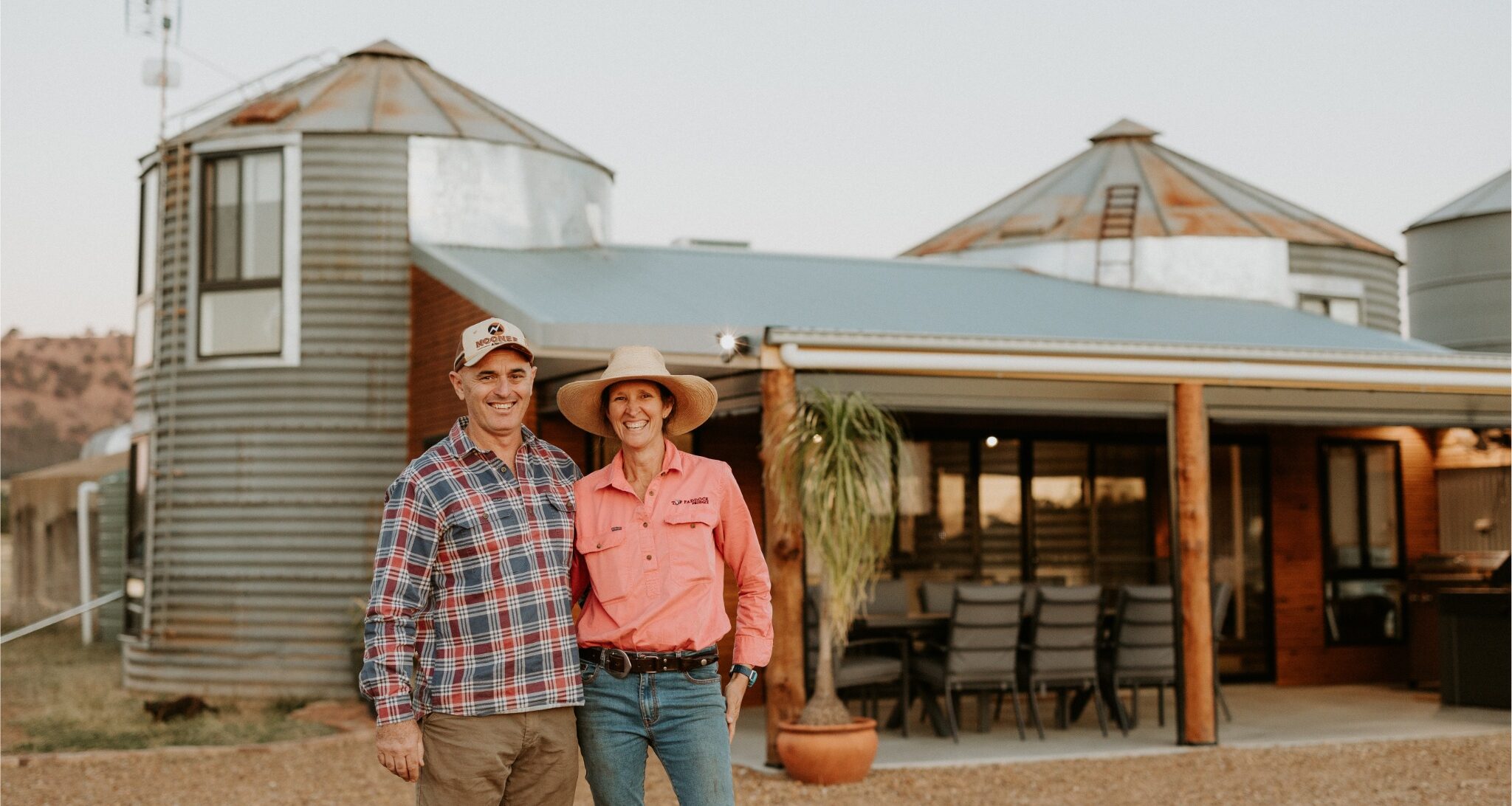
Hailing from a small Irish town, Lisa Fryer found love at Daly Waters’ Hi-Way Inn. Today, she and husband John are ushering in a new era for Tabletop Station, near Townsville, Queensland.

Words Emma Mulholland PHOTOGRAPHY Lisa Fryer
PHOTOGRAPHY LISA FRYER
Lisa Fryer, an Irishwoman who has found her place in north Queensland.
PHOTOGRAPHY LISA FRYER
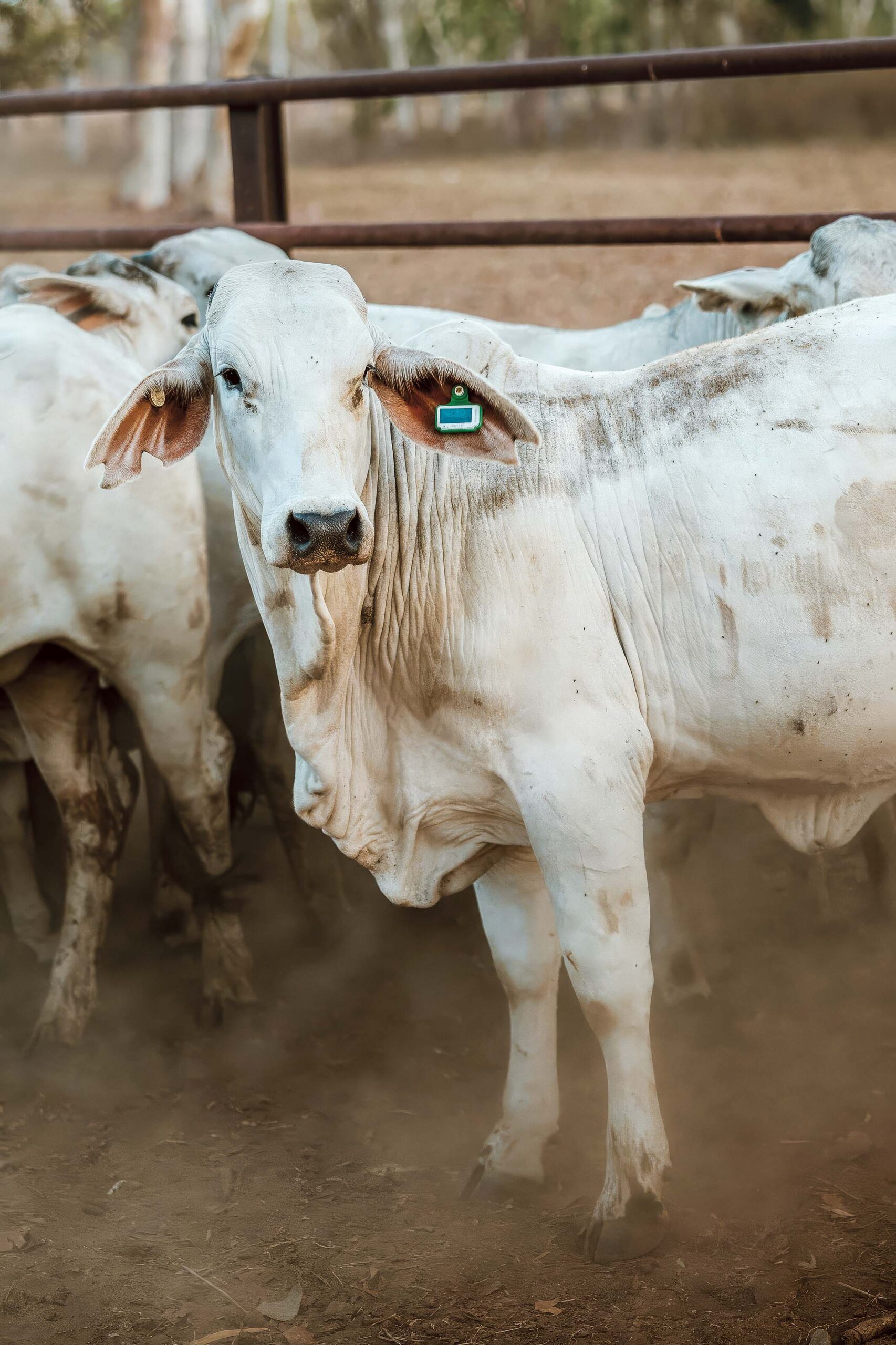
A Tabletop Brahman wears a Ceres Tag on-ear sensor.
As a photographer, she loves the dry season here, with its muted grasses and clear skies, but as a cattle owner, she knows the value of a summer downpour.
Having lived among the lush hills of County Donegal in Ireland’s north, Lisa, 34, has come to appreciate the distinct seasons of Queensland’s Hervey Range, where she and her husband, John Fryer, run about 2000 head of cattle.
“The whole thing was very foreign to me,” she says of her early days in the outback. “I come from a small town, Letterkenny, and had had nothing to do with cattle. Everyone at home and my parents, they love it — they think it’s amazing — but it took them a while to get their heads around it.”
PHOTOGRAPHY LISA FRYER
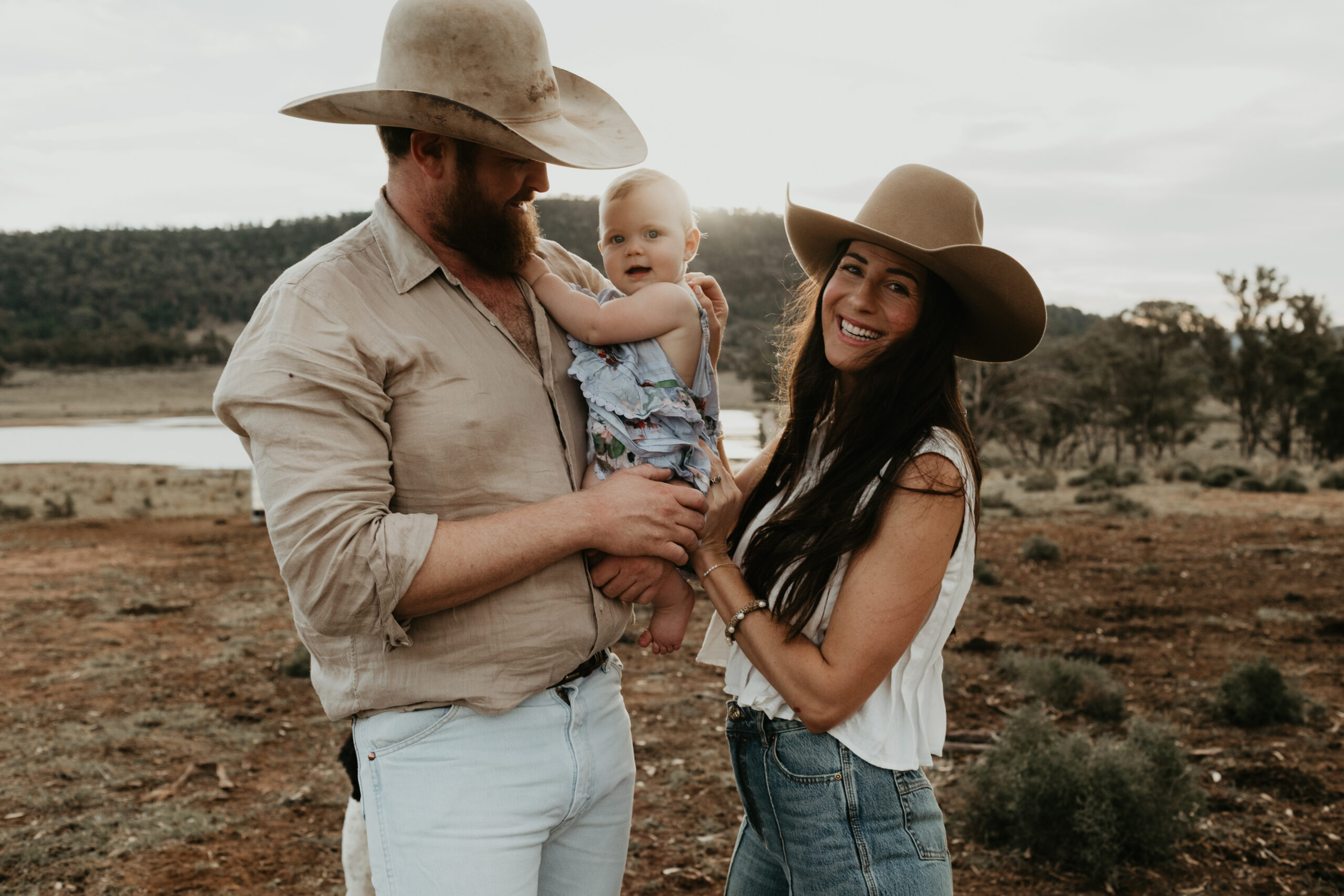
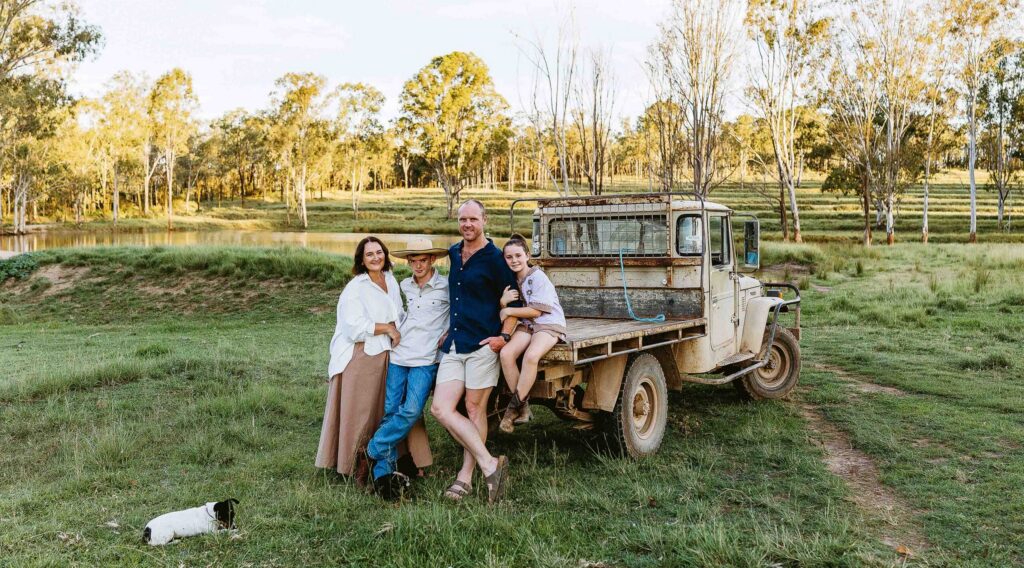
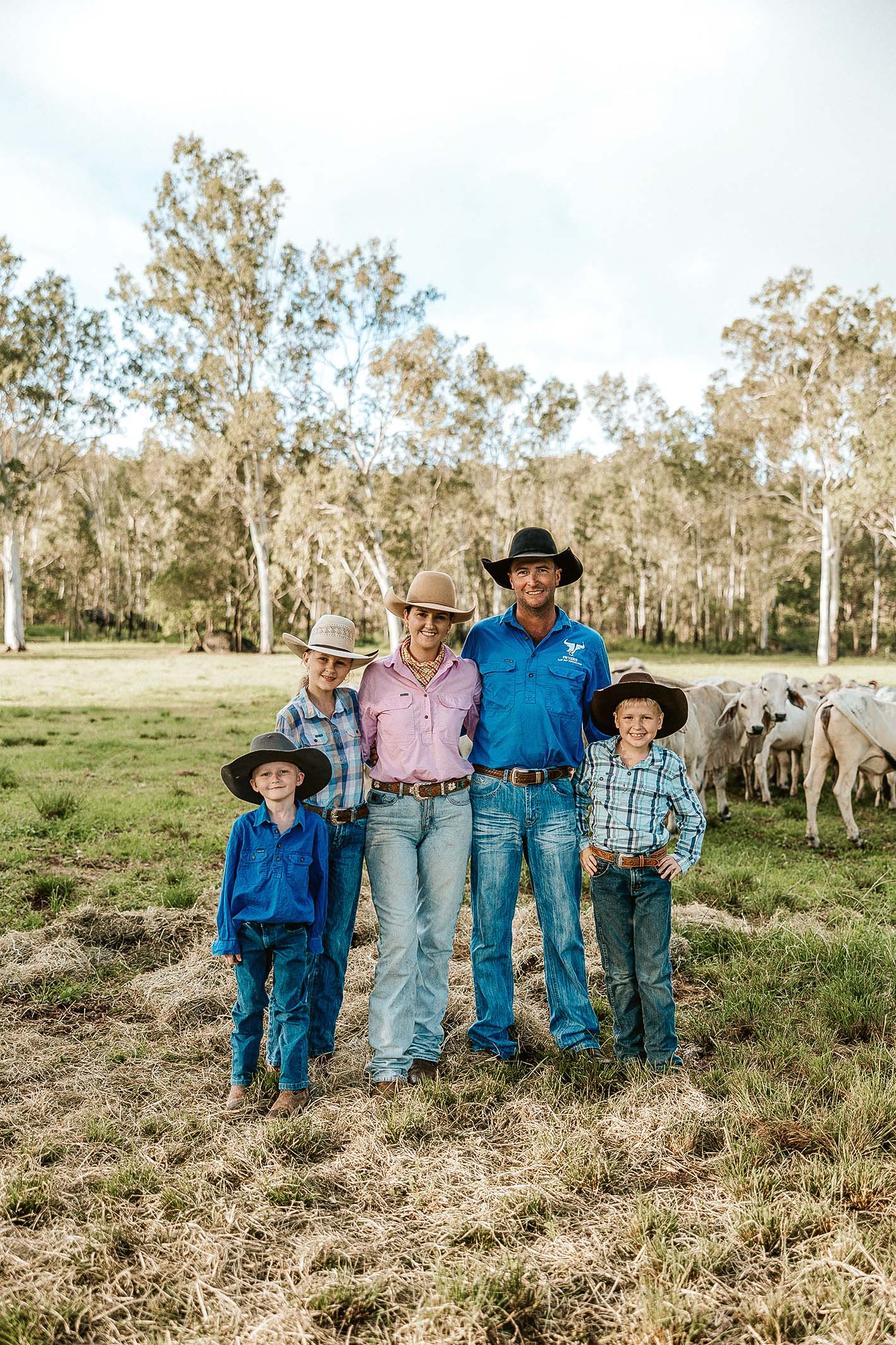
The Fryers, from left: Cody, Lily, Lisa, John and Clayton.
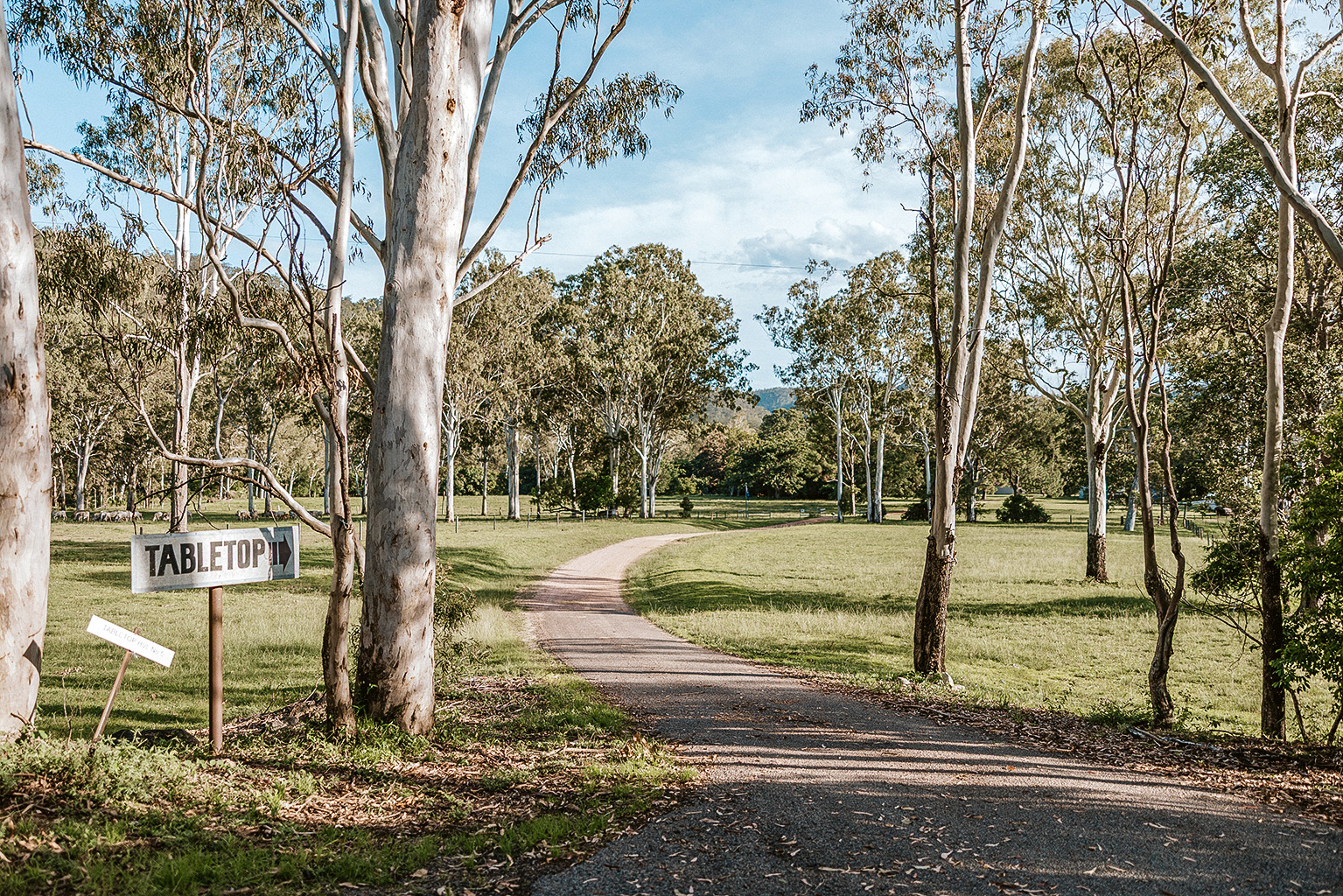
PHOTOGRAPHY LISA FRYER
Tabletop Station, about 40km from Townsville.
John has Brahmans in his blood: he is the fourth generation of the Fryer clan to run the 8000 hectare property, which has been in the family since 1914. He and Lisa met in 2012 while she was on a tourist visa, pouring beers at the Hi-Way Inn at Daly Waters in the Northern Territory. “John was on Kalala Station, working as a ringer. He and the other fellows from stock camp used to drink at the bar there,” says Lisa.
She had come to Australia to be with her sister Stephanie Howard, who also happened to fall for a local boy, Travis Kearsley. (The two now work in the mines at Dalby, Queensland, a 14-hour drive south of Tabletop.) After a year behind the bar, Lisa joined John — by then head stockman — at Kalala, where she served as camp cook and got her first taste of cattle work.
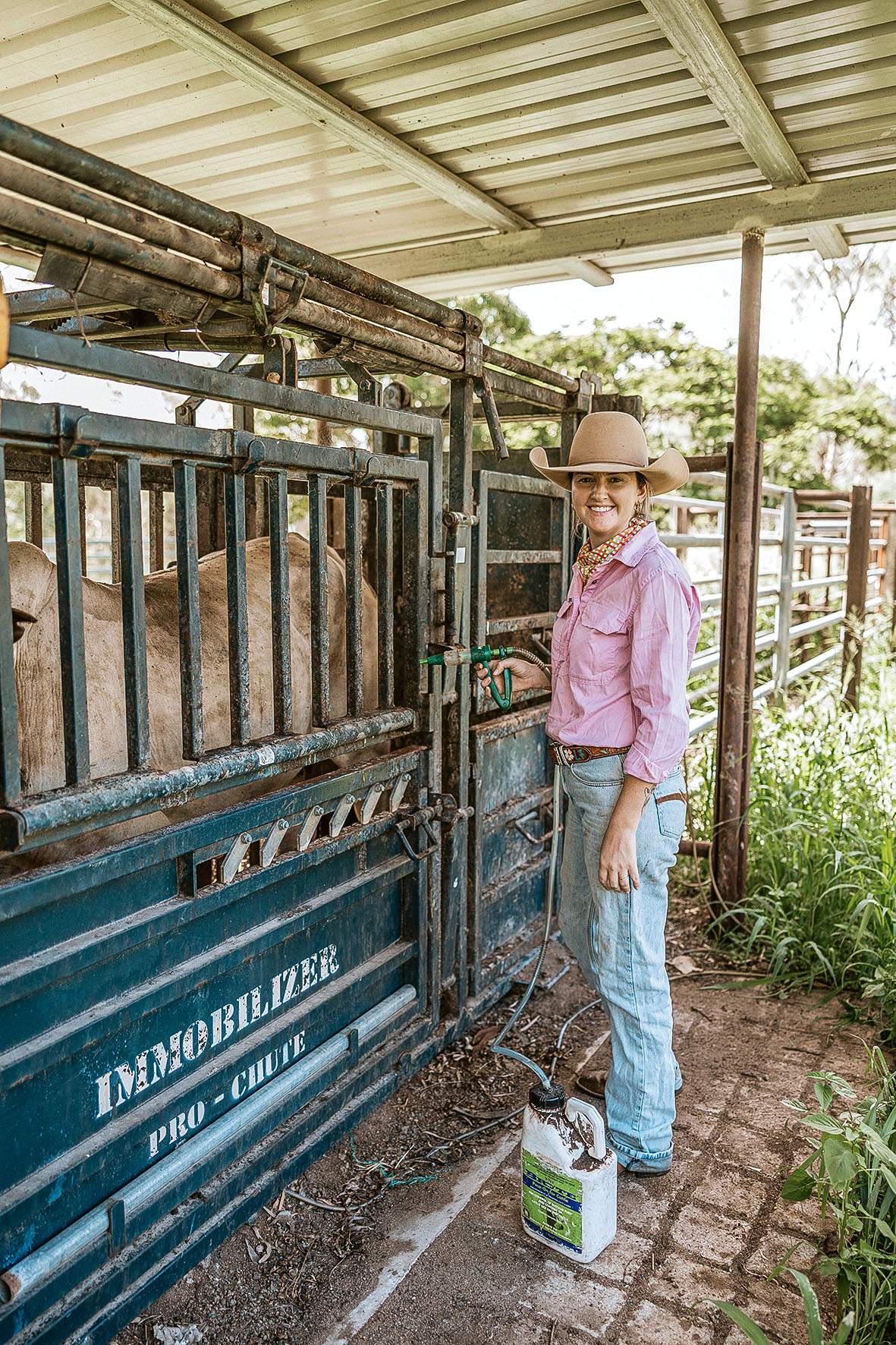
PHOTOGRAPHY LISA FRYER
Lisa in the yards.
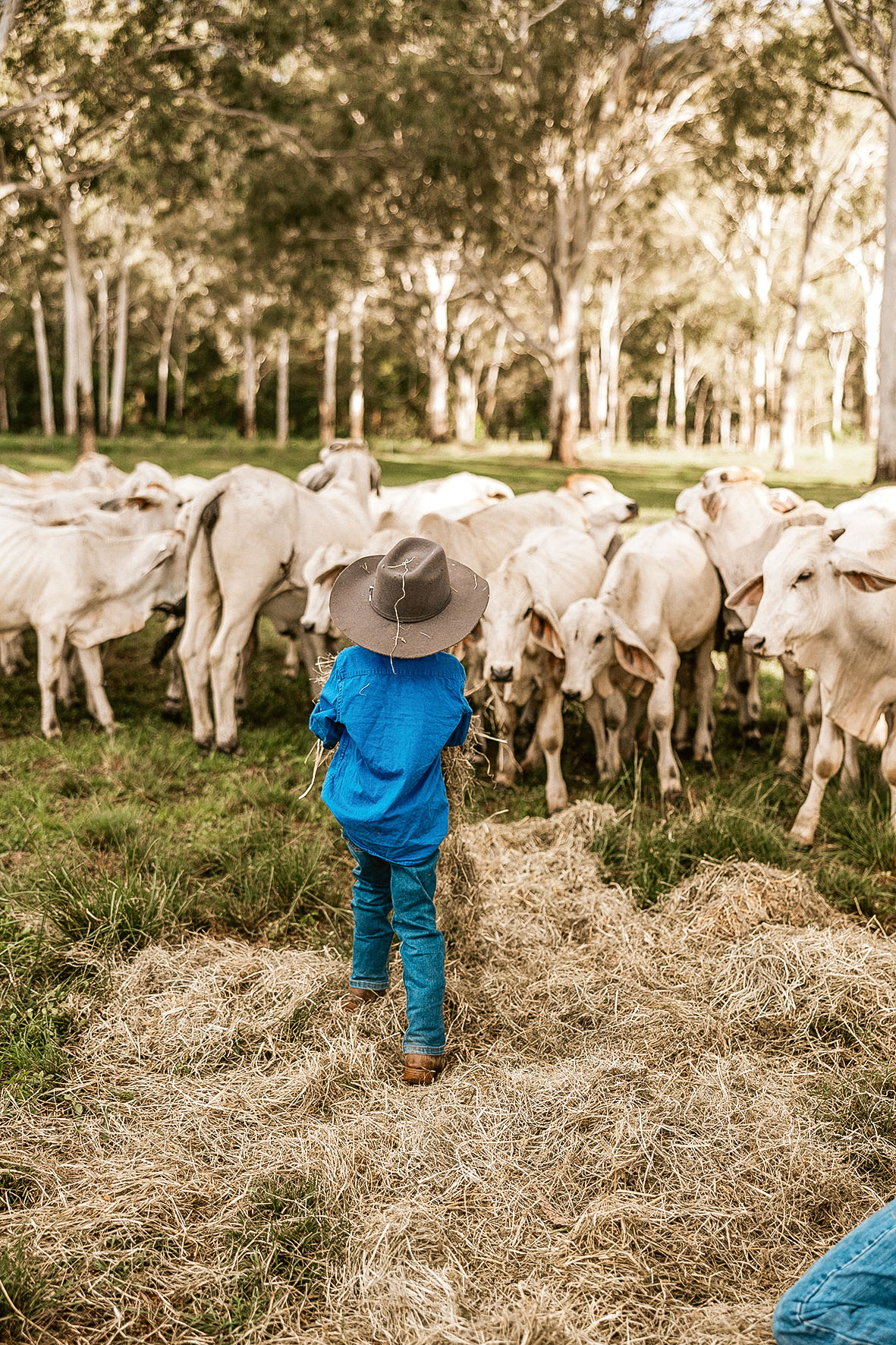
PHOTOGRAPHY LISA FRYER
The children love to help with mustering and other tasks.
The couple is now raising Tabletop’s fifth generation of Fryers: Lily, 11, Clayton, nine, and five-year-old Cody. “They’re already arguing over who will take over,” says Lisa. “They’re only little but they’re so keen. Mustering is their favourite thing to do.”
However, there’s been less mustering of late, with the station recording 265 millilitres of rain over the last few days of 2025. A flooded causeway has cut off a mob of 200 heifers that they’d hoped to muster in late January. At this stage, it looks like they won’t get to them until May.
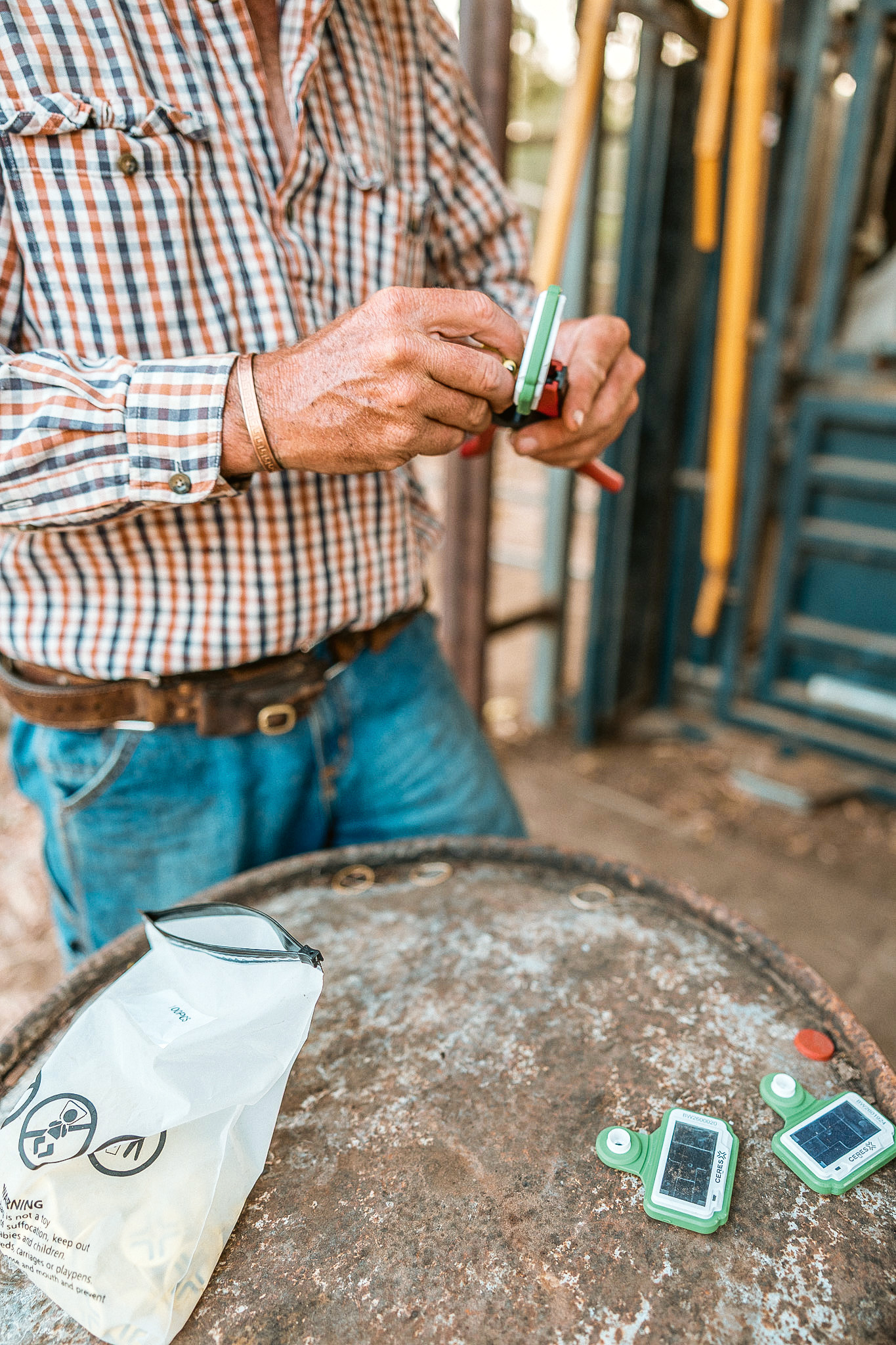
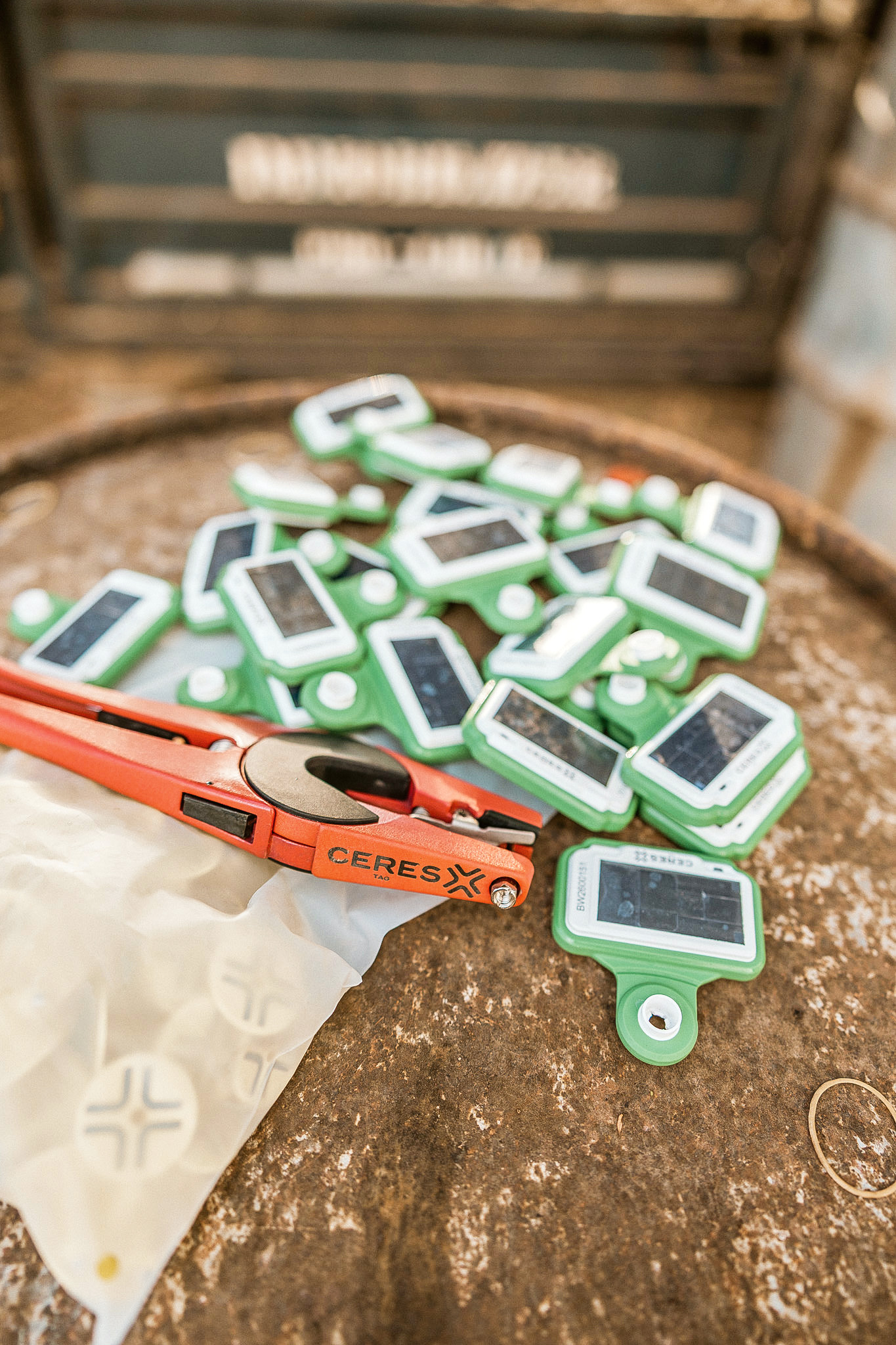
Luckily, before they trucked the heifers to the gorge last October, she and John fitted 20 of the animals with Ceres Tag on-ear sensors. Powered by the sun, the GPS-enabled devices use satellites (not wi-fi) to send information about the animals, including welfare warnings, pasture intake, feed efficiency and resting times.
Lisa says they’re not big on ag tech at Tabletop — “we haven’t used anything else” — but in this case, they could see the benefits for their property.
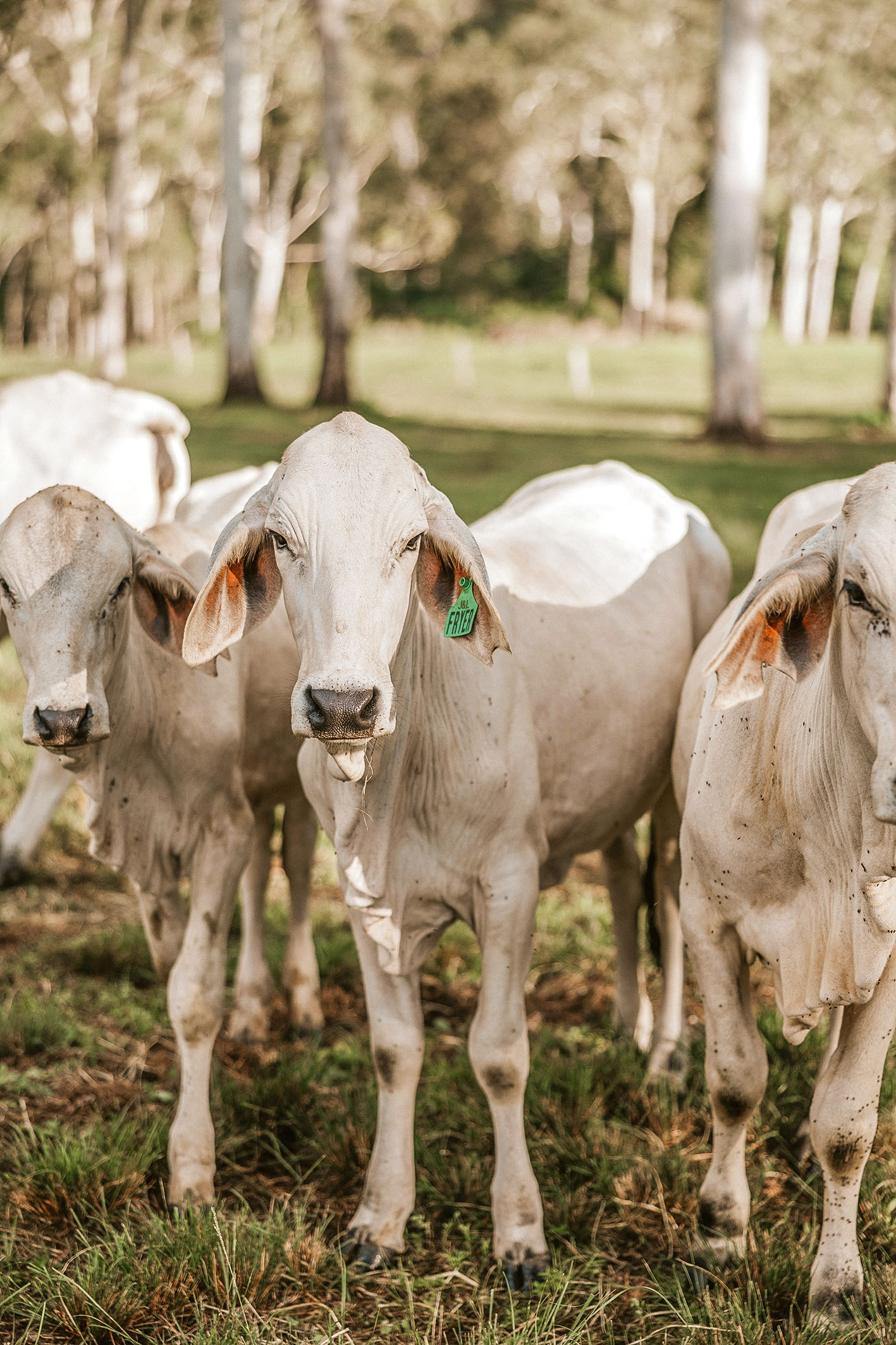
PHOTOGRAPHY LISA FRYER
The Fryer family has been farming cattle at Tabletop for four generations.
PHOTOGRAPHY LISA FRYER
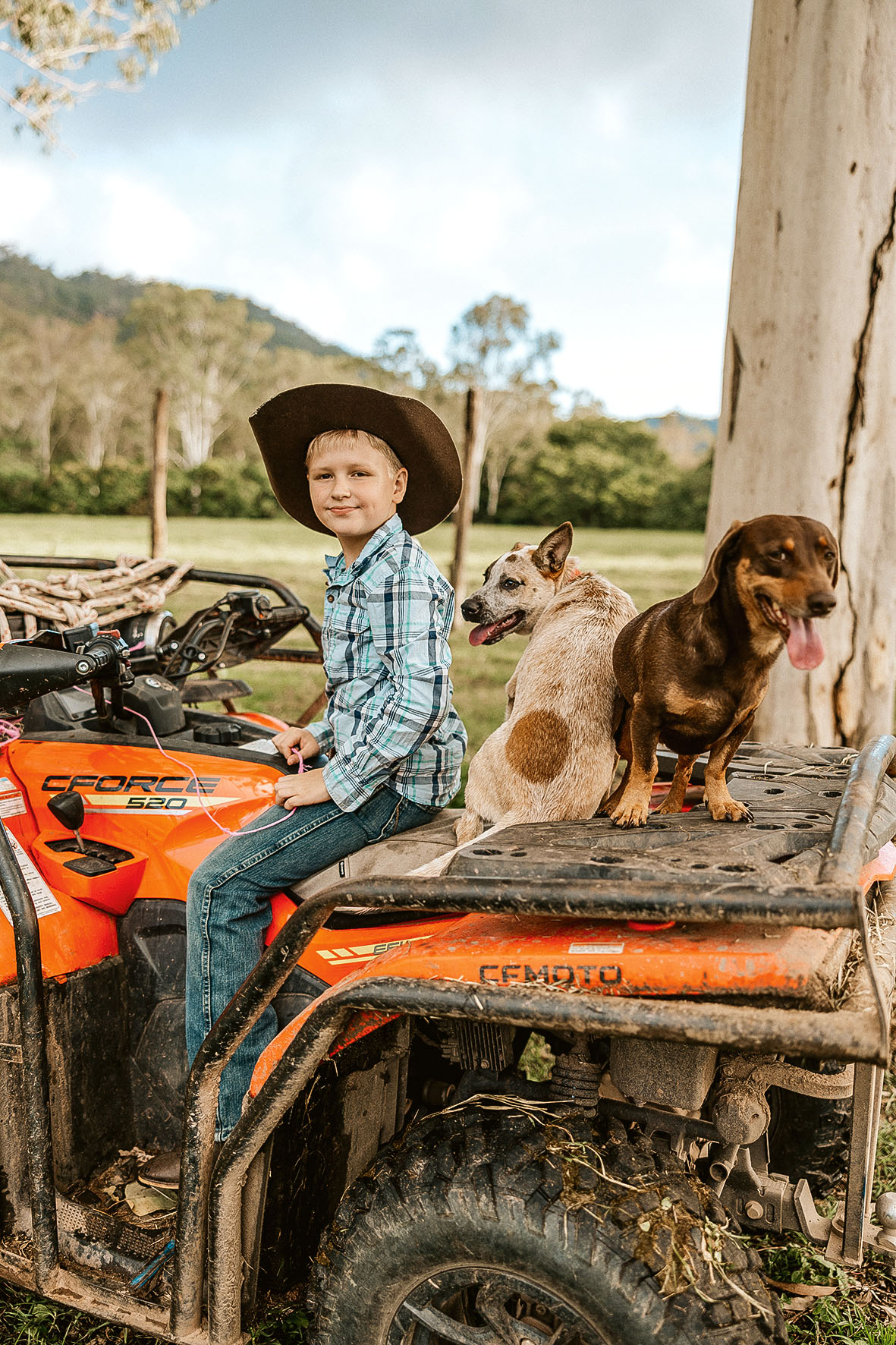
Clayton with Bella, a red cattle dog, and dachshund-cross Rookie
“In the wet, creeks wash down and fences come down, and if they get out we want to see where they are heading to. We can already see that one heifer is not on Tabletop anymore; she’s gone out to major bushland. And she’ll be taking other cattle with her, but now we can keep track of where they are and where we need to go with a chopper to get them back.”
Developed by Melita and David Smith, who worked in collaboration with the CSIRO, Ceres Tag devices are sold all over the world and can be paired with almost any type of software. Like most first-timers, Lisa and John use theirs with a mapping program called Mapipedia.
“It’s just an app that I saved on the front screen of my phone,” says Lisa. “You can see exactly where the heifers are. The tags are different colours and you can tap each one. If one heifer has totally separated herself from the group, you know that she’s probably with others that don’t have a tag and you can see that she’s fine — that she’s still eating, walking and drinking.”
PHOTOGRAPHY LISA FRYER
John preps Ceres Tag smart devices.
PHOTOGRAPHY LISA FRYER
Sensors ready to be fitted.
Given the weeks of rain they’ve encountered, Lisa worried that the solar-powered batteries would give out. “But it doesn’t seem to be affecting our tags at all,” she says. “We haven’t had sun in days and the rain has been really heavy, but the charge tells us it’s still at 90 per cent.”
If it weren’t for her Irish lilt, it would be easy to imagine Lisa has been discussing such things for decades. All this talk of runaway heifers is a far cry from the farming operations of County Donegal. “Farmers at home have their 10 or 15 cows and they can look out the kitchen window and see them all there in the morning,” she says. “Here, you’ve got thousands of cattle and it takes two weeks to cover the property just to muster.”
Still, she says, this outback life came naturally. “I adapted so quickly and easily — I couldn’t imagine doing anything else.”
This is a Graziher x Ceres Tag collaboration. Ceres Tag devices can be found at your local ag retailer; for more information, go to cerestag.com. Read more about the Ceres Tag founders here.
There are many ways to find a meaningful role in the industry, says Beef Australia’s Beth Rands.
Hailing from a small Irish town, Lisa Fryer found love at Daly Waters’ Hi-Way Inn. Today, she and husband John are ushering in a new era for Tabletop Station, near Townsville, Queensland.
There are many ways to find a meaningful role in the industry, says Beef Australia’s Beth Rands.
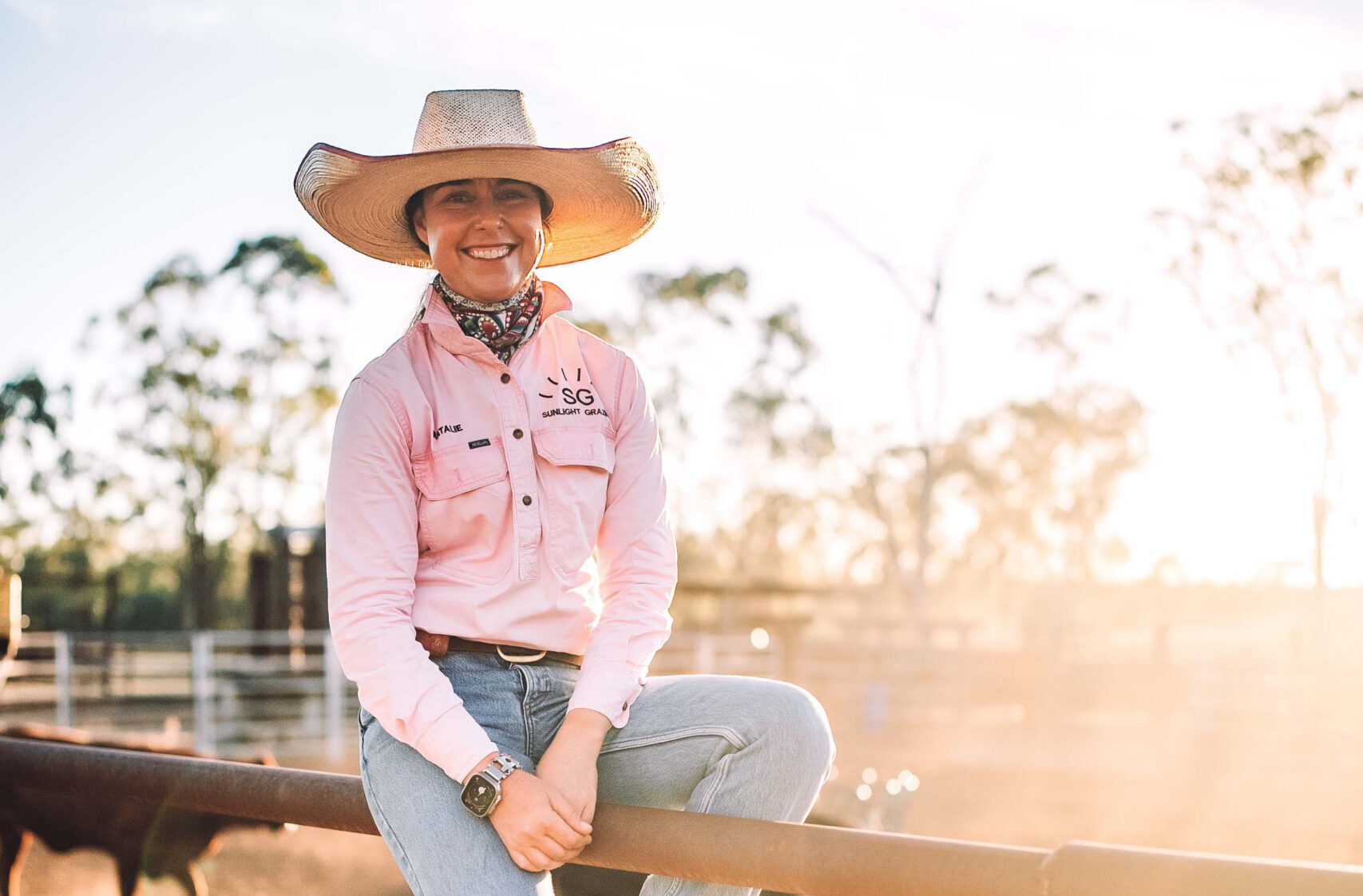
She says clever tech makes it possible to go it alone on the 4000 hectare beef-finishing property in central Queensland.
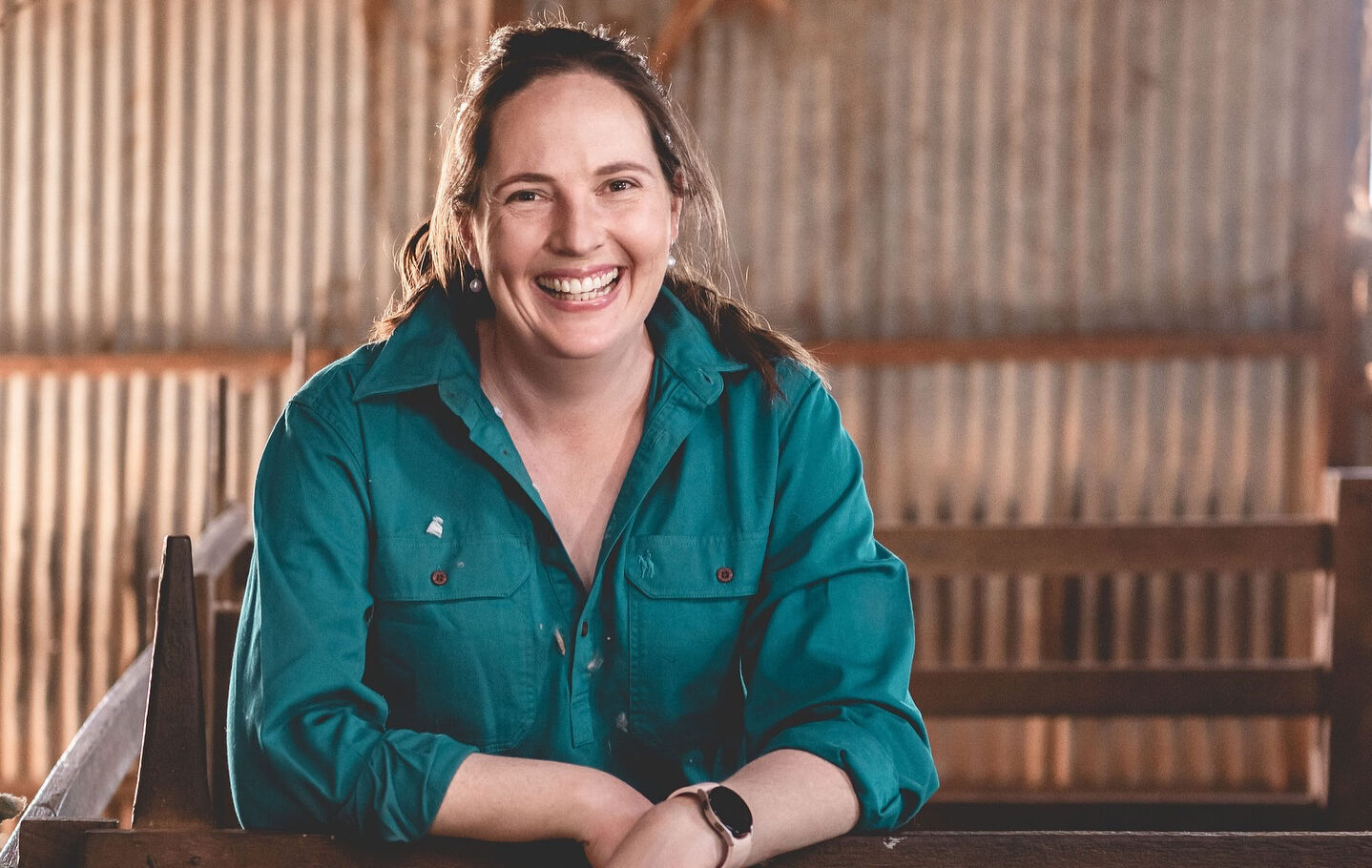
A farmer, mother-of-three and psychologist, Steph Schmidt understands what it’s like to be deep in the trenches.

