










PHOTOGRAPHY CLANCY PAINE
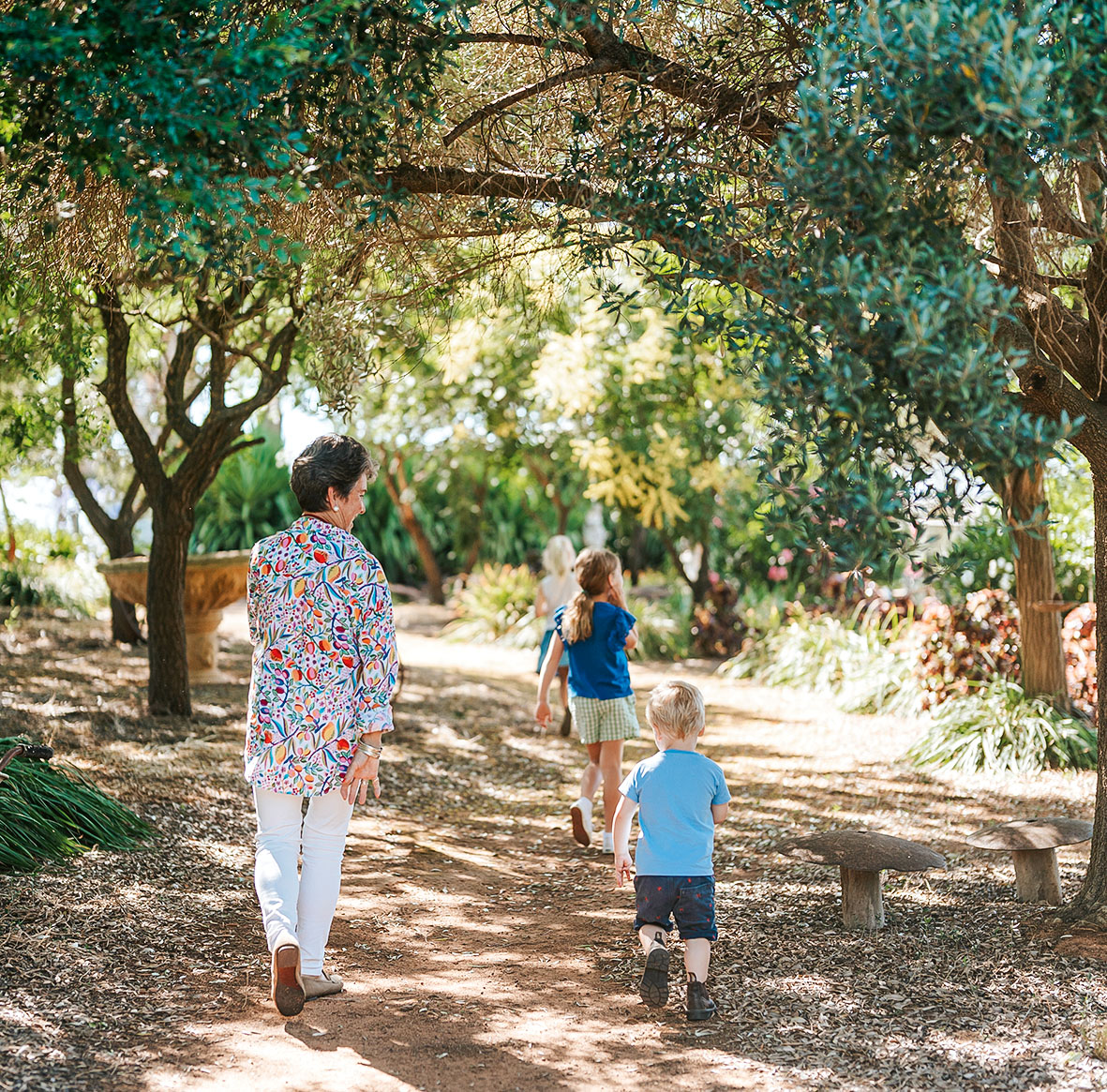
Trees in the garden help define space as well as creating microclimates to protect other plants.
Sign up to our mailing list for the best stories delivered to your inbox.
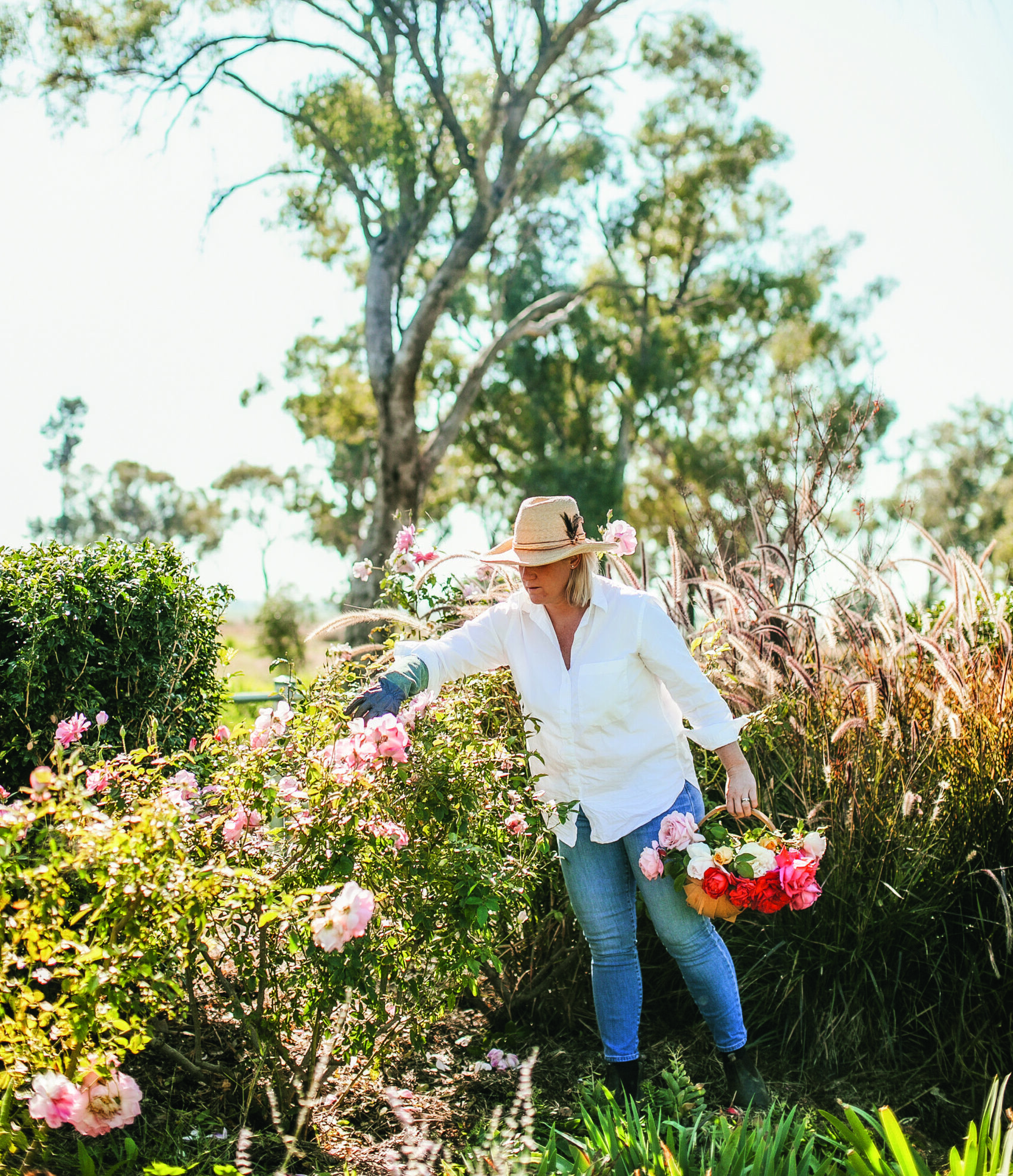
Trees are often the unsung heroes of the garden, providing structure and shade, writes Claire Austin.
WORDS CLAIRE AUSTIN
AS THE AGE-OLD saying goes, the best time to plant a tree was 20 years ago; the second best time is now. Trees are the foundation of a garden: they provide shade and protection, screening, definition and allow the establishment of microclimates beneath their branches.
A good friend of mine has recently purchased her forever home and she has a new-found interest in gardening. The house came with an established garden, including some impressive Chinese elms and a stunning bottle tree. She has been so excited to get stuck into the gardening and has made changes to make the space feel more welcoming. Plants have been transplanted to help them thrive with more sun and water. She has also removed some trees that needed to go, but she is in awe of the way her signature trees transform and shape the garden; she says no matter what plants are in the garden bed, trees will always outshine them.
Trees create a lush feeling and help the garden look established and lived in. They provide structure and height that helps the space feel more natural. In a garden layered with small, medium and large shrubs, trees add the important height that draws your eyes beyond the smaller plantings and into the canopy above. The western perimeter of my garden includes a row of trees, a mixture of natives and deciduous trees, and I love how my eye bounces from the dark trunks of the native ironbark trees to the yellow autumn leaves of the desert ash to the pink flowers of the gum.
The shade and cooling trees provide during late spring, summer and into autumn is an obvious benefit. We have had many alfresco lunches under the shade thrown by our jacaranda and Chinese elm trees. But we often forget that the deciduous trees, after dropping their leaves in late autumn, also allow in the sun and warmth that we seek in winter. In the right spot, these trees allow that area of the garden to be used all year.
PHOTOGRAPHY CLANCY PAINE
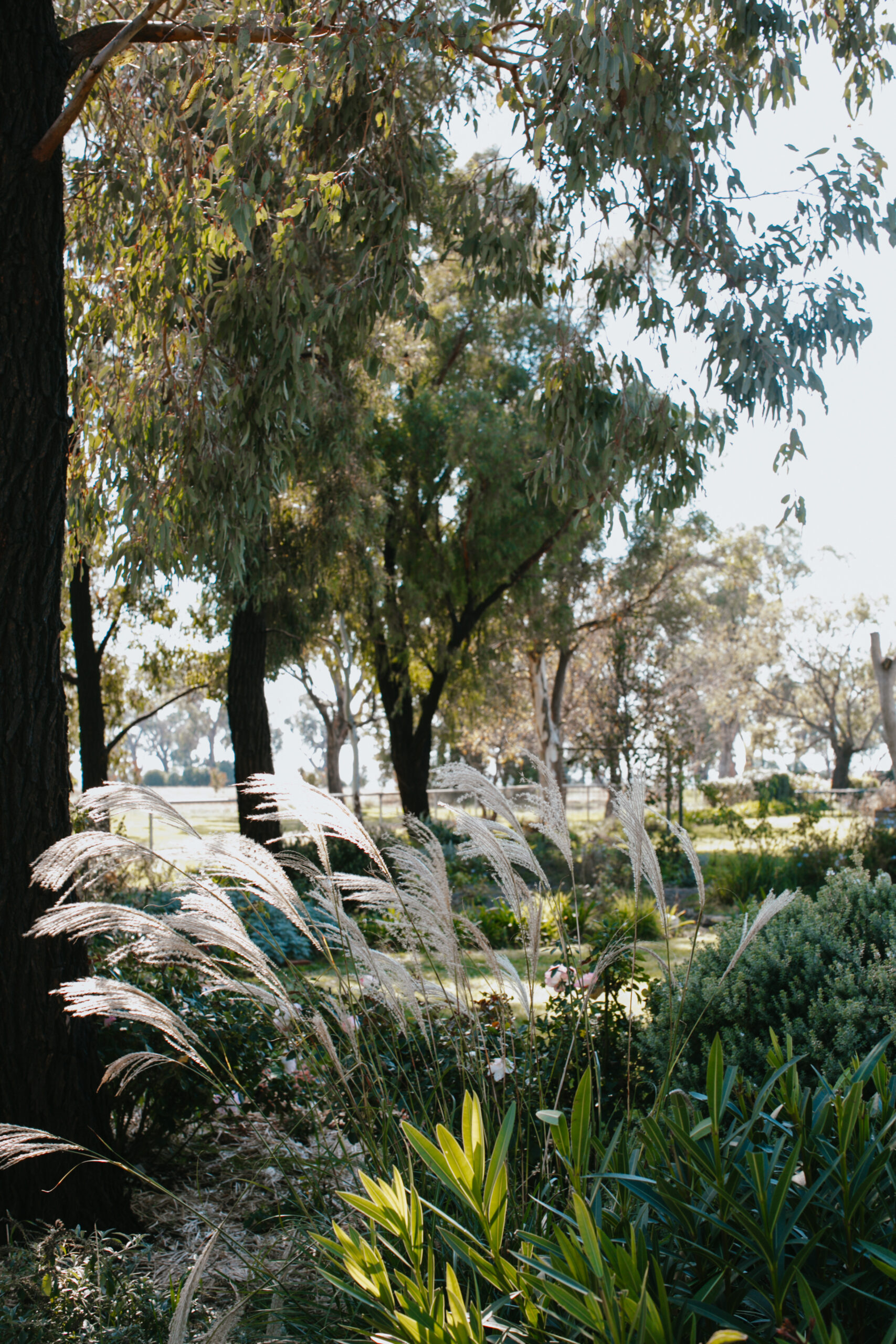
Trees in the garden help define space as well as creating microclimates to protect other plants.
PHOTOGRAPHY CLANCY PAINE
As my golden ash trees drop their leaves in late autumn, it gives a totally different perspective to the garden. Rather than an enclosed feeling, suddenly you can see beyond the garden fence. You can see the water tank perched high on its stand in the distance. In winter, as the sun rises perfectly behind the tank, it catches my eye in the mornings, framed by the bare branches of the trees.
Less obvious is the way trees can subtly define areas and lead you from one space in the garden to another. For centuries, gardeners have used trees to create spaces and rooms. Trees planted in tight rows form walls. This look can be achieved with hardy trees such as lilly pillys, clipped and shaped, which can be used to separate areas such as pools, lawns and vegetable gardens.
A great road-trip stop for the garden lover in southern New South Wales is The Sir George, a pub in the small town of Jugiong. Clever, simple plantings are used to divide and form ‘rooms’ for the playground, dining spaces and the entrance to the accommodation area. I love the way they have used trees to define the outdoor areas; the canopy of Manchurian pear branches overhead forms a roof over the outdoor dining space that feels natural and protective.
When making a garden in a tough climate, trees are important as they help create microclimates. A microclimate is a small area where the environmental conditions, such as shade, temperature and moisture, are different to the surrounds. Trees providing shade, protecting new plants from harsh summer sun and frosts in winter, are invaluable.
If you have been thinking about planting trees, now is the time to do it. Enjoy them as they grow and watch as they change the perspective of your garden.
ORNAMENTAL PEAR
(Pyrus calleryana, Pyrus ussuriensis)
Callery and Manchurian pears have different shapes and add structure to the garden through the seasons.
JACARANDA
Suited to warmer climates, protect from frost when establishing. Purple flowers in late spring.
LEMON-SCENTED GUM
(Corymbia citriodora)
A fast-growing, tall native with a light trunk and a distinct lemon fragrance when leaves are crushed.
RED IRONBARK
(Eucalyptus sideroxylon)
A tall native tree with a distinctive dark trunk. Contrasts beautifully with silver plants.
GOLDEN ASH
(Fraxinus excelsior ‘Aurea’)
A deciduous tree with leaves that are light green in summer and turn golden in autumn. Gives a lush feel to the garden.
FRUIT TREES
Add a productive element to the garden with an evergreen citrus tree or deciduous apricot or plum.
CHINESE ELM
(Ulmus parvifolia)
A fast-growing deciduous tree, suitable for a harsh climate. Weeping-style growth, with a lovely green summer foliage.
Claire Austin runs the Gin Gin Garden Club, an online community. Follow her on Instagram @gingingardenclub. Visit graziher.com.au for more gardening advice and stories.

Fill hungry bellies with Jane Smith's caramel shortbread slice, flourless orange muffins, apple and berry pudding, and campfire hot chocolate.
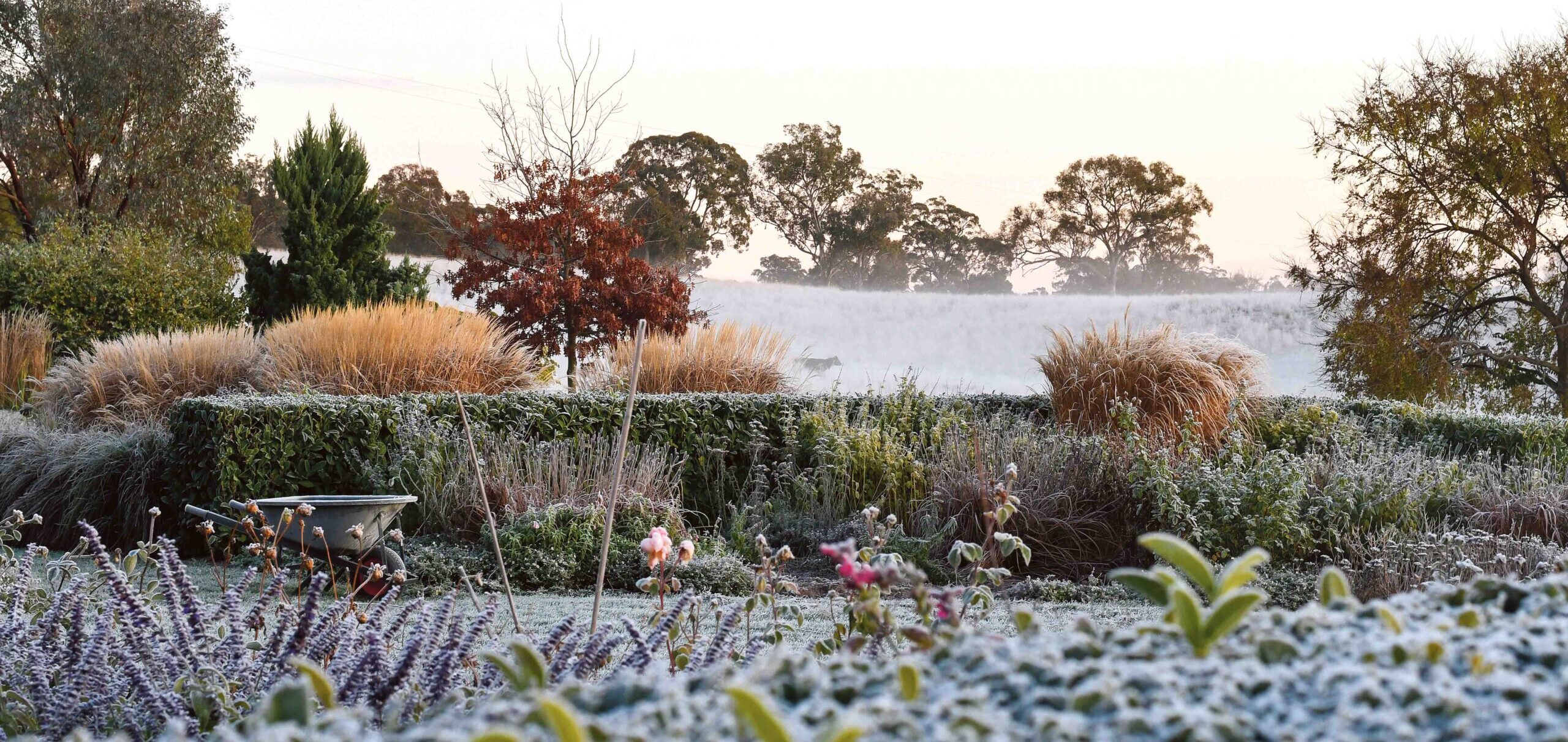
Colleen Southwell finds comfort in the small surprises of a winter garden.
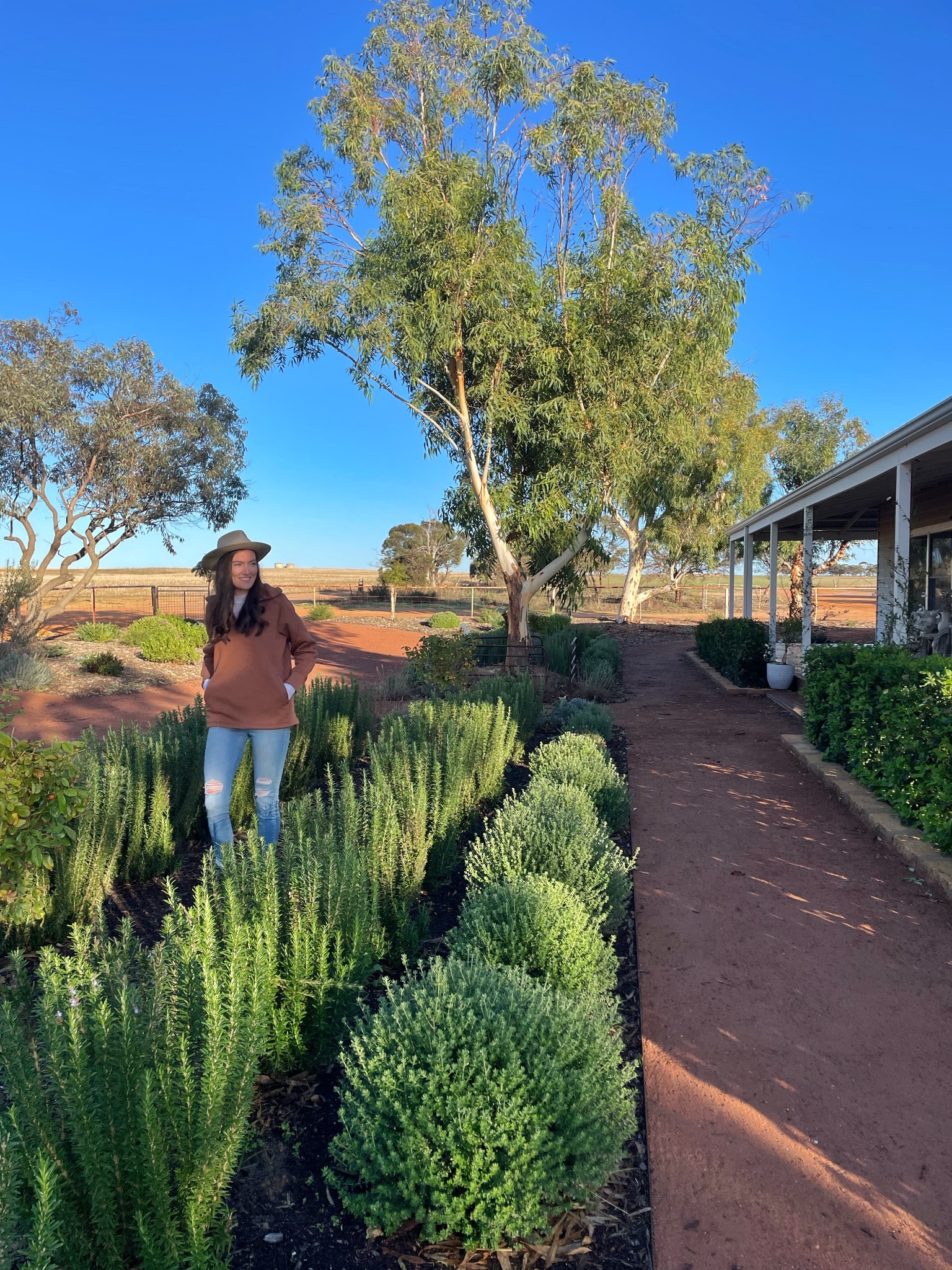
First step: make a plan and focus on one or two projects at a time.
Trees are often the unsung heroes of the garden, providing structure and shade, writes Claire Austin.
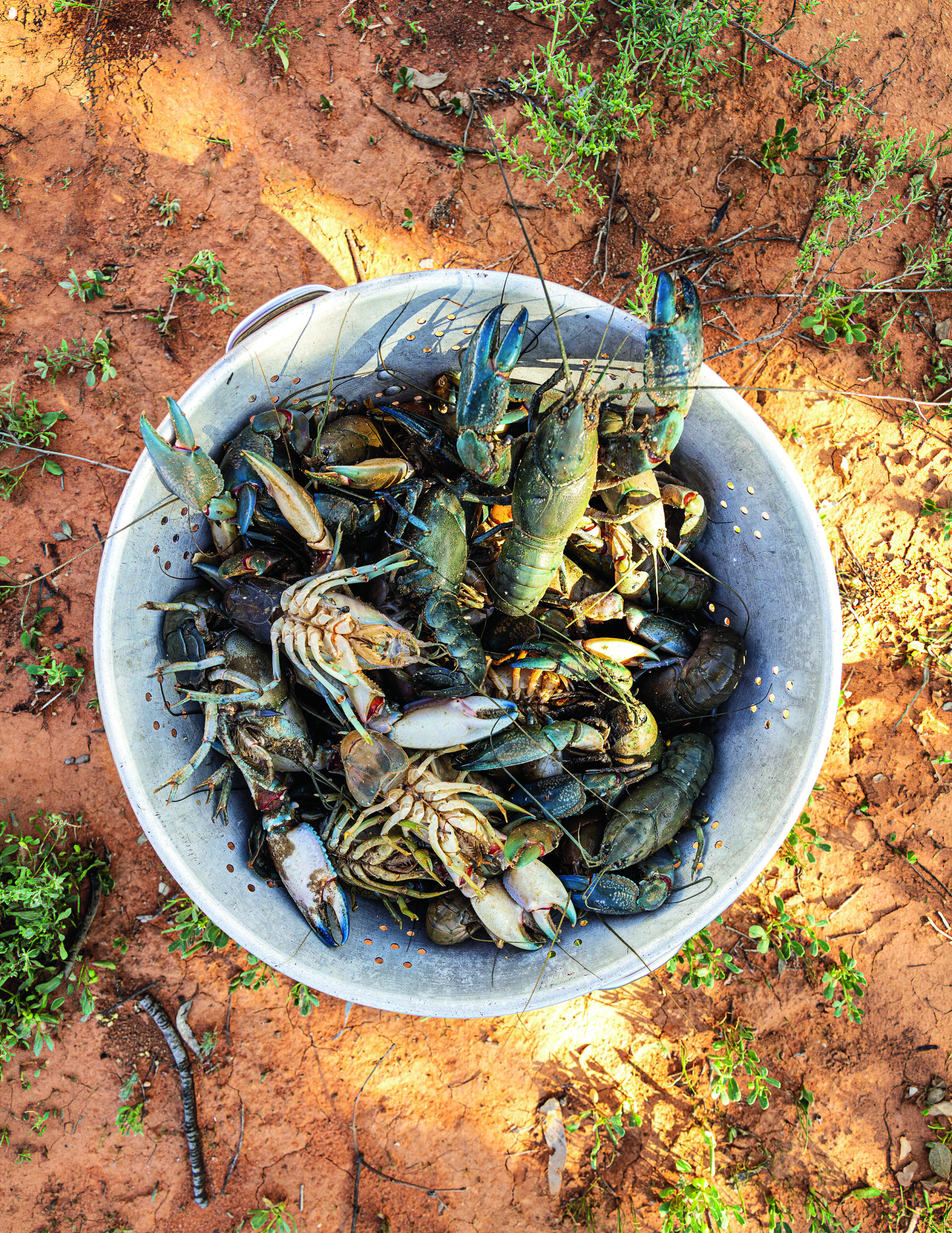
The Shady Baker relishes island life and simple food after floods bring much-needed water to her outback home.
The Shady Baker relishes island life and simple food after floods bring much-needed water to her outback home.
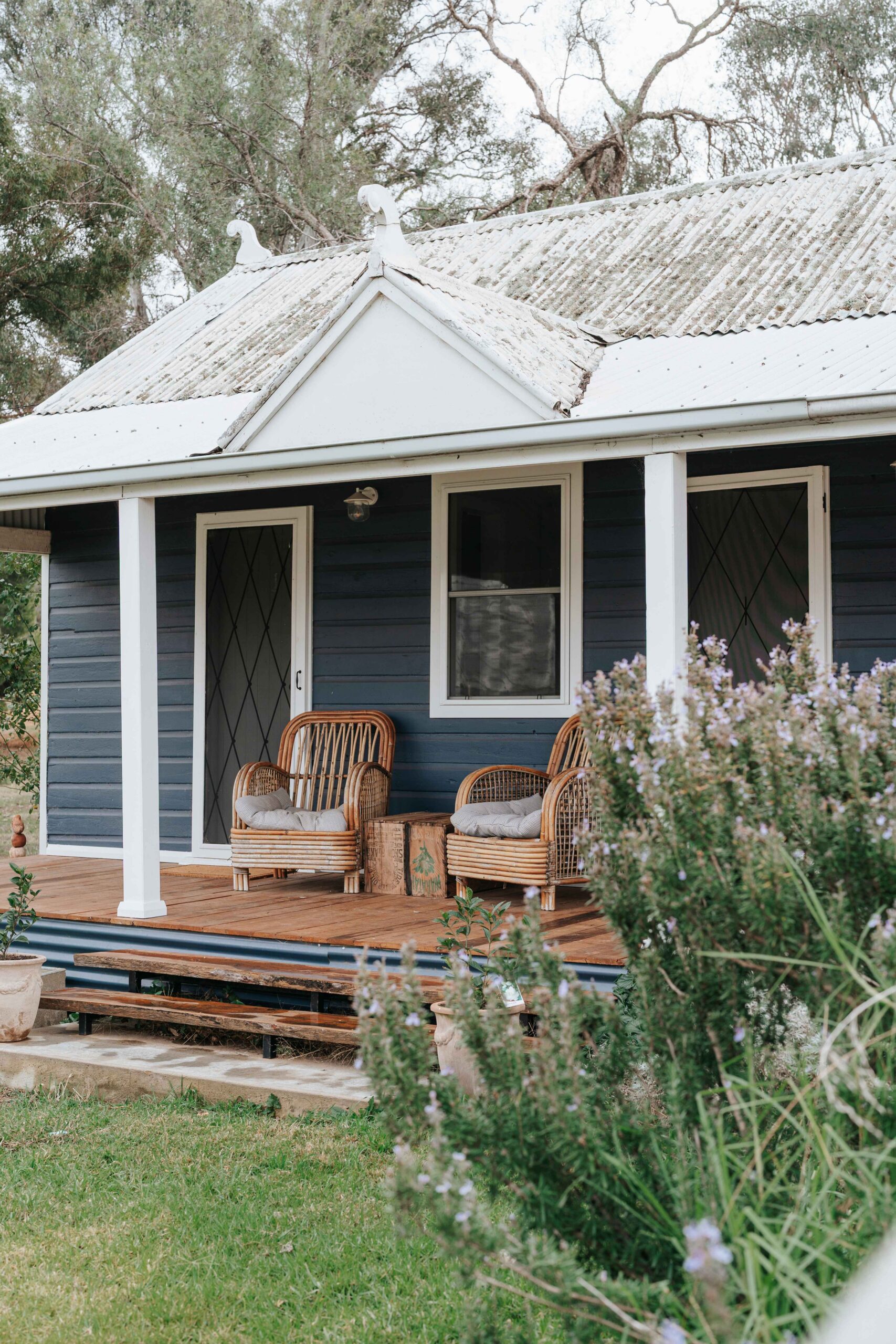
A weatherboard cabin in Alexandra MacAlpine’s garden becomes a guest cottage, thanks to the imagination of her sister-in-law.
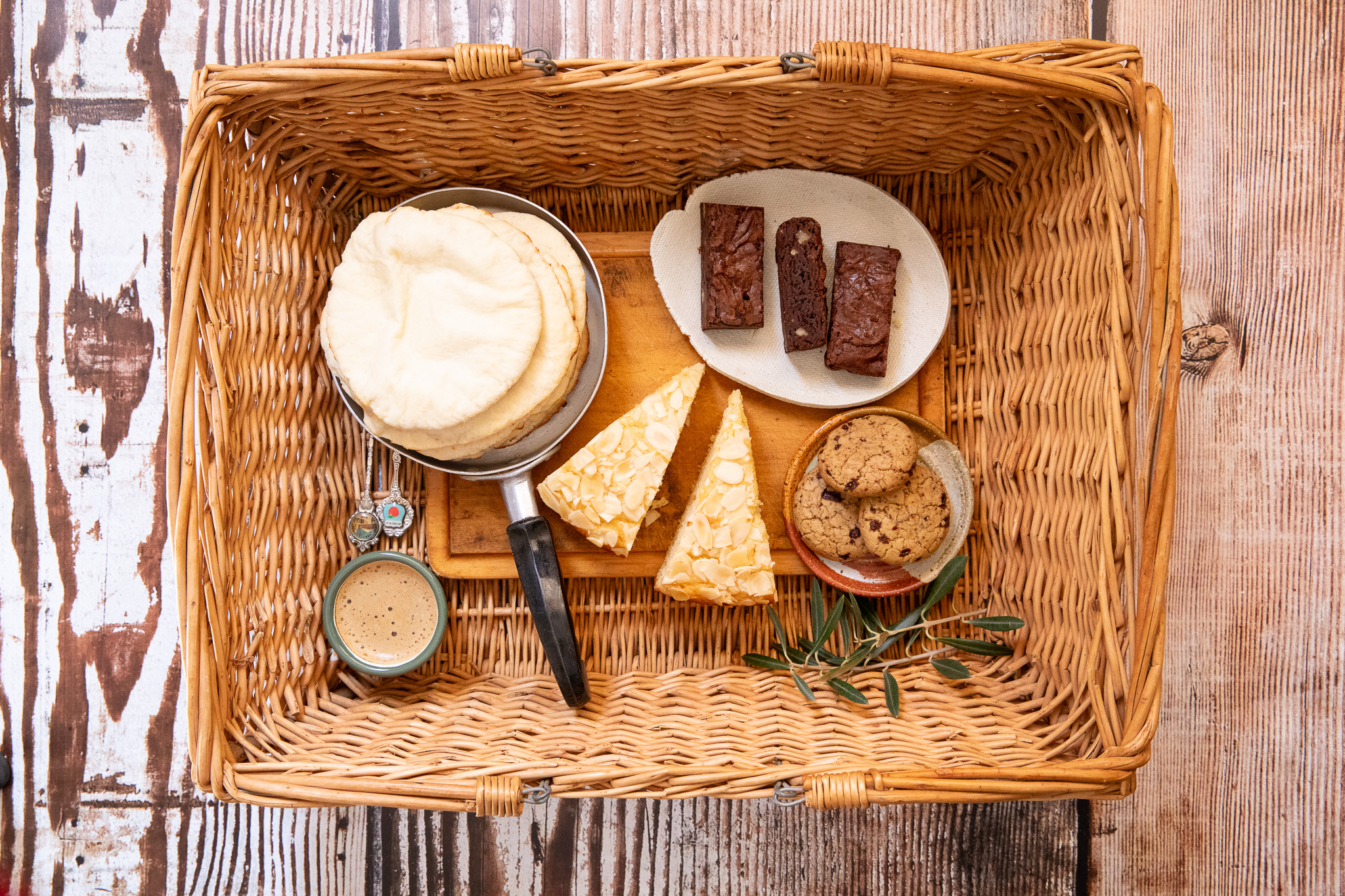
The annual olive harvest inspires Jane Smith to share recipes that showcase the tangy flavour of freshly pressed oil.

