






PHOTOGRAPHY EMMA CULLEN
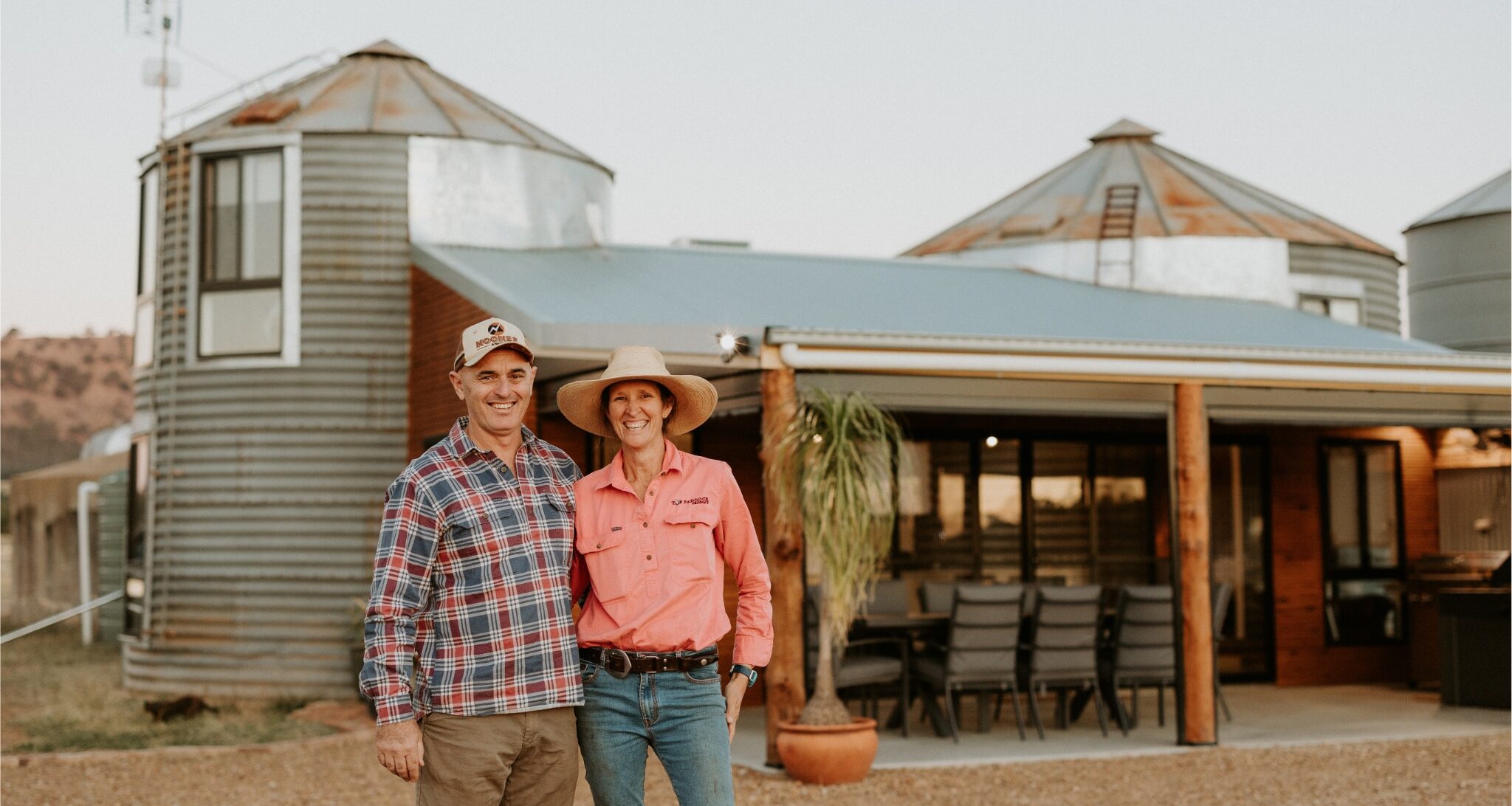
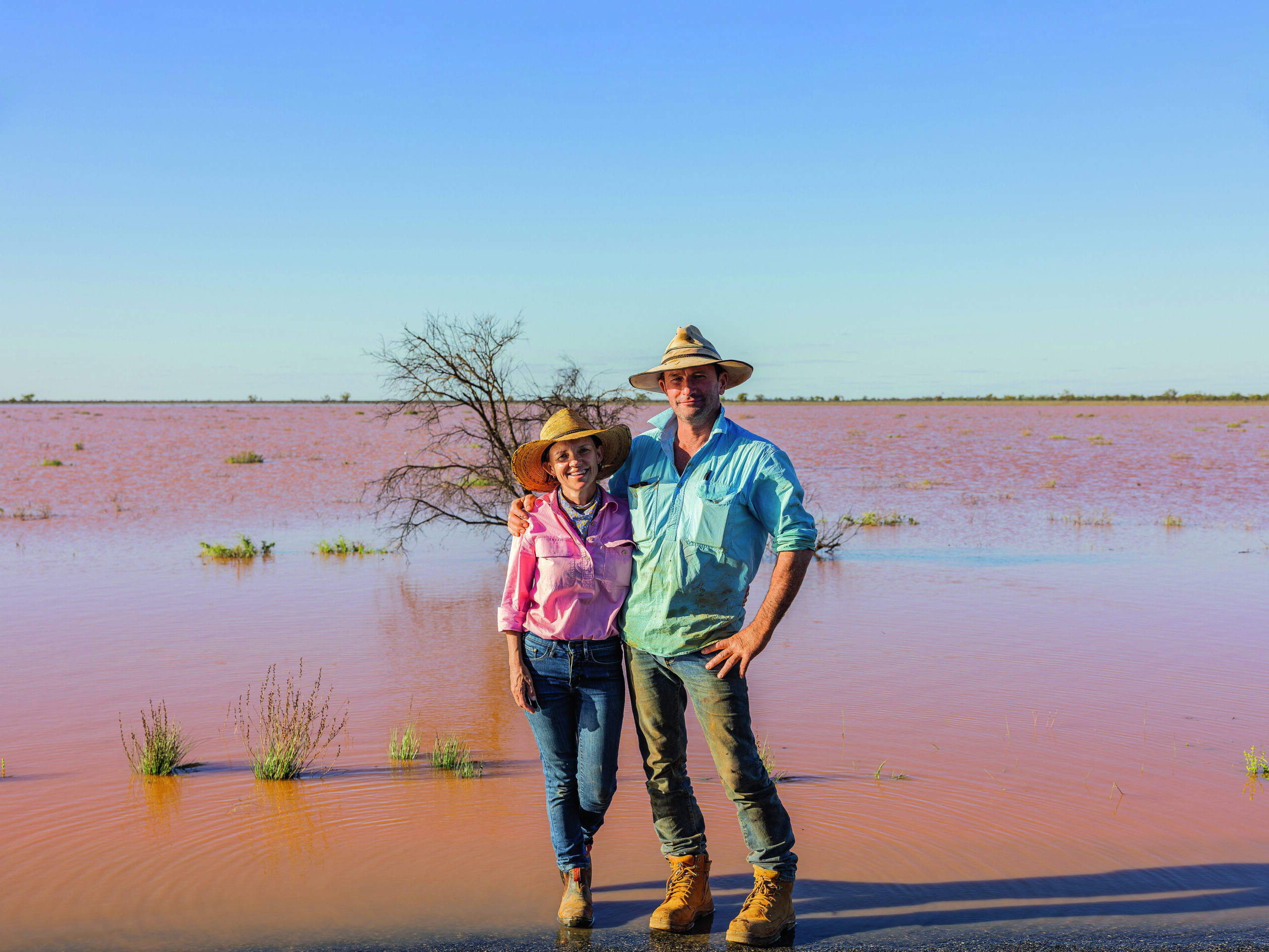
Jane and Terry Smith stand on the flooded Menindee to Broken Hill road.
Sign up to our mailing list for the best stories delivered to your inbox.
The Shady Baker relishes island life and simple food after floods bring much-needed water to her outback home.
Words and photography Jane Smith
PHOTOGRAPHY EMMA CULLEN
Jane and Terry Smith stand on the flooded Menindee to Broken Hill road.
PHOTOGRAPHY JANE SMITH
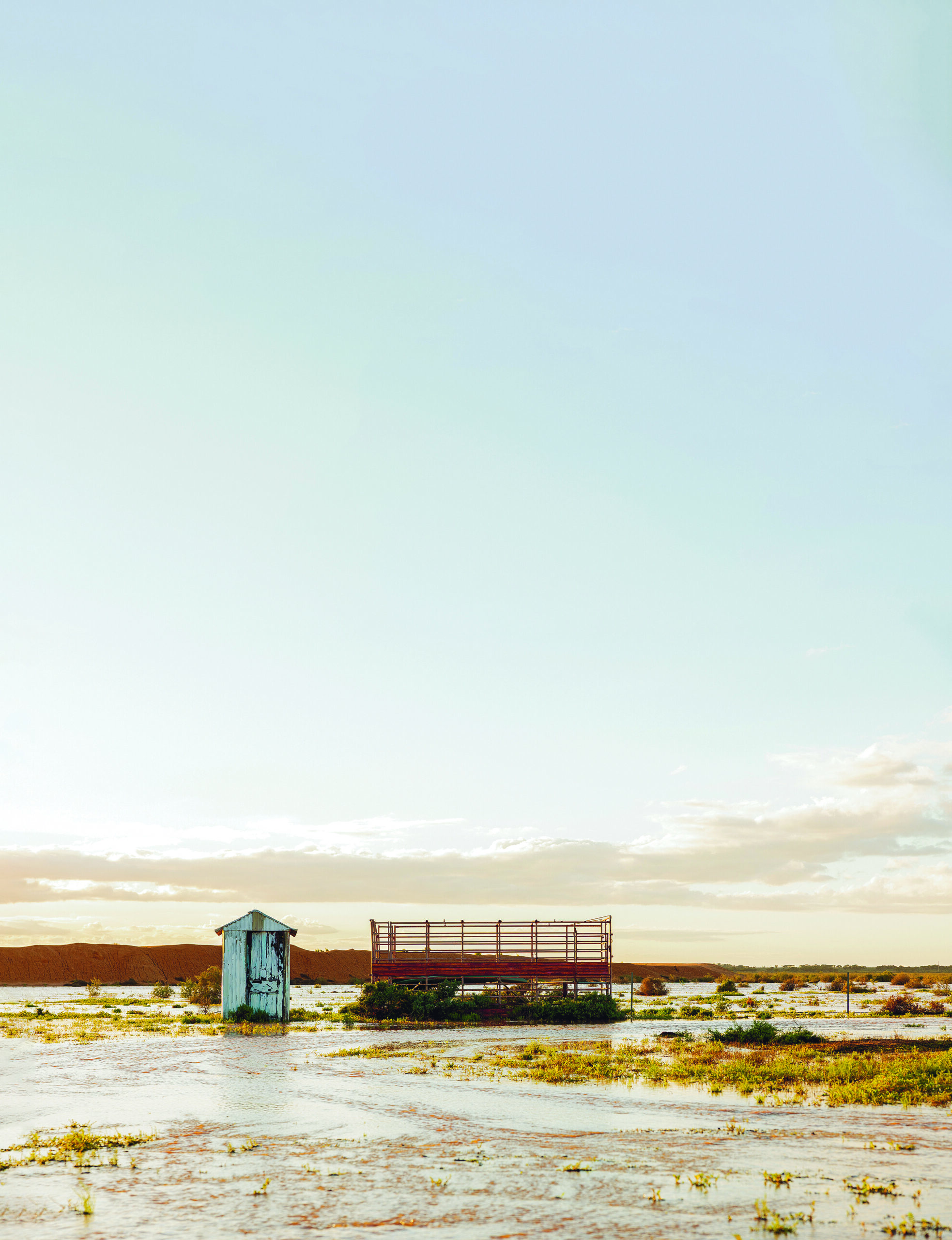
Views across flooded paddocks.
IT STARTED AS AN underwhelming trickle of murky water that silently slipped under our boundary fence, just as the sun was setting in late February. We had heard reports of substantial rain to the north, but we had not yet received any considerable falls. In the morning we were still waiting for rain, but Yancowinna Creek — normally a dry sandy creek bed — had overnight transformed our landscape into an oasis ,gurgling and bubbling with red muddy water and foam.
We moved our vehicles away from the house to the higher ground, knowing from experience that rising creek water can cut access to our driveway, so having the vehicles on the other side of the water is a safer option. In the following days water filled up our dams, spilled over into the paddocks, engulfed our driveway and eventually gushed right over the bitumen on the Menindee to Broken Hill road. The water crossing the bitumen road is a rare occurrence that we have witnessed only once before, in 2010.
The Yancowinna Creek begins its trajectory 90 kilometres north of our property on Mount Gipps and Yalcowinna stations. Following heavy rain, the water quickly gathers momentum as it runs down the rocky Barrier Ranges then continues its winding course to the south. Depending on local conditions, sometimes the water makes it to our property, though it often peters out before reaching us. This time there was plenty of water on the way.
When the creek is running and our house dam is full, our homestead becomes an island. The water surrounds us but does not threaten any buildings. With our access road inundated, movements in and out are limited. Only essential items can be strapped to the front of the four-wheel motorbike to cross the waterlogged route; this crossing is not the time for fancy footwear, white linen or delicate parcels.
In 2010 our road remained underwater for over a month, which resulted in us ferrying young children, groceries and essentials back and forth through the floodwater until the levels dropped and we could gain vehicle entry again. On the days when the dust is blowing and the water is long gone these memories seem almost surreal.
Moisture transforms the landscape quickly. Tiny frogs appear on the kitchen window; I can see the bubbling creek from the Hills hoist; wild ducks fly overhead; and the sound of running water makes a noticeable change to our usual soundscape. The insects and birds respond immediately and the atmosphere feels unusually humid.
Over the years we have become accustomed to dealing with this influx. There is a certain magic to being on our own little island, if only for a few days. When our children were younger, dusty canoes would be unearthed from the sheds and playing around the water made some of our fondest memories.
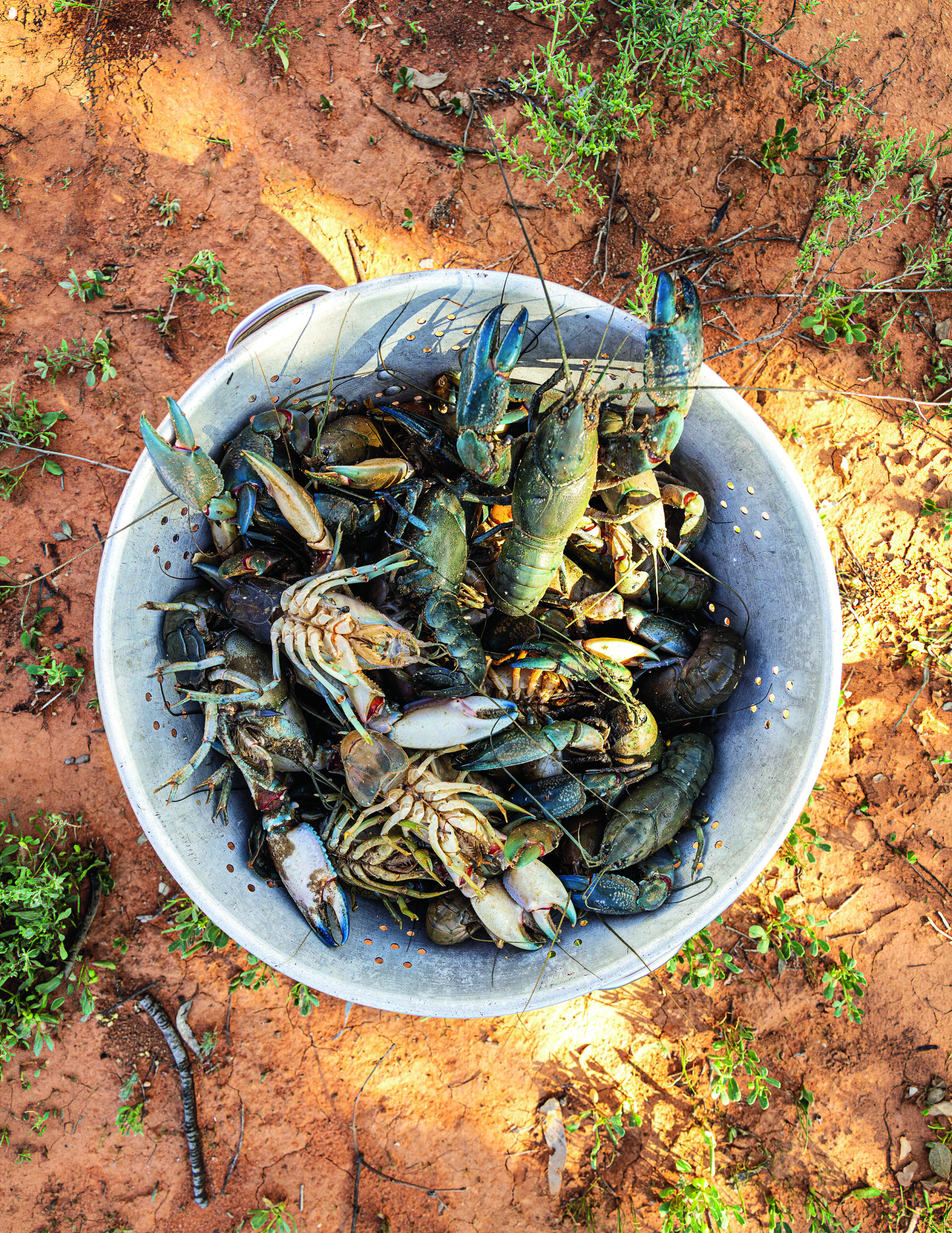
One of the first things we do is go yabbying. Yabbies are tough little creatures that can survive through dry conditions by burrowing into the mud, but they thrive in fresh water.
We only catch as many as we can eat in one sitting and enjoy them simply boiled in generously salted water. Catching and eating yabbies is a weekend activity when everyone has a bit of extra time to enjoy the tradition of sitting around the boiler with a cold beer, eating the sweet meat while it is still warm. The only condiment we serve with yabbies is white vinegar.
My pantry, coolroom and freezers are always well stocked, as it takes an hour to reach our local shops even under normal circumstances. With the creek running and road access limited it is even more important to be prepared. We are fortunate to always have homegrown lamb to eat; my chooks are safely positioned away from the water and keep us in fresh eggs; I have a seasonal supply of fresh vegetables to harvest; I can easily make a batch of bread if necessary; and we produce our own olive oil that we have stored in bulk.
Having a stockpile of pantry basics is essential for peace of mind: tinned vegetables, rice, pasta, flour, tea and coffee and baking ingredients such as sugar, butter and dried fruit. With food provisions taken care of, I can focus on dealing with the changing conditions and simply enjoy the water rather than worry about dwindling supplies.
The recipes I’m sharing here can mostly be made with pantry basics and are useful if you find yourself on an outback island, or if you just need to make something simple
PHOTOGRAPHY JANE SMITH
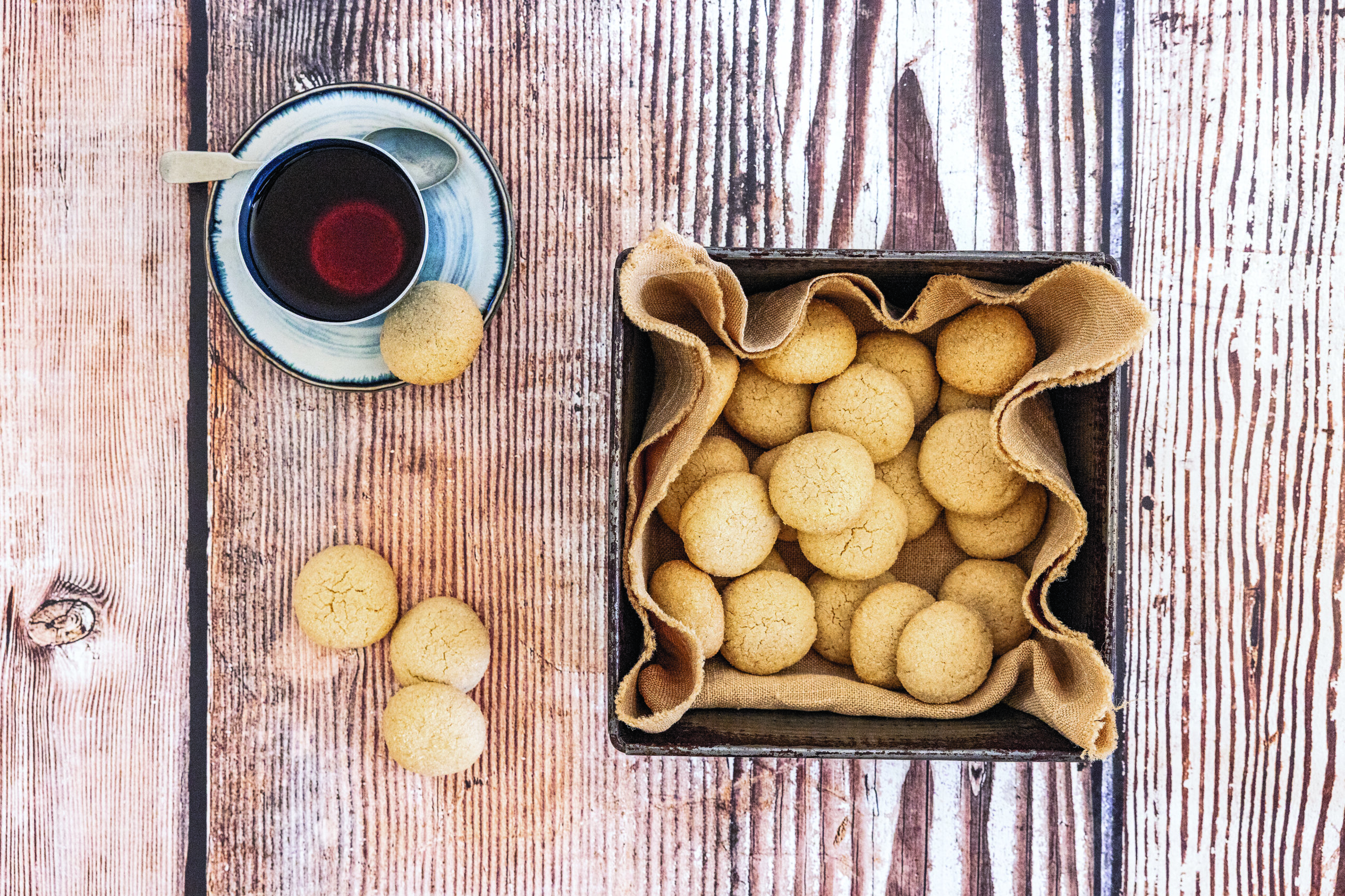
Cinnamon biscuits
These biscuits are quick to make and perfect to dunk in a cup of tea or coffee.
Makes around 20 biscuits
Ingredients:
160g butter, softened to room temperature
2/3 cup (150g) caster sugar, plus 3/4 (55g) extra for rolling
1 teaspoon vanilla bean paste
2 egg yolks
1 2/3 cup (250g) plain flour
1 teaspoon, cinnamon ground
Pinch of salt
Method:

The whole family will enjoy this moist and moreish chocolate cake.
PHOTOGRAPHY JANE SMITH
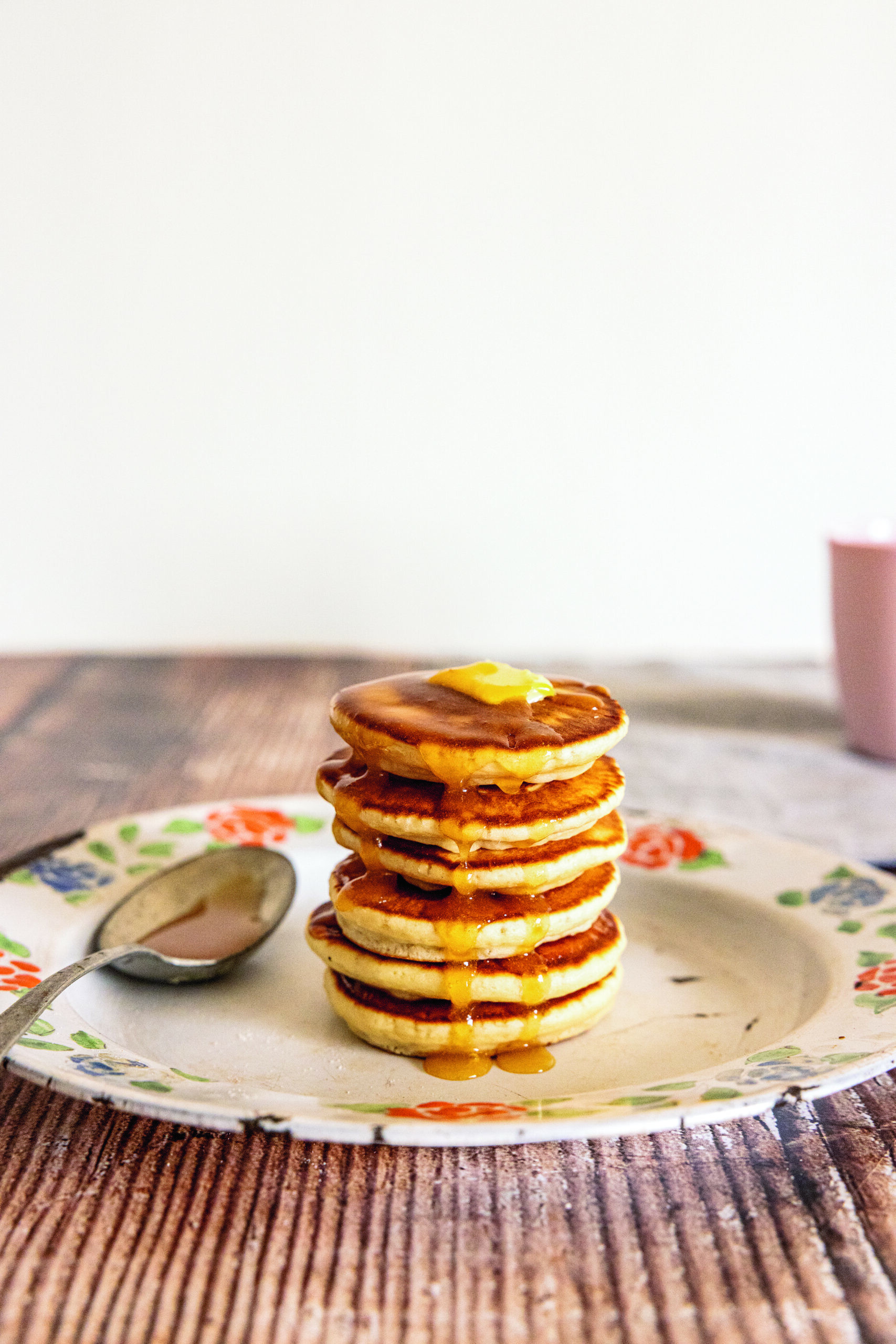
Pikelets (drop scones)
I have childhood memories of making pikelets on an open fire in the paddock with my brother and cousins. They always popular for morning smoko.
Makes 20
Ingredients:
1 cup (150g) self-raising flour
1 egg
1 tablespoon caster sugar
1 tablespoon runny golden syrup
Pinch of salt
1/2 cup (125ml) milk
1 tablespoon of butter for cooking
Cream, jam or other toppings for serving
Method:

This recipe makes 21 bars with just a few pantry ingredients.
PHOTOGRAPHY JANE SMITH
Yabbies are abundant after the flood.
Yabbies are a freshwater crayfish native to Australia. They can be found in creeks, dams, rivers and lakes and tend to be more active in the warmer months.
Many different baits can be used including lamb offcuts, beef bones or kangaroo meat. Secure the bait in a yabby net (you can find these at fishing supply stores) and leave it submerged and tethered in the water for several hours or overnight. When you check the nets, drop any eating-sized yabbies into a bucket or large container and put small yabbies back into the water for breeding.
Yabbies can live for a short time out of the water but will suffocate in a water-filled container unless the water is aerated. Make sure the storage container has just enough water to keep them damp and cool but not submerged. The most humane way to store yabbies prior to cooking is in a cool room, fridge or an esky with ice. Chilling slows down their nervous system.
COOKING YABBIES
Every family has their own way of catching and cooking yabbies and the method is usually passed down through generations. It is considered bad taste to question another family’s process, particularly if you have been invited to join them at their campfire.
Salt, approximately 1 cup to every 10 litres of water
Freshly caught live yabbies, whole
White vinegar, to serve
This recipe makes 21 bars with just a few pantry ingredients.
The Shady Baker relishes island life and simple food after floods bring much-needed water to her outback home.
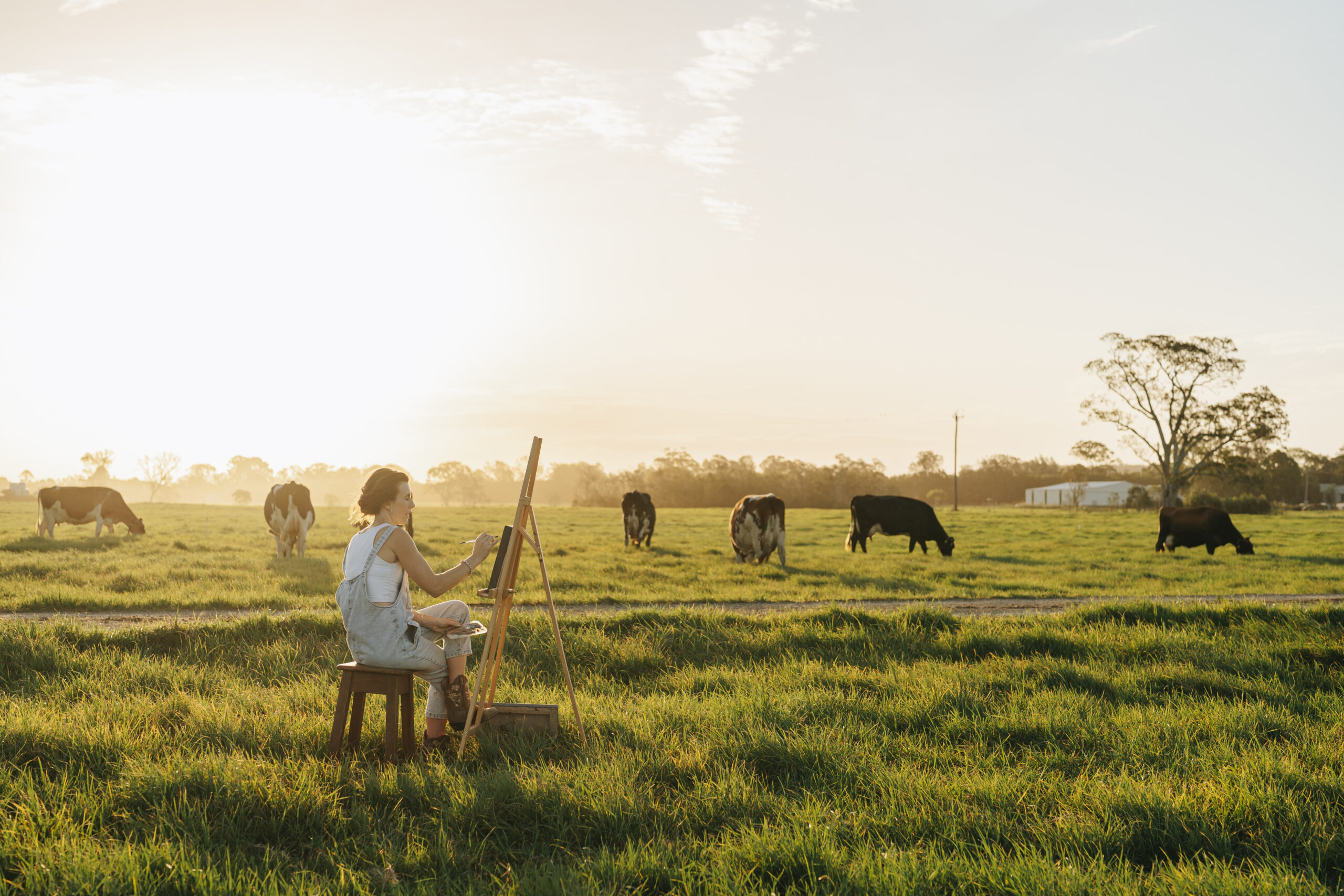
A dairy farmer proves that out of tough times can come beautiful things.
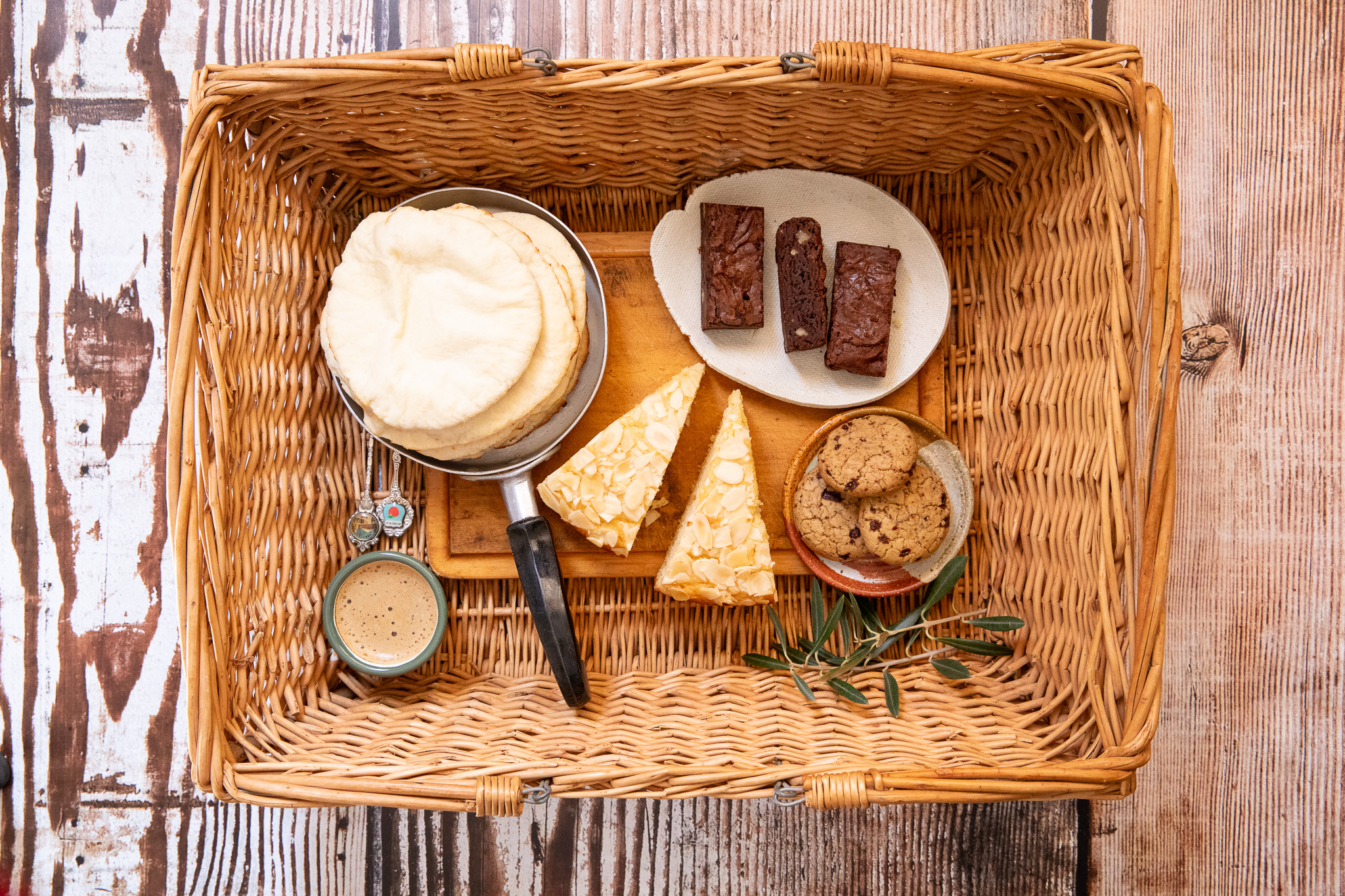
The annual olive harvest inspires Jane Smith to share recipes that showcase the tangy flavour of freshly pressed oil.
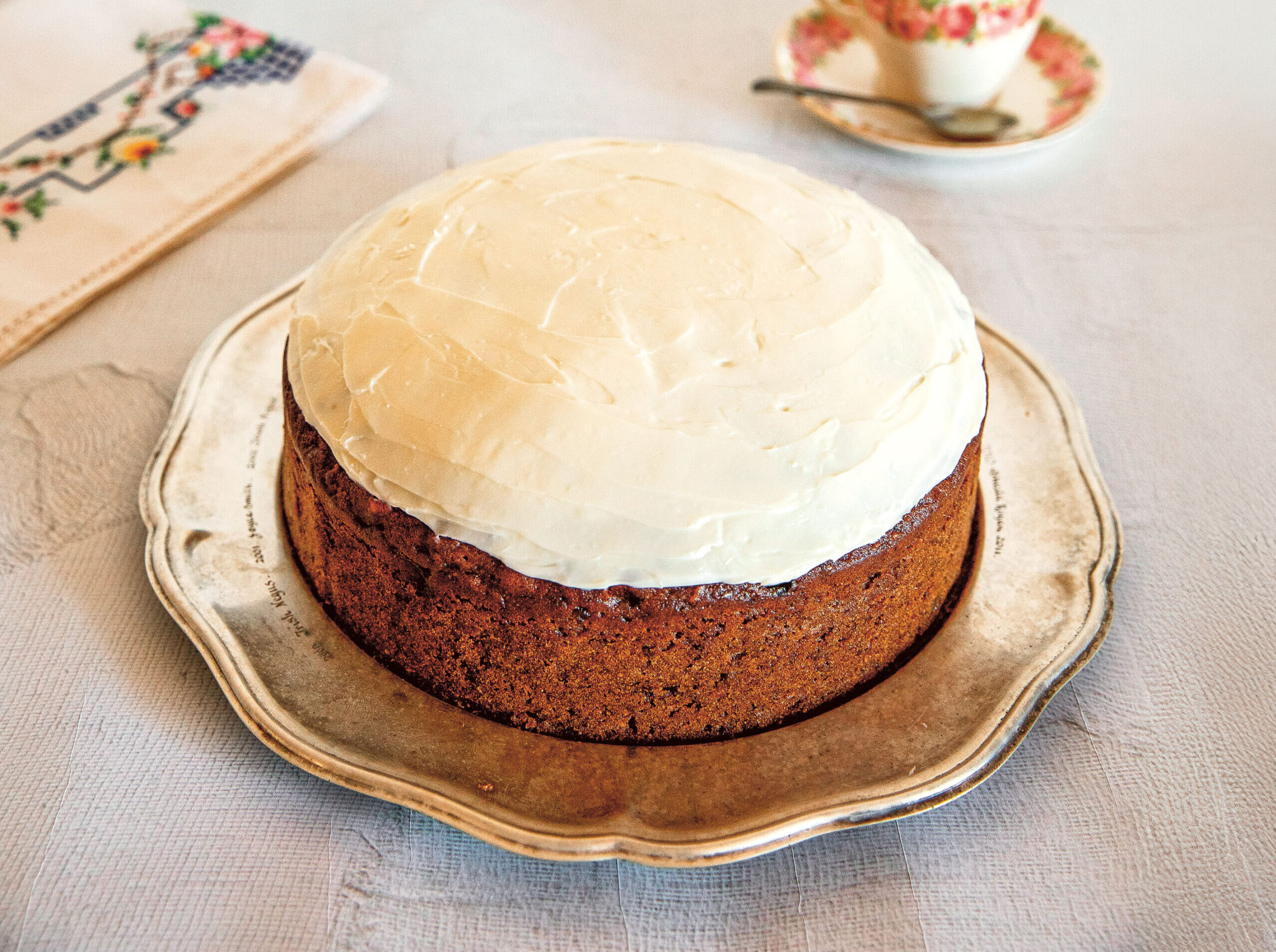
She shares her baking tips with Jane Smith, plus recipes for “radio” biscuits, berry jam and honey joys.
A country show veteran and CWA president, Amanda Colwell knows what it takes to bring home the champion rosette.

