

PHOTOGRAPHY ALYSHA SPARKS
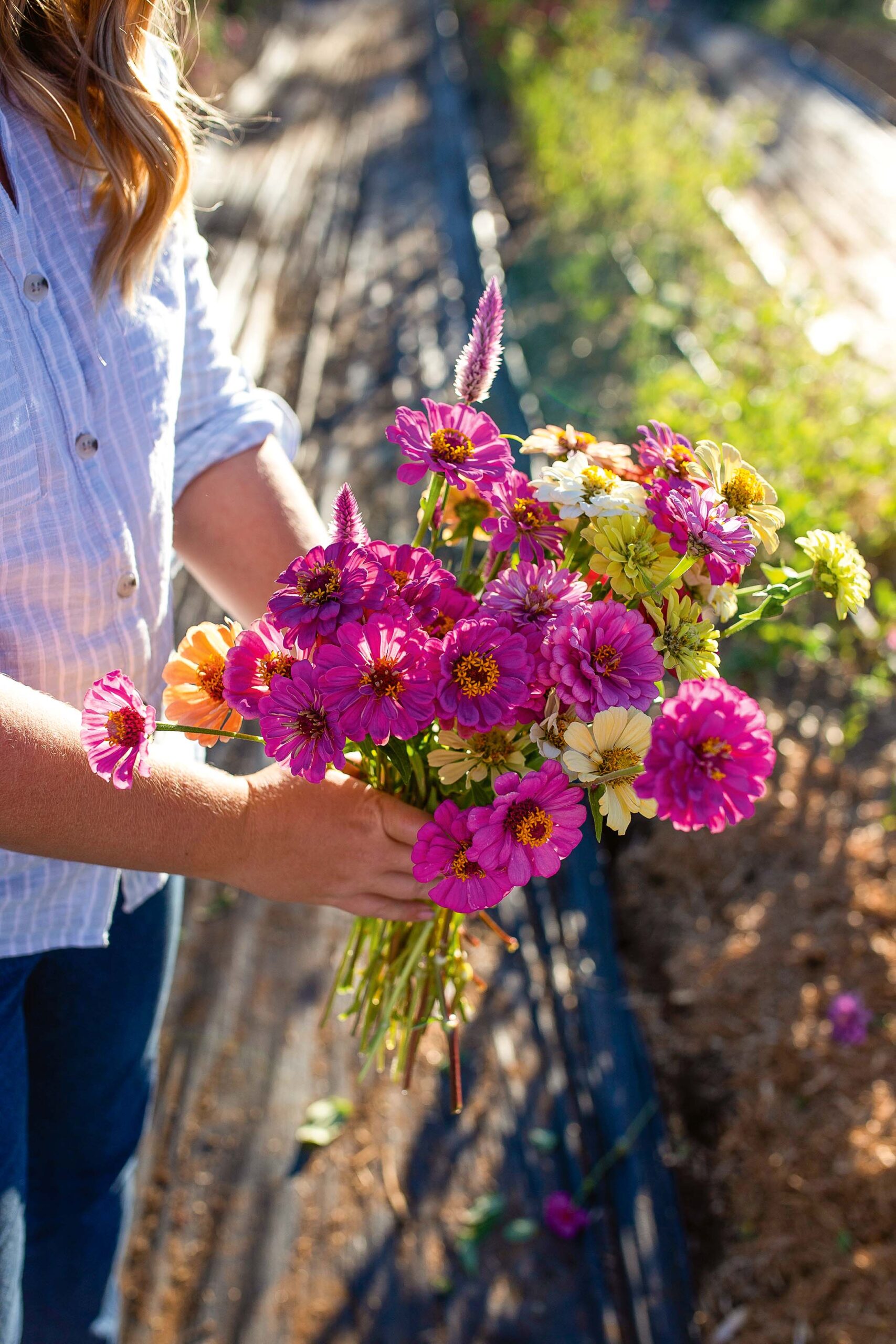
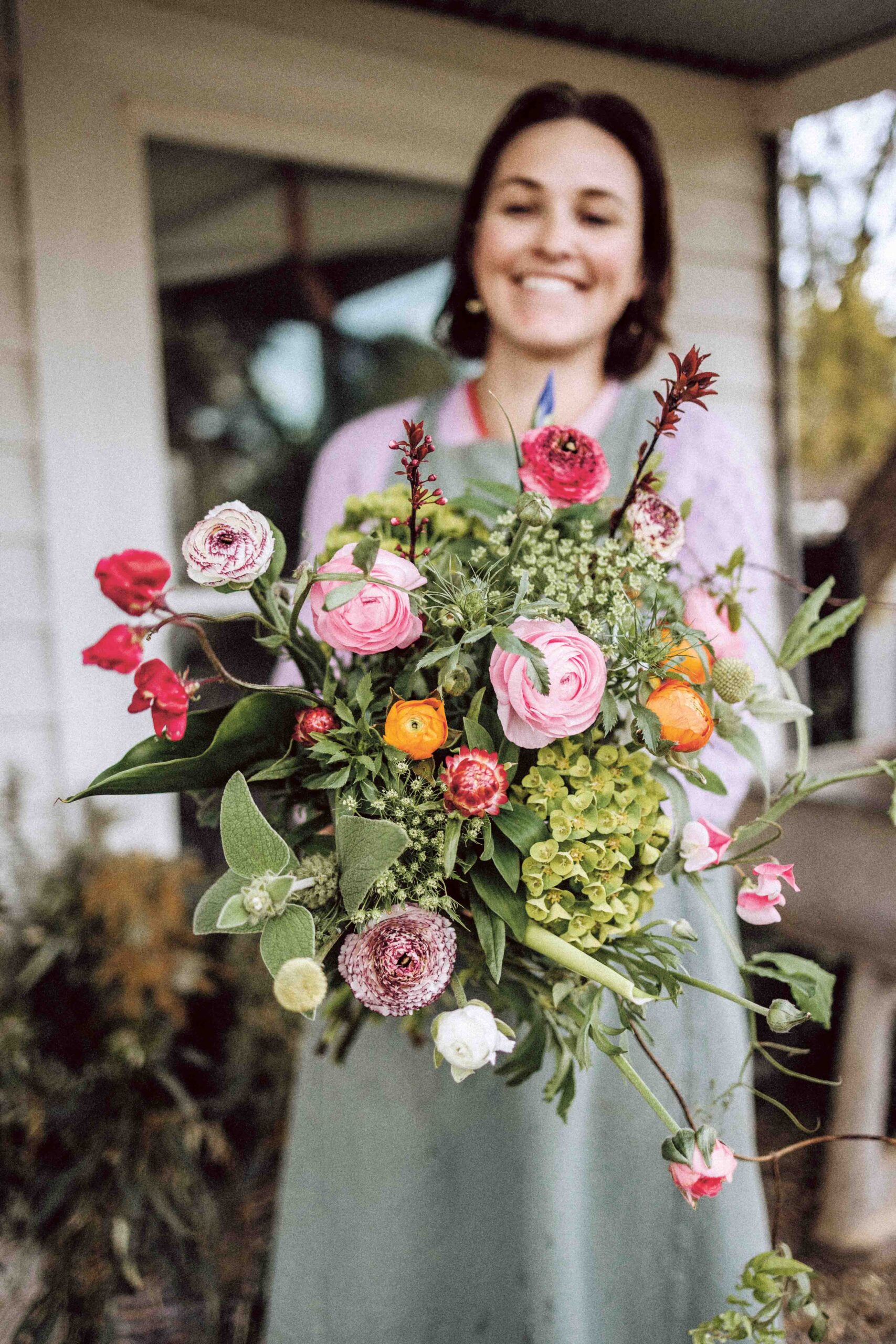
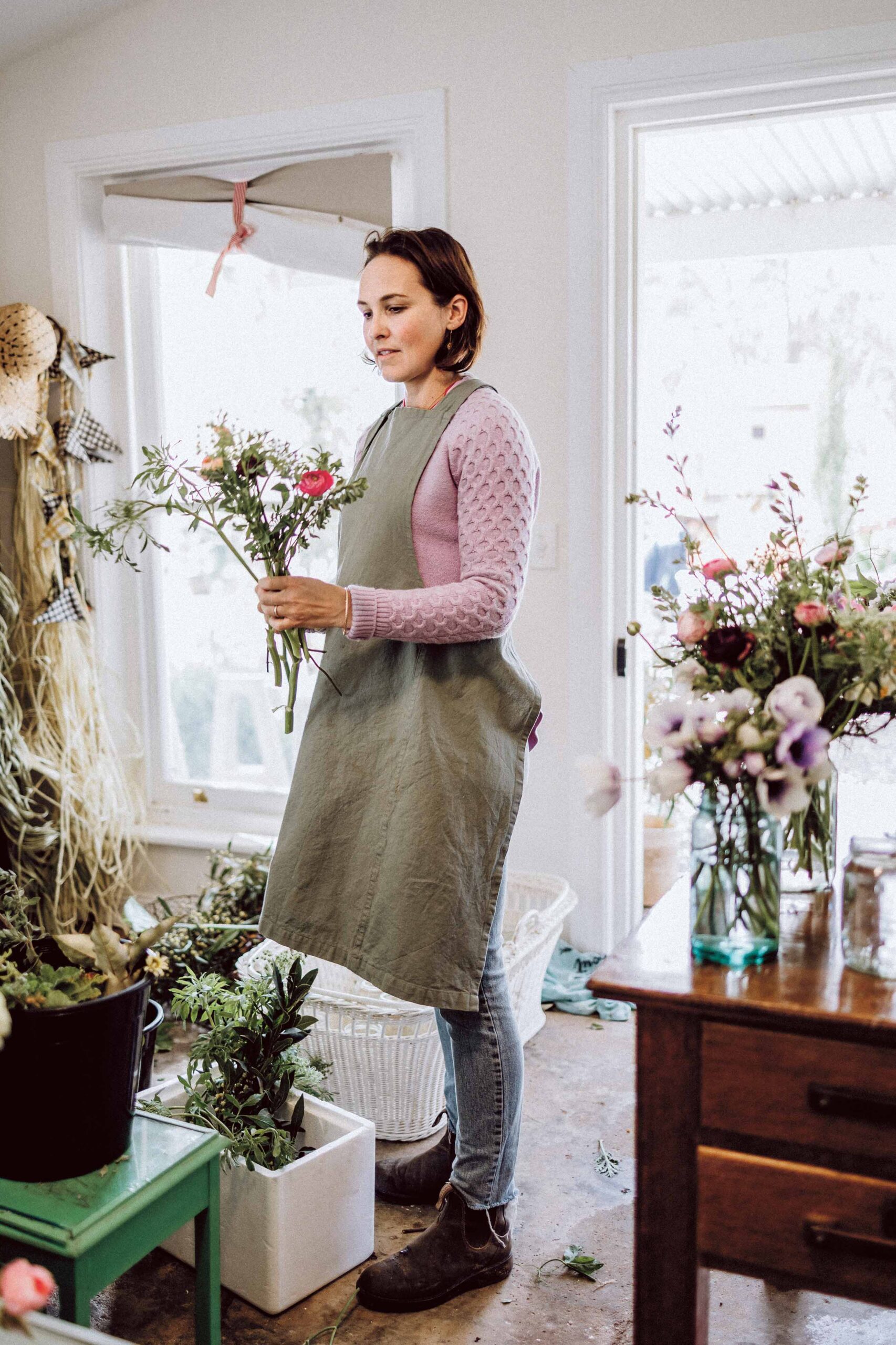
Mel Hammat with a spring mix from Bundaleer Flower Farm, including billy buttons, phlomis, ranunculi, euphorbia, sweet peas, false Queen Anne’s lace, arum lilies and Prunus cerasifera buds.
Sign up to our mailing list for the best stories delivered to your inbox.
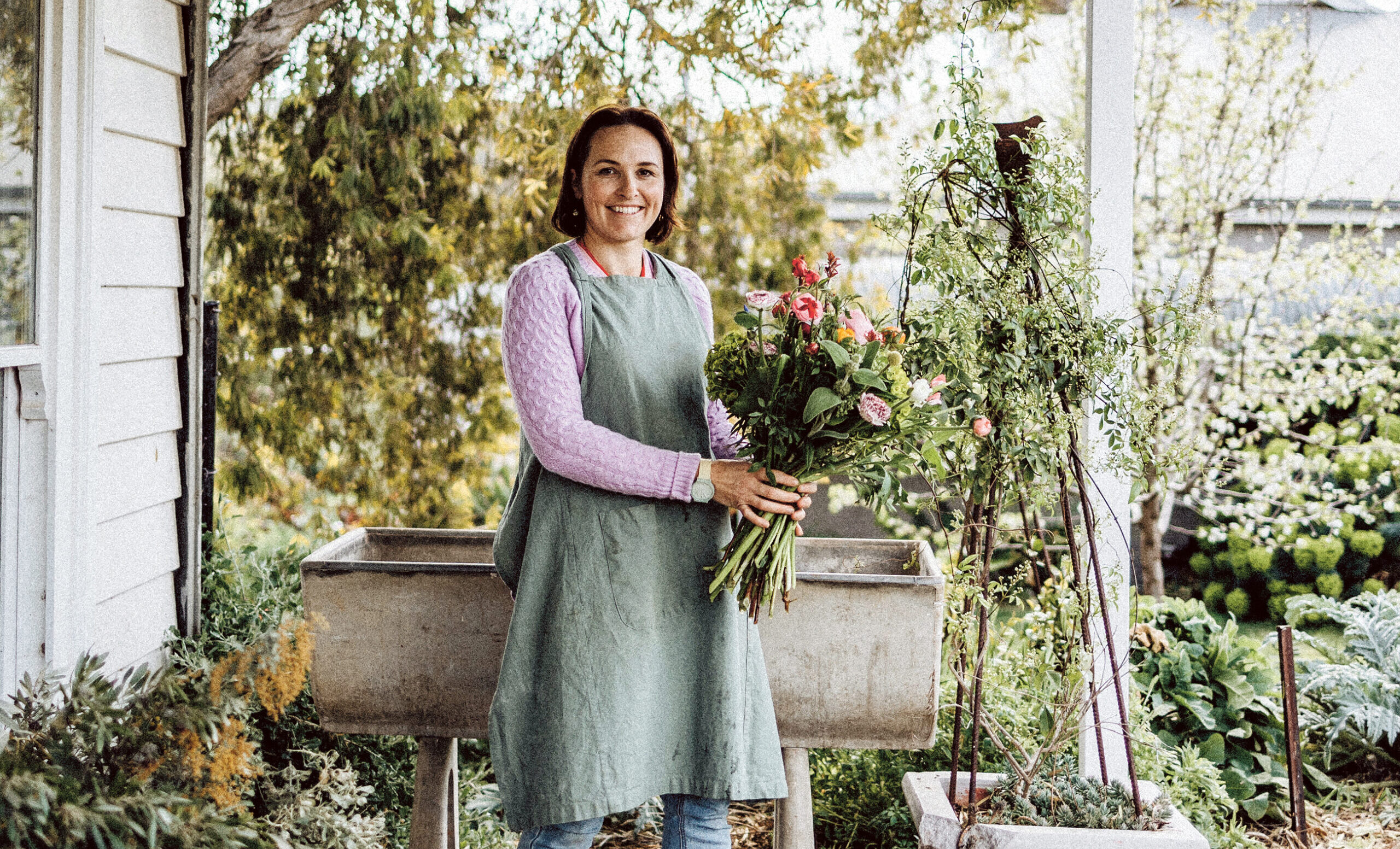
Mel Hammat runs an unlikely floristry business on the family’s sheep and cereal crop property, Baderloo.
Words Amanda Ducker Photography Alysha Sparks
PHOTOGRAPHY ALYSHA SPARKS
Mel Hammat with a spring mix from Bundaleer Flower Farm, including billy buttons, phlomis, ranunculi, euphorbia, sweet peas, false Queen Anne’s lace, arum lilies and Prunus cerasifera buds.
PHOTOGRAPHY ALYSHA SPARKS
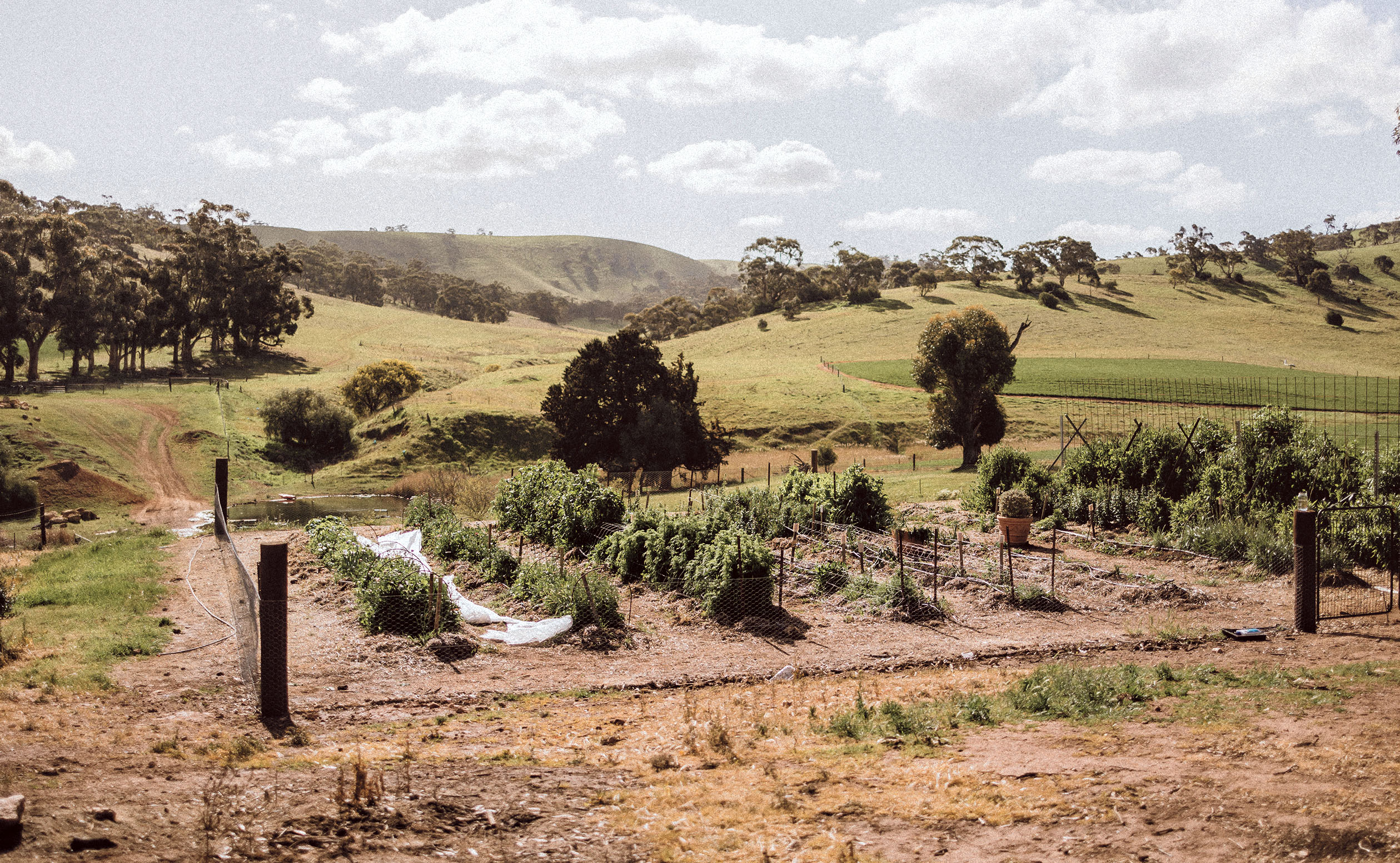
Mel made the first of her four cut-flower garden zones in a former sheep-holding paddock two years ago.
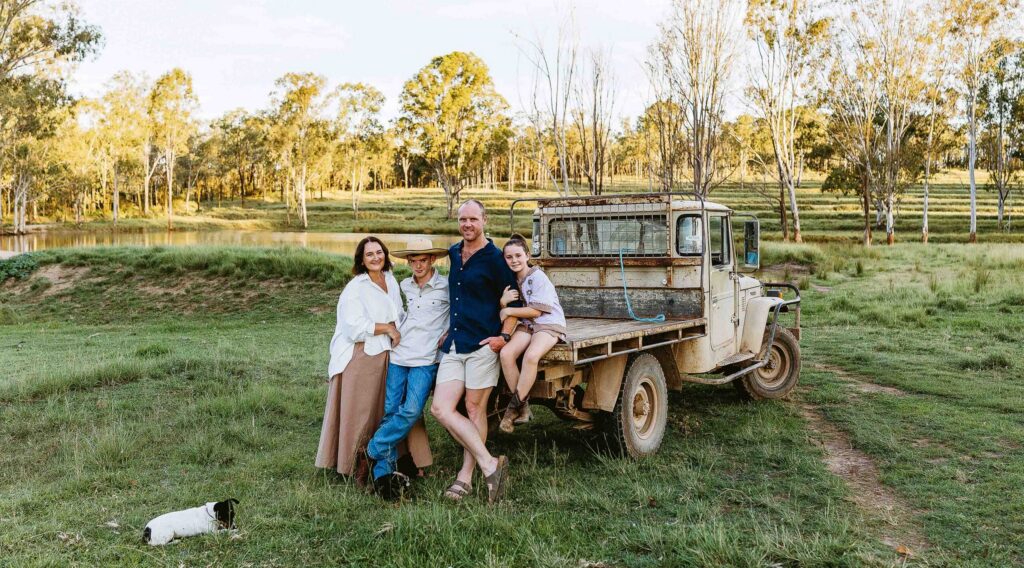
She sowed the first seeds of Bundaleer Flower Farm two years ago on the 900 hectare farm she shares with her husband, Daniel, and their four children.
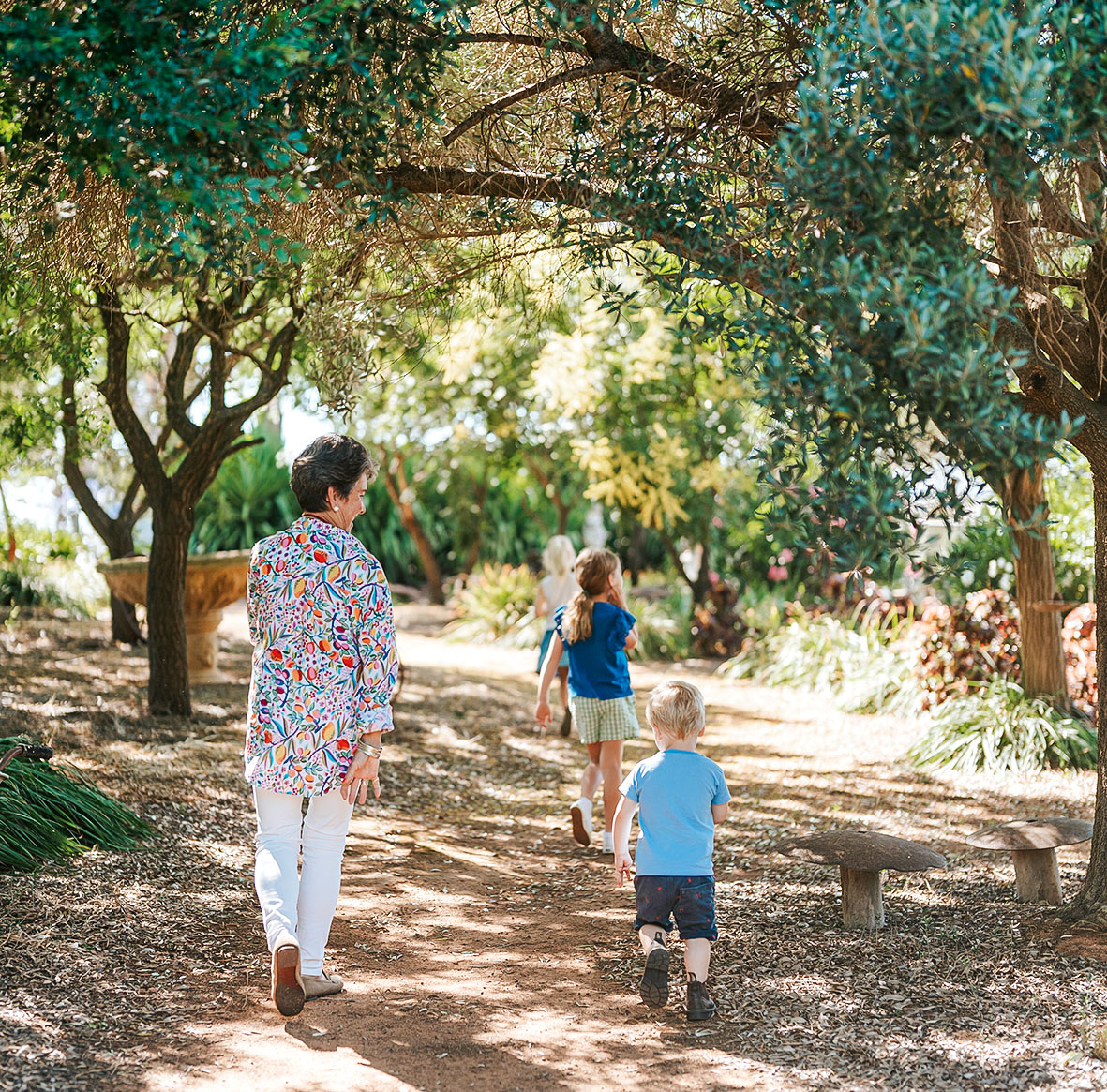
Today, the house paddocks brim with seasonal colour, as if in celebration of Mel’s move to make her mark on the sheep and cereal crop property. “I often wish there were three Mels: a mum and wife, a house gardener and a florist,” the 35-year-old says.
Mel grew up in South Australia’s Clare Valley and studied business and property valuation in Adelaide. She married Daniel, her first love, in 2010. After travelling Australia on an extended working holiday, the couple settled at the family farm, Baderloo, in 2013. Daniel’s parents stepped back from managing the poll merino stud to enjoy life in retirement in a new home they built on the property, passing the reins and the main homestead on to the young couple.
Mel relished the opportunity to be a stay-at-home mother to Charlton, now 13, Oscar, 12, Elsie, 10, and Walter, eight. “It was the best,” Mel says. “I loved being with the children, in the garden or renovating the house. I really did enjoy it.”
By 2023, she had spent a solid decade gardening at home. Stumbling into a Dahlia Society meeting at the Adelaide Botanic Garden — right when she was looking for a fresh challenge — set her on her current path. She joined the society, planted the tubers she bought in her vegetable patch and dug in. “I said, ‘Dan, I can do this,’” she remembers.
PHOTOGRAPHY ALYSHA SPARKS
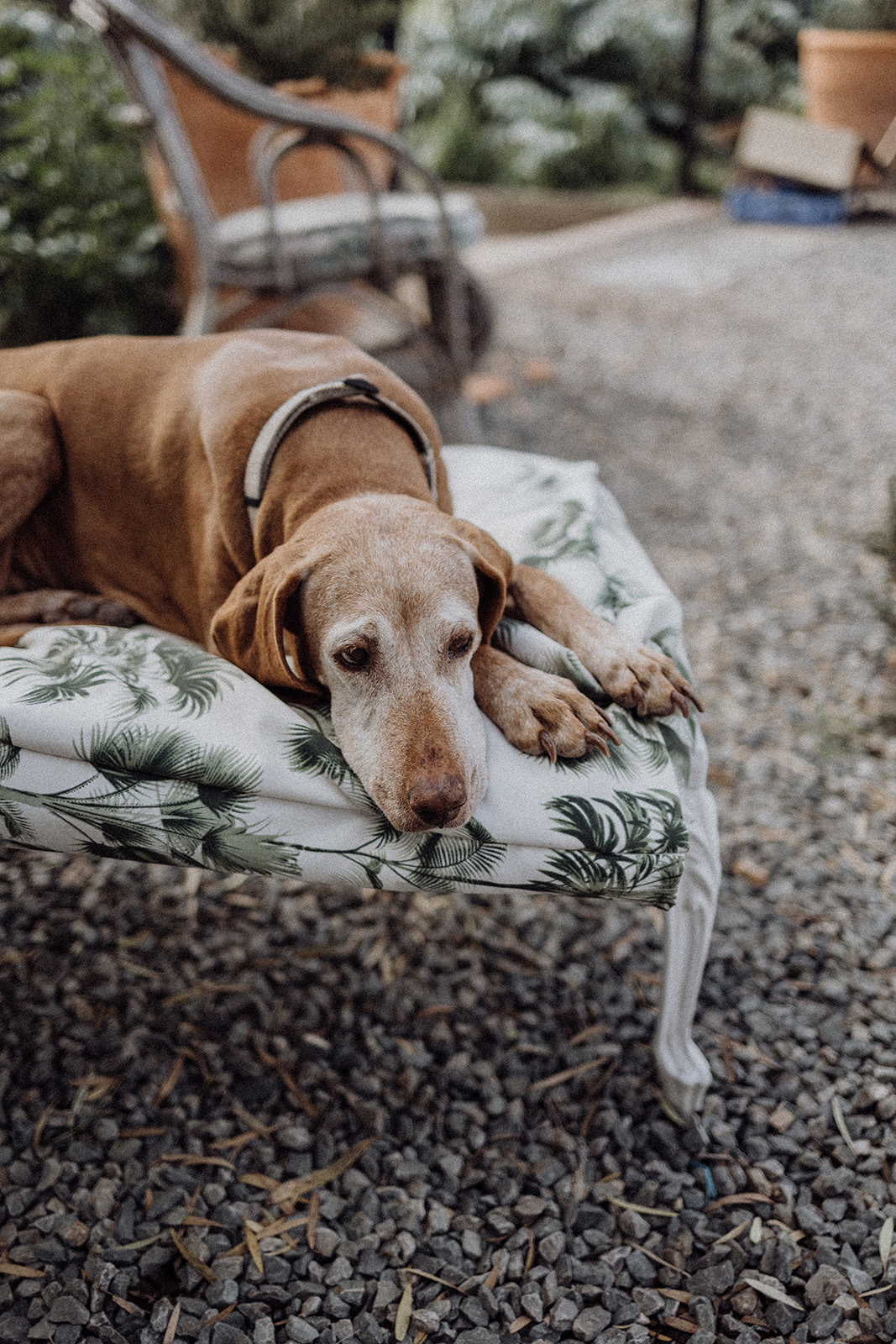
Nina is a Hungarian vizsla who travelled the country with Mel and Daniel before they settled at Baderloo.
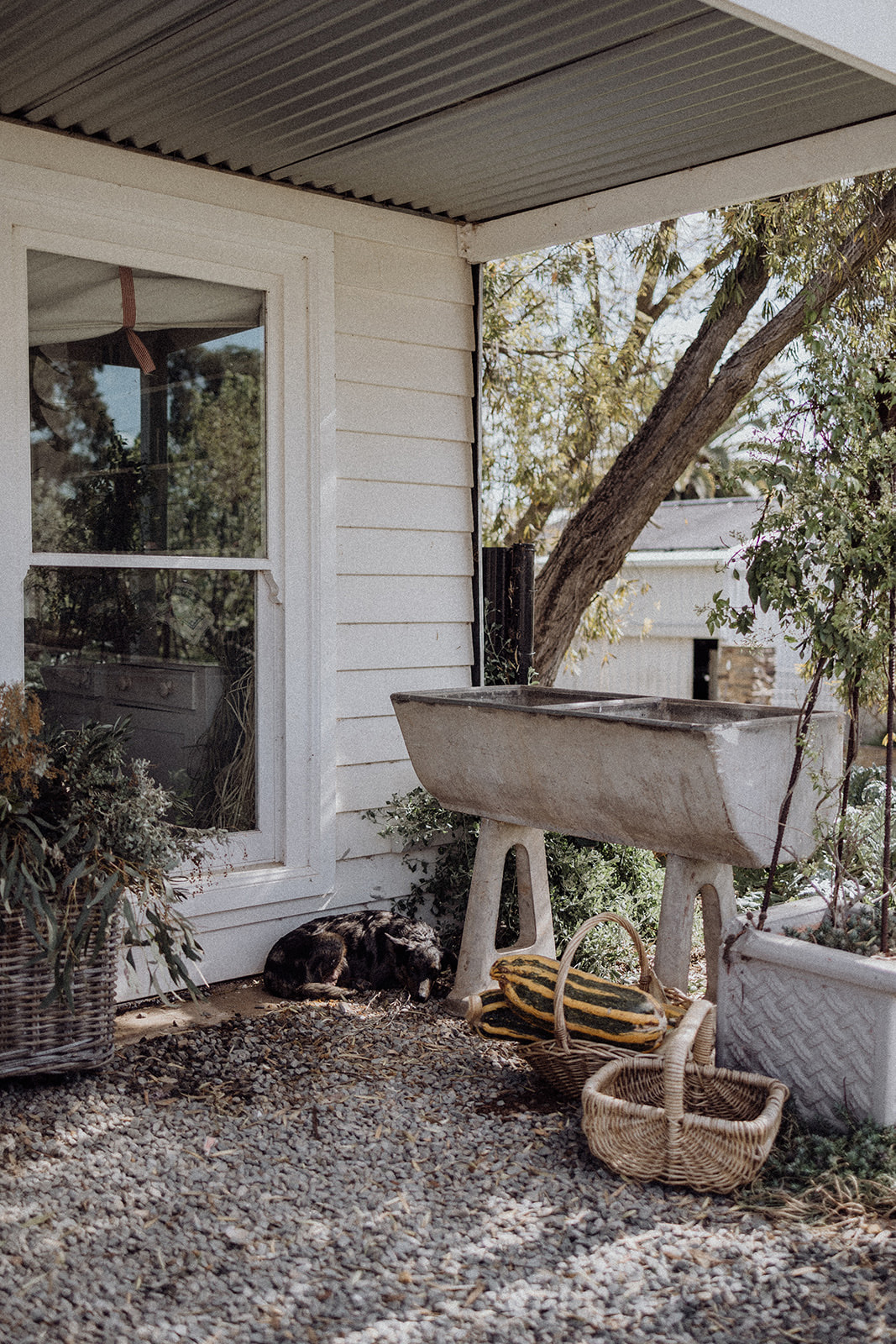
PHOTOGRAPHY ALYSHA SPARKS
Chocolate coolie, Gus, takes a nap outside the flower room.
Mel grows an abundance of blooms over rock-hard ground, in a punishing climate of summer heat and drought, by relying on two things: a permanent water supply and deep, compost-rich beds she builds above the soil. The combined house garden and flower-growing area now spans half a hectare, blending house garden perennials with structured cutting beds. She makes her garden beds over limestone and clay soils, using the no-dig method described in Annette McFarlane’s classic guide, Organic Vegetable Gardening.
“You lay newspaper or cardboard on the ground, then build up with compost, manure and straw and water it through,” Mel says. “That’s been the basis of all my gardening.”
She sources manure from beneath the Baderloo shearing shed and mixes it with local lucerne and garden clippings. In her first season, she trialled both bore and mains water, then chose drip-fed bore irrigation for most flower beds. For more sensitive crops — including the family’s vegetables — she still uses mains water, which is gentler than the mineral-rich bore supply.
She learned quickly. Once she saw that germination rates improved when she used trays rather than direct sowing, she switched to a polytunnel. It was also far more practical than balancing seed trays around the fireplace in a busy family home. By closely observing each stage of growth — and reading widely — she deepened her knowledge.
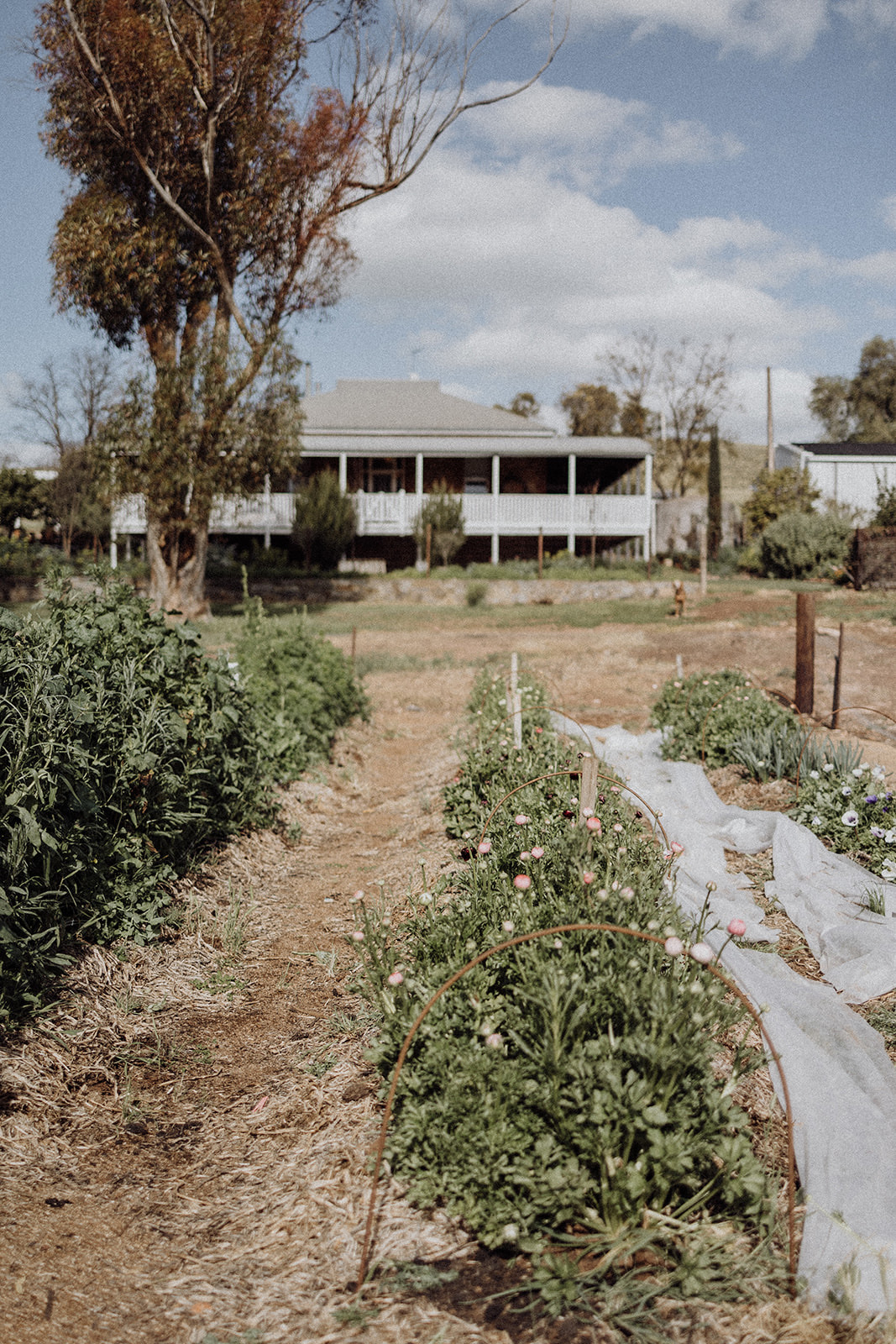
PHOTOGRAPHY ALYSHA SPARKS
The floor level of Baderloo’s early 1900s stone homestead rises two metres above the ground at the front of the house.
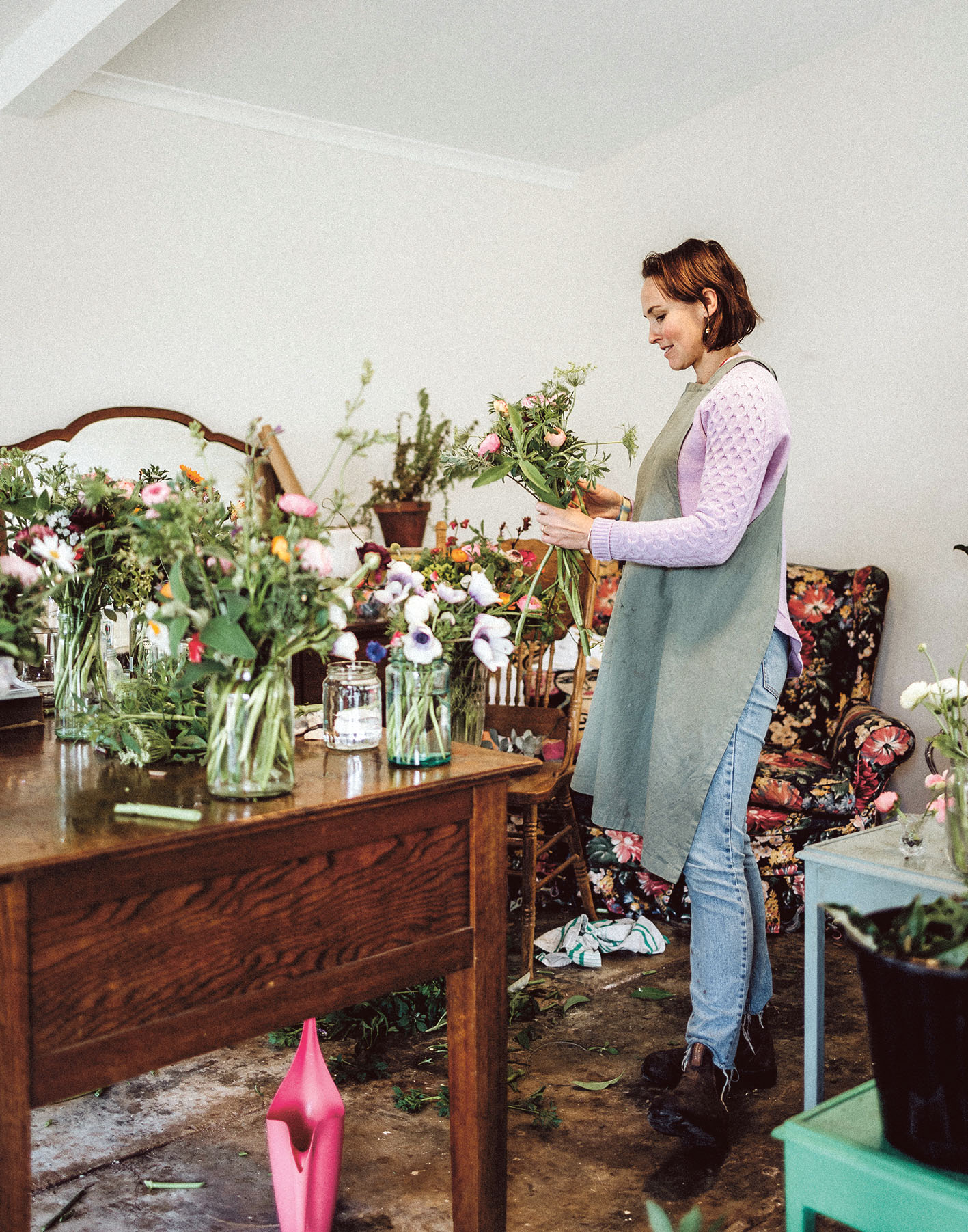
PHOTOGRAPHY ALYSHA SPARKS
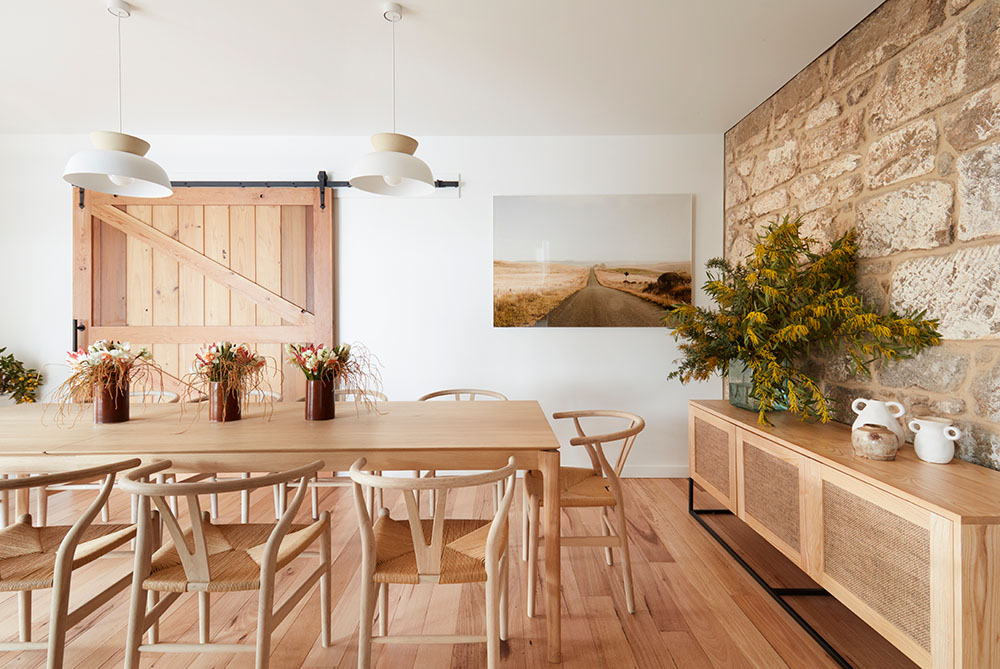
The flower room is furnished with antiques.
Mel starts planting in February, staggering seeds according to their need for warmth or cold. “Some seeds need heat, some need the temperatures to be lower. I’m always experimenting,” she says. In autumn, she prepares beds for spring blooms: dahlias, strawflowers, zinnias, roses, celosia, globe amaranths and sunflowers fill the garden, supported by grasses, salvias and other perennials from the house garden.
As the season shifts, chrysanthemums bloom for Mother’s Day. Frosts push dahlias, sunflowers and others into dormancy. In winter, Mel prunes, cuts back perennials and top-dresses beds with manure and mulch. Come spring, she harvests the bounty of autumn’s work and sows again for summer.
Alongside the children and the garden, Mel cares for a lively menagerie of guinea fowl, peacocks, Indian runner ducks, geese, chickens, black Berkshire-cross pigs, cattle for meat and horses to ride — daughter Elsie is especially keen.
There are dogs of all kinds too: maremma Maggie, who guards the poultry; pointers Dolcie and Nina; and dachshunds Louis and Lacey, who stick close to the children. The working dogs —both active and retired — keep an eye on things as the farm shifts from stud merinos to a more flexible cross-breeding approach.
Balancing flowers and family means deliveries often coincide with school sports and other activities. “With four kids, either Dan or I are going to town most days, so it works well.” She embraces the daily juggle, but admits that, given the chance, she’s as likely to go for a run as to sit down with a cuppa. And she says she still gets to smell the roses.
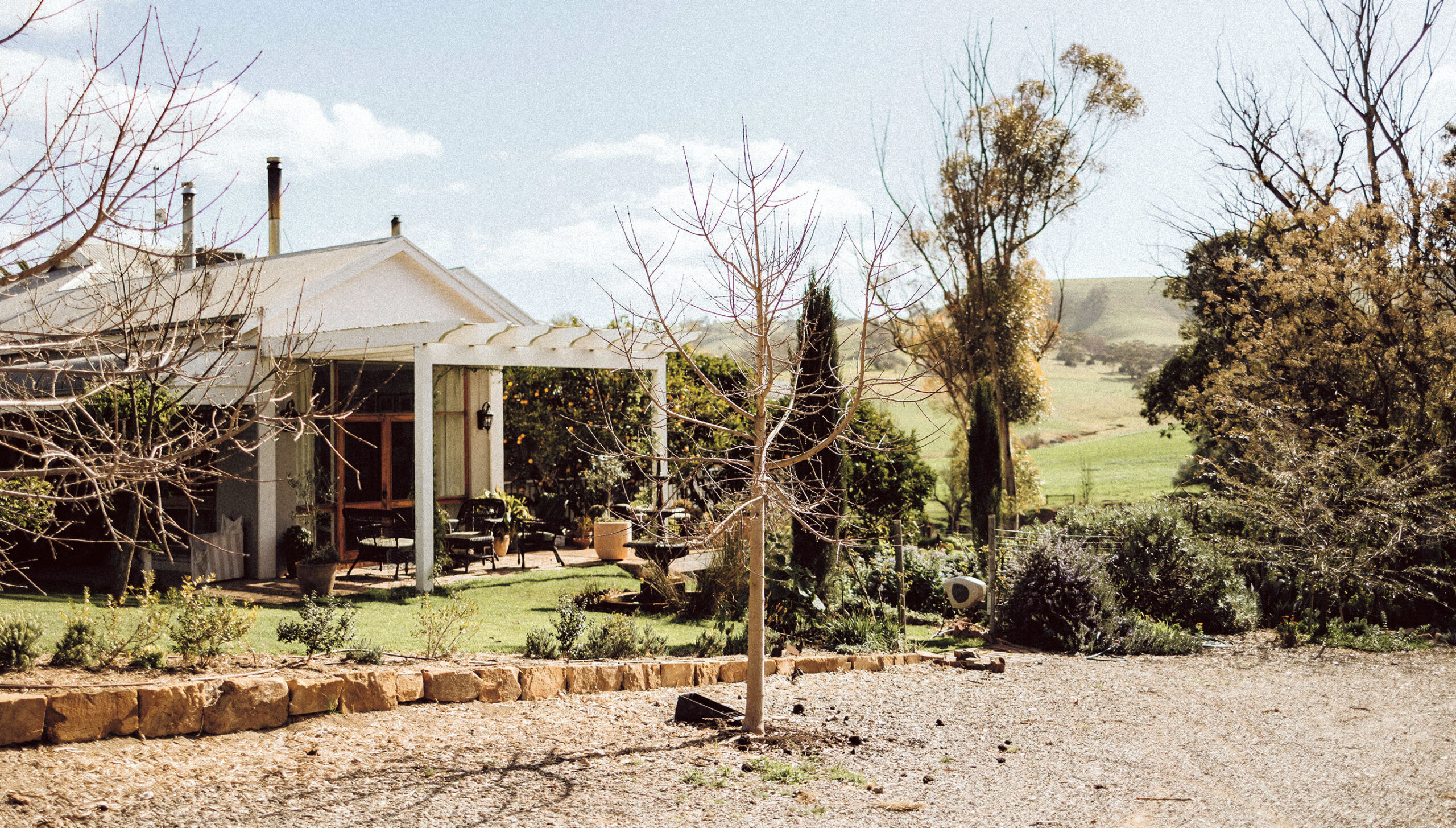
PHOTOGRAPHY ALYSHA SPARKS
The couple added a new kitchen and living room at the back of the home, where a maple (Acer negundo ‘Sensation’) prepares to burst into leaf.
PHOTOGRAPHY ALYSHA SPARKS
A bassinet — once used for a litter of sheepdog puppies — now houses Mel’s floristry jars.
As the cycle repeats, Mel is able to collect her own seeds: pincushion flowers (Scabiosa spp.), snapdragons, false Queen Anne’s lace (Ammi visnaga), chocolate Queen Anne’s lace (Daucus carota ‘Purple Kisses’), sweet peas, amaranth and celosia. She leaves spent crops in place when possible, so as not to disturb the carefully cultivated soil of her no-dig beds. “Rather than pull it out, I cut it back short and layer over it again.”
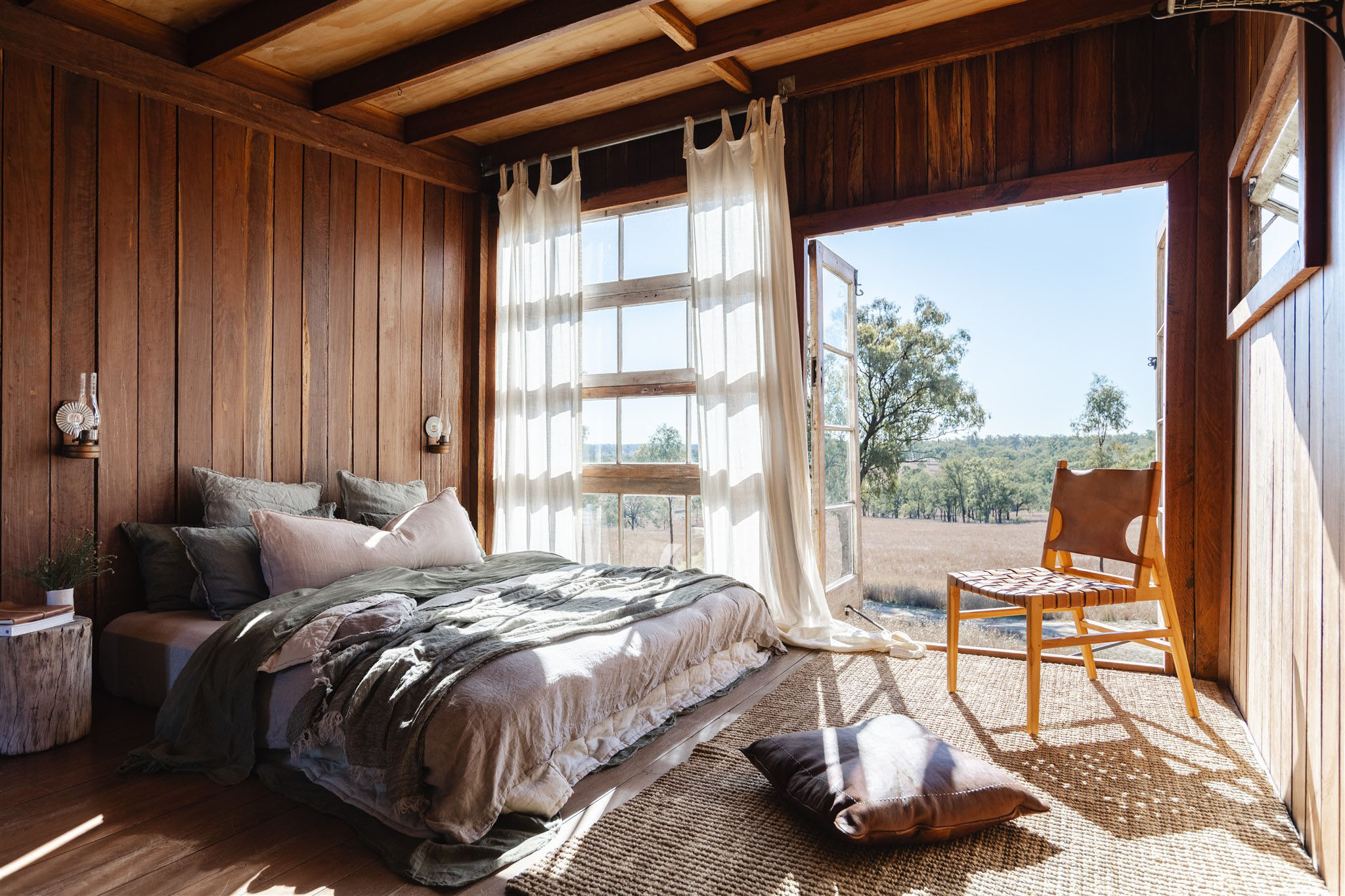
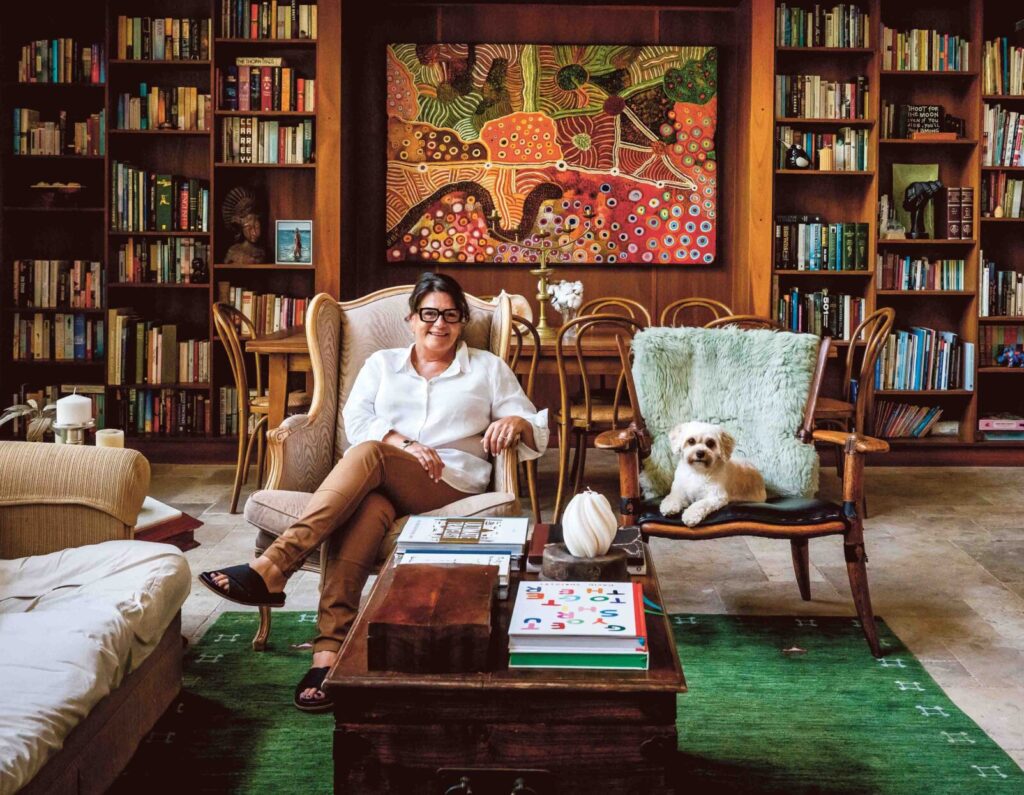
The heart of the floristry is the flower room: a timber-clad garden shed that once served as a guest room and still squeezes in a single bed when Mel’s mum visits. “Luckily, she loves her flowers,” Mel says, laughing.
It’s here, amid the scent of cut stems and gathered foliage, that she lets loose her creative side. Her arrangements are typically loose and whimsical. “I love them to look as if you’ve just walked through a beautiful garden and picked them,” she says.
She relies on an honesty box for stall sales. Other customers find her through floral displays at popular businesses in Clare, Crystal Brook, Jamestown and Orroroo, with admirers going online to order home deliveries. Instagram helps spread the word, especially among younger customers, while older locals phone or drop by.
A highlight last spring was the success of the first Bundaleer pick-your-own day. This spring Mel plans to open the garden twice weekly with the same offering.
Her biggest reward? “I get utter joy out of handing flowers over. It doesn’t get old.”
Find Mel on Instagram @bundaleer_flowerfarm.
Subscribe to Graziher and you’ll never miss an issue of your favourite magazine. Already a subscriber? Consider gifting a subscription to someone special in your life.
There are many ways to find a meaningful role in the industry, says Beef Australia’s Beth Rands.
Hailing from a small Irish town, Lisa Fryer found love at Daly Waters’ Hi-Way Inn. Today, she and husband John are ushering in a new era for Tabletop Station, near Townsville, Queensland.
There are many ways to find a meaningful role in the industry, says Beef Australia’s Beth Rands.
Hailing from a small Irish town, Lisa Fryer found love at Daly Waters’ Hi-Way Inn. Today, she and husband John are ushering in a new era for Tabletop Station, near Townsville, Queensland.
She says clever tech makes it possible to go it alone on the 4000 hectare beef-finishing property in central Queensland.

