Sign up to our mailing list for the best stories delivered to your inbox.

Country women are up to three times more likely to be killed or injured by a partner or ex-partner. So what is being done to change this statistic?
Words Katherine Beard Photograph Matt Hall
Trigger warning: Information about family violence may cause distress
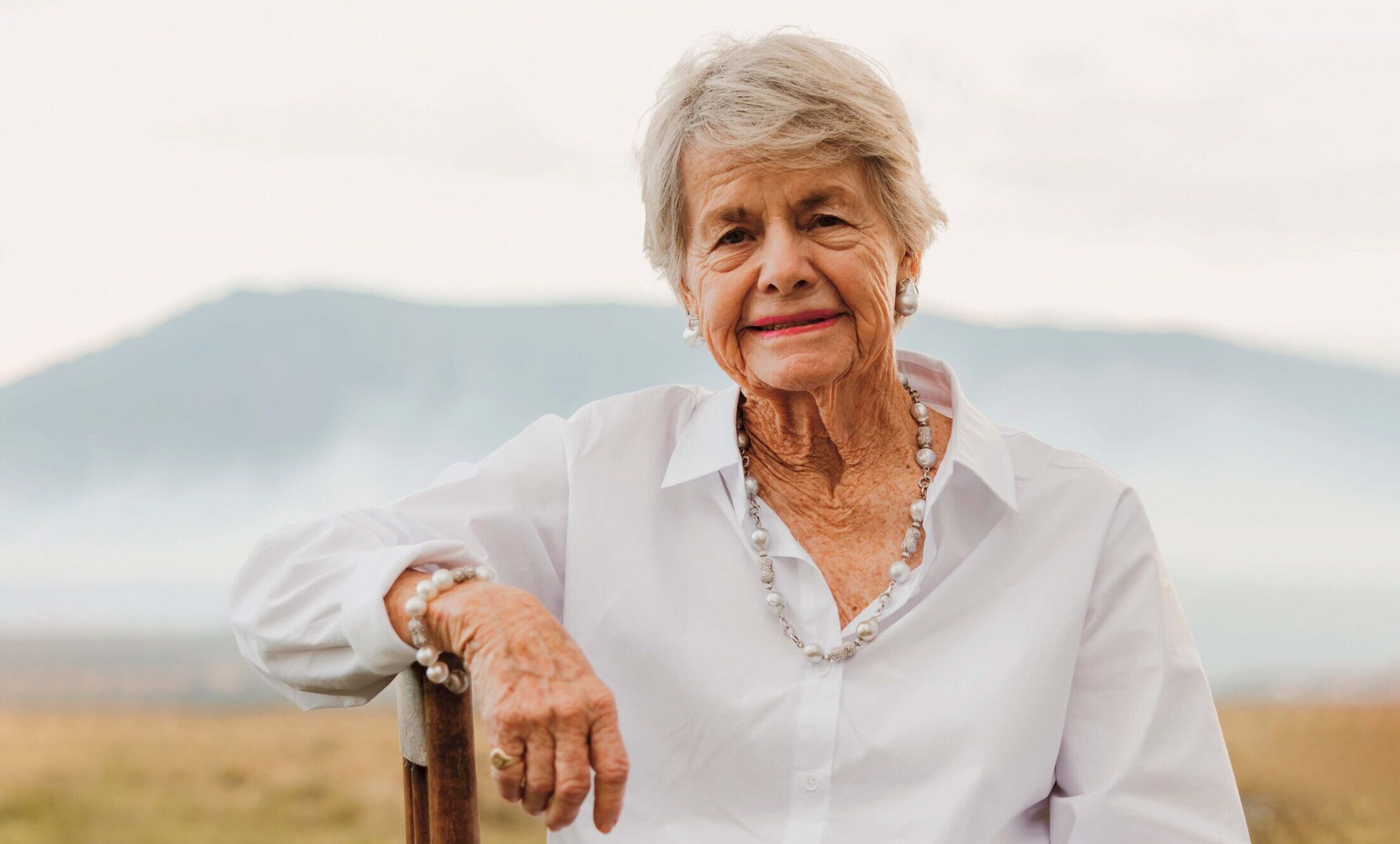
It’s also famously a world-class food and wine region, with locals and visitors alike drawn to the town’s classic architecture and gastronomic treats. Rosie Batty was no exception. “I didn’t realise Orange was such a hub for food and wine, and such a beautiful place to live,” she says.
It’s been 12 years since Luke Batty left his mother’s side to play cricket on a February day in 2014 at Tyabb, south of Melbourne. He was supposed to be safe, in public at the cricket grounds where his team was training, practising with his father. The shock of his death — an 11-year-old child murdered while innocently playing sport — reverberated around the country, opening not only our collective eyes but also a Pandora’s box we haven’t yet been able to close.
In town to speak at Birds in the Bush’s fundraising event, Rosie explains, “I agree to go to these country locations because no matter how delightful and beautiful it is, domestic violence is being experienced there on an epidemic level.”
During her relationship with Luke’s father, Rosie suffered years of coercive control and family violence, as did Luke. The memory of the day Luke died has been etched in our collective consciousness as we watched Rosie on television being interviewed, expecting her to be silent in shock. But she wasn’t: fierce, brave, articulate, intelligent, Rosie Batty spoke directly to us, forcing the community to look family violence in the face and speak about it. And we haven’t stopped looking since. Her message was that family violence can happen to anyone: even if you’re educated, even if you work professionally, no-one is safe.
She adds: “Unfortunately people think change should happen immediately, but change doesn’t work like that. Our systemic responses are so entrenched and need such significant change. It becomes frustrating. Things do change but it doesn’t happen quickly enough, especially for those experiencing violence right now.”
Rosie’s second book, co-authored with writer Sue Smethurst and published in 2024, 10 years after Luke’s death, was titled Hope. “I’ve been partnering with Respect Victoria to launch the book,” she says. “It’s been important to look back over the years; so much has changed, and yet it feels like nothing has changed. I wondered, ‘How can I inject hope and positivity into the conversation?’ That was the point of the book.”
Hope and positivity have been in short supply in recent years as we witness an ever-increasing incidence of family violence in rural and regional Australia. The words being used to describe the violence seem insufficient: an epidemic, a tsunami, a blight on our communities. Men’s violence against women and children is increasing at a rate that is truly horrifying. New South Wales domestic violence data published in March 2026 records that two of every three victims reported to police are women and three in every four offenders are men. Aboriginal women are eight times more likely than non-Aboriginal women to be recorded as a victim of violence.
No to Violence (NTV) is a peak body working with men to end violence and offers a telephone counselling referral service as well as advocacy and training.Speaking to The Weekly Times on May 6, 2024, NTV chief executive officer Philip Ripper observed that violence was “a massive rural problem with horrendous statistics showing rates of hospitalisation rose dramatically the further away you live from the city… There was a 50 per cent higher rate of family violence, with 145 rural or remote women per 100,000 population hospitalised annually due to injuries from family violence, compared with 12 city-based women.”
The rates of family violence in 2025 continued the trend. Domestic Violence New South Wales’s statistics show the highest recorded regional rates of violence arose in the remote north west of the state, with more than 1500 incidents per 100,000 people, which is almost triple the highest Sydney metro region (Blacktown, with around 578 incidents per 100,000). East Gippsland wore the crown for the highest rate of family violence incidents in Victoria in 2025, with a rate of family violence more than double that of Melbourne metro’s worst local government area, Frankston.
Over all, Western Australia has the highest rate of family violence of all the states, followed closely by the Northern Territory, according to Australian Bureau of Statistics (ABS) data for 2024 (note: Victorian data was not included in the comparison). With more than 1500 victims per 100,000 people across the state, the 2026 Ombudsman Western Australia’s review notes that “regional WA was over-represented relative to population”.
Struggling with infertility while living remotely isn’t for the faint-hearted. Raine Holcombe is one who has met the challenge.
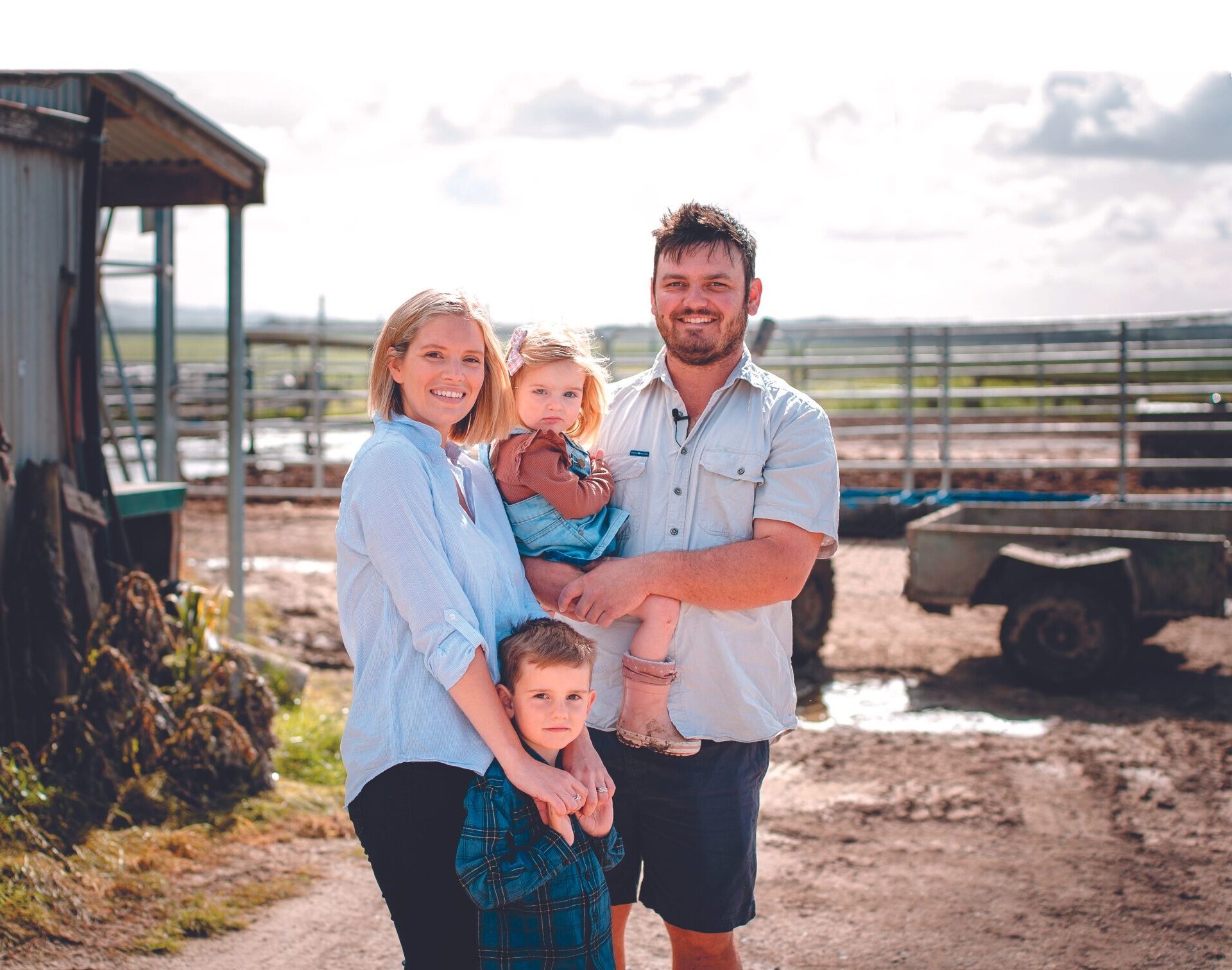
Rural women need better support and improved health resources, writes Emily Herbert.
A regional trailblazer in the family violence sector is the founder of Birds in the Bush, lawyer Vanessa Vazquez. Seeking a new lifestyle for raising a family, Vanessa and her husband, Michael, also a solicitor, along with baby Huw, swapped their Sydney commute to call Orange home in 2014.
The family bought into a local law firm and, after initially renting a period home in town, purchased a rural property 20 minutes out of town down a dirt track. Now populated with another two children — Alice and Edward — agistment cattle, miniature goats, a labradoodle called Hagrid and a cat intriguingly named Genghis, Vanessa’s family farm continues to act as a haven from the rigours of her role as a litigation and migration solicitor, and family lawyer.
When she discovered that Orange’s first women’s refuge, The Orchard, was being built, she was shocked. Not because it was needed, but because there wasn’t one already. This led to dismay when she realised that, apart from the cost of the build, there was no government funding to run it. The final straw came with an awareness of opposition in the community to the establishment of any women’s refuges at all; some people thought it would devalue property and increase crime.
“This didn’t make any sense to me,” Vanessa says. “Domestic abuse isn’t a class problem. One in every four women and one in every six children are victims. It happens at every level of society. If we don’t give women an option to leave, then we are perpetuating the cycle.”
And so, Birds in the Bush was born: a grassroots, volunteer-driven agent for change, motivated by genuine passion and a commitment to raising awareness and stopping the cycle of family violence in their own town, initially by supporting women to leave toxic relationships in safety, through funding the women’s refuge.
Vanessa is valiantly aided by a team of seven committee members, along with a wider community of workmates, friends and family. Birds in the Bush has already achieved significant milestones, including winning the 2025 New South Wales Volunteer Team of the Year Award. Vanessa was also a recipient of a New South Wales Premier’s Award in 2024 in recognition of her outstanding leadership and community service.
In 2021, its first year of operation, Birds in the Bush held a fundraiser for 150 people at the local CWA hall and raised $5000 for the refuge, along with significant awareness of family violence in the community. The following year, another fundraiser was held. Attendance increased to 200 people, with $35,000 raised and the local Domestic Violence police officer, Granton Smith, speaking of the challenges facing the region. Sealed envelopes were provided to guests containing information about the women who had been killed that year by their current or previous partner.
Rosie Batty was the featured guest speaker in 2023, when more than 300 paying guests attended the fundraising function on a hot, sunny day outdoors at one of Orange’s boutique wineries, See Saw. The food and wine were included in the ticket price and paid for by sponsorship, rendering all profit from ticket sales a direct donation.
Vanessa is quick to sing Rosie’s praises: “We were so lucky to have Rosie, the most known advocate in the country for domestic violence. The power of one person, when they share their light with you, is incredible. Rosie wanted to work the entire time she was in Orange, so we lined up events all weekend — Rosie was at all of them. We know that every cent we spend is a cent we aren’t giving. Rosie Batty came to Orange and gave her time freely. And she keeps dropping hints about coming back!”
Over $135,000 was raised that weekend, of which $100,000 was donated to The Orchard women’s refuge. The Birds were overjoyed at the result but also exhausted. All volunteers with busy family, work and school commitments, the workload was taking its toll.
Kristy was driving home from school pick-up with her two girls, aged eight and 13 years, when her ex-husband Troy Armstrong sped towards her in his ute, crashing into her car. Later freed from the wreckage by Fire and Rescue NSW, Troy was treated by paramedics before being taken to hospital in a critical condition. The girls were also taken to hospital with minor injuries but Kristy was killed outright. She had been separated from Troy for a year. That afternoon one of Kristy’s friends broke the news to Kristy’s mother, Donna Thornell, who reportedly said, “Oh my god, he finally did it.”
A year later, in June 2024, Troy Armstrong killed himself while in custody awaiting trial. Later, it became understood that his violence against Kristy began after the birth of their first child and involved coercive control, financial abuse, psychological abuse and physical abuse. Donna reported to the ABC that he would spit in Kristy’s face whenever he walked past her, and threatened her just before separation, saying, “If you go, when you come back, the house will be burned down, the cat will be dead and you’ll find me dead.”
Kristy’s daughter attended dance classes with Vanessa’s daughter and both had been at an eisteddfod the weekend before. Only days later, on the following Friday, Kristy was killed. The next day — Saturday June 10, 2023 — the media were on Vanessa’s front doorstep.
As a figurehead on the issue in Orange and the region, Vanessa became a lightning rod for reporters and locals. The community wanted answers, wanted more to be done to stop the violence; victim–survivors wanted help and were disclosing their stories of abuse to the Birds in the Bush team.
There were no more events by Birds in the Bush that year. The Birds needed to take a step back, take some time with their families and regroup.
By Christmas, planning had kicked in again for 2024. Meeting for drinks at Orange’s Union Bank hotel, the team brainstormed ideas about how they could up the ante and secure a big name for the event to really make it worthwhile, someone like Jelena Dokic or Jimmy Barnes… Within earshot was the hotel owner, who commented, “I could get you in touch with Jelena Dokic’s publicist.” The calls were duly made and their big star, tennis champion and domestic violence spokesperson Jelena Dokic was locked in for an event on May 2, 2024.
Four hundred tickets sold within six hours.
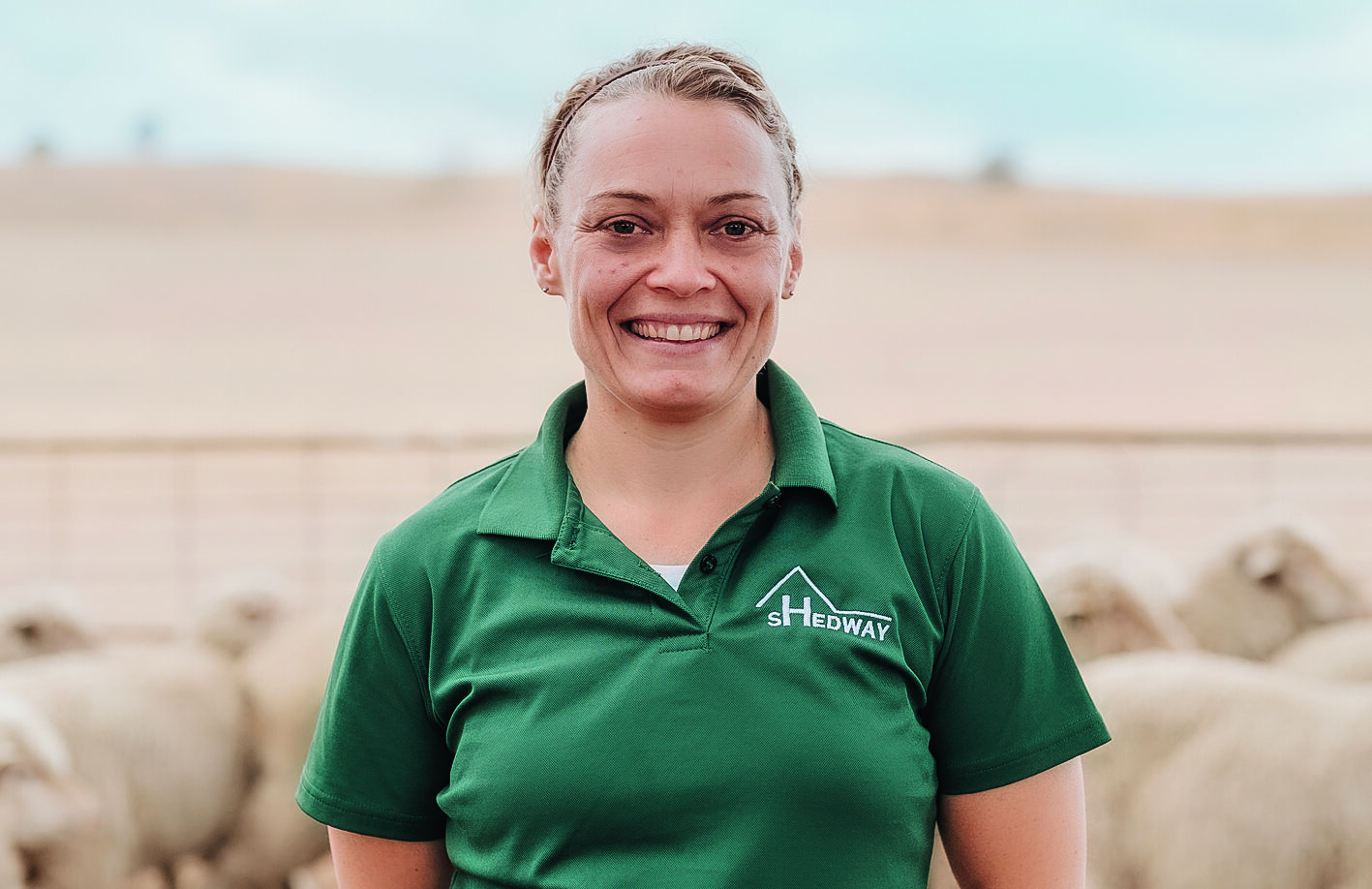
The Graziher cover star and winner of the New South Wales/Australian Capital Territory AgriFutures Rural Women’s Award talks to us about seeking support and goal-setting.
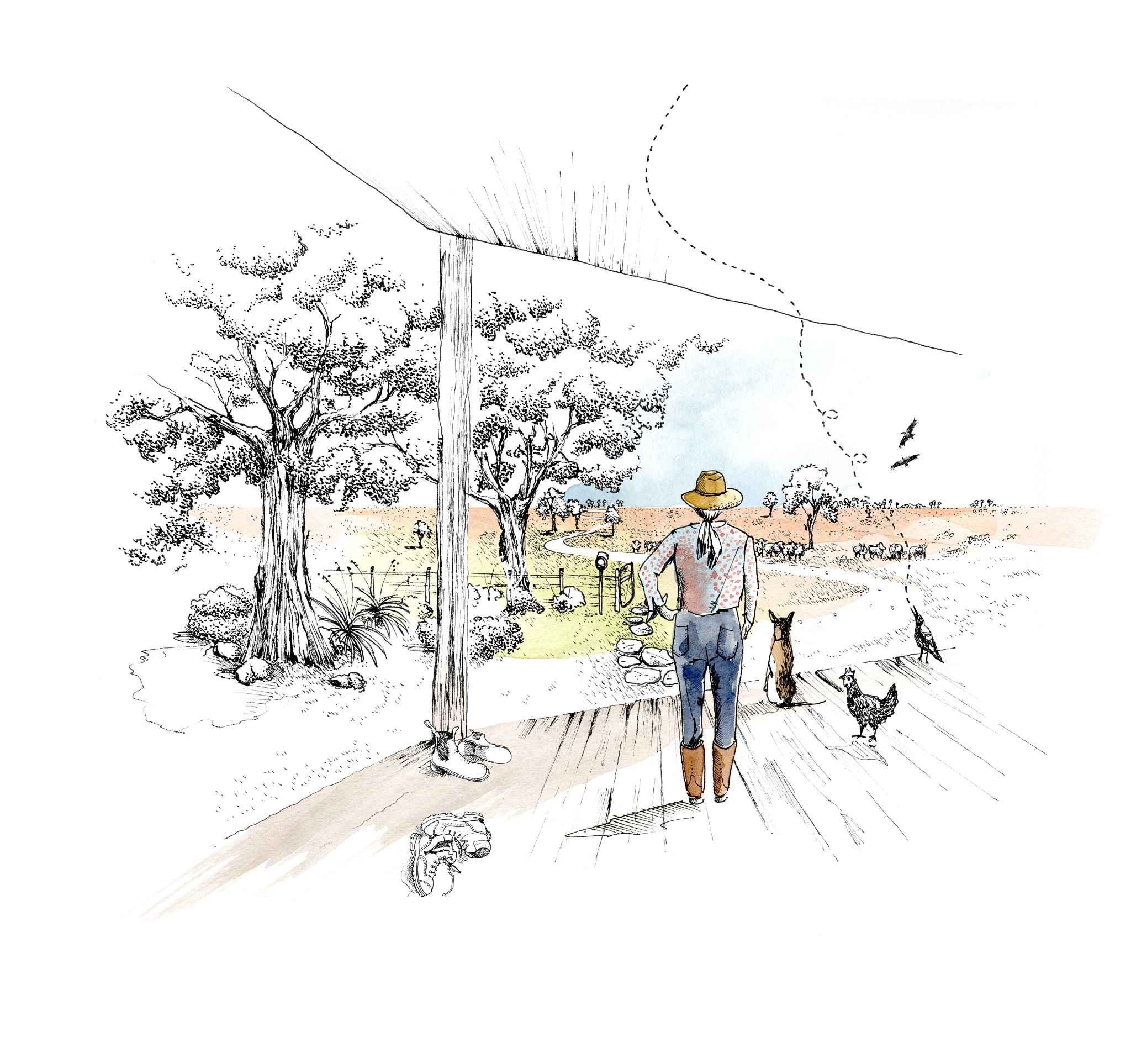
In the past, Australian farming families have not been good at succession planning. But we are getting better at it, writes senior lawyer Katherine Beard.
Despite there being an interim apprehended violence order taken out by police against him, Billings broke in through Molly’s bedroom window while she slept.
Molly was a much-loved 28-year-old childcare worker in Forbes with a young son, and her death rocked not only the local community but reverberated around Australia. It was a violent death; following terrifying threats from a man free on bail awaiting hearing for serious criminal offences he’d already committed against her (including multiple counts of rape and domestic violence offences, and animal cruelty for killing Molly’s 12-week-old dachshund pup).
In only the first four months of 2024, 30 women had already been murdered in acts of domestic violence; Molly was the 31st. You might recall the horror and frustration women were feeling at the time, the protests and media coverage; it seemed there was murder after murder across the entire country, and most were taking place in the regions. The community frustration at a perceived lack of coordinated government-led action prompted responses from governments at a state and federal level, including urgent amendments to the New South Wales bail laws.
Back in Orange, the Birds in the Bush team pushed on with their May 2024 fundraising event featuring Jelena Dokic, as part of her publicity tour for her new book, Fearless. It was a huge success; a sell-out. The local bookseller donated all profits from sales at the event. Local sponsors made generous donations.
New Birds T-shirts were made to promote the important role men play in preventing violence against women and children. Emblazoned ‘Blokes For Birds’, the shirts were launched along with a new publicity fundraising campaign: Every Bird Counts. Every T-shirt sold. Every book sold. $230,000 was raised on the night.
Observes Vanessa, “I don’t know if it is a Central West thing in particular or if it’s a country thing, but I’m always so moved by what people will do and give to help”. Jelena spoke courageously to the crowd about the attitudes she witnessed in the tennis world, starting with the young boys pushing in front of the girls at coaching clinics; identifying in her view that to effect real cultural change we have to start with the children.
In 2025, Birds in the Bush raised an incredible $267,230 in fundraising, including $65,142 through the Royal Agricultural Society (RAS) show in Sydney at the RAS Foundation Brunch. New merchandise (including hats, beanies and resin key rings) was added in 2025 to their already successful range of Bird brooches, earrings and T-shirts. So where to from here?
Vanessa Vazquez and her team of Birds are pivoting to the future, focusing on the next generation. Thanks to $96,539 raised at the Parkes Frontline Services Ball, 2026 sees the rollout of a new Birds education program for regional high school students called NestED.
Currently funded through community donations, a pilot program was launched in 2026 in high schools across the Central West of New South Wales, with the goal being to ensure that ‘a young person’s postcode does not determine their access to family violence education’.
Leili Friedlander, Birds in the Bush’s Education Manager, who is also a staff member at Australia’s National Research Organisation for Women’s Safety (ANROWS) and founder of the organisation partnering with Birds to produce the NestED program, is uniquely positioned to launch the initiative. She observes that “NestED is unlike any other program, as it is tailored to the unique needs of regional schools through community collaboration. Conversations that centre around family violence are never easy — but silence is breeding violence.”
The program is off to a great start, says Leili. “We have had such positive responses from staff across the Central West. We know community is the heart of our regions. That is why NestEd is tailored to the needs of each school. I work with staff to understand the uniqueness of their community, sensitivities and needs. If that means jumping in the car and driving three hours to meet with staff at a school, it is always a yes from me.”
It’s one thing to provide services at the end of the line, after the violence has happened. Arguably, the only way to really stop the violence, is to create living conditions in which it cannot thrive; stop it before it starts. Prevention begins with education in our schools.
Dealing with the end of a relationship is difficult, and it’s especially challenging when there’s limited access to formal and informal support.
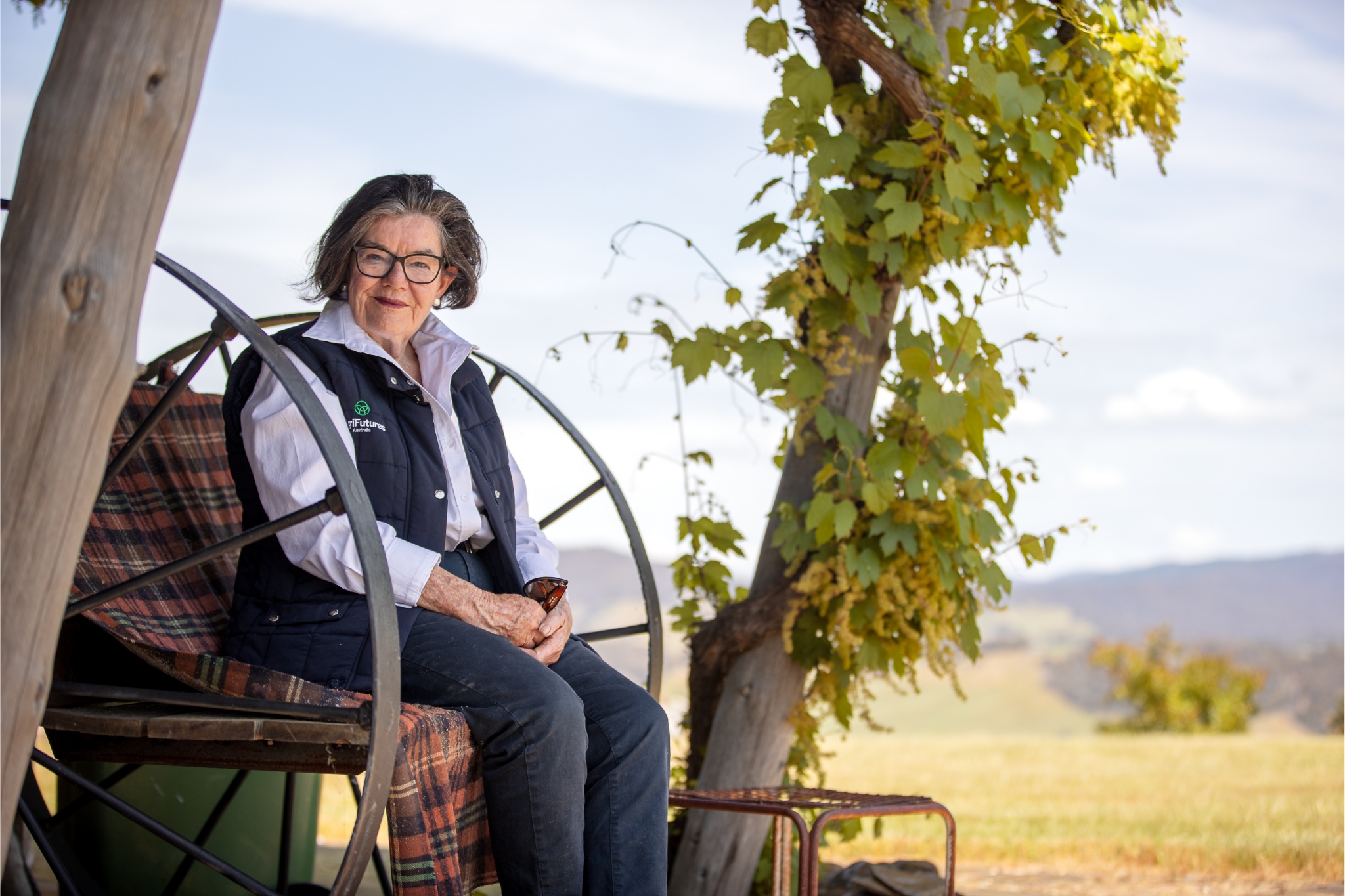
Robin McConchie's fascinating conversation with former AgriFutures chair Cathy McGowan AO.
Changing society takes time, acknowledges the new patron of Birds in the Bush, Rosie Batty. “Change may be slow, but it is happening. Before Luke was killed, DV was a taboo subject,” she comments.
“There’s been a gradual shift since then and improvements in knowledge. Back then [in 2014] it was hardly spoken about and certainly not discussed in the workplace. We didn’t recognise financial abuse. The media has improved enormously. We hear of people being held to account: DV doesn’t go unchallenged anymore.”
The pace of change may pick up further, if NestED and programs like it can get off the ground and be funded for generational impact. As a society, we’ve been successful in reducing other harms such as cigarette smoking or drug and alcohol abuse. We’ve cut the road toll by implementing compulsory seat belts, and minimised gun violence after the 1996 massacre at Port Arthur.
Working alongside improvements in the justice system and how domestic violence is policed, there’s a chance the NestED education strategy could be fit for purpose. Its strength lies in targeting the needs of a specific community for generational change, not applying a ‘one-size-fits-all’ approach.
“This is long-term work, when you think of male culture and entitlement which is brought into sport and those codes; we are all conditioned in society to support men in their entitlement and that challenge to male entitlement is very threatening to most men,” says Rosie.
Today’s impressionable teens are the next perpetrators and victims of violence. Rosie observes that currently “the younger generation doesn’t necessarily see the challenges that women face. That’s where I think the challenge lies. We need complete societal change — and we don’t change easily. And perhaps that’s the nature of humans: we are capable of misusing any power we hold. How do we evolve into a more caring society?”
With leaders like Rosie and Vanessa and organisations like Birds in the Bush ruffling feathers and driving change in their local communities, powerful seeds of hope are already being planted for a safer future.
If you or someone you know is experiencing domestic violence, call 1800 RESPECT (1800 737 732) — or call 000 if you are in immediate danger.
For more information about fundraising, visit birdsinthebush.com.au or ntv.org.au.
Katherine Beard (BA/LLB hons) is a writer and principal solicitor at Town and Country Family Law, where she provides advice to clients on family law matters, including family violence. She published her first Australian history book in 2002, won the inaugural Country Stylenational short story competition and has worked as a magazine editor and writer. Katherine writes feature stories for Graziher alongside her full-time legal work.
Subscribe to Graziher and you’ll never miss an issue of your favourite magazine. Already a subscriber? Consider gifting a subscription to someone special in your life.
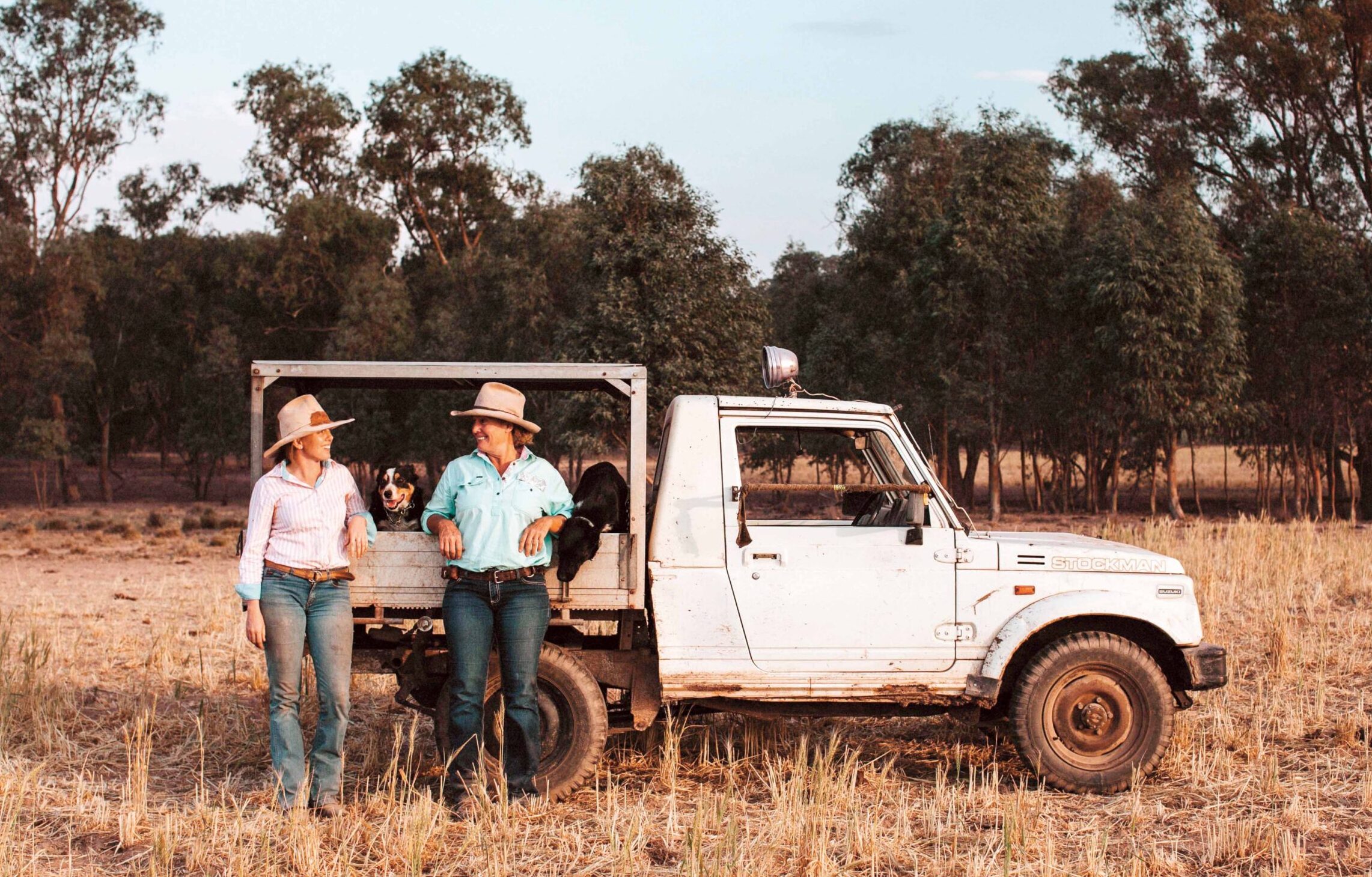
For Chris Ferguson, the grieving process has meant letting go of the life she and Matilda created together.
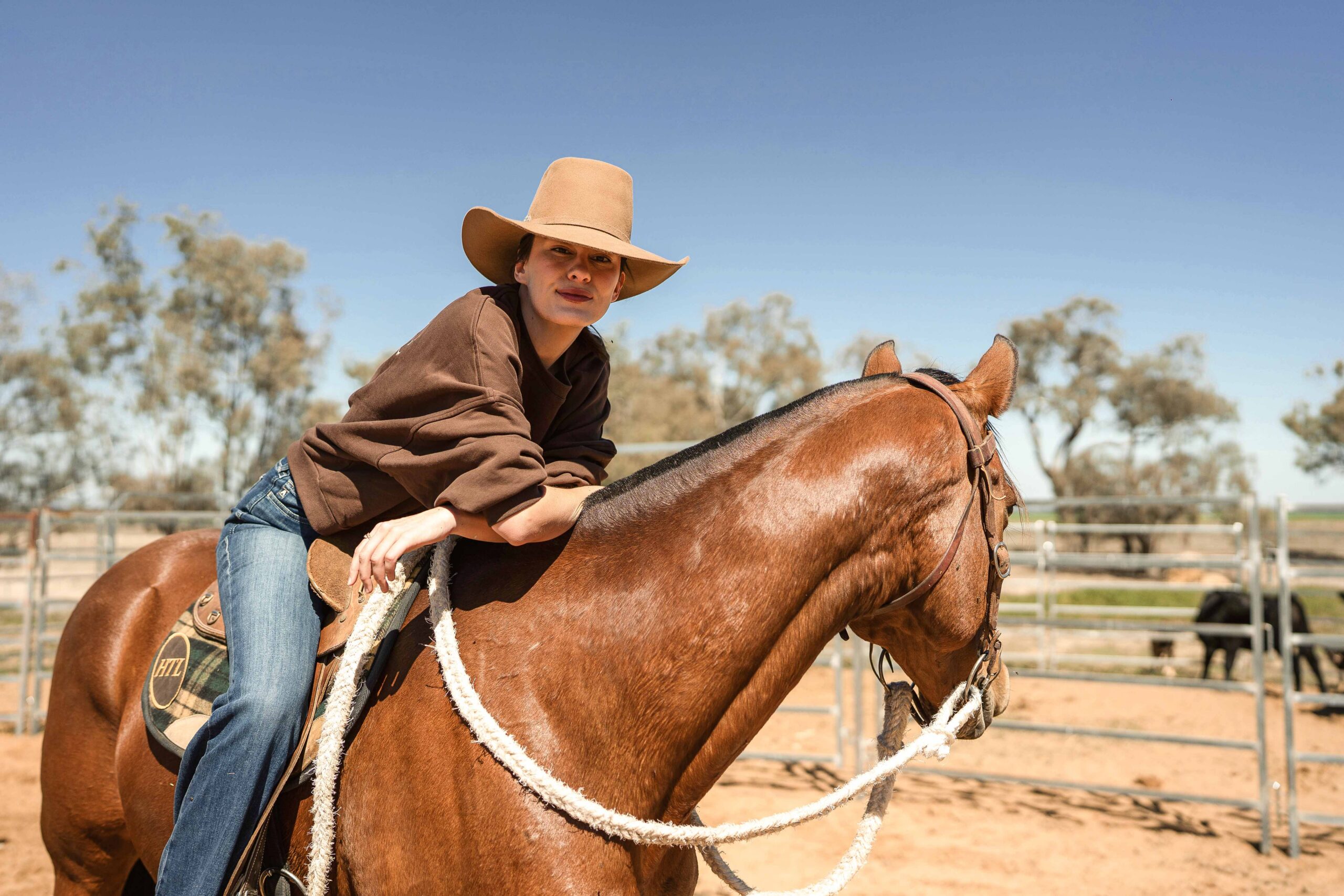
There are many ways to find a meaningful role in the industry, says Beef Australia’s Beth Rands.
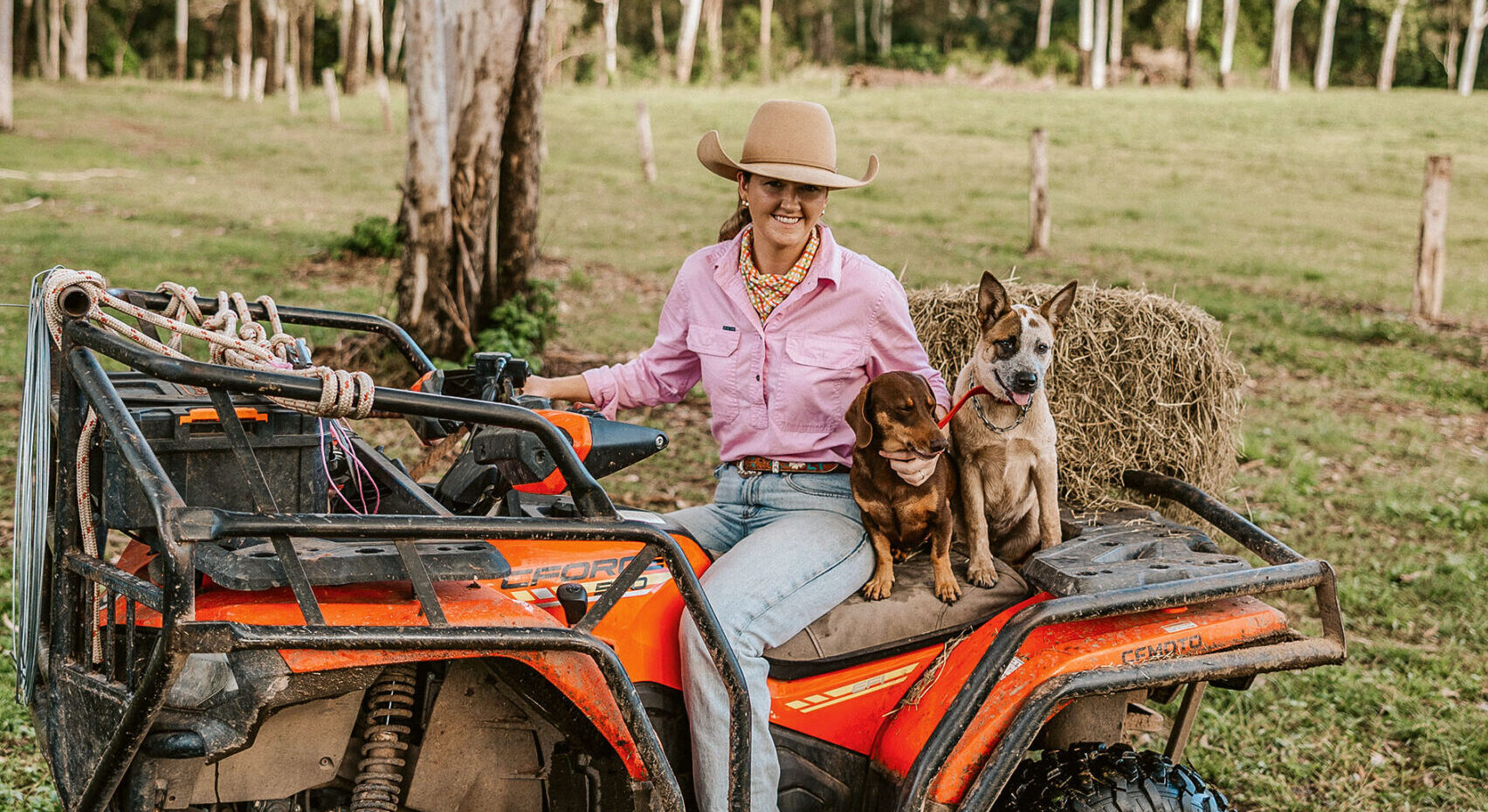
Hailing from a small Irish town, Lisa Fryer found love at Daly Waters’ Hi-Way Inn. Today, she and husband John are ushering in a new era for Tabletop Station, near Townsville, Queensland.
There are many ways to find a meaningful role in the industry, says Beef Australia’s Beth Rands.
Hailing from a small Irish town, Lisa Fryer found love at Daly Waters’ Hi-Way Inn. Today, she and husband John are ushering in a new era for Tabletop Station, near Townsville, Queensland.
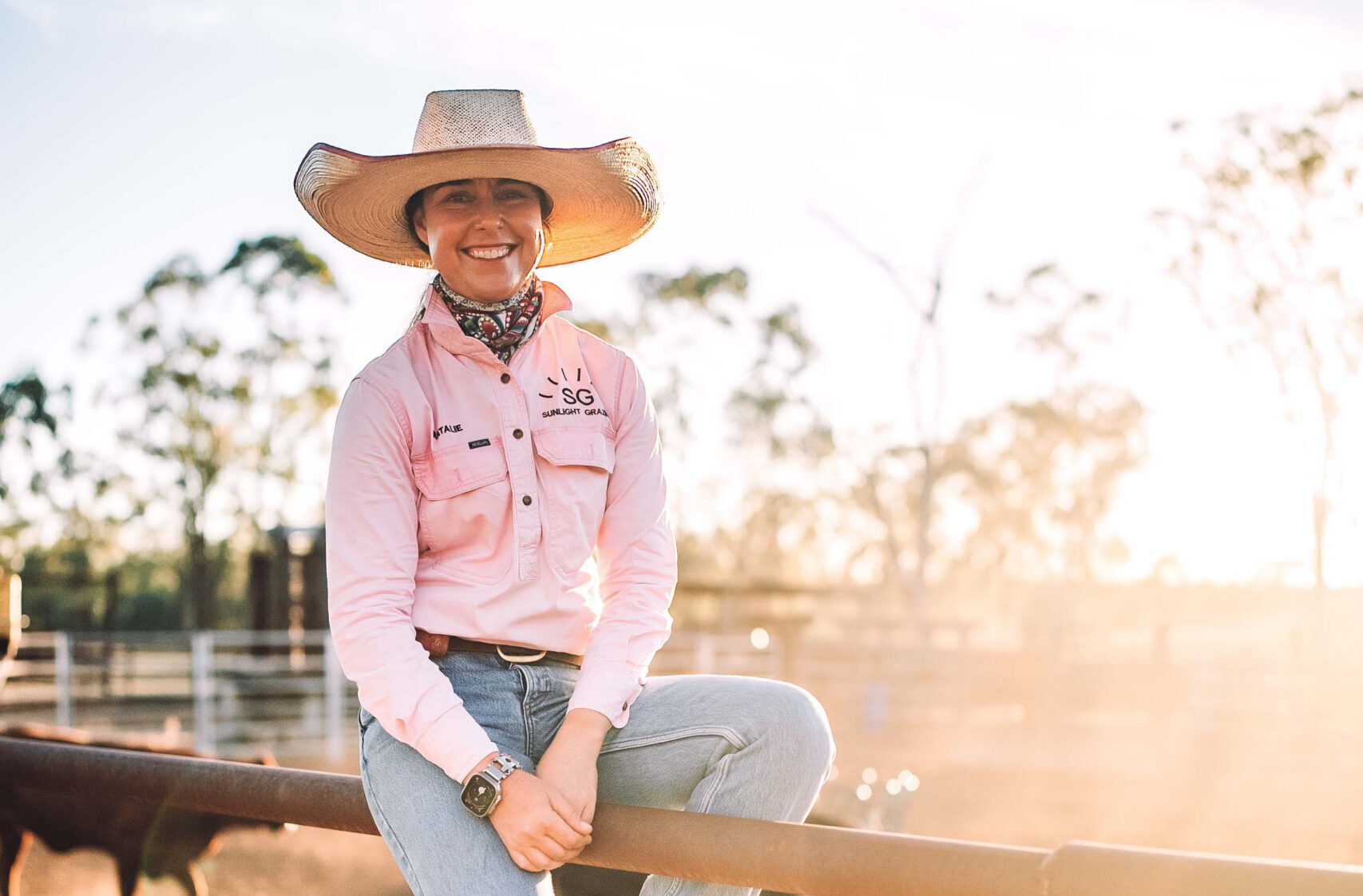
She says clever tech makes it possible to go it alone on the 4000 hectare beef-finishing property in central Queensland.