Sign up to our mailing list for the best stories delivered to your inbox.
Let parents be parents. Not watchdogs, executive assistants, cheer squads or litigators.
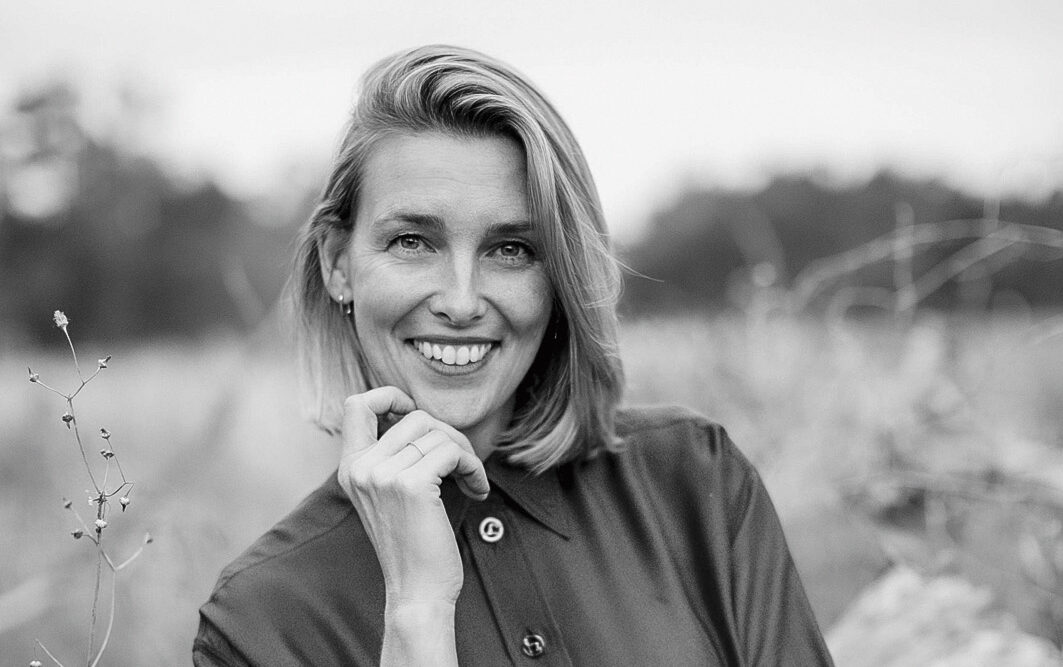
WORDS GRACE BRENNAN
I’ve seen it: the slight shift in weight; the gentle tilt of your shoulders; the flinch as you watch from the sideline. I know what you’re doing. You want to be out there. Part of you is. You’re on the pitch, passing, catching, dodging, striving. But you’re not. Your kid is.
I’ve heard you in meetings, seen you in the zooms. Searching for holes, scrutinising decisions, challenging choices, asking for more. We hear you. And as a result, we don’t hear from others.
I think we might be the problem. Us parents. We’ve become like the bus monitors of my childhood, the ones who took their job far too seriously. Charged with telling us which bus had arrived at the gate in a loud, officious voice — despite us being able to see for ourselves. They were in command and they needed us to know it. Maybe they were terrified of something going wrong?
* Checks ‘Year 8 mothers’ group’ notification. Responds: ‘Yes, true. Should we be doing something about the bum-part-slick-back ponytail trend? Make it stop. Gritted teeth emoji. Laugh emoji.’
A friend who is a primary school teacher called me recently. She didn’t have long to talk because she’d had a ‘busy morning’. She had spent the past three and a half hours discussing sports day with two different sets of parents who were unhappy with the scheduling or the track conditions or was it the hue of the blue ribbons? I can’t be sure.
Whatever it was, it wasn’t worth her time. Her voice sounded thinner than normal, she was tripping on her phrasing as we spoke. These parents — the squeaky wheels — had succeeded in undermining her. “Gotta go,” she said abruptly. “Got to find the energy to actually teach this arvo.”
In fact, I wouldn’t be surprised if there are tutorials titled ‘How to make a parent think you are doing what they want while still actually meeting the needs of their children’. It’s likely sandwiched between subjects such as: ‘Digital boundaries: how to avoid being stalked by parents on private messenger’ and the popular ‘Playground parkour: useful tricks for avoiding angry parents at school gates’.
As ‘parent’ transitioned from being a noun to a verb, somewhere along the way we lost our minds. In the pursuit of high-performance parenting, we have stitched ourselves up. We are now watchdogs. Executive assistants. Cheer squads. Litigators.
* Checks ‘Under 11s netball parents group’: Thumbs up. Thumbs up. Thumbs up. We’ll go with the blue stripes.
Dozens of WhatsApp focus groups are established to discuss minutiae that we didn’t know we needed to know a minute ago. Saturday sport has morphed into a timetable of everyday commitments that leaves no room for error. Stress-inducing accuracy is required to get through the week and ensure our children are ‘the best version of themselves’ (read: not average). But at what cost?
We track their progress scrupulously. We even physically track them with an app. (Which, frankly, deserves deeper discussion than I have time for.) We hold teachers and volunteers to account in a way that deters the sane. School reports resemble instruction manuals, with language surely designed to confuse and bewilder in the hope of silencing critique.
* Checks ‘Year 6 School Camp Updates’ loop. Update: ‘We have just called in to McDonalds. The children are loving their nuggets. Canberra here we come!’ Responds: ‘Heart emoji. Clapping emoji.’
I once heard the renowned psychotherapist Esther Perel describe the challenges of modern relationships: where once a parish or community may have served to support the needs of an individual, now we expect our partner to meet that spectrum of needs. Our partner must be our best friend, lover, trusted confidante and intellectual partner. It is a vexed position.
I can’t help but think there is something similar happening in modern parenting. The child has become a symbol. They must reflect our entire worth back to us; squash all our insecurities and affirm all our hopes. The worst part? We assume their success hinges on us ‘bus monitors’ paying attention.
Dear parents, it’s time to hand back the badge. The kids are fine. We’re the ones that need saving.
Grace Brennan founded the Buy From The Bush campaign. She lives near Warren in western NSW with her family.
Subscribe to Graziher and you’ll never miss an issue of your favourite magazine. Already a subscriber? Consider gifting a subscription to someone special in your life.
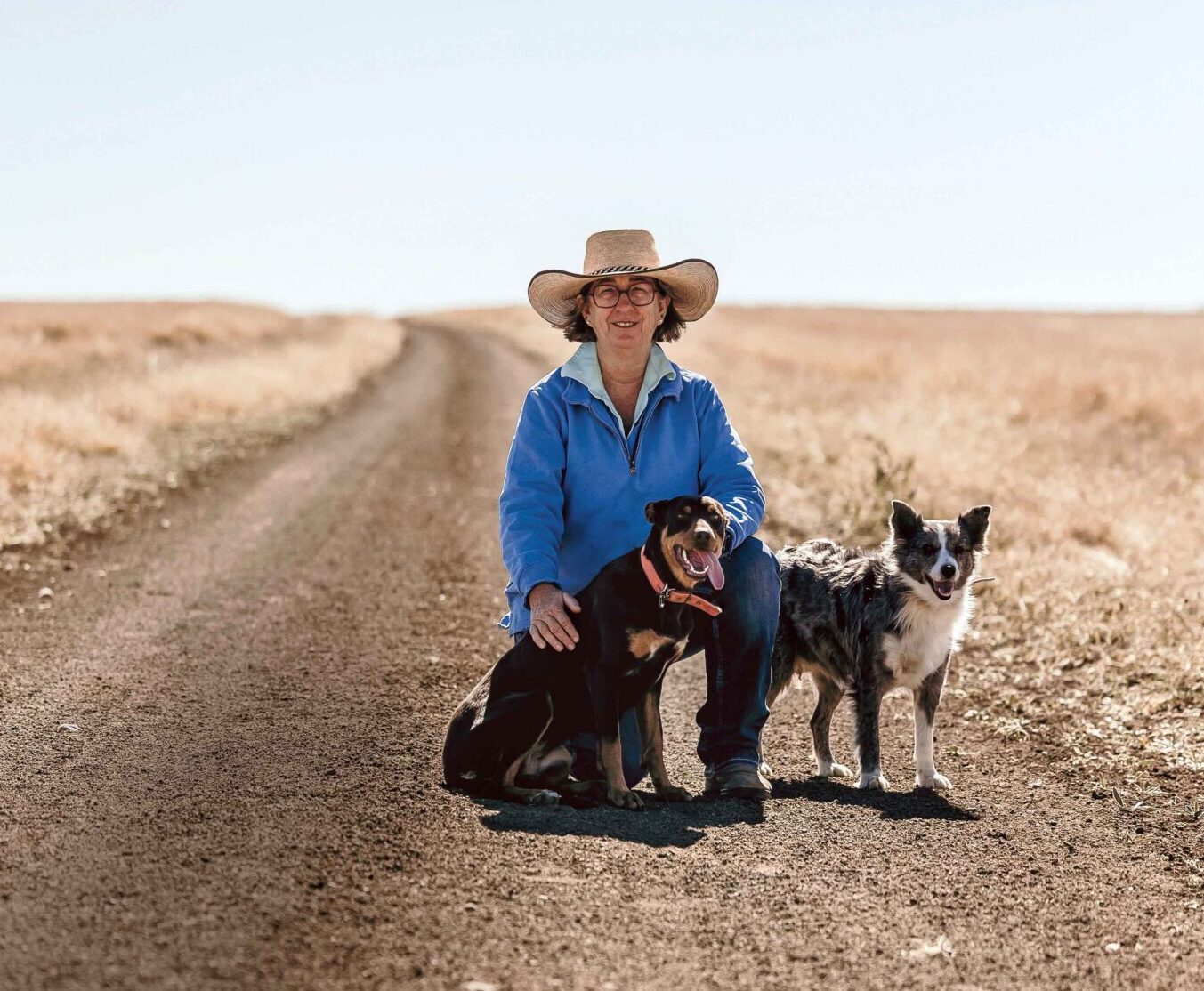
In her youth, she struggled to find her place. Now, Louise Martin knows where she needs to be: in Tambo, making sure rural children get the education they deserve.
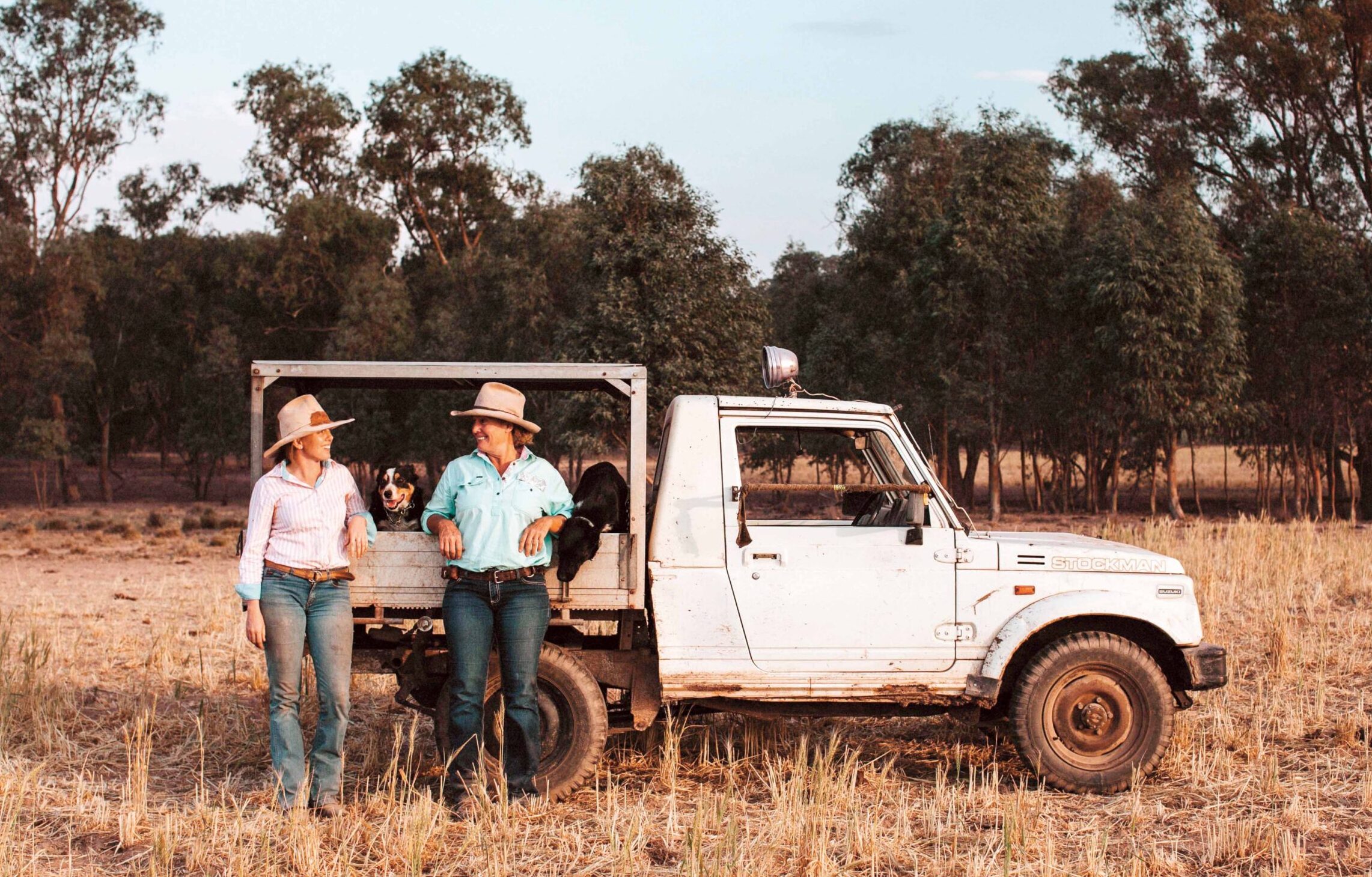
For Chris Ferguson, the grieving process has meant letting go of the life she and Matilda created together.
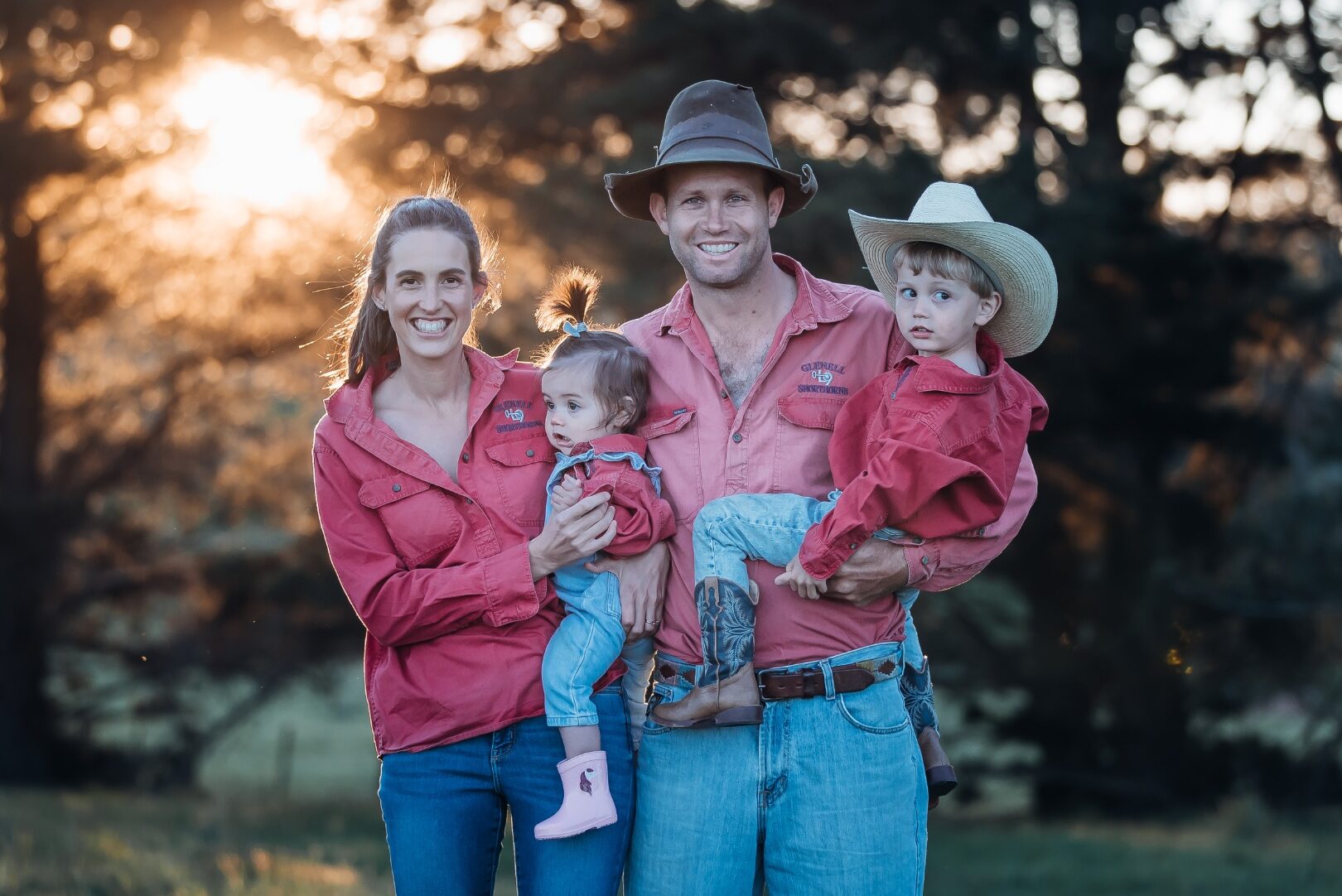
They share their stories in the hope that others will find comfort in a time of unfathomable grief.
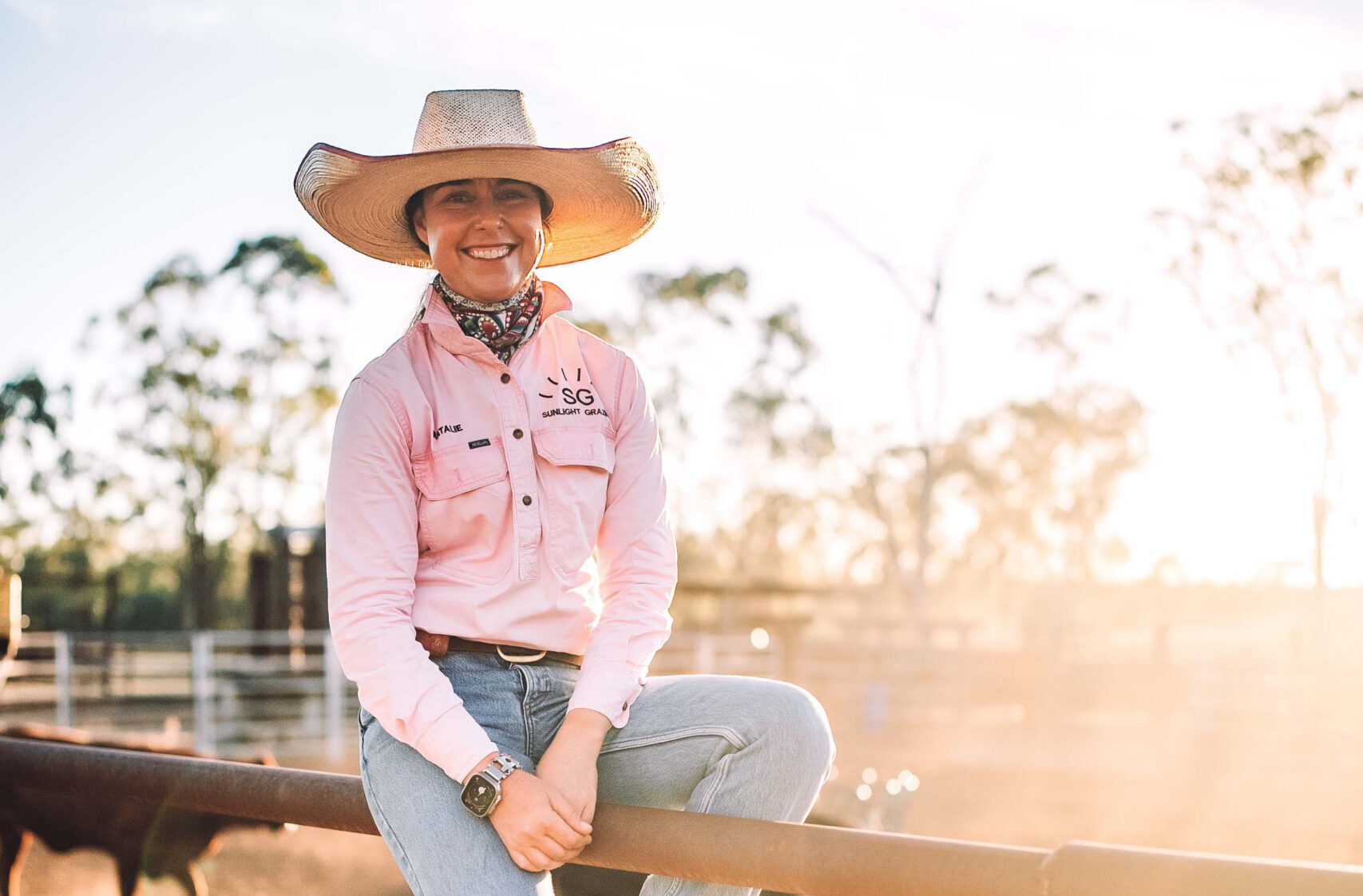
She says clever tech makes it possible to go it alone on the 4000 hectare beef-finishing property in central Queensland.
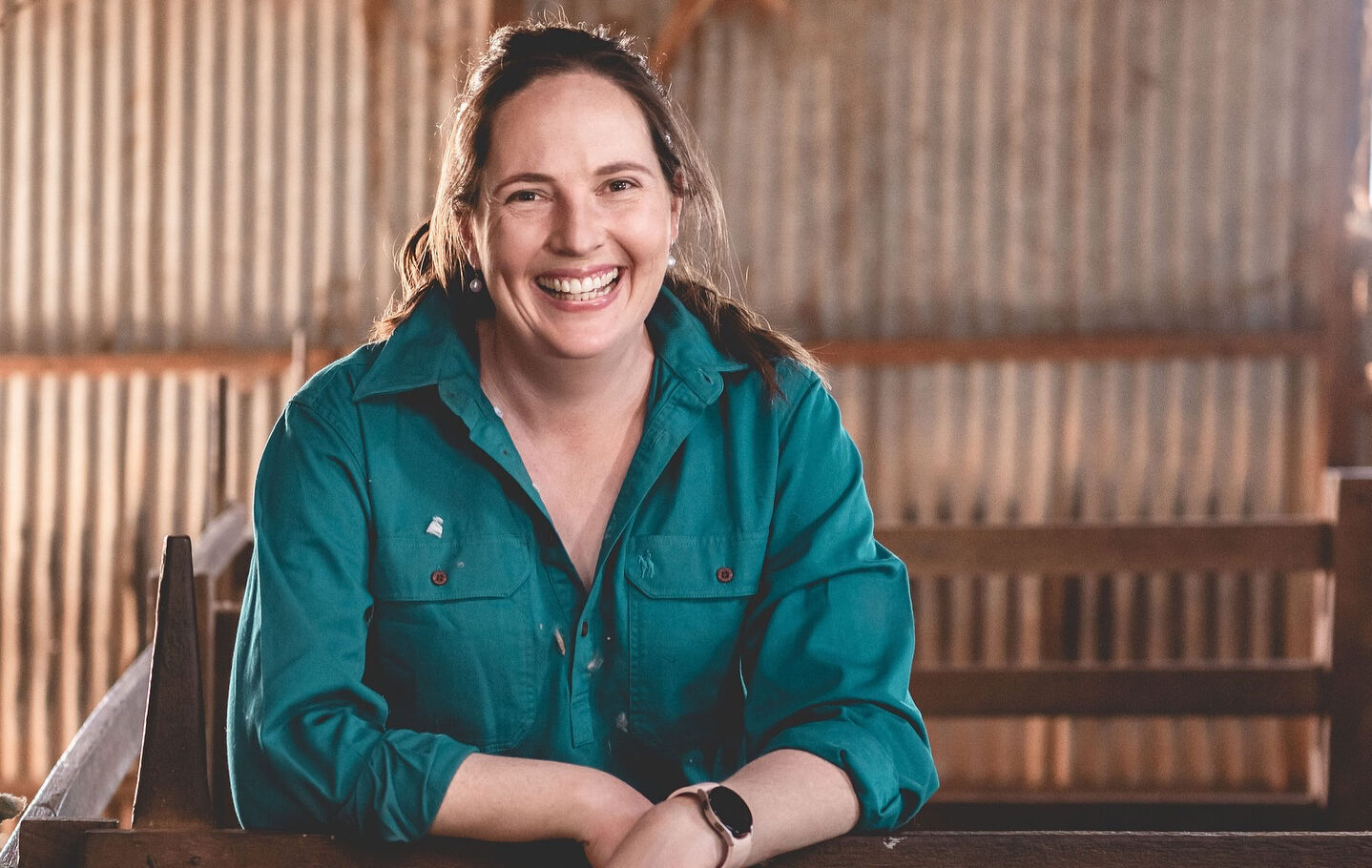
A farmer, mother-of-three and psychologist, Steph Schmidt understands what it’s like to be deep in the trenches.
She says clever tech makes it possible to go it alone on the 4000 hectare beef-finishing property in central Queensland.
A farmer, mother-of-three and psychologist, Steph Schmidt understands what it’s like to be deep in the trenches.
Members of the Graziher community capture rural life as they experience it, from Pompapiel in Victoria to Queensland’s Elrose station.