

PHOTOGRAPHY ANGE STIRLING
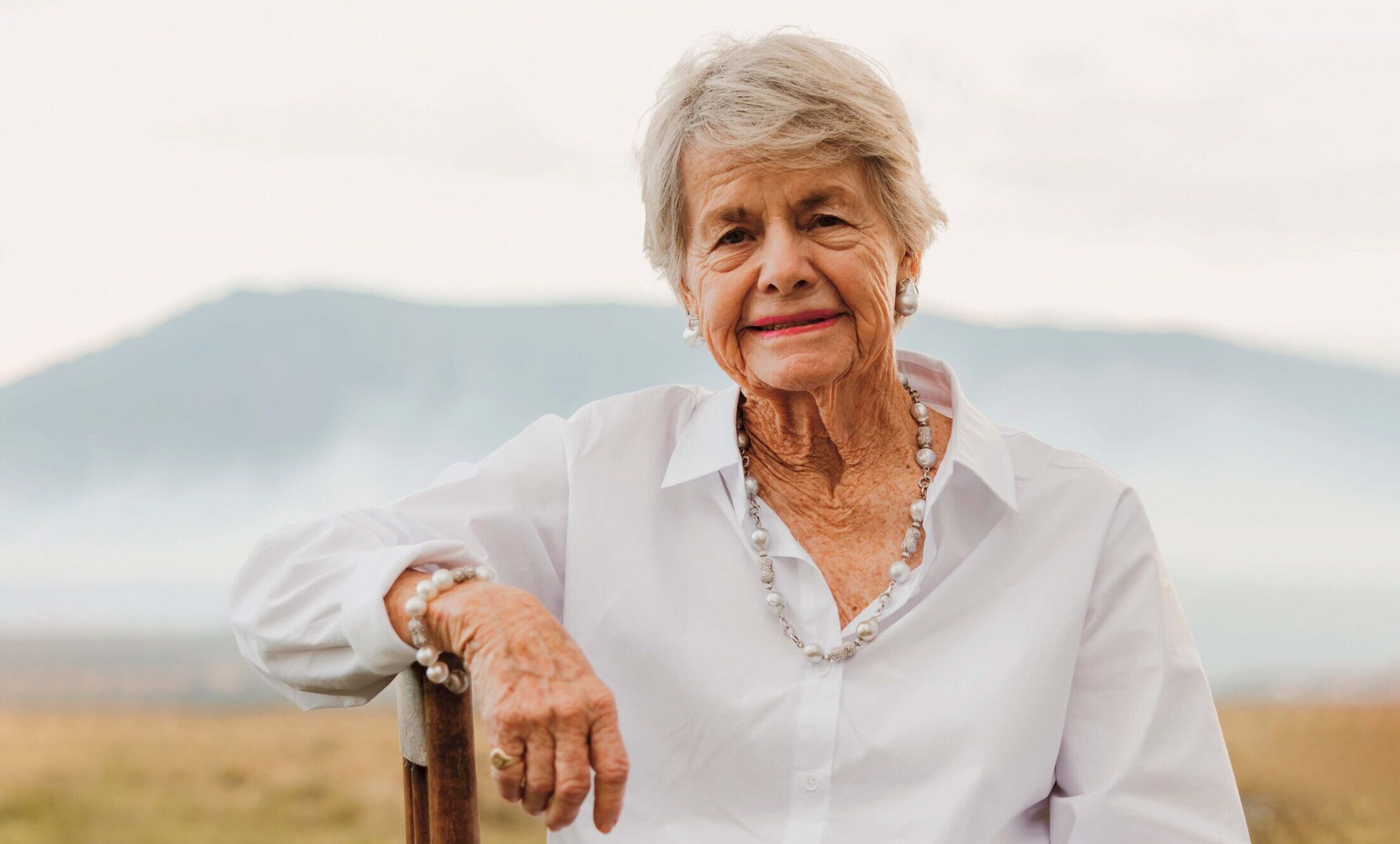
Kerry O’Brien is more than just a wine producer: her latest degree is in economic and regional development.
Sign up to our mailing list for the best stories delivered to your inbox.
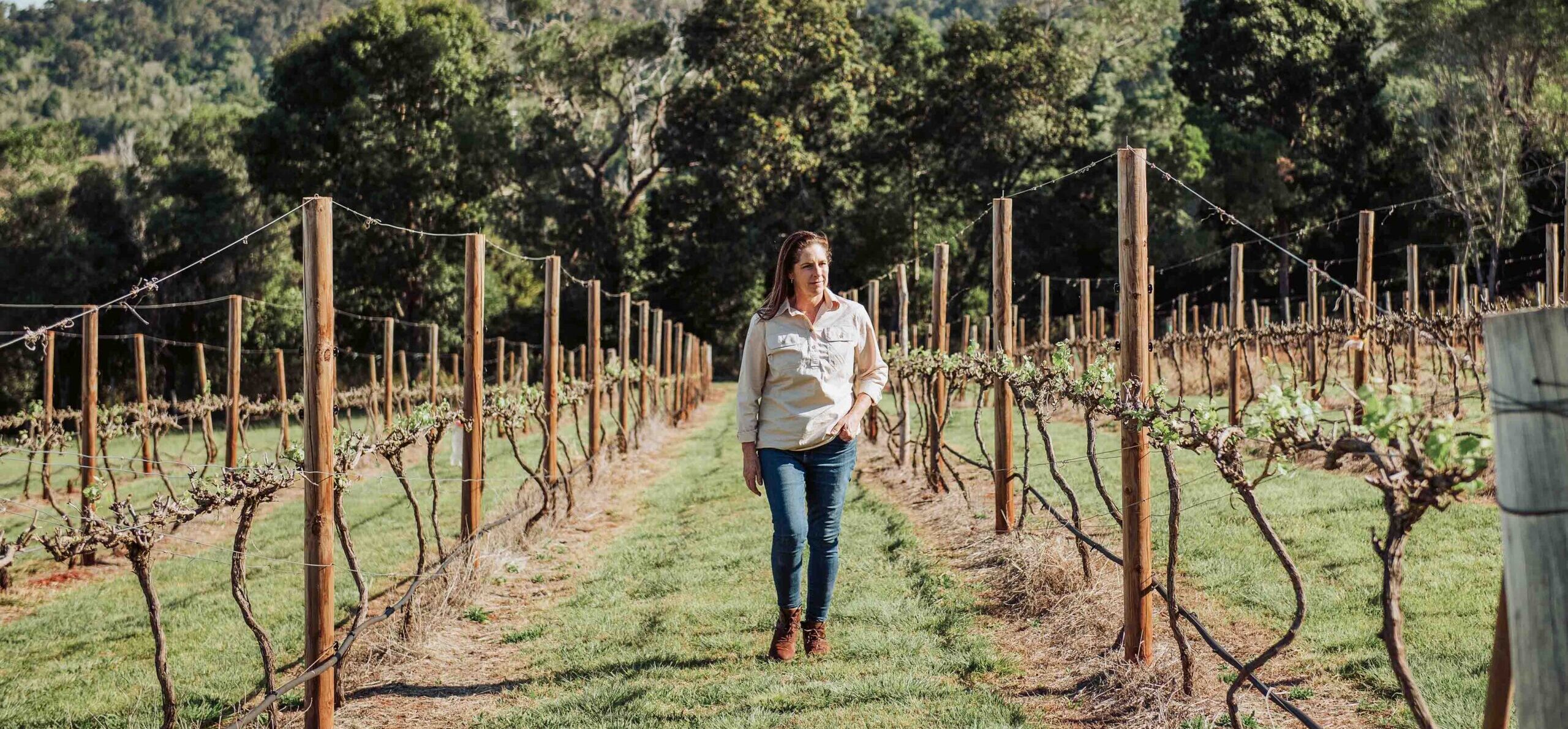
Whether she’s strapping an athlete’s injury or tying up a grapevine, Kerry O’Brien is ready to embrace life’s challenges.
WORDS ROBIN McCONCHIE PHOTOGRAPHY ANGE STIRLING
PHOTOGRAPHY ANGE STIRLING
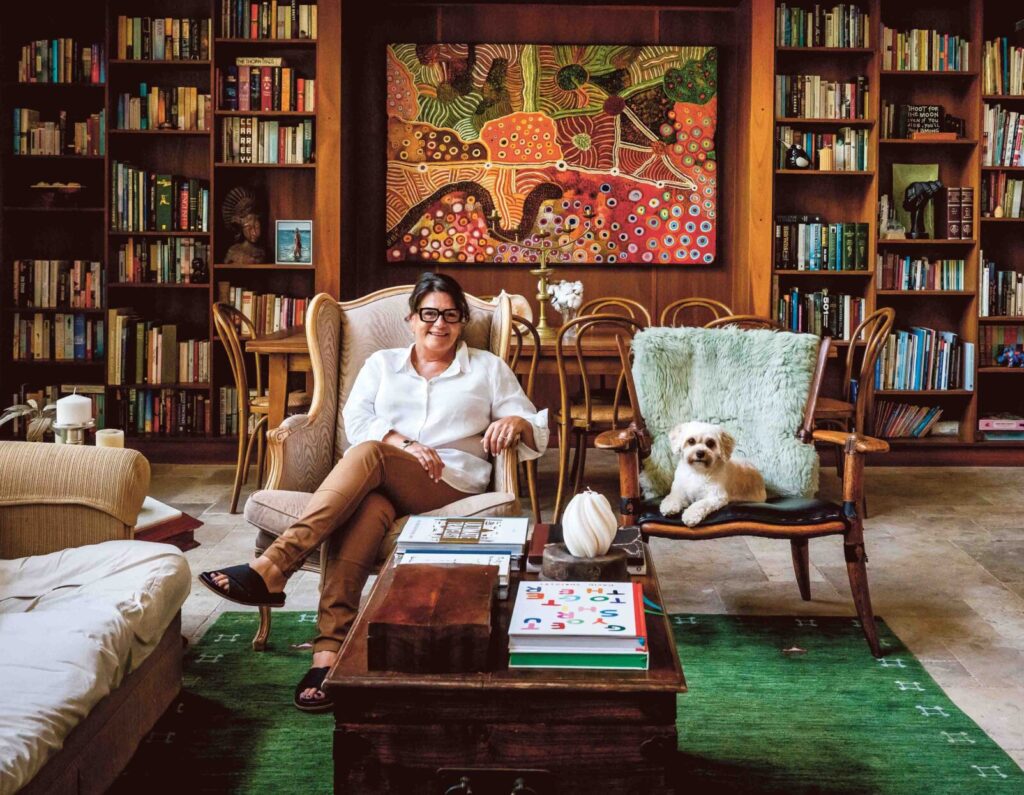
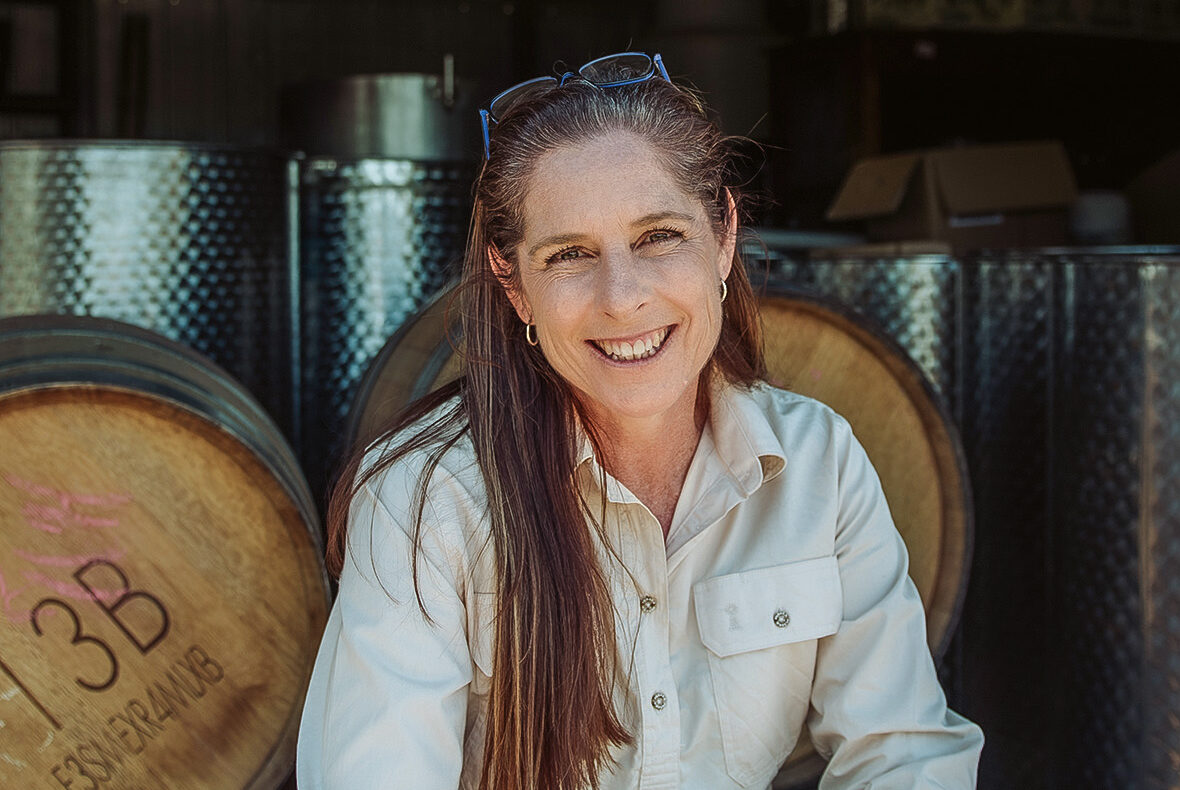
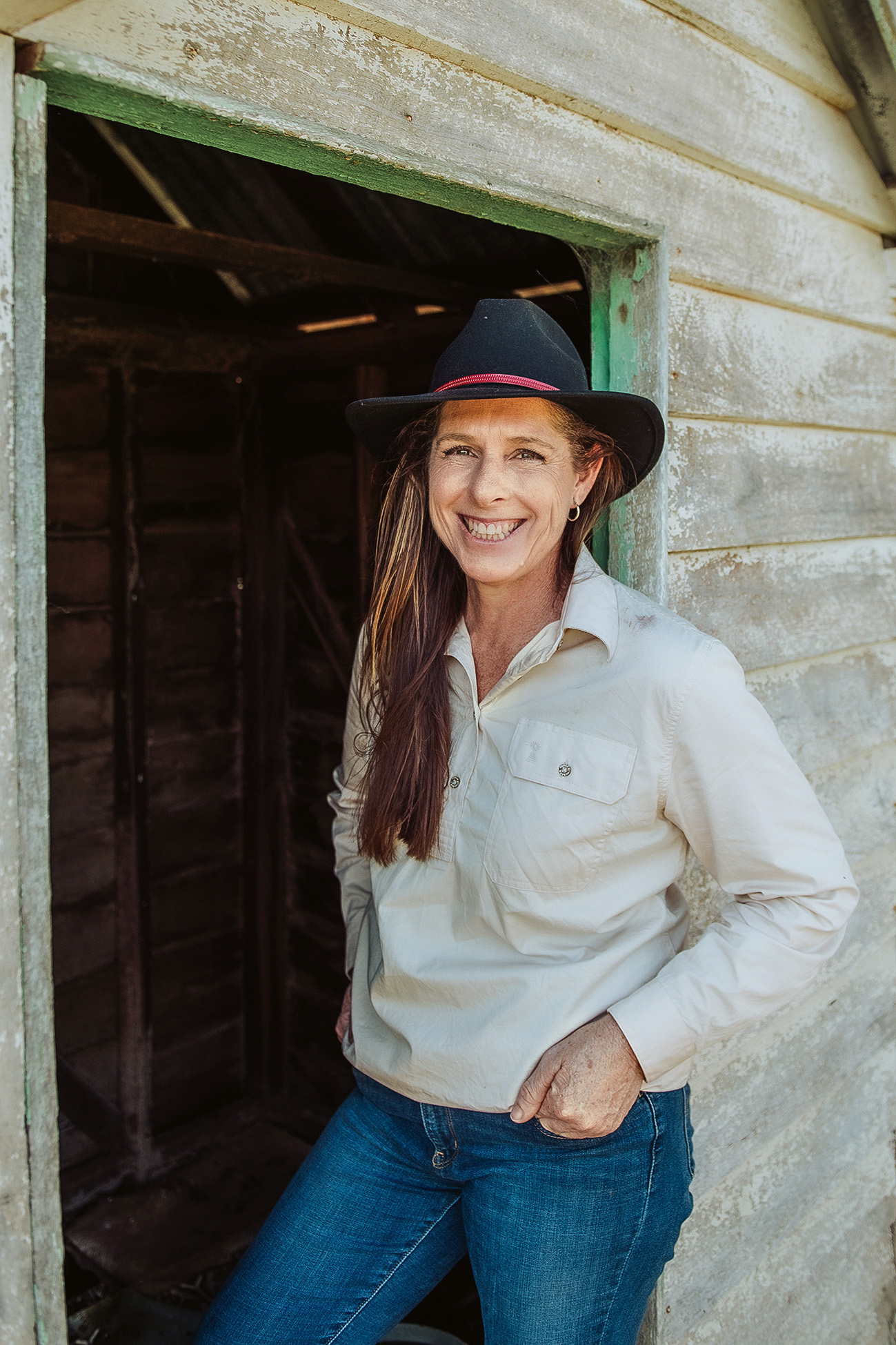
Kerry O’Brien is more than just a wine producer: her latest degree is in economic and regional development.
PHOTOGRAPHY ANGE STIRLING
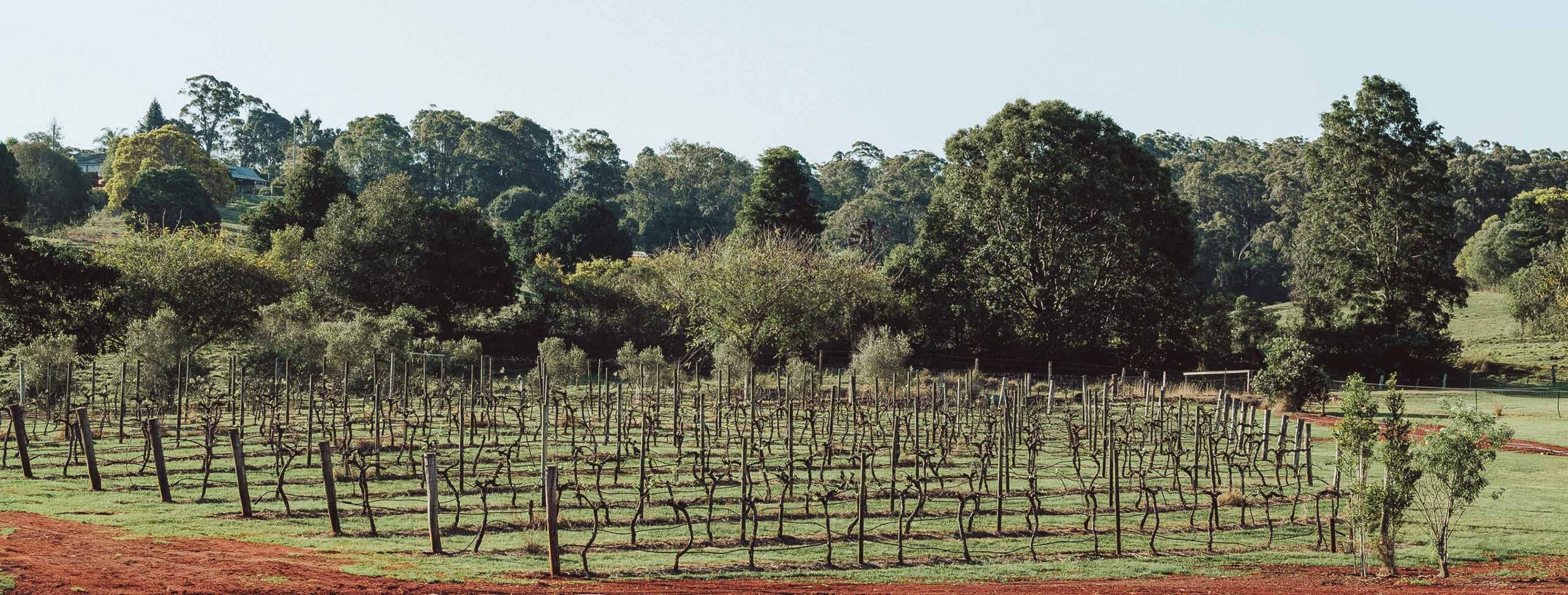
The vines at Hillsdale Estate in Queensland.
“There are tremendous opportunities to be involved, whether in the area of technology, engineering, science, or economics, to name a few. These days, you can apply so much learning and put so much of yourself into an agricultural journey. It is about taking opportunities, even if they are outside your comfort zone; too often, we are risk averse. With every risk, there is an opportunity.”
Kerry, 50, has led a life of discovery. She is tenacious in following her passions and chasing her dreams. A farmer, community advocate and Australian Rules football player and coach, Kerry loves her work in the energy sector, but says her happy place is Hillsdale Estate, the small but productive vineyard and orchard that she and partner Tony Fellowes are renovating and rejuvenating in Queensland’s South Burnett region.
A quiet and reflective woman, Kerry shuns the limelight and is best described as an enabler who supports others to move forward. Her journey has taken her to seven Olympic and Commonwealth Games as a volunteer; to the Antarctic on a Homeward Bound women’s leadership program; to win gold medals for her wine; and to assist in breaking the male dominance of Aussie Rules football.
As diverse as that journey has been, each adventure has helped Kerry develop as a person, and she would encourage others to explore the opportunities that come their way.
“My journey has always been about taking opportunities and not limiting myself because of the status quo. This has led to some unique experiences here and around the world. I have built some fantastic networks and made many friends.
Kerry grew up in the Adelaide Hills in Mount Barker, a quiet country town where kids played Aussie Rules football in the street. Her father ran a market garden and nursery; her mother was a midwife and nurse at the local hospital.
PHOTOGRAPHY ANGE STIRLING
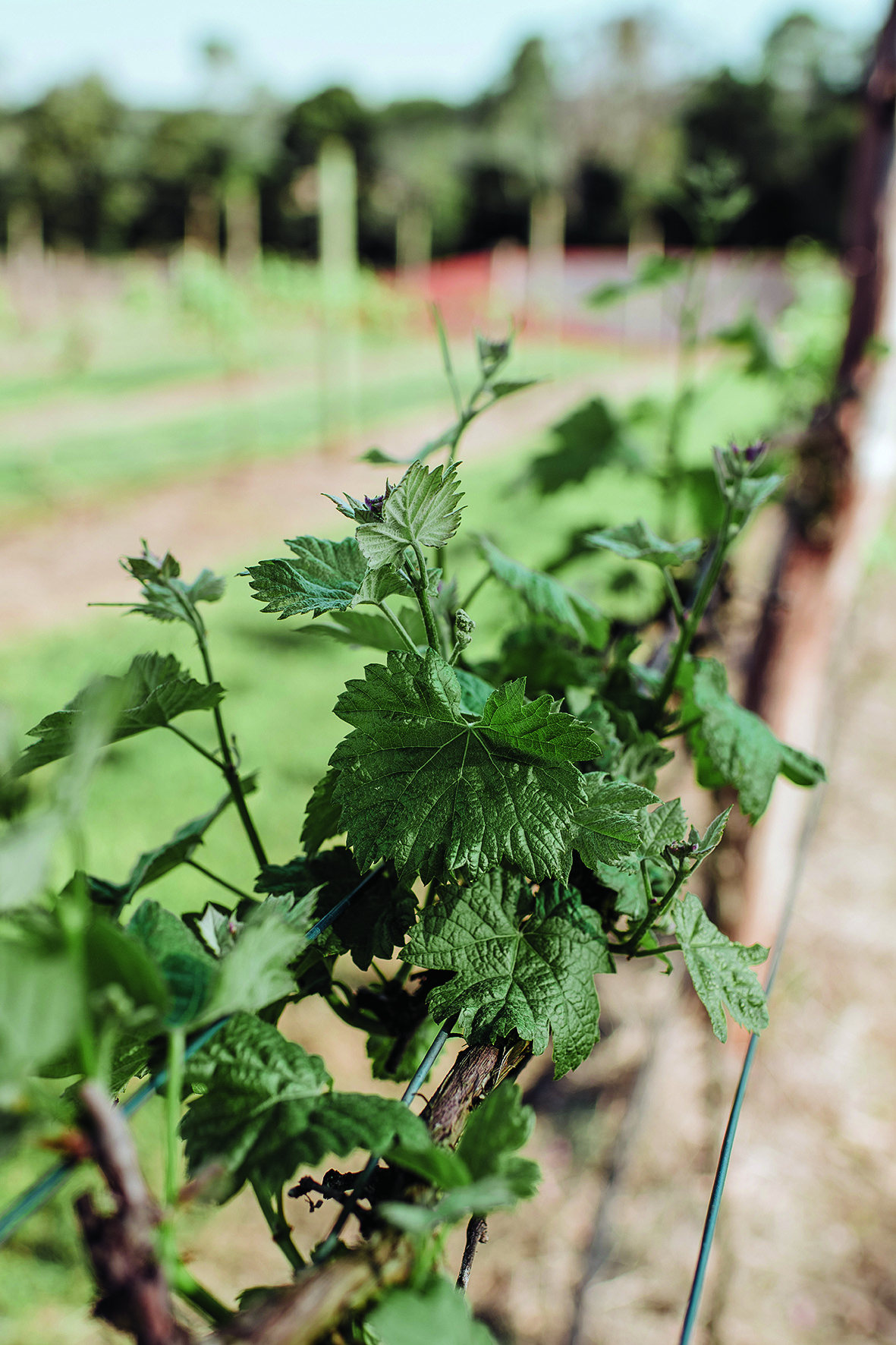
Vines at Hillsdale Estate, one of Queensland’s smallest wine producers.
PHOTOGRAPHY ANGE STIRLING
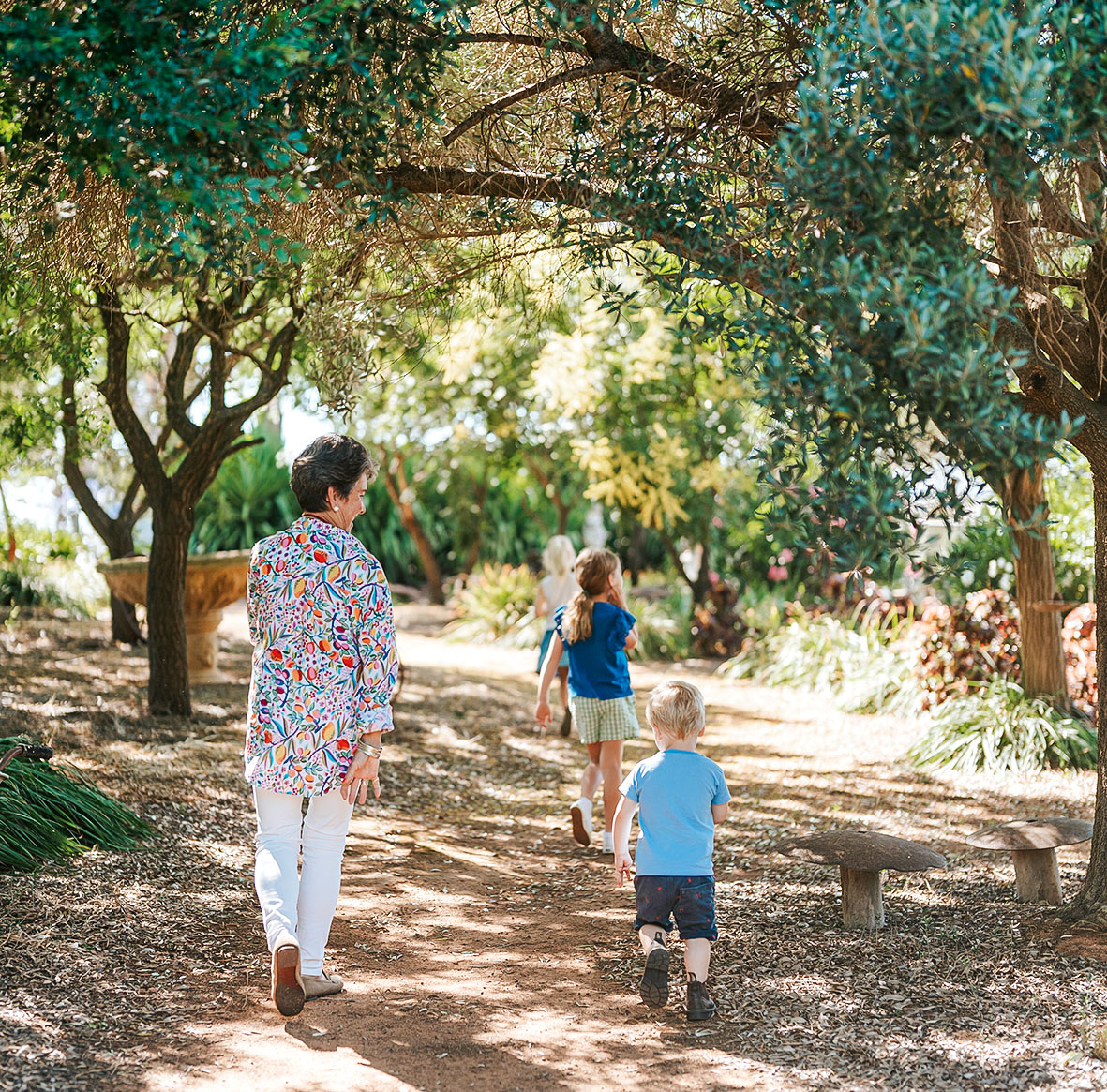
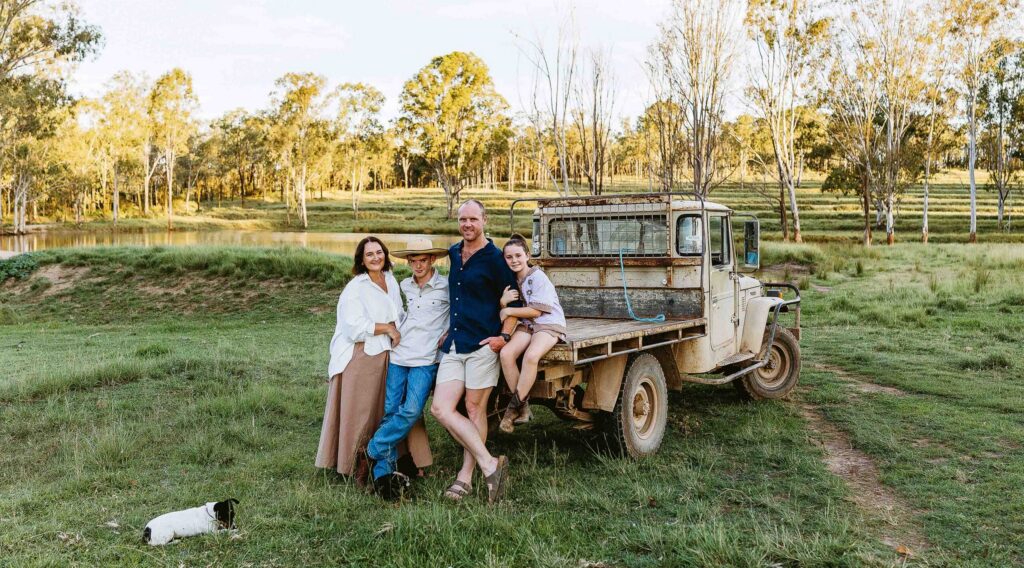
Kerry purchased a run-down Hillsdale Estate in 2016 with her partner Tony and her father Trevor.
How did your country upbringing and your family’s support influence your choices as an adult?
I’ve been blessed with two wonderful parents. My mother, Joy, was a midwife and a district nurse in a little country hospital. She was always there to help and support people, and that’s an innate part of who I am. On my dad Trevor’s side, it’s been all about botany, plants, soil, dirt, rocks and geology.
As a youngster, I was curious about everything, not just learning it was a Melaleuca but also wanting to know the full botanical name and how it grew.
It was a small, safe community, and I had room to express myself. Even as a kid, I challenged a few norms, mainly wanting to play Aussie Rules football rather than netball, which presented hurdles we had to navigate.
Dad spoke to the school and the coaches and, in the end, they didn’t say that I couldn’t play, so I did. It was challenging for an eight-year-old girl to understand why some parents would say, “We’re not going to play if she’s going to play”, or “We can’t play fairly if she’s playing, because what if our sons hurt her?”
I couldn’t understand their concerns: life was full of rough and tumble when we played as kids. Parents did not seem to accept that girls could have the skills and desire to play footy. It was one of my early experiences of gender bias or inequity.
So one thing led to another: in the ’80s, when most girls’ footy careers ended once they hit high school, what made you determined to stay in the sport?
When I reached my early teens, I wasn’t allowed to play any more. Luckily, that has changed, but back then I had to look at alternative ways to stay involved in the game. I started by helping on the field, then I did a sports first aid course, which I found interesting. That led to becoming a sports trainer, then a level two sports trainer and moving into sports massage. Later, I studied sports injury management, became an umpire, became a coach, and it kept evolving. Eventually, I was coaching women’s AFL and, at the ripe old age of 46, I played my first game of women’s open AFLW.
How did you feel running onto the field for that game?
It was almost like a sense of fulfilment. It had been a journey. I’d navigated many obstacles and been the first to do so many things. I am pleased that the doors have opened and there is now a real pathway for girls and women.
How hard is it for a very private person to stand up and challenge convention?
It wasn’t about pushing boundaries; it was about having the opportunity to do the things I love. I love the outdoors, am competitive and enjoy sports requiring skill and strength. The team culture is essential to me. I played men’s cricket in the Adelaide Hills for years, and even that was frowned upon because [people thought] I should be playing softball.
Your interest in sports injury training led you to volunteer for the medical support team at several summer and winter Olympics and the Commonwealth Games. What was that experience like?
I am interested in the health of the athletes and want to help them compete at their best. I had wanted to go to the Olympics since I first saw the Moscow Games on TV in the 1980s. I was a good swimmer and trained hard; I even competed in the 100 metre butterfly event in the junior nationals against Susie O’Neill, ‘Madame Butterfly’.
When the Olympics were in Sydney I volunteered for the sports medical team while studying for degrees in science and sports injury management. It was a great experience.
I was on a medical support team for the less advantaged teams in the Olympic Village. Sometimes, those athletes were training in challenging situations or could not access facilities, knowledge and equipment like bigger teams. We were able to help them prepare for their events.
What did you love about working with the athletes?
You get to hear people’s personal stories, understand their journey, resilience and, often, the sacrifices they’ve made. You get to help people, feel the passion athletes have for what they do, and feel their pride in representing their country or local communities. It brings the Games’ human side to the forefront.
Did you have any childhood dreams about what you wanted to be when you grew up?
No, and I still don’t, to be honest. But I was curious. I wanted to know how things worked and asked, “Why is it so?” I loved learning, but my interests were very diverse. Plants, people and sports science go separately in the academic world. So now I have degrees in agricultural science, viticulture, commerce and human life science and a master’s in economic and regional development with a focus on resilience in rural communities.
You worked as a research scientist, in commercial viticulture and across to the energy sector, first as an environmental scientist and, in recent years, focusing on the impact of change on rural and regional communities. Did you always plan to get back to your roots on the land, and how did you choose Hillsdale Estate as a place to do that?
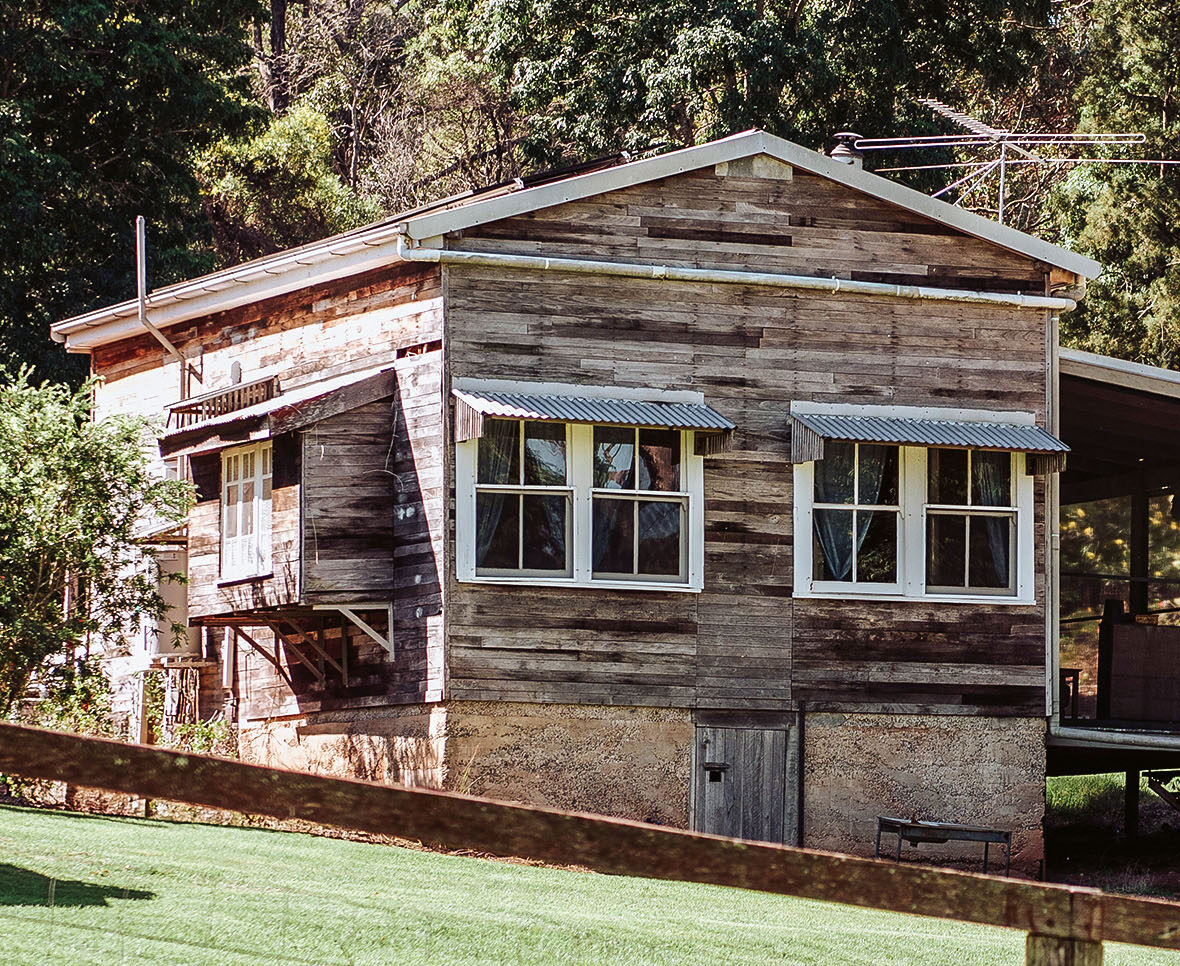
When we purchased Hillsdale Estate in 2016, it was very run-down, but it had a fantastic array of vines, fruit and nut trees, which I love. It is a beautiful valley on the edge of the Booie ranges with excellent, deep, rich red soil.
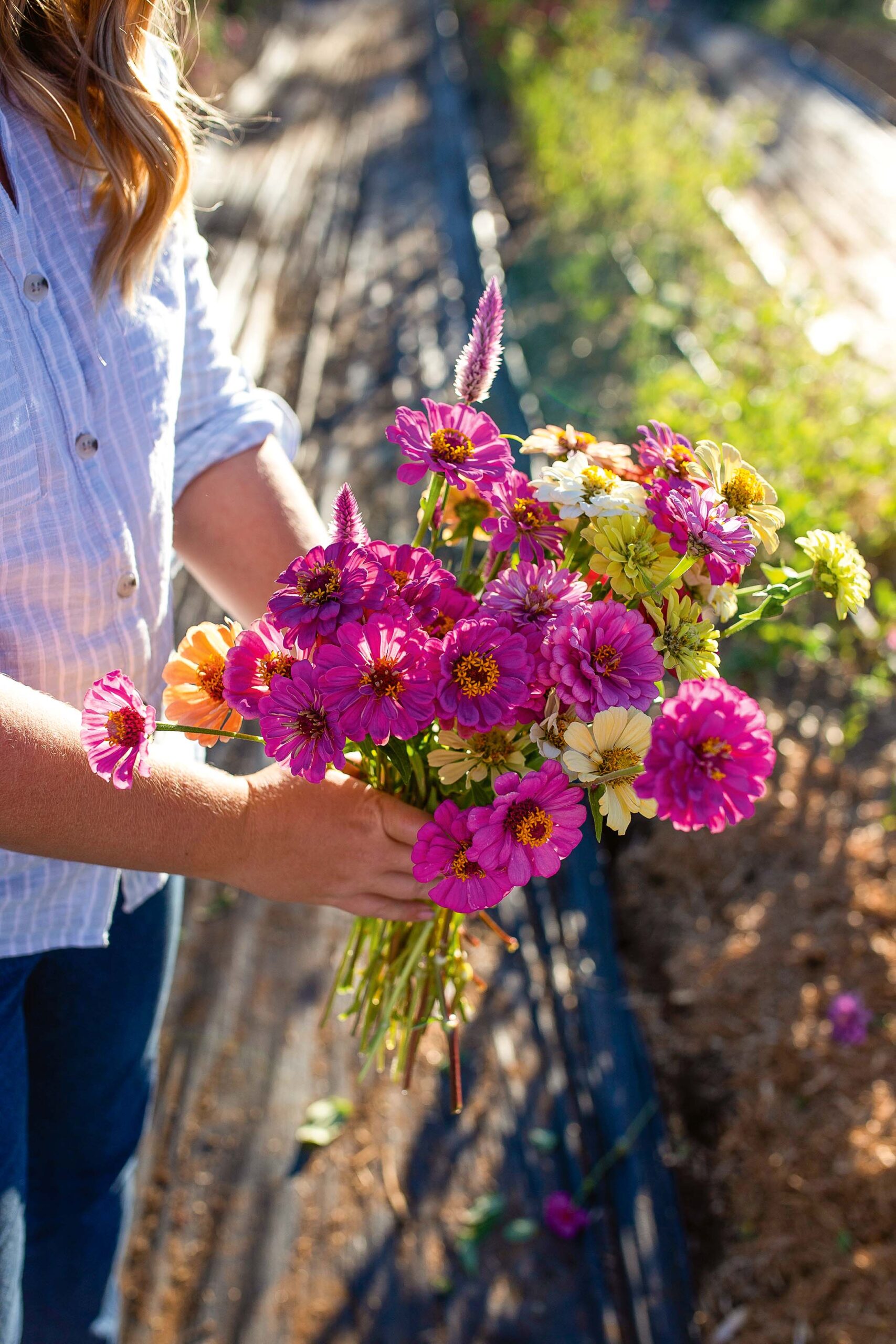
The farm is like a house with many rooms: our renovation and rejuvenation expresses who we are. Our unique microclimate allows us to grow mangoes, bananas, strawberries, wine grapes, cut flowers and nuts, and we try every type of vegetable we can.
The fruit trees and the market garden are at the top of the hill, and the vines are at the bottom. We don’t have dogs on the property, so we get koalas, wallabies, echidnas and a vast array of bird life, including parrots; it is incredible.
You have won gold medals for your wine in recent years, but it hasn’t all been plain sailing.
After we bought Hillsdale, we spent the first few years tidying up and were getting on our feet; we had our first batch of wine processed and were about to be registered as winemakers when a severe storm with tornadoes hit the district.
PHOTOGRAPHY ANGE STIRLING
“Our renovation and rejuvenation expresses who we are,” says Kerry.
PHOTOGRAPHY ANGE STIRLING
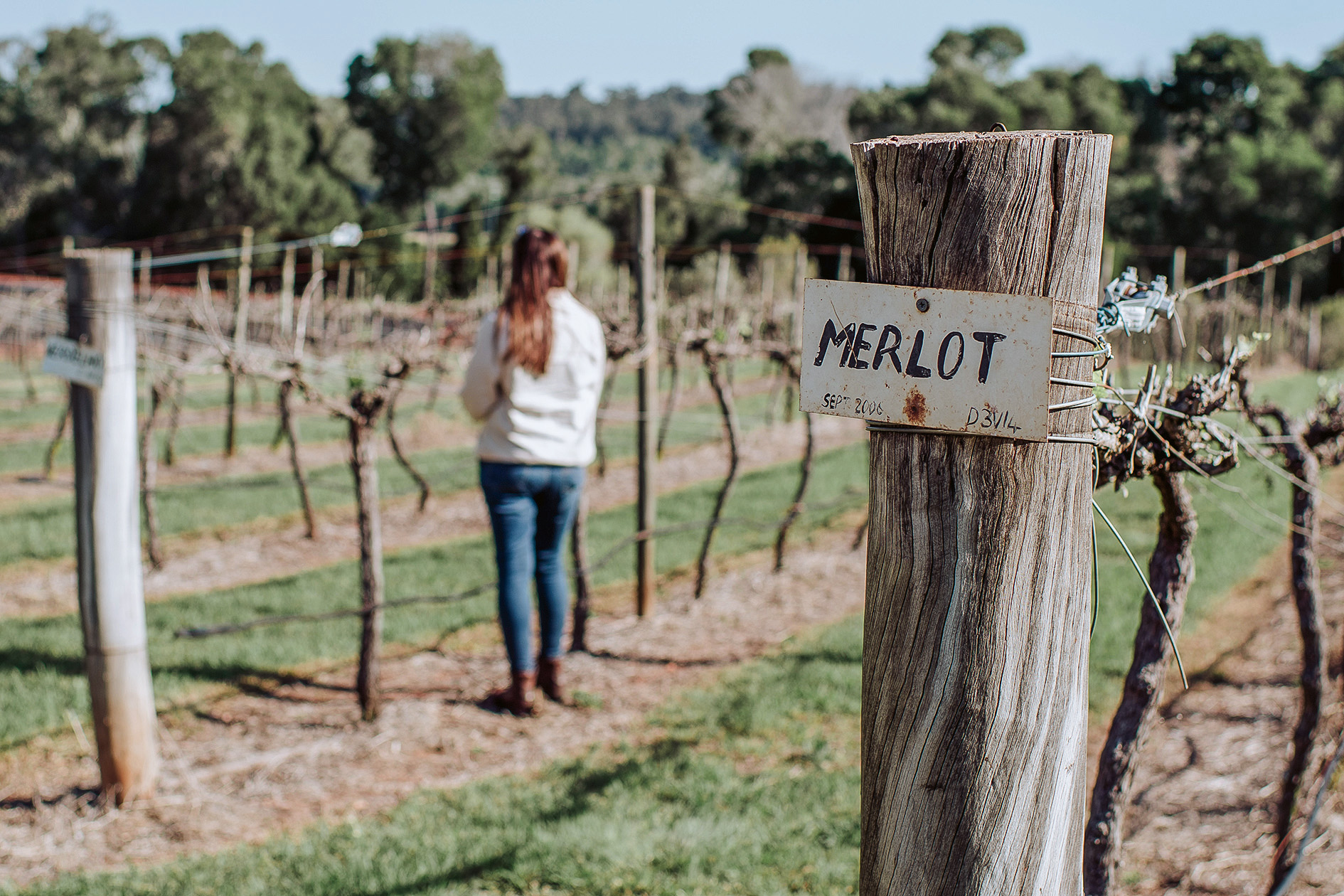
The Queensland farm is on the climatic verge for growing grapes.
What keeps you going?
My passion for plants and people makes me very happy to be out on the farm, working in the vineyard, where I can apply the scientific knowledge I’ve gained over the years by hand. I’m meticulous; it is very personal, and I find that rewarding. We are one of Queensland’s smallest wine producers, independent of international markets, so we can produce bespoke wines, which we sell directly and supply to local food and wine events.
The South Burnett is Australia’s northernmost growing region. Are you worried about climate change?
There is a risk around the climate; we are on the climatic verge for grapes. They like a Mediterranean climate: cold, wet winters and hot, dry summers, but we have had a lot of hot, dry winters and cool, humid summers. It is a matter of attention to detail: understanding the plants and the weather systems and looking for little cues that come early from nature. You will fail if you have the same routine year in and year out.
Tell me the story behind your renowned Sparkling Kristalwyn.
We are developing an old-world grape variety called Crystal, which I discovered in the Adelaide Hills. It has been a 15-year journey working with scientists in France and Cape Town, South Africa, to find its origins and qualities. We are one of only two vineyards that grow Crystal in Australia, and we like it a lot. It has a nice fruity sweetness, and the tannins are low.
To make the sparkling wine, we use traditional methods that involve using 100-year-old riddling racks and the slow turning of the bottles, which brings out some of the nice yeasty creamy flavours and subtle fruitiness. It is good!
In 2014, Australian women, polar scientists and leadership experts established the Homeward Bound project to raise women’s profiles and leadership skills in Science, Technology, Engineering, Maths and Medicine (STEMM). Women worldwide could apply for the program, culminating in a trip to the Antarctic.
The vision was to have a worldwide cohort of 10,000 women in STEMM involved in environmental and climate change decision-making by 2036. I applied for and earned a position in the first intake: it was a life-changing experience.
I was starting on more of a personal development journey. I was beginning to understand that my passion wasn’t just for science and plants but for people. The leadership program was an opportunity for me to grow personally and professionally. To be honest, the old ‘imposter syndrome’ kicked in: I thought I didn’t have what it takes to get in, but I did.
We had a cohort of magnificent women from all walks of life around the globe. They all had different drivers and skills, backgrounds and levels of influence. Some worked in the Intergovernmental Panel on Climate Change, some in the United Nations, and others were agency or industry leaders, research scientists or professors.
It was awe-inspiring and the experience of a lifetime to see Antarctica’s pristine nature, but terrifying to see the impact of human activity and climate change on the region and the wildlife. You realise that every action we take as a society has a reaction. In many cases, our activity hurts such a vulnerable environment.
The leadership program was challenging, and while the imposter syndrome was quite real, it did make me think, “This is where I could use my curiosity, knowledge and understanding of systems to get the information and data to support informed decision-making in rural and regional communities.” I pursued the idea further, asking what makes some communities survive and thrive and others fall by the wayside. I returned to university where I studied for my master’s degree, focusing on resilience in rural communities.
For my research, I contacted some fantastic women working in regional areas, from cattle producers to radiologists, sports coaches, construction engineers and farmers working along the supply chain from paddock to plate. We looked at the challenges, limitations, and opportunities they saw in their lives and work.
What did you conclude?
It is about how a community initially copes with shock or significant change, whether positive or negative, and how it adapts to that. Resilient communities have a sense of well-being, belonging and stability. There is strong leadership, and the community ensures it is involved early in any discussions about change, takes an active role and works collaboratively to manage change.
However, community resilience levels vary dramatically, so a cookie-cutter approach to community development is not possible. Some communities have faced massive trauma — from floods, fire, or drought — and are in the coping phase. Others have seen benefits flow from growth in agri-food or tourism, while still others are negotiating with the energy sector.
Rural and regional areas are facing enormous change with the move toward clean energy. How has that impacted your approach to community advocacy?
I’ve moved through the energy industry from an environmental background to more community and social platforms, where data is needed to make informed decisions. It’s also about supporting communities as the dynamics change, whether in a mining context, a resource context, an energy context, an agriculture context, or even other industries, such as tourism.
It’s about understanding communities and advocating for them within sectors, but also being able to give information back so we can have good dialogue and communities can fully participate. It brings quantifiable data about community social outcomes into some critical decisions.
Reflecting on your journey, you said you refuse to be pigeonholed and are determined to grasp opportunities when they present themselves. How do you build the courage to move out of your comfort zone or buck the status quo?
With the old leap of faith: you have got to believe in yourself and your ability and trust your instincts.
I’m one of those people who have never lived to a plan. I’ve always been able to ask how this opportunity will fit in with the wheels I’ve got in motion. I’ve never wanted to say, “Jeez, I wish I did something”. I have always wanted to say, “I remember when I did that”. Grasping opportunities is the way that we move forward. There might be risks, but every risk presents an opportunity. We tend to be risk averse, but I believe we should focus on the opportunity.
Writer Robin McConchie is a former ABC presenter and member of the Queensland Rural Press Club Hall of Fame.
Subscribe to Graziher and you’ll never miss an issue of your favourite magazine. Already a subscriber? Consider gifting a subscription to someone special in your life.
The Olympic gold medalist chats to Graziher about her love of the land and how the work ethic her parents instilled in her from a young age has helped her persevere through setbacks and injuries.
In this conversation with Graziher, Shanna reflects on her journey and what the future holds.
There are many ways to find a meaningful role in the industry, says Beef Australia’s Beth Rands.
Hailing from a small Irish town, Lisa Fryer found love at Daly Waters’ Hi-Way Inn. Today, she and husband John are ushering in a new era for Tabletop Station, near Townsville, Queensland.
There are many ways to find a meaningful role in the industry, says Beef Australia’s Beth Rands.
Hailing from a small Irish town, Lisa Fryer found love at Daly Waters’ Hi-Way Inn. Today, she and husband John are ushering in a new era for Tabletop Station, near Townsville, Queensland.
She says clever tech makes it possible to go it alone on the 4000 hectare beef-finishing property in central Queensland.

