Sign up to our mailing list for the best stories delivered to your inbox.
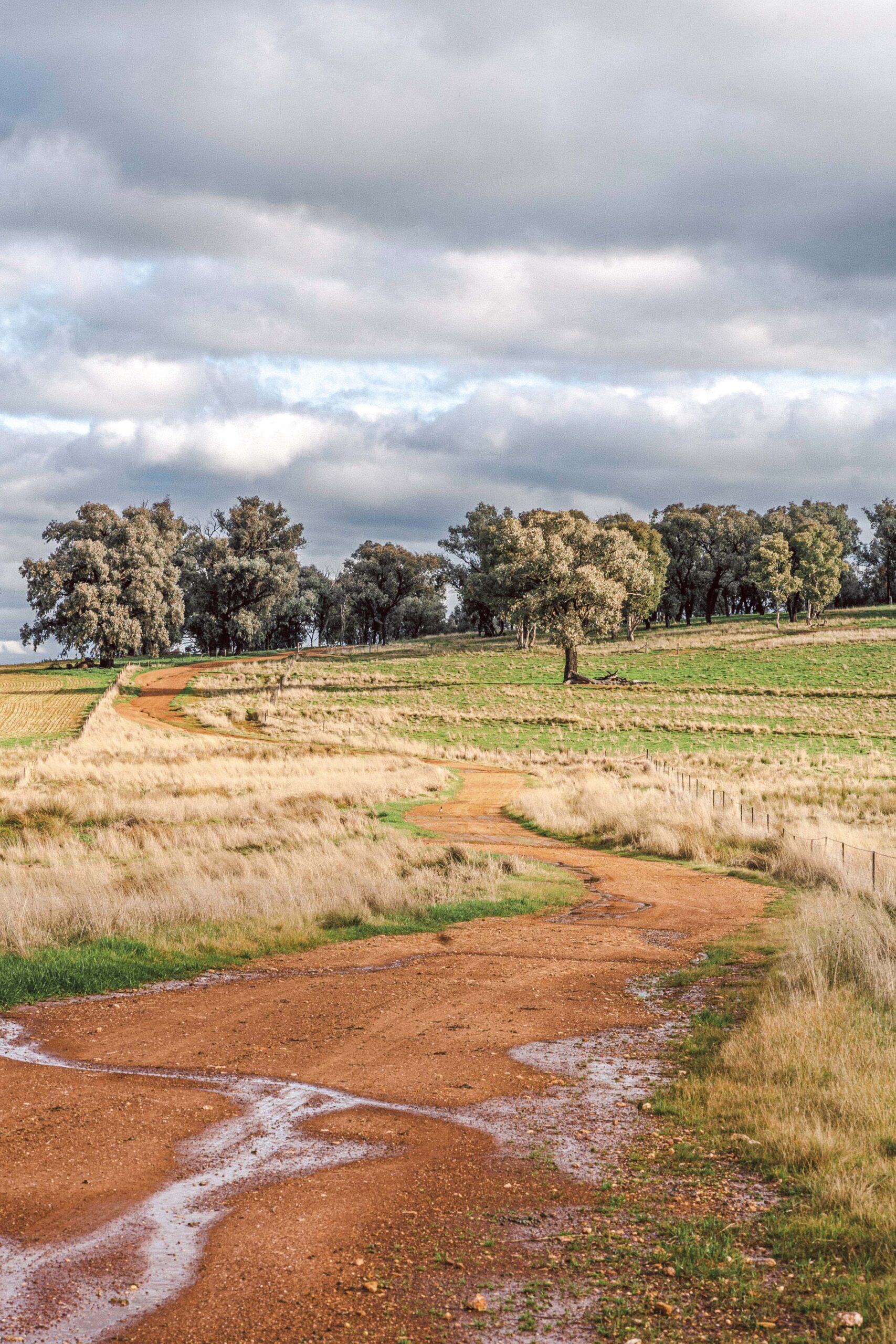
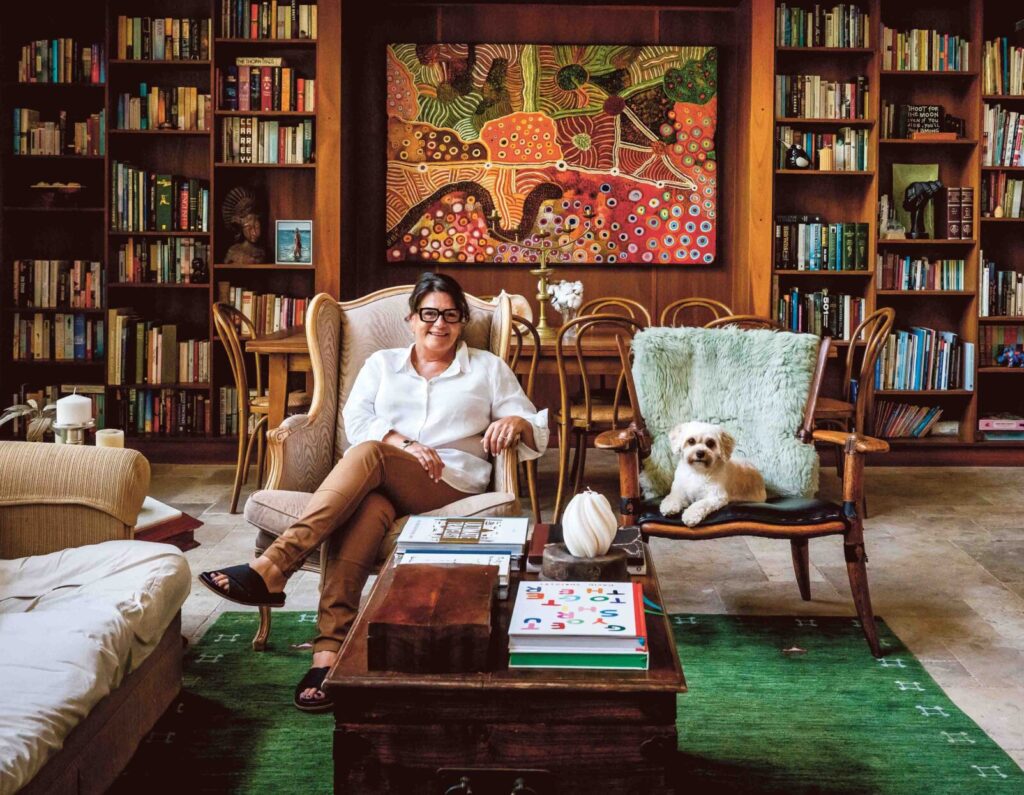
Now a counsellor and company director, Abi Cook-Singh has practical advice for those navigating the dynamics of a multigenerational farm business.
WORDS Abi Cook-Singh PHOTOGRAPHY Alexandra MacAlpine
My perspective has been influenced by being a wife, mother, daughter, daughter-in-law, friend, farmer, divorcee, employee, employer and businesswoman.
As a young bride aged 24 marrying into a farming family, I didn’t know what I didn’t know. I didn’t know what questions to ask or how to introduce myself to the perspectives, traditions and unspoken rules of a fourth-generation family farming enterprise. But what I have learned over the years is that successful rural family business is not just about succession, inheritances or titles, it’s about fostering relationships, embracing curiosity and maintaining adaptability over time.
I share my story with you as an invitation to see the world as I have. Through years of love, growth and transformation I developed a deep passion for rural communities and the creative multigenerational potential of rural family businesses.
My life on the land and 26-year marriage ended soon after the sale of the family farm in 2015; though we remained great mates and parents for our kids, we found that we were not equipped for such a change, and the emotional turmoil uncovered unasked questions and understanding.
Now remarried in a cross-cultural relationship with a blended family of five beautiful young adults in a not-so-rural environment, I’ve asked myself whether that part of me still exists, whether I still have a voice. The answer, thankfully, is a resounding yes!
It took a lot to get here: encouragement from my rural cousin, insights from my 2007 South Australian AgriFutures Rural Women’s Award*-winning research on rural mothers and daughters-in-law (a longitudinal study completed in 2023), and some good old-fashioned soul-searching. I’ve come to realise that a connection to the land never really leaves you; it’s etched on your skin, like sunburn after a long day in the paddock.
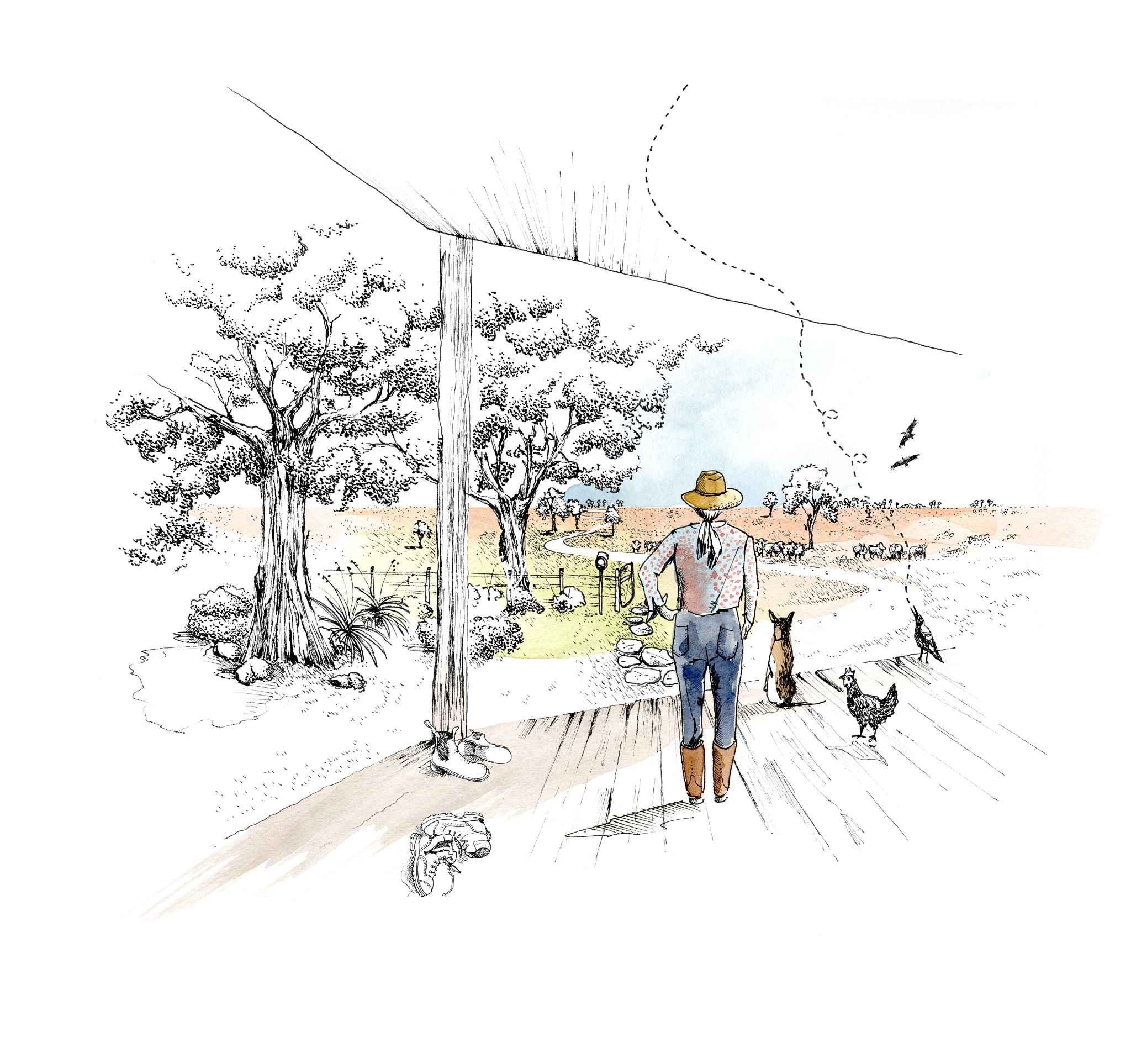
I remember those early days vividly. There I was, fresh from Adelaide, moving to a fourth-generation farm literally the day after our honeymoon. Within 30 minutes of us walking through the door, suitcases still on the floor, my husband looked at me, winced, and said, “I’d better go,” before sprinting out to the farm. I stood there in shock thinking, “Is this how it’s going to be?” Spoiler alert: it was. The farm never waited and neither did its demands.
It didn’t take long for me to learn that a family farm is more than a job. It’s a culture and lifestyle, a set of traditions and beliefs woven into everyday tasks. I worked hard to understand and integrate myself into this new world and, while I might have fumbled through some of it — okay, a lot of it — I found pride and a sense of belonging. I also experienced isolation, power imbalance, barriers, invalidation and physical boundaries.
To me, my mother-in-law became the perfect example of a farm wife, mother and respected community member: big shoes to fill! Like many of the women I have spoken to in my research, I wanted to show her that I could do it just as well as she did. In doing so I ran the risk of entering a competition, and missing the opportunity for sharing knowledge and the workload.
She acquiesced and I set forth to put on the biggest spread that week: roast meats, barbecues and baking, ensuring that I also penned up sheep, swept floors and pressed the wool as well. I wanted to show that I could do it all and fit in — the family would be proud.
On the first day I arrived at the shed with smoko to set up my special barbecue lunch table. There on the table I saw numerous containers with the family name on them. My mother-in-law had sent smoko! I was horrified: I had lost my opportunity to show that I could be enough, and my husband looked at me uncomfortably and mouthed, “Just leave it. Don’t say anything.”
Upon reflection I realised that this had been her job for over 30 years, and we could have shared it. I wouldn’t have had to spend money buying local baked goods because I was too tired to bake every night after getting the sheep in.
In the past, Australian farming families have not been good at succession planning. But we are getting better at it, writes senior lawyer Katherine Beard.
Does owning your own farm feel out of reach? Cultivate Farms helps retiring and aspiring farmers find innovative solutions.
My time on the farm opened my eyes to the complex realities of family businesses, especially the fact that many farm families struggle with succession planning. The blur between personal relationships and professional roles fascinates me, and navigating those dynamics isn’t easy. But it’s crucial, not just for the success of the farm, but for the health and happiness of the families. My passion now lies in helping families find clarity in these murky waters. I’ve learned to ask the questions I didn’t know to ask as a young bride, and to support others in building stronger, more sustainable connections, both in business and in life.
Family businesses represent approximately 70 per cent of all Australian business and provide over 50 per cent of Australian wages — and rural businesses comprise a large proportion of this statistic — and this was the impetus to turn the Working Her Out longitudinal research findings into the start-up Working It Out Now. I formed the company to provide support services, present my research findings and develop a rigorous family business lifespan platform online.
Looking back, I’m grateful for every twist and turn that brought me to this point. I now know that it’s okay to carry the lessons and love from a past life while building a new one. Because at the end of the day, life’s about growing, isn’t it? And growth, like farming, doesn’t happen overnight, but when it does every single moment becomes worth it.
* In 2007 the award was known as the Rural Industries Research and Development Corporation Rural Women’s Award
Find out more about Abi’s research and generational family business support and assessment tools at workingitout.online
Subscribe to Graziher and you’ll never miss an issue of your favourite magazine. Already a subscriber? Consider gifting a subscription to someone special in your life.
There are many ways to find a meaningful role in the industry, says Beef Australia’s Beth Rands.
Hailing from a small Irish town, Lisa Fryer found love at Daly Waters’ Hi-Way Inn. Today, she and husband John are ushering in a new era for Tabletop Station, near Townsville, Queensland.
There are many ways to find a meaningful role in the industry, says Beef Australia’s Beth Rands.
Hailing from a small Irish town, Lisa Fryer found love at Daly Waters’ Hi-Way Inn. Today, she and husband John are ushering in a new era for Tabletop Station, near Townsville, Queensland.
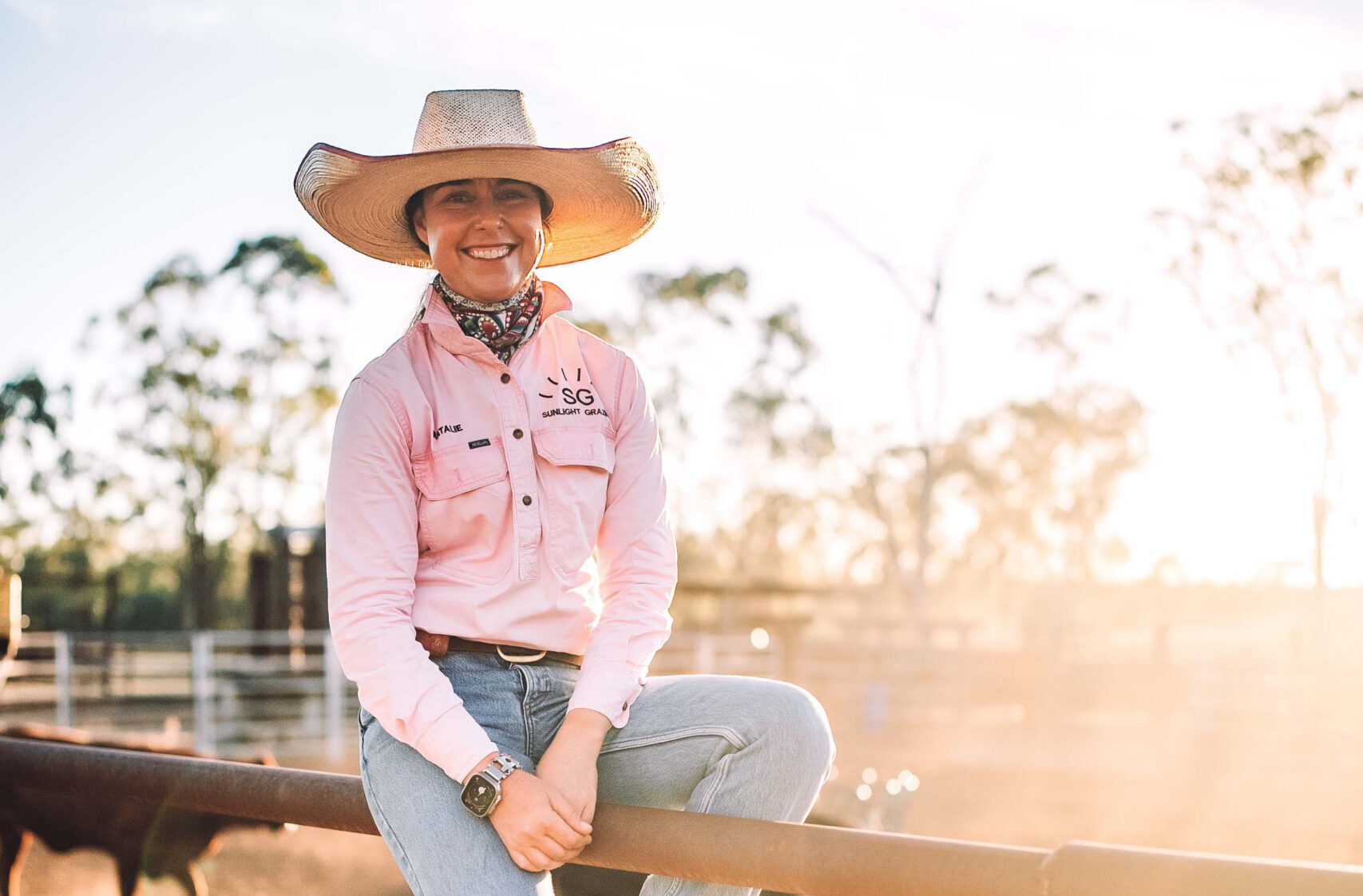
She says clever tech makes it possible to go it alone on the 4000 hectare beef-finishing property in central Queensland.